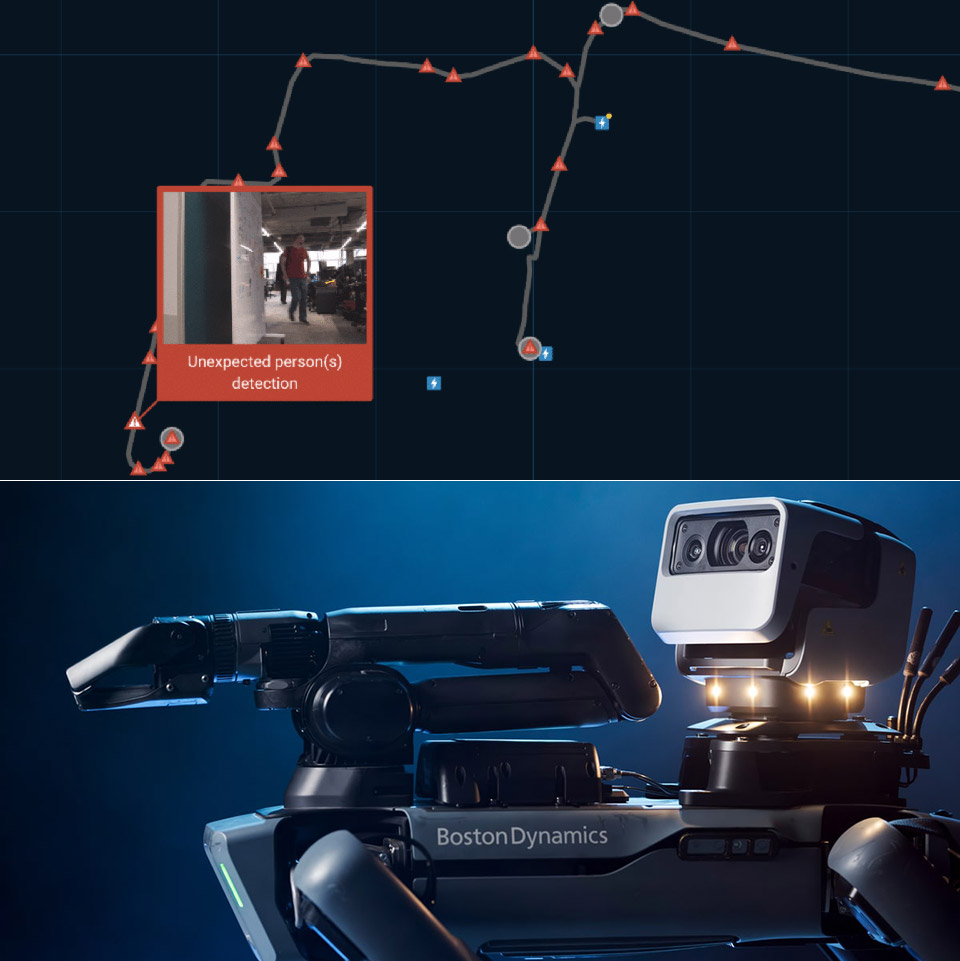
Boston Dynamics’ Spot travels throughout industrial locations on four sturdy legs, collecting data that used to need actual humans to chase after. The company has just gone a step further by introducing a second-generation camera system dubbed Spot Cam 2. This new version is based on the same foundation as the previous Spot Cam+IR, but it includes clearer vision, a broader angle of view, and new ways to combine multiple types of sensors, which is exactly what it needed.
At the heart of the system is a 4K pan-tilt-zoom camera, which allows operators to zoom in on distant gauges or equipment labels without physically approaching the robot. An embedded radiometric thermal camera works in tandem, measuring heat very precisely across any given surface in order to detect any overheating components or insulating gaps. A third camera catches a massive 360 by 130 degree view of the surroundings and somehow manages to stitch it all together, ensuring that no blind spots may hide in the periphery.

- Sleek & Durable Design: Standing at 132cm tall and weighing only approx. 35kg, the G1 is constructed with aerospace-grade aluminum alloy and carbon...
- High Flexibility & Safe Movement: Boasting 23 joint degrees of freedom (6 per leg, 5 per arm), it offers an extensive range of motion. For safety, it...
- Smart Interaction & Connectivity: Powered by an 8-core high-performance CPU and equipped with a depth camera and 3D LiDAR. It supports Wi-Fi 6 and...
Depending on the task at hand, you can attach the entire camera assembly to the Spot’s front or back. When operating in low-light conditions, eight super-bright LED lights activate instantly, cutting through the shadows that previously limited view. There’s also a useful on-board accessory bay that allows you to use third-party instruments like acoustic imagers, such as the Sorama L642 or Fluke SV600, to identify leaks or strange vibrations in machinery. This allows you to place those tools precisely where you need them on the spot. Future attachments will operate with comparable ease.
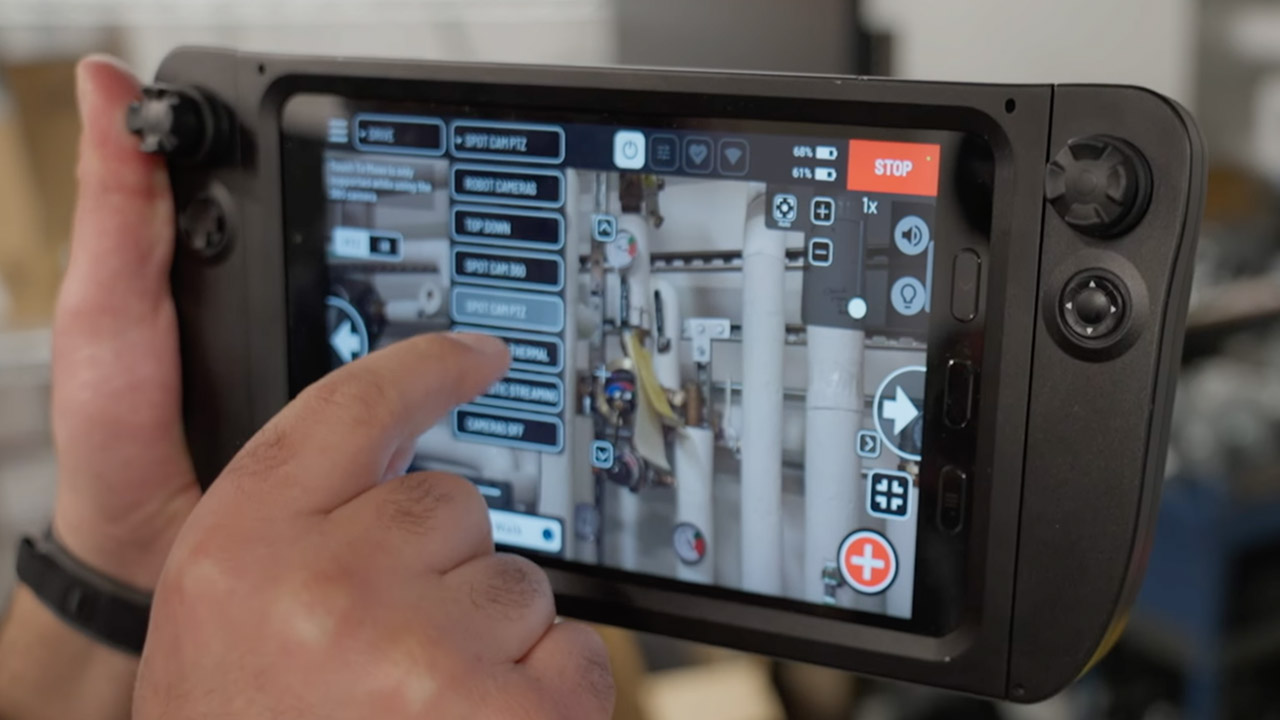
The software connects all of this through Orbit, Boston Dynamics’ own platform for mission and data management. You can now author inspections directly in the Site View interface; simply point to a target once, and the Spot will repeat all of the operations you’ve configured, such as pan-tilt-zoom pictures, thermal readings, gauge recognition, or sound captures, from the same spot. It’s all triggered from the same location, and thermal photos are easily stitched together with site maps to provide a clear, unified view of circumstances across time.
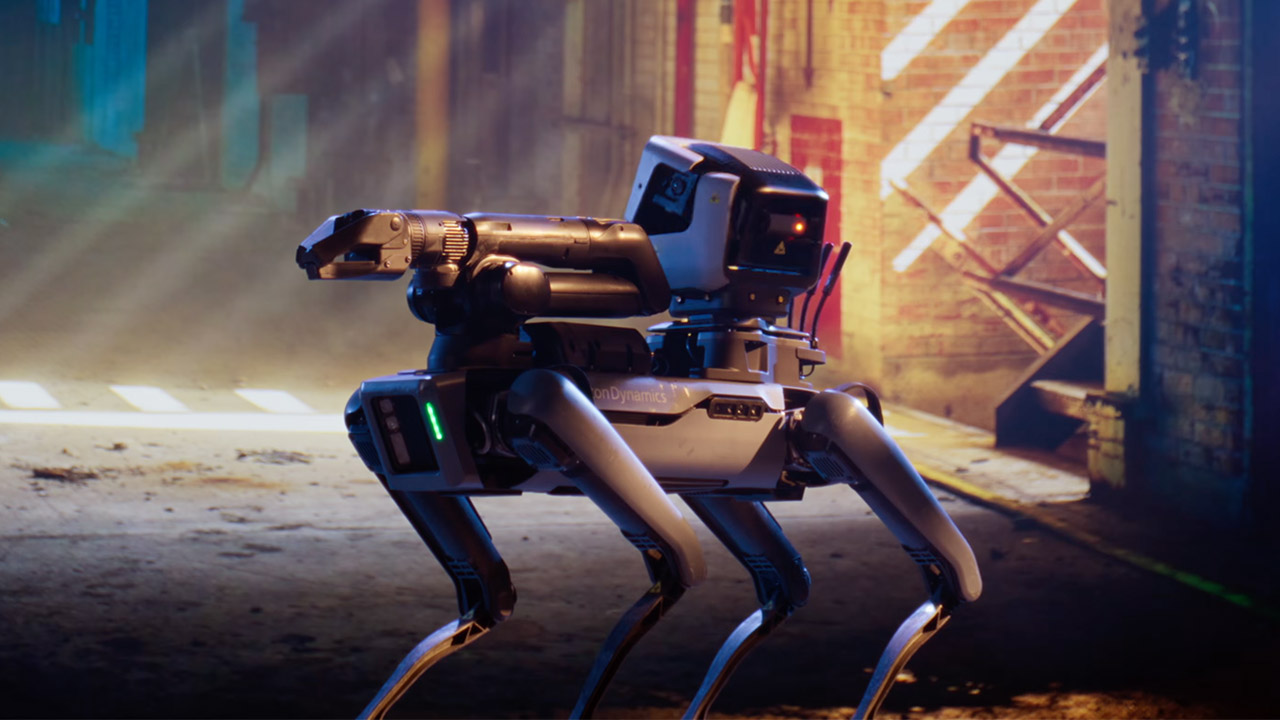
There are also new change detection algorithms that monitor acoustic data from equipment such as bearings or valves, and when patterns deviate from normal, the system alerts users and presents spectrograms that clearly demonstrate the difference. The expanded vision models can now use data from the body cameras, the arm (when attached), and even the gripper. This allows the robot to explore confined or dark locations that prior systems found difficult to access.
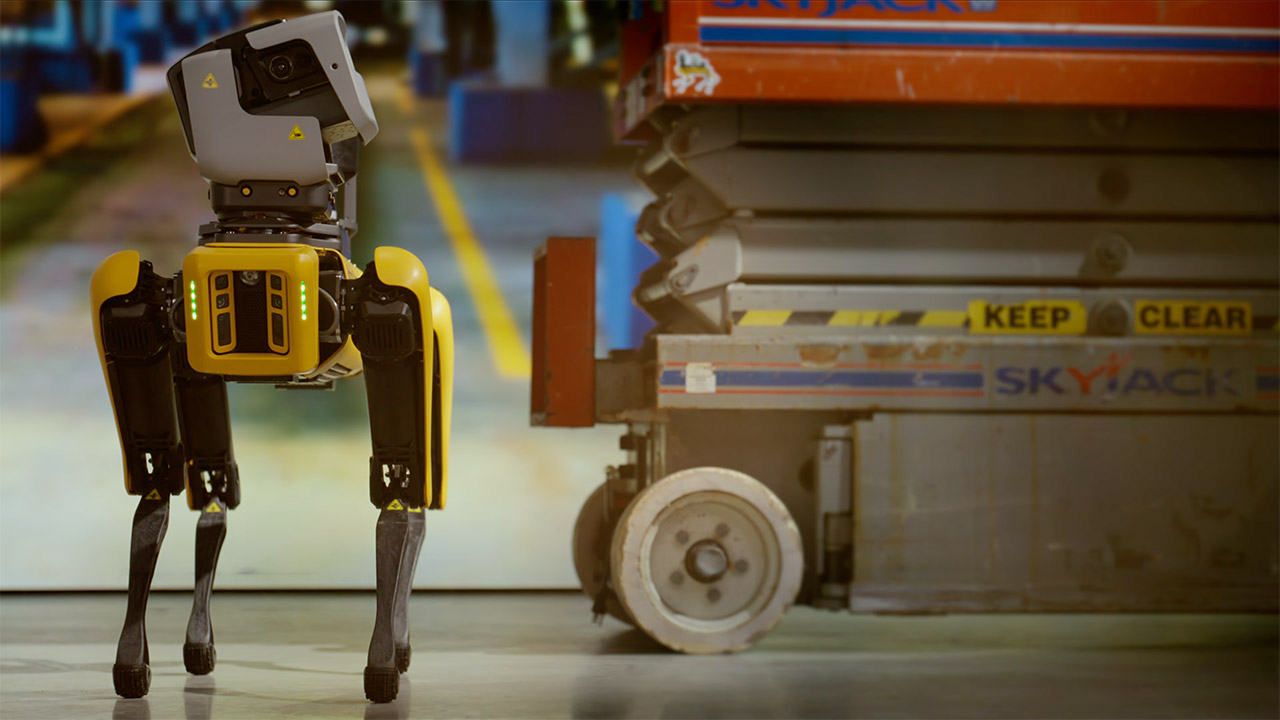
Boston Dynamics has released Spot Cam 2 as part of the Spot and Orbit 5.1 upgrade. The hardware and software work together to make routine tests faster, safer, and more consistent. Teams that used to send people into hazardous or repetitive locations can now rely on a quadruped to see, sense, and come back with useful data. Spot continues to improve, one deliberate step at a time, and establishments all over the world will profit from it.