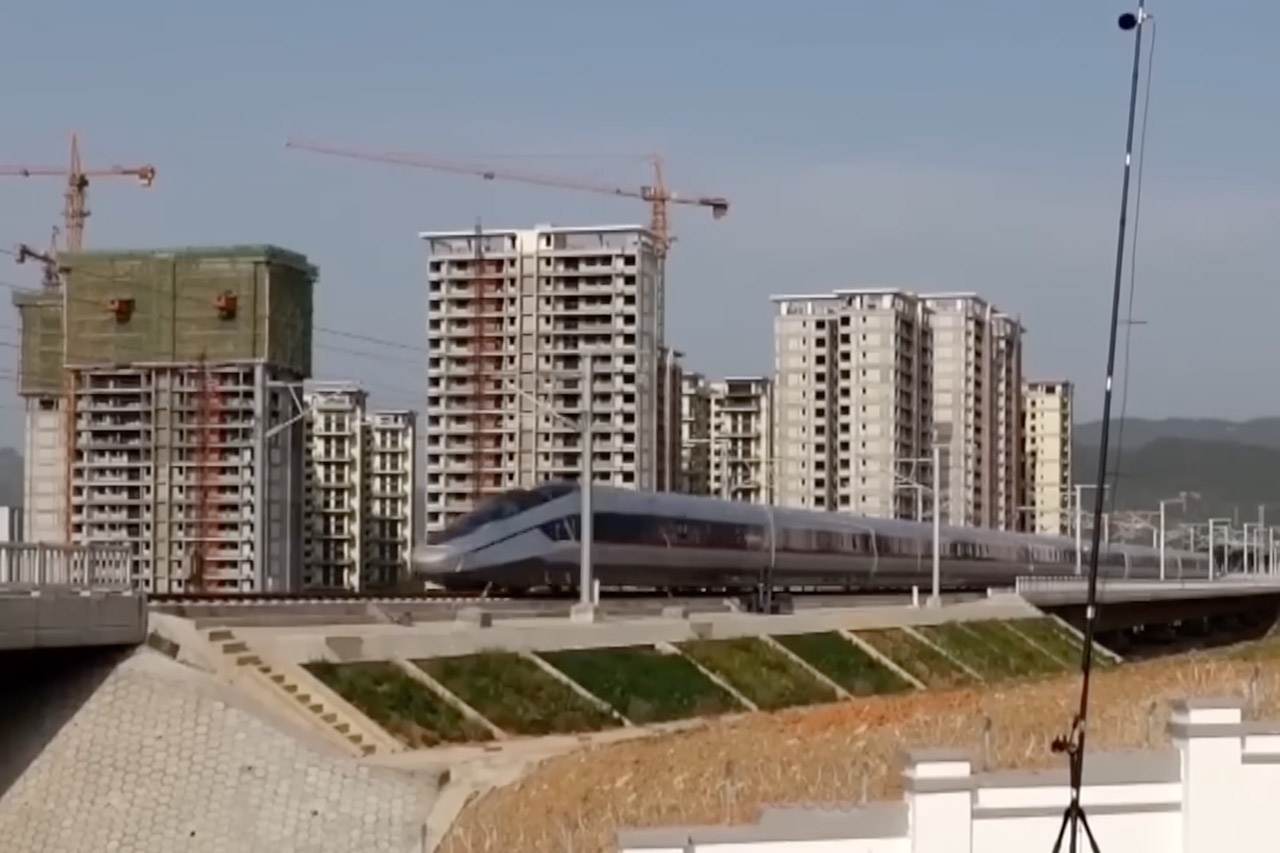
Last month, on the Shanghai-Chongqing-Chengdu high-speed railway line, something amazing happened…a silver bullet train zoomed by at 281 mph. That single run on October 21 means that the CR450 is now the fastest conventional wheeled train ever tested. Engineers measured one prototype at 453 km/h, as well as two trains passing each other at 896 km/h.
Development started quietly in 2021 under China State Railway Group. By November 2024, prototypes will roll out of CRRC subsidiaries’ factories in Changchun and Qingdao. These 8-car electric multiple units have no separate locomotive. Each car is self-powered, drawing power from overhead wires.

LEGO City Express Passenger Train Set - Remote Controlled Train Toy W/Working Headlights, 2 Coaches...
- This LEGO city train set features a remote control bullet locomotive toy with working, dimmable headlights and LEGO Powered Up technology
- This train toy for kids includes a train with a restaurant car, passenger coach, station platform, 24 track pieces and 6 minifigures
- The train and its dimmable lights can be controlled via the included remote control or a smart device equipped with the LEGO Powered Up App
Aerodynamics was the driver of every change, as designers lengthened the nose cone to 15 meters, 3 meters longer than the 350 km/h trains. Fully enclosed bogies hide the wheels, with lowered skirt panels under each car. Together they reduced air resistance by 22%. Engineers reduced weight by 55 tons and height by 20 cm. Lighter materials and more efficient layout made this possible without losing strength. The result is acceleration: 0-350 km/h in 4 minutes 40 seconds, 100 seconds faster than the CR400 Fuxing trains which hold the current commercial record of 217 mph.
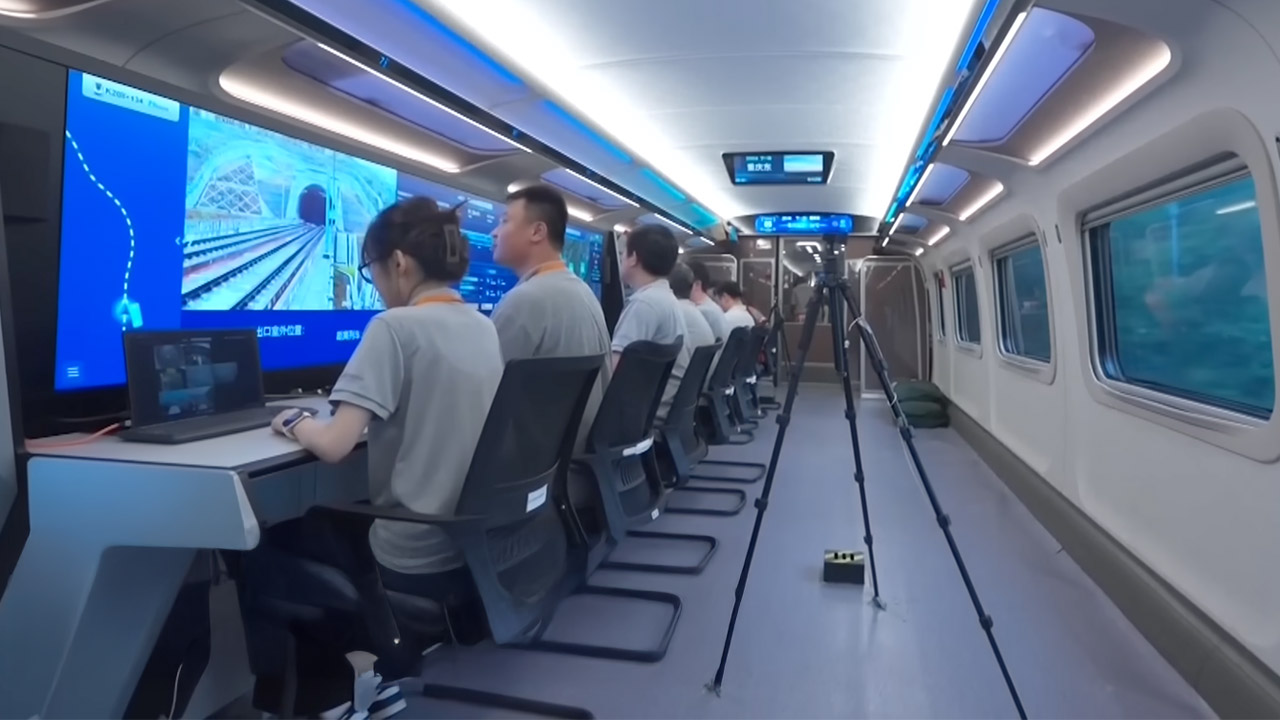
Five years of work went into these advancements, as researchers sought improvements in increments as small as 0.1%. They tested everything from brake function to noise levels. Over 4,000 sensors now monitor each run in real time and send data back to ground control. Commercial service starts in 2026, but not everywhere at full speed yet. Existing lines only allow 350 km/h, but new lines will allow 400 km/h daily runs. Before passengers board, each train must run 600,000 km.
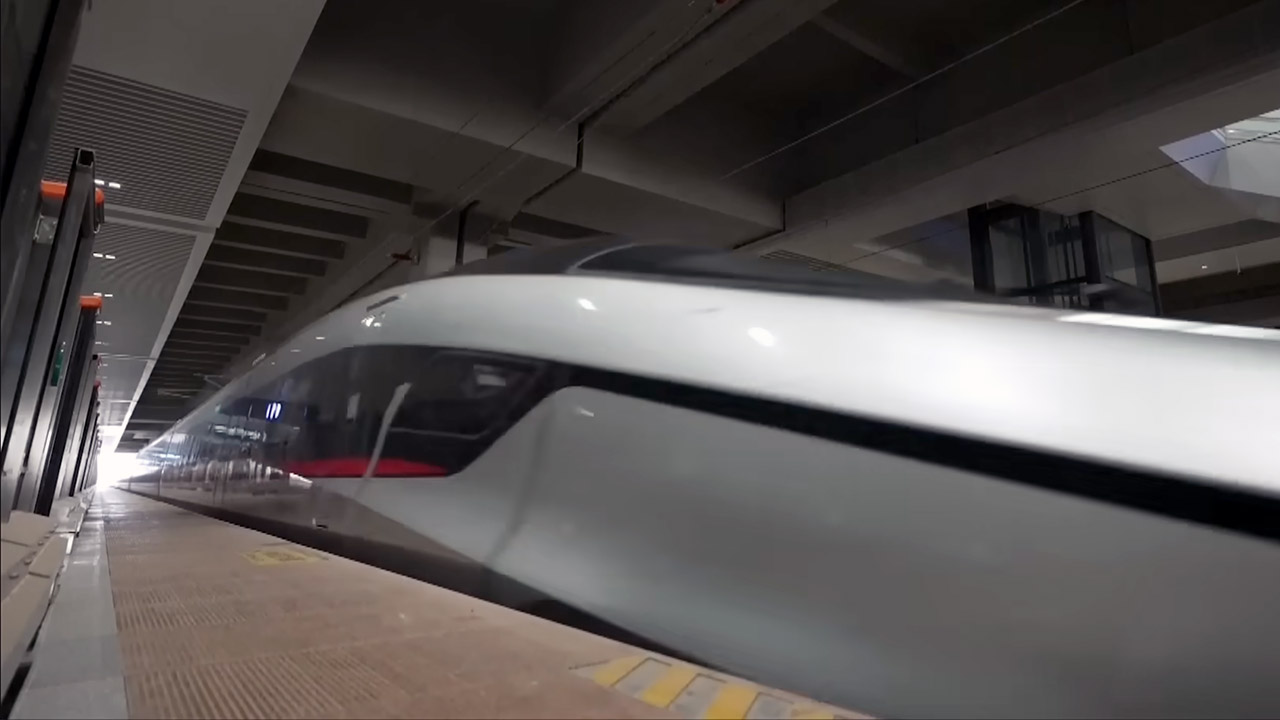
China already has the world’s largest high-speed network, over 48,000 km. The CR450 fits into a larger goal to cover 60,000 km by 2030. Journeys that used to take hours by car or plane will be much shorter. With future upgrades, the trip from Beijing to Shanghai might be under 2.5 hours. Performance is up, while energy consumption remains the same, thanks to the upgraded permanent magnet motors and regenerative braking systems. Most importantly, noise has been reduced further by 2 dB, and cabin space improvements can be found throughout.
[Source]