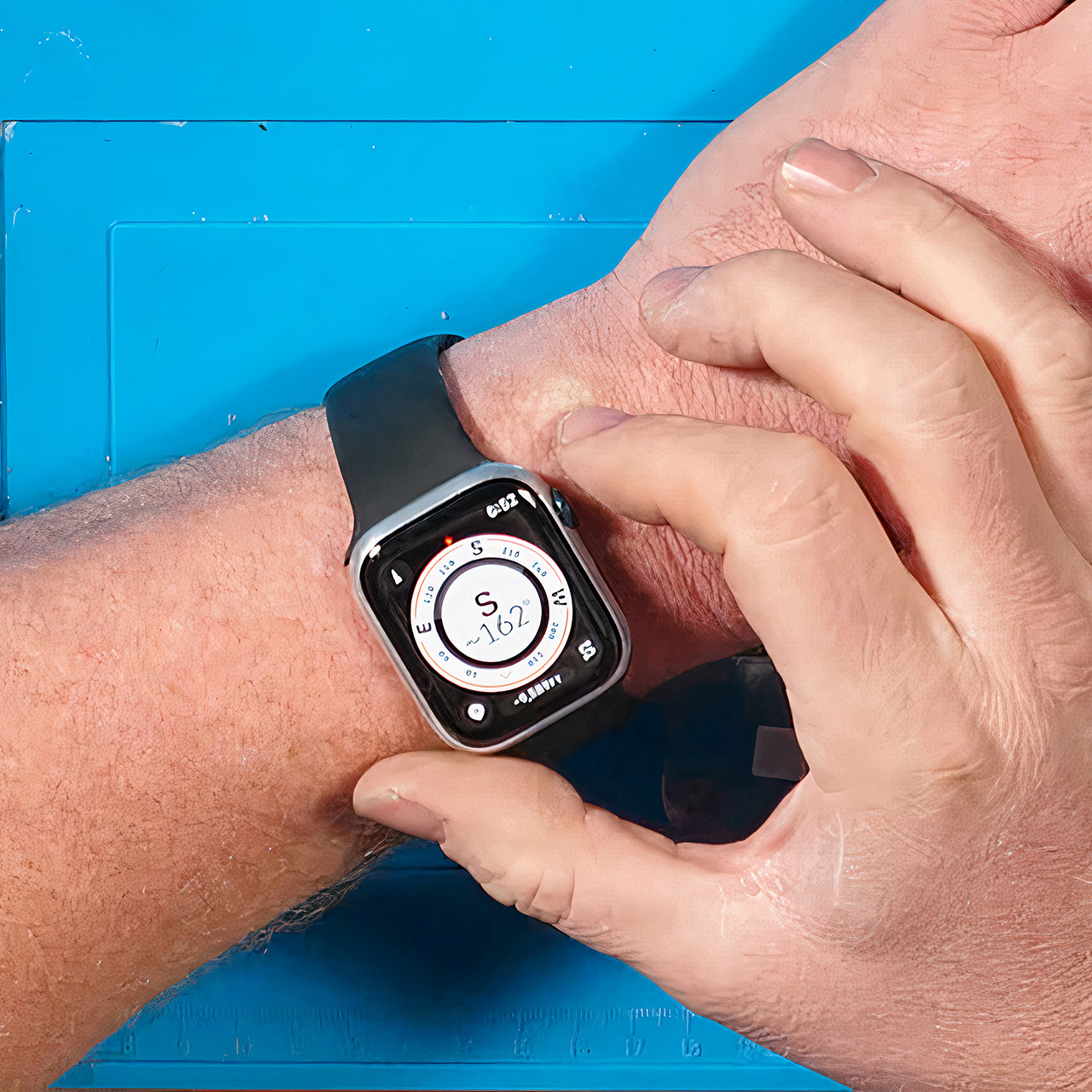
Scotty Allen of ‘Strange Parts’ fame decided to try if he could put together a working Apple Watch from the bits and pieces he found in Shenzhen’s famed electronics marketplaces, Huaqiangbei. His goal was to have everything up and running in one week, and to make matters even more difficult, he planned to build a completely new aluminum casing from scratch, which was a formidable endeavor to say the last.
Huaqiangbei had almost everything Allen needed, so he started by purchasing a watch body with no buttons or dials for 420 yuan, primarily because it had the screen. The battery cost only 15 yuan, but getting his hands on the logic board proved much more difficult. After exploring the markets and knocking on a few doors, he finally found a reliable working board, which one of his connections confirmed had all of the requisite seals of authenticity for 350 yuan. He picked up the remaining parts, including the speaker, rear plate, gaskets and springs, and buttons.
![Apple Watch SE 3 [GPS 40mm] Smartwatch with Midnight Aluminum Case with Midnight Sport Band - S/M....](https://m.media-amazon.com/images/I/31Gq8SToFJL._SL160_.jpg)
- HEALTH ESSENTIALS — Temperature sensing enables richer insights in the Vitals app* and retrospective ovulation estimates.* You’ll also get a daily...
- GREAT BATTERY LIFE — Enjoy all-day, 18-hour battery life. Then charge up to twice as fast as SE 2* and get up to 8 hours of battery in just 15...
- ALWAYS-ON DISPLAY — Now you can read the time and see the watch face without raising your wrist to wake the display.
So it was finally time to get started on the reverse engineering. That began with sending a reference model of the watch body to a local company for a 3D scan, which took somewhat longer than planned and cost him 340 yuan. However, the ultimate result was a model that was accurate to within 50 microns. That was fed into a machine that cut out a whole new aluminum case using a NestWorks C500 desktop CNC mill, which was kept cool by a water mist system while in operation. Cutting the casing required two passes: a rough initial pass to remove the majority of the material, then a second, more accurate pass with angled slots and holes to accommodate the band attachments and buttons. Thread milling allowed him to create small, ultra-precise holes without resorting to fussy tapping.
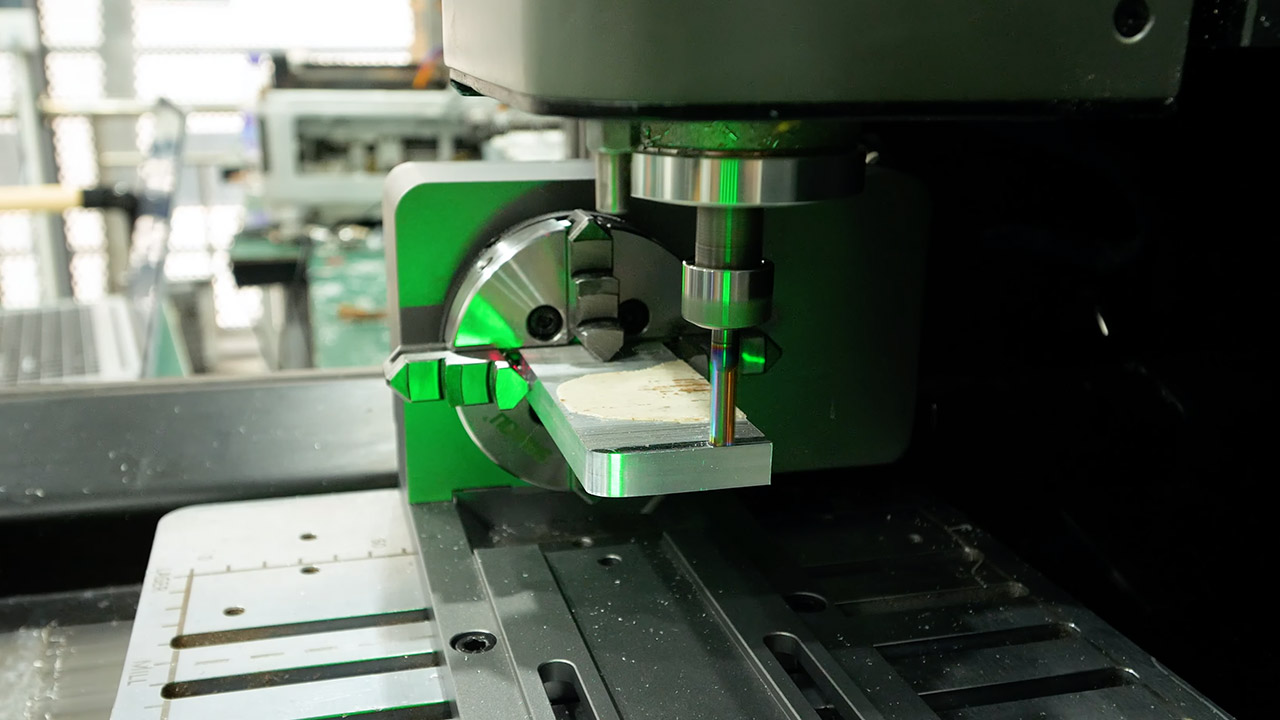
Just when everything was going well, a hitch arose: a handful of the holes were drilled too deeply, forcing Allen to start over. Then, to make matters worse, his customs shipment was delayed owing to what appeared to be labelling problems on the boxes. It’s time for his entire crew to roll up their sleeves and go to work. They remilled the piece that needed it, re-shipped it, and all the while were racing against the clock with one week to go. Tolerances were always a challenge; if they were off by more than 50 microns, your buttons would not work properly or your seals would be faulty. Your average DIYer would have had to struggle with the handcrafted pieces to get them to fit properly.
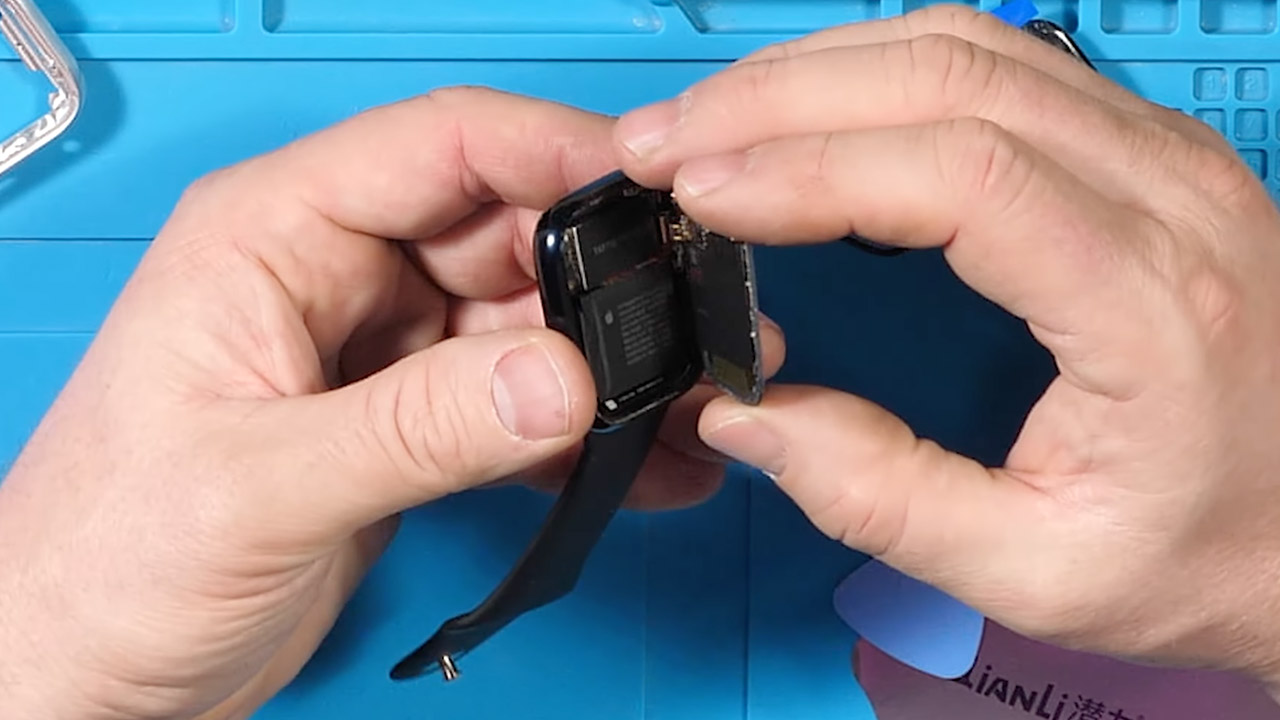
Assembly took place at home, where a little heat helped release the adhesive holding the new battery and glass in place; a microscope came in very helpful for messing with those tiny flex connections that are so easily damaged. The logic board was installed first, wrapped around the inside of the watch by the battery, followed by the screen, which was installed with optically clear sticky goo; he heated it and pressed it firmly to ensure it was correctly installed. Later, the sides, buttons, springs, and seal gasket arrived to complete the rebuild. The buttons were a little tough to fit into the new case and required some snipping.
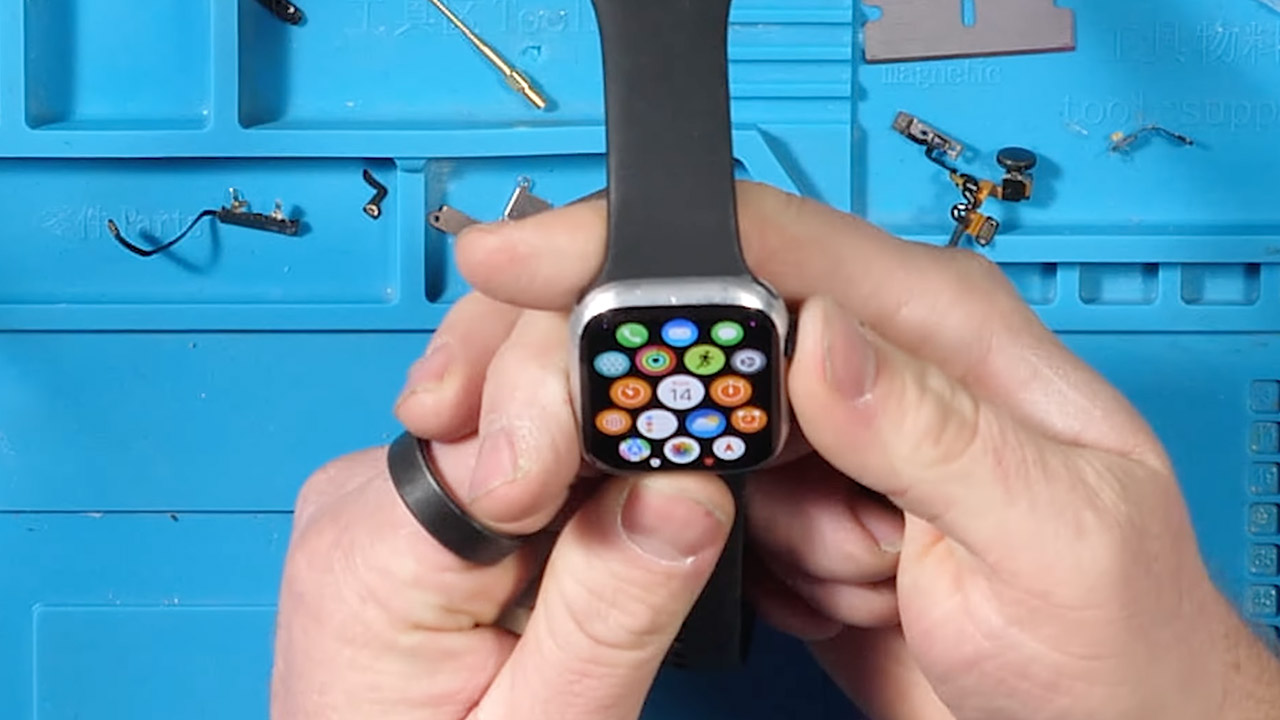
When it came time to put the watch through its paces, he was pleased to see that everything worked as it should, including the microphone and speaker, GPS, heart rate sensor, and so on, with the display showing up quickly after a charge and the device connecting up without any issues. There were a few minor flaws from the parts swap, but overall, the watch looked great and operated well.