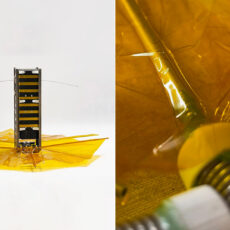

NASA’s TROPICS is designed to monitor tropical cyclones, while the ESA’s Meteosat Third Generation satellite Lightning Imager can continuously detect rapid flashes in Earth’s atmosphere whether it be day or night from a distance of 36,000 km (22,369 mi). The instrument comes equipped with four cameras that cover Europe, Africa, the Middle East and parts of South America, each capable of capturing 1,000 images per second.
Each animation that you see here contain a sequence of images created by collecting one minute’s worth of lightning measurements, overlaid onto a single image of Earth from the Lightning Imager. These animations aim to provide weather forecasters with more confidence in their predictions of severe storms, particularly in remote regions and on the oceans where lightning detection capabilities are limited.

- NASA rocket model kit – Launch into a creative project with the LEGO Icons NASA Artemis Space Launch System model building project for adult space...
- What’s in the box? – This creative building set includes everything you need to craft a multistage rocket with 2 solid-fuel boosters, an Orion...
- Features and Functions – This NASA-themed rocket model features retractable launch tower umbilicals, rocket support and crew bridge, detachable...
Severe storms are often preceded by abrupt changes in lightning activity. By observing these changes in activity, Lightning Imager data will give weather forecasters additional confidence in their forecasts of severe storms. When these data are used in conjunction with the high-resolution data from the Flexible Combined Imager, weather forecasters will be better able to track the development of severe storms and have a longer lead-in time to warn authorities and communities,” said Phil Evans, Eumetsat Director General.