

NASA’s Lucy spacecraft captured stunning images of asteroid Donaldjohanson during a flyby on April 20, 2025, and these are indeed the most detailed images of it to date. The spacecraft passed within 600 miles of the asteroid, with the closest images taken about 40 seconds before closest approach, at a distance of approximately 660 miles.
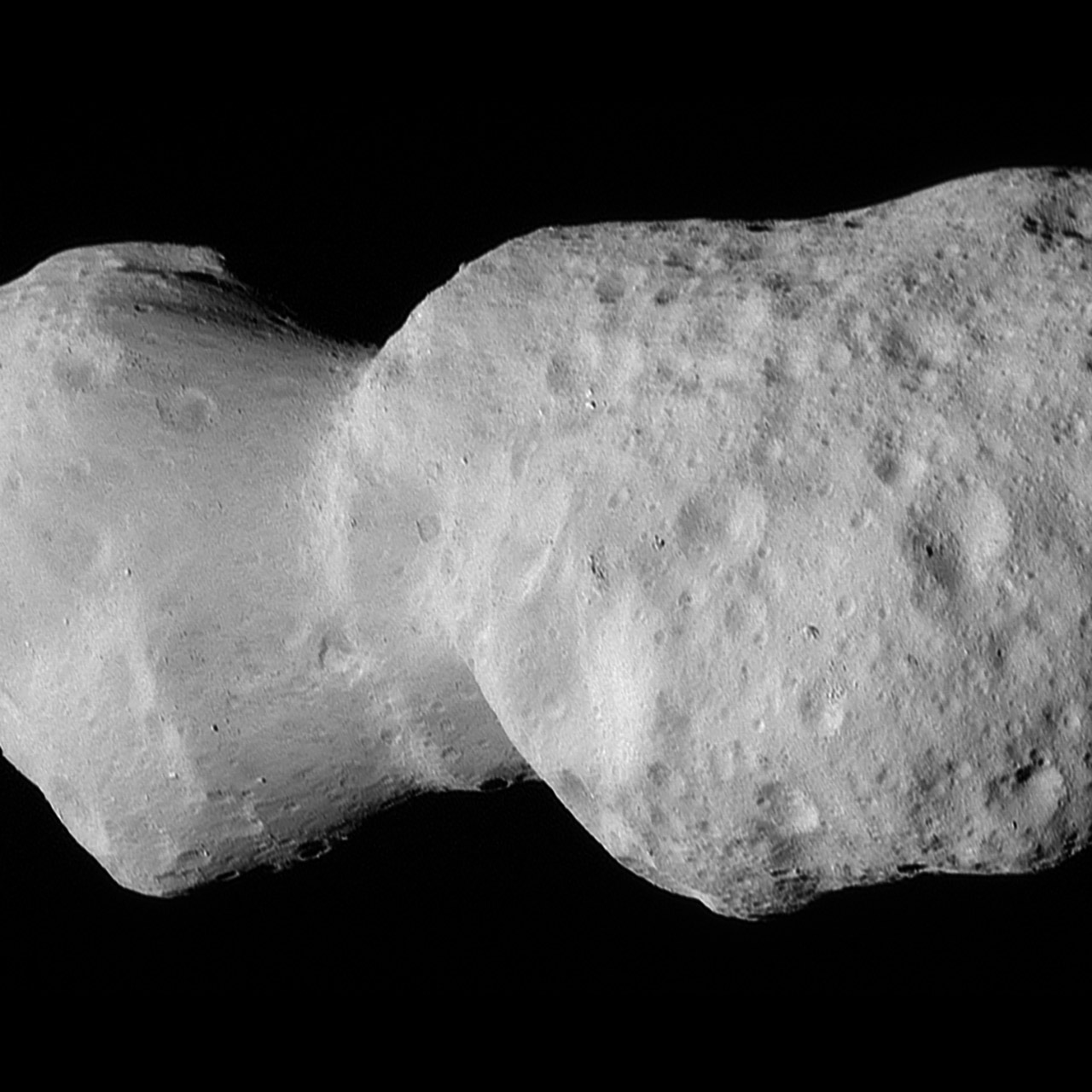
These were taken by the Lucy Long-Range Reconnaissance Imager (L’LORRI), which gave clear, sharp, and enhanced views of the asteroid’s surface. They showed that Donaldjohanson is a contact binary, meaning it’s made of two smaller pieces that crashed together and stayed joined, forming a long, peanut-shaped body with a thin neck linking two parts.

- NASA rocket model kit – Launch into a creative project with the LEGO Icons NASA Artemis Space Launch System model building project for adult space...
- What’s in the box? – This creative building set includes everything you need to craft a multistage rocket with 2 solid-fuel boosters, an Orion...
- Features and Functions – This NASA-themed rocket model features retractable launch tower umbilicals, rocket support and crew bridge, detachable...
NASA scientists compared its unusual shape to “nested ice cream cones” or a “deformed peanut.” The asteroid’s geology is described as “strikingly complicated,” with ridges and irregular contours that hint at a complex history. It’s estimated to be about 150 million years old, is a fragment from a collision in the main asteroid belt between Mars and Jupiter.
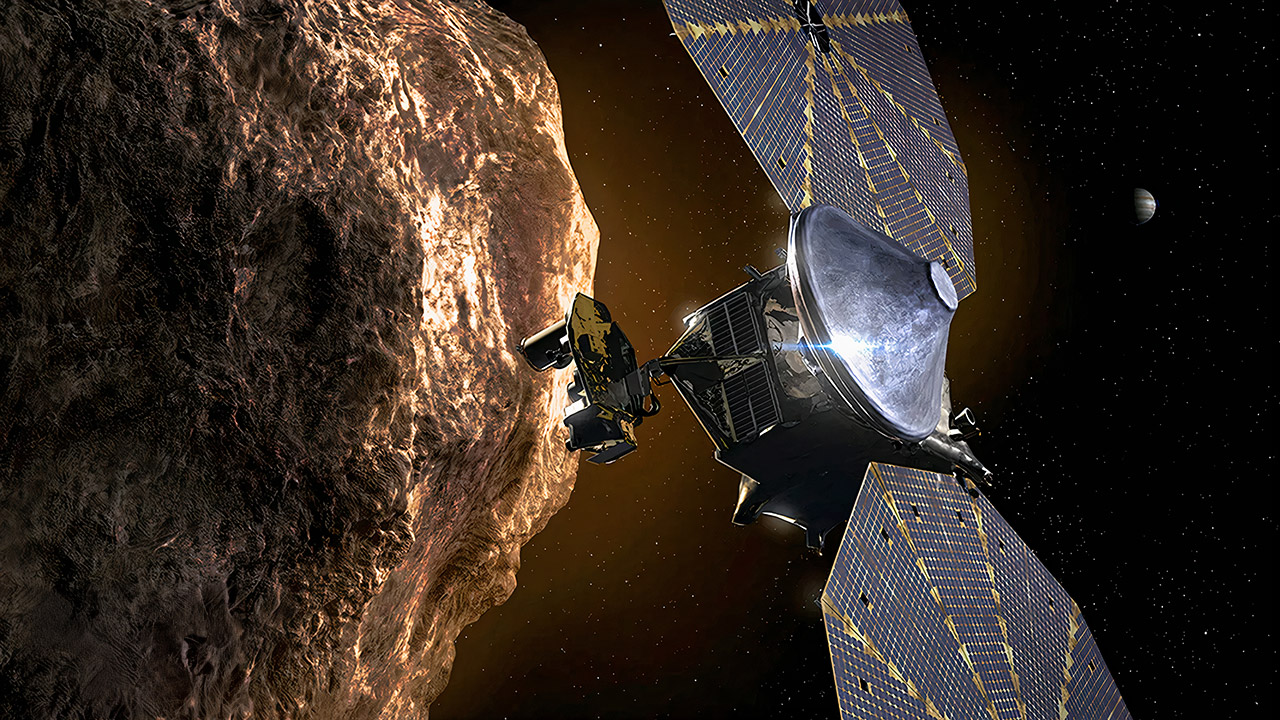
Not all of the asteroid was visible in the initial images because its size exceeded L’LORRI’s field of view. The Lucy team expects to receive additional data over the week following the flyby, which should provide a more complete picture of Donaldjohanson’s shape and surface features.
These early images of Donaldjohanson are again showing the tremendous capabilities of the Lucy spacecraft as an engine of discovery. The potential to really open a new window into the history of our solar system when Lucy gets to the Trojan asteroids is immense,” said Tom Statler, program scientist for the Lucy mission at NASA Headquarters in Washington.


