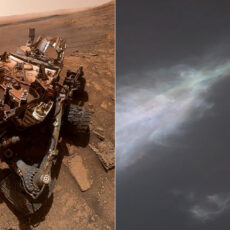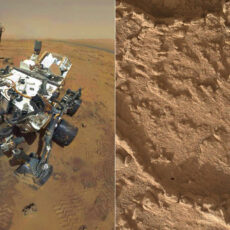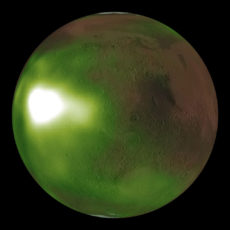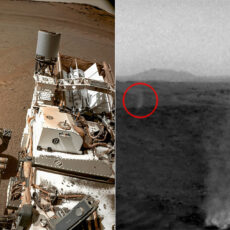
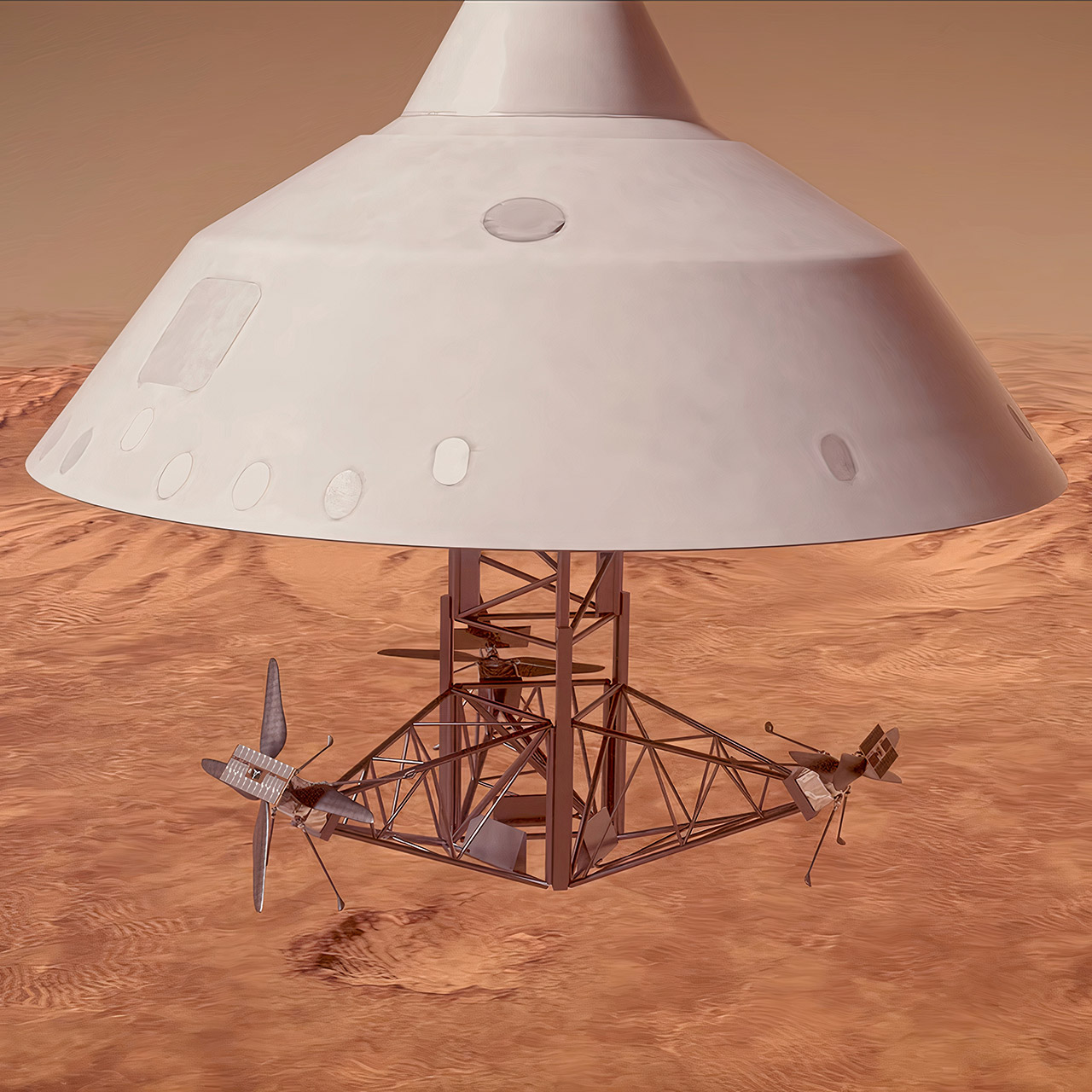
A trio of small helicopters called SkyFall are heading to Mars in late 2028, riding aboard NASA’s first nuclear powered interplanetary spacecraft. Built on everything the agency learned from Ingenuity, the first helicopter ever flown on another planet, the two vehicles are designed to go considerably further. Each one carries a suite of scientific instruments including high resolution cameras and ground penetrating radar capable of searching for buried ice beneath the surface, with the data collected expected to prove invaluable for planning future human missions to Mars
The deployment sequence alone is worth getting excited about. The helicopters detach from the entry capsule as it tears through the Martian atmosphere, rotors spinning up immediately as each vehicle makes its own way down to its designated landing zone. It is a cleaner approach that does away with the heavy landing hardware that previous missions have relied on. Once down, the real work begins. Each helicopter will map the surrounding terrain to identify slopes and obstacles that could create problems for larger vehicles arriving later, while the ground penetrating radar builds a detailed picture of any ice buried beneath the surface, information that could prove critical for keeping future crews supplied with water and other essential resources.

- Feed a passion for science and technology – Kids can learn more about the challenges of space exploration with this LEGO Technic NASA Mars Rover...
- Conduct a test flight – This advanced building kit for kids ages 10 and up includes a buildable toy version of NASA’s Ingenuity helicopter, which...
- AR brings the mission to life – The accompanying augmented reality app experience lets kids dive into the details of the rover and its mission
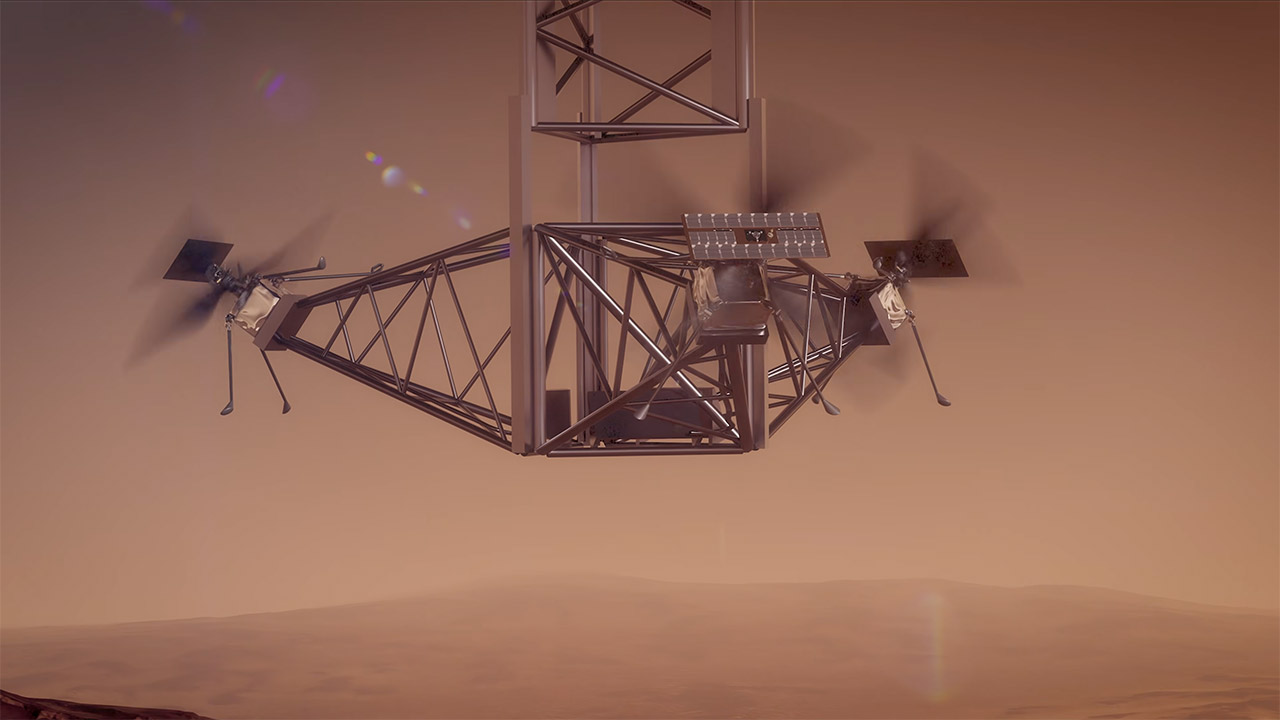
The journey is made possible by the SR-1 Freedom spacecraft, which contains a tiny nuclear reactor that generates the electricity required to propel it into deep space. Solar panels get things started, but the reactor takes over for the long haul, powering the almost year-long journey to Mars. Once the helicopters have been launched, the main spacecraft will focus on further testing its own propulsion system.
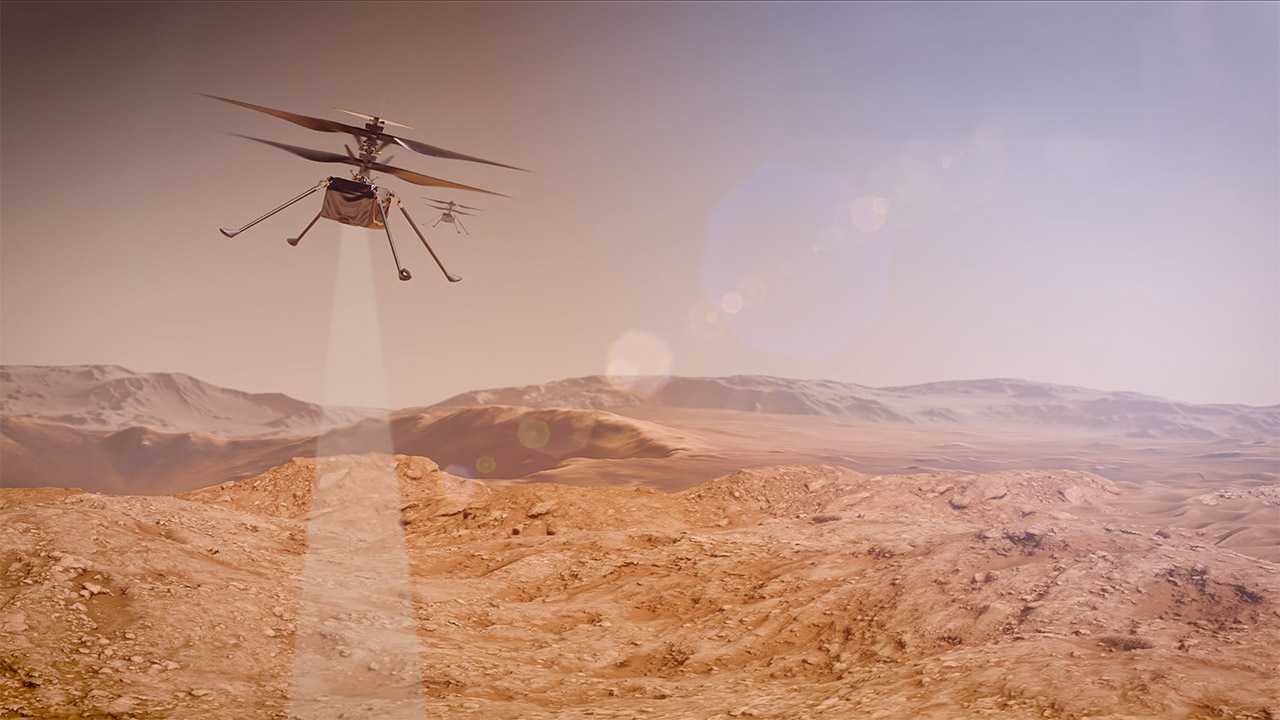
Sending three helicopters rather than one allows for substantially more ground to be covered, with each vehicle working independently and adjusting to any conditions it faces. The data they return will directly contribute to determining the most suitable landing zones for future crewed missions, narrowing the search to regions that are both safe to land and close to the resources required to establish a long-term human presence on Mars.
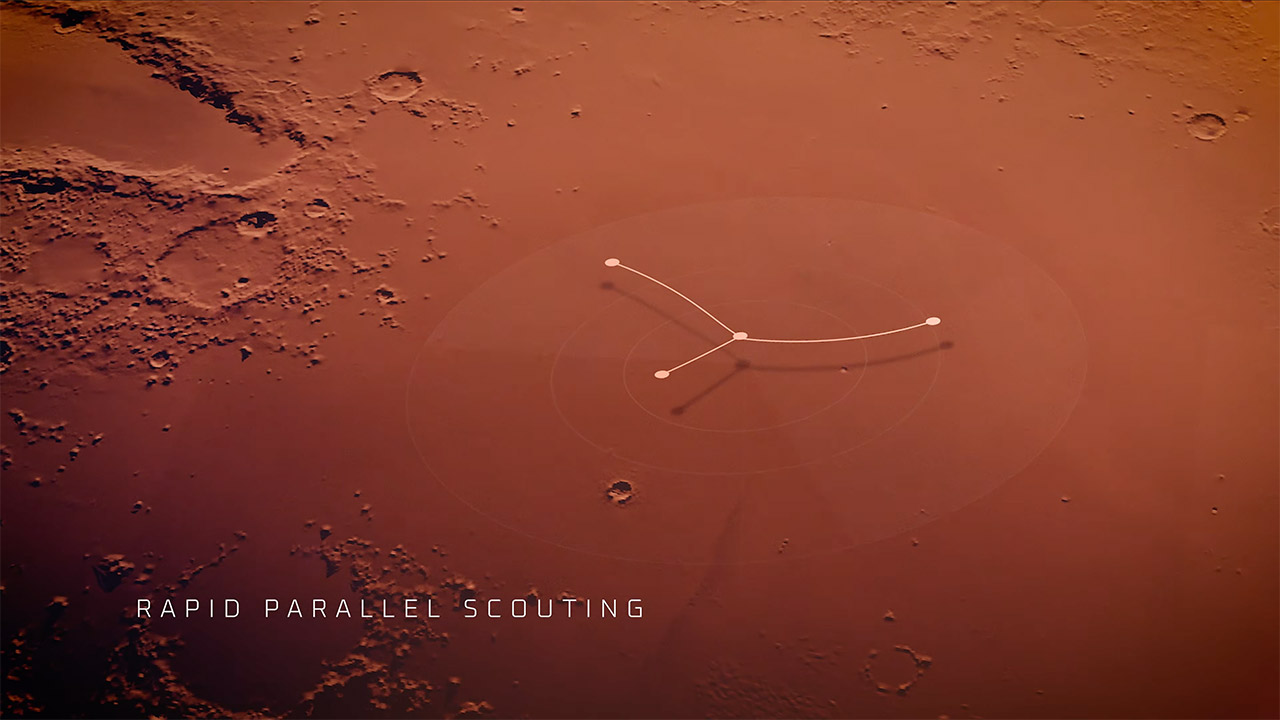
Development has advanced rapidly because to NASA’s collaboration with companies such as AeroVironment, with final testing now ongoing to ensure that both vehicles can withstand the harsh Martian climate. The combination of aerial mapping and subsurface radar data will provide scientists with a more thorough picture of Mars than any previous mission, and each step forward pushes the potential of sending humans there closer to reality.