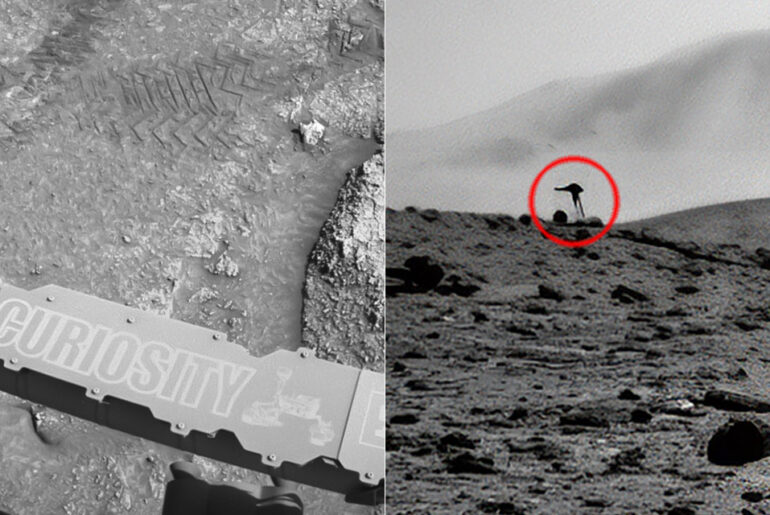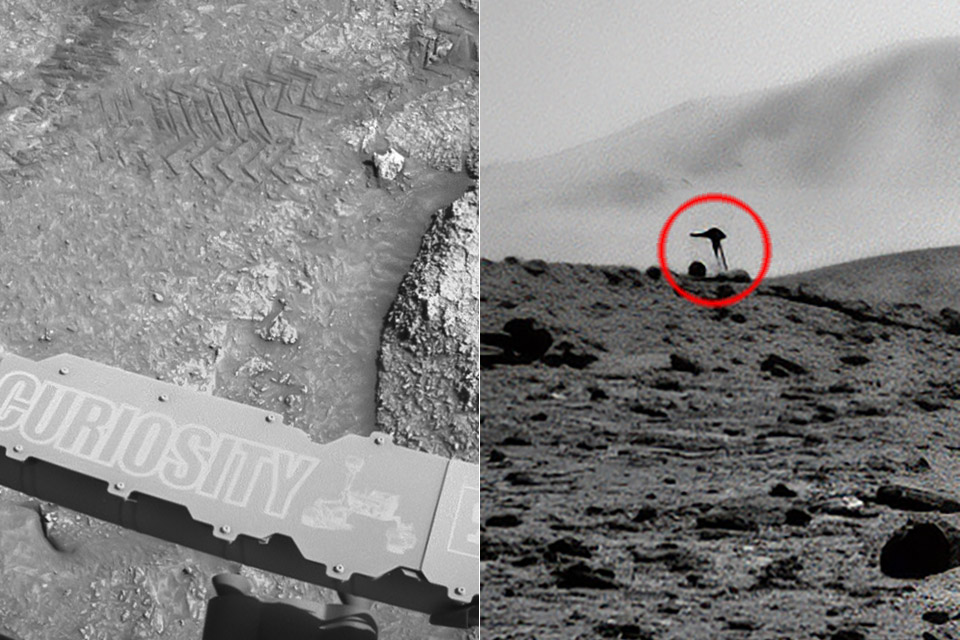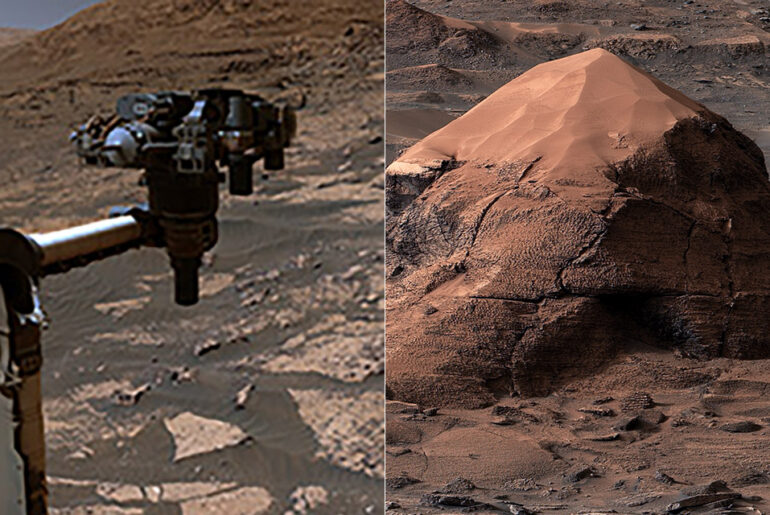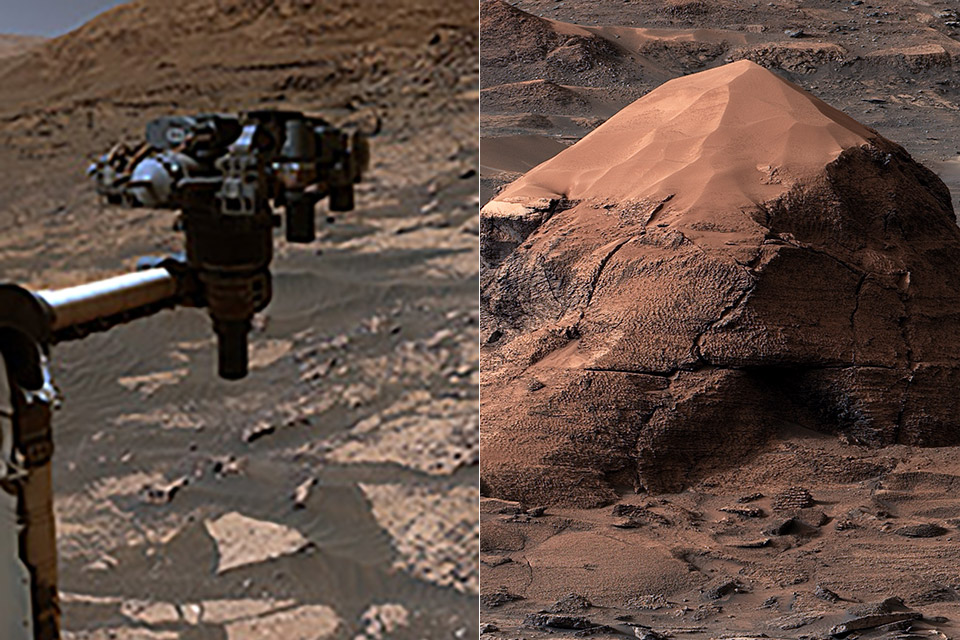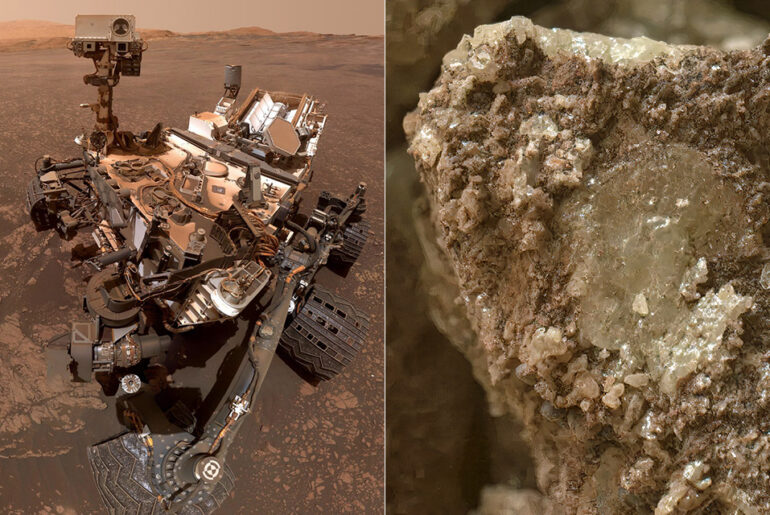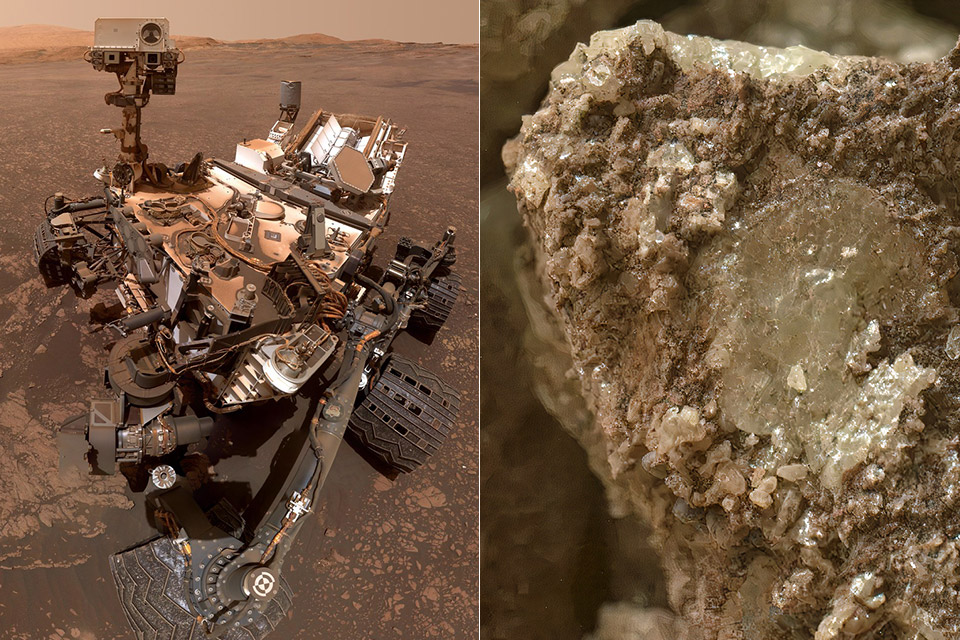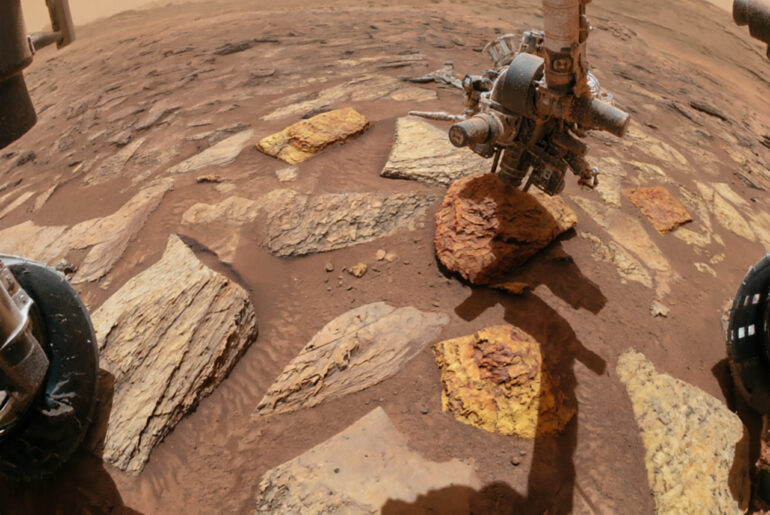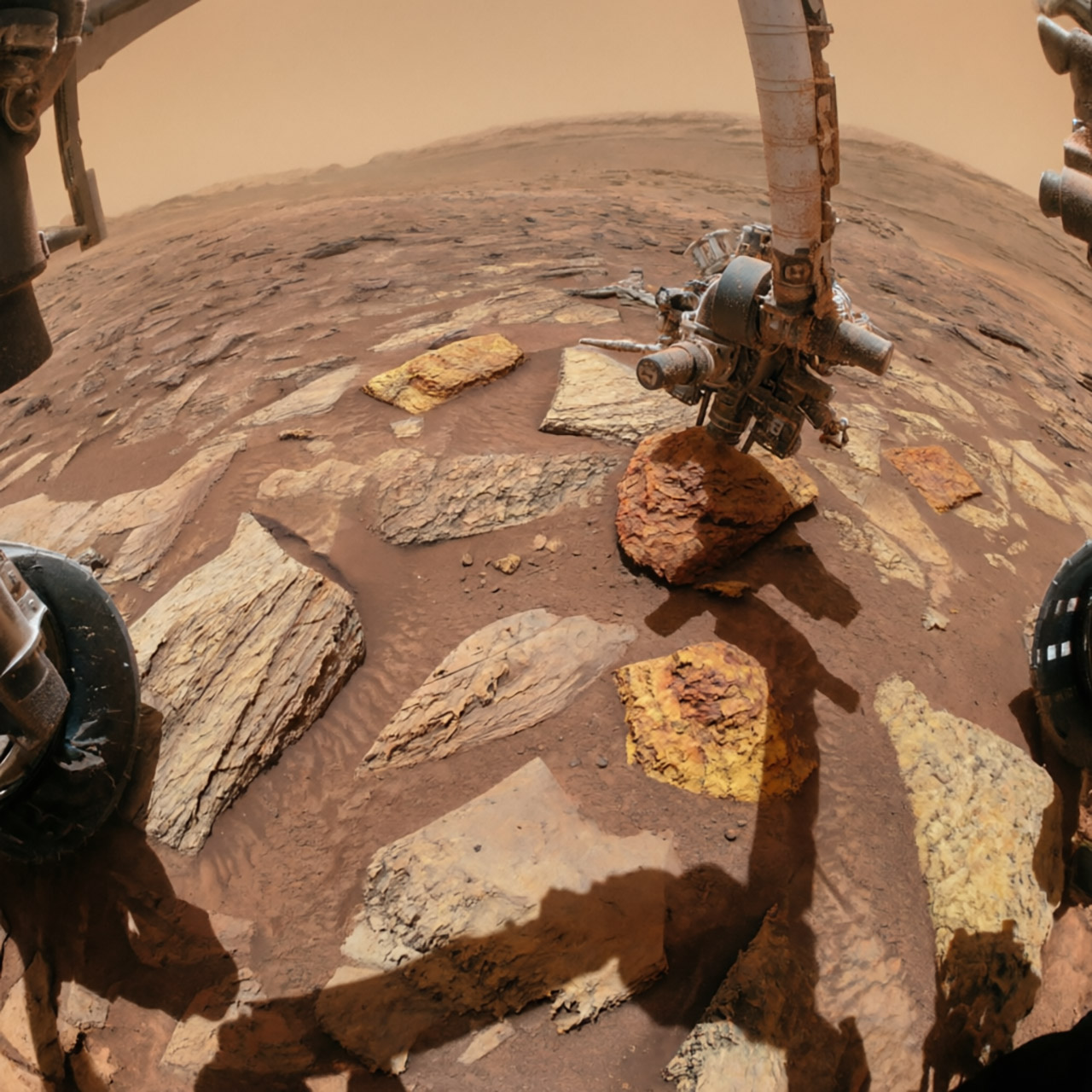
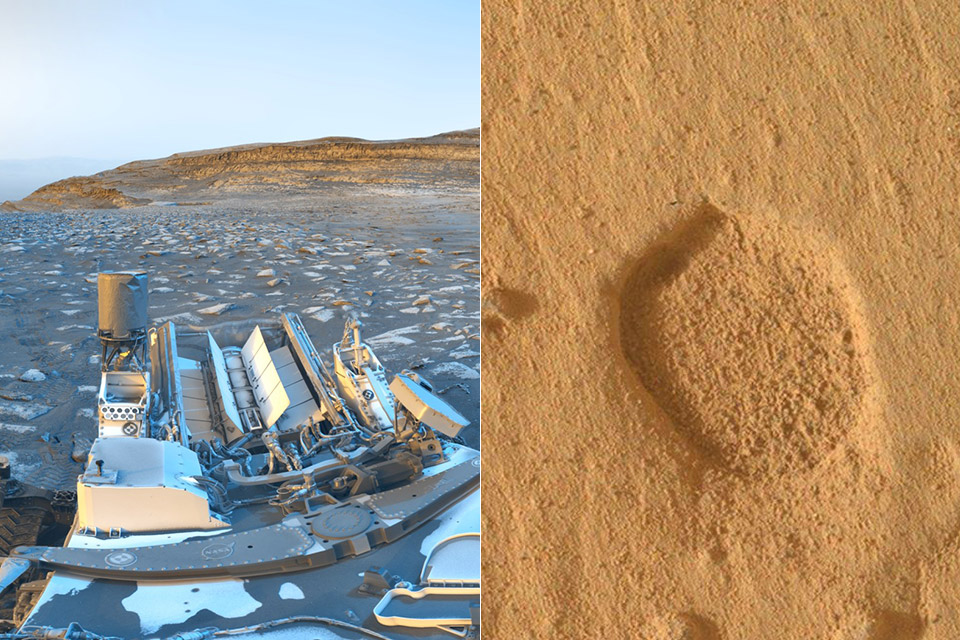
One of Mars’ most perplexing geological mysteries, formations that like enormous spiderwebs spread out across the landscape, can now be seen up close in the most recent set of photos taken by NASA’s Curiosity rover. It has been traveling through an interesting section of Mount Sharp inside Gale Crater for the past six months. It’s made up of low, intersecting ridges that are about three to six feet high, with sandy depressions scooped out between them.

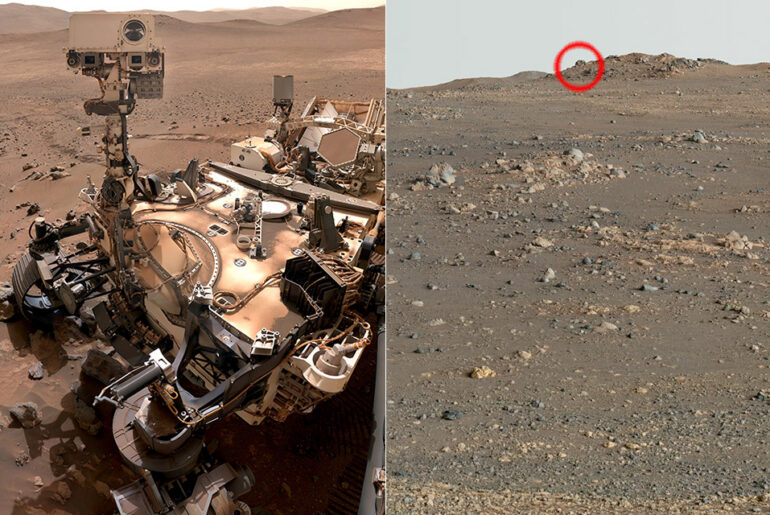
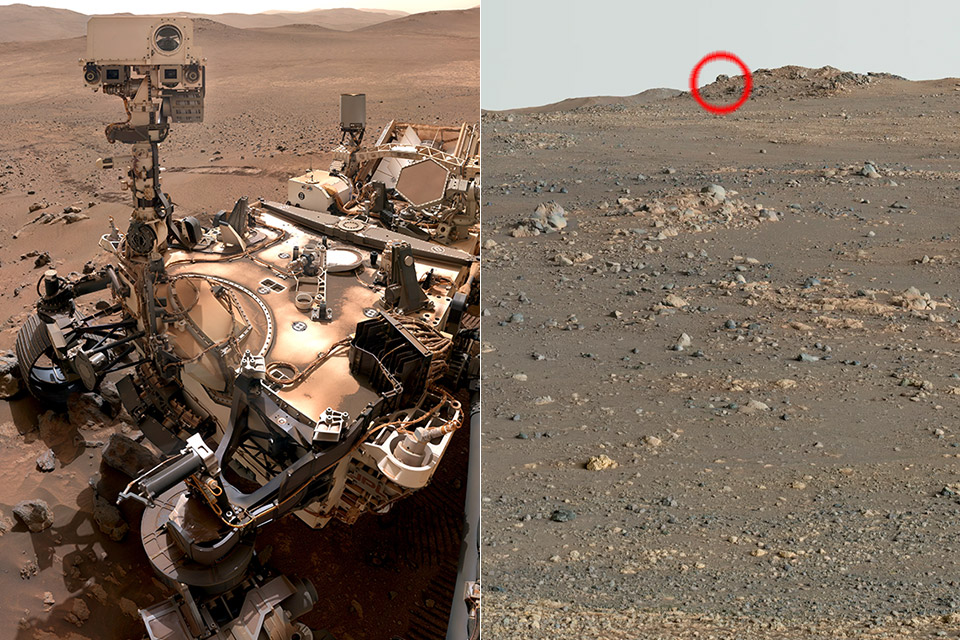
NASA’s Perseverance rover has just reached a small but significant milestone on Mars. After five years of carefully traveling about the bottom of Jezero Crater, the rover now knows exactly where it is without having to rely on a crew on Earth. A new system called Mars Global Localization has made the task possible in less than two minutes, with accuracy to within ten inches.

NASA’s Perseverance rover rolled across the rim of Jezero Crater for 700 feet on December 8, 2025, and another 800 feet a few days later, but these were no ordinary journeys. In fact, this was the first time on another planet that artificial intelligence handled route planning on its own, selecting safe courses without the assistance of human specialists on Earth.

NASA’s Curiosity rover has been trudging about in the Martian sand for over a decade now, transmitting an endless flood of information in the bright Martian sunlight. However, on December 6, 2025, or Sol 4740 of its mission, a significant event in Curiosity’s long mission history took place when engineers used its lights to take a series of photos.

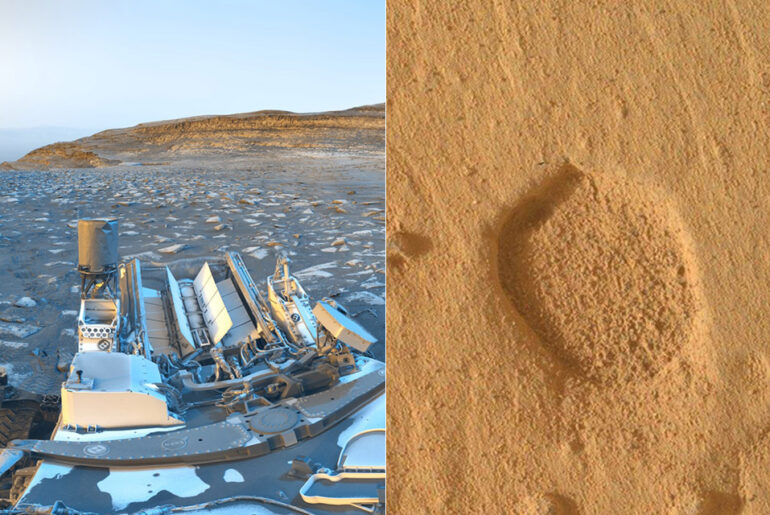
NASA’s Curiosity rover continues to beam back views from Mars that stop people in their tracks cold. Just before the new year, the NASA team released a new panoramic image taken by the rover. It’s essentially a holiday postcard, or a composite of photos taken by the rover itself, blending scenes from morning and late afternoon on the same spot.

NASA’s Curiosity has been progressively removing layers of Mars’ ancient past from deep within Gale Crater. After over 13 years on the surface, the rover returned to a familiar location known as the Monte Grande boxwork hollow in December 2025. Scientists were eager to have a closer look at the ridges and depressions in this area, so they devised a meticulous plan. As they were wrapping up a weekend excursion, the rover came across something extraordinary.

Nearly two decades ago, NASA’s Mars Reconnaissance Orbiter (MRO) launched from Earth and began its long and winding journey to the Red Planet. Since landing in orbit over Mars in 2006, this spacecraft has quietly turned the way astronomers understand another planet on its head. On October 7, 2025, one of the instruments on board, the High Resolution Imaging Science Experiment camera, or HiRISE for short, captured its 100,000th photo.

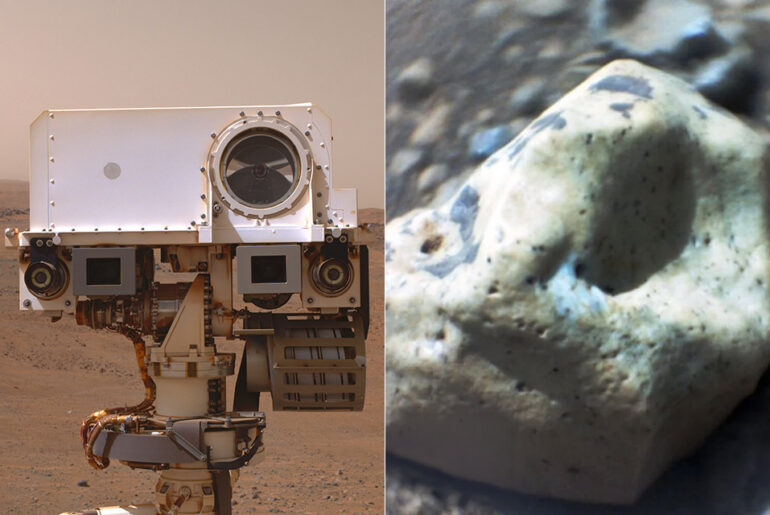
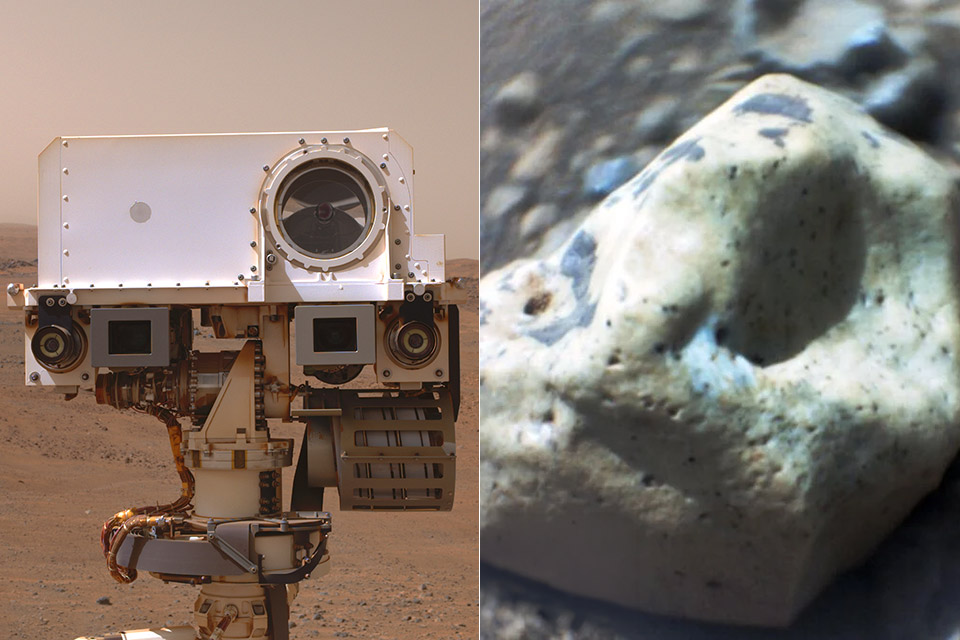
For five years, NASA’s Perseverance Mars rover has been kicking up red dust around Jezero Crater, cataloging everything from ancient riverbeds to those weird polka-dotted rocks you see everywhere. But during a routine checkup last month, the six-wheeled rover found something that didn’t belong. A single boulder called Phippsaksla poked out of the cracked bedrock like an unwanted guest at a family reunion. This 31-inch wide rock caught the rover’s cameras with its sharp edges and pockmarked surface, implying it came from farther away from those rusty Martian plains than you’d think.

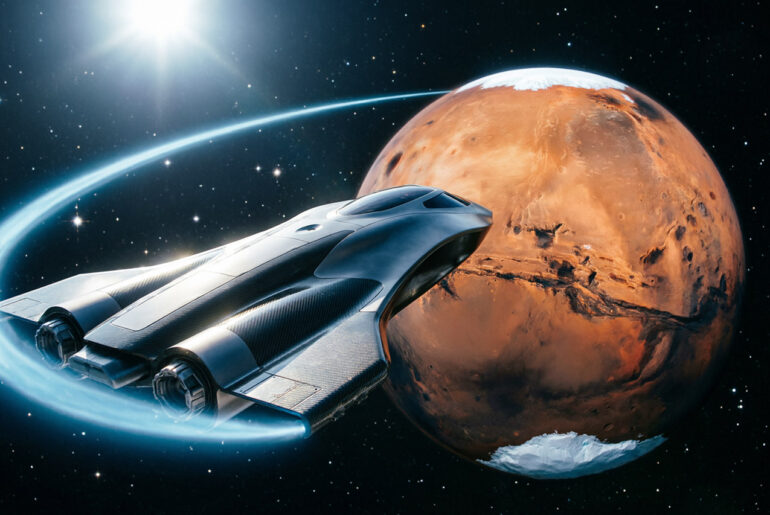
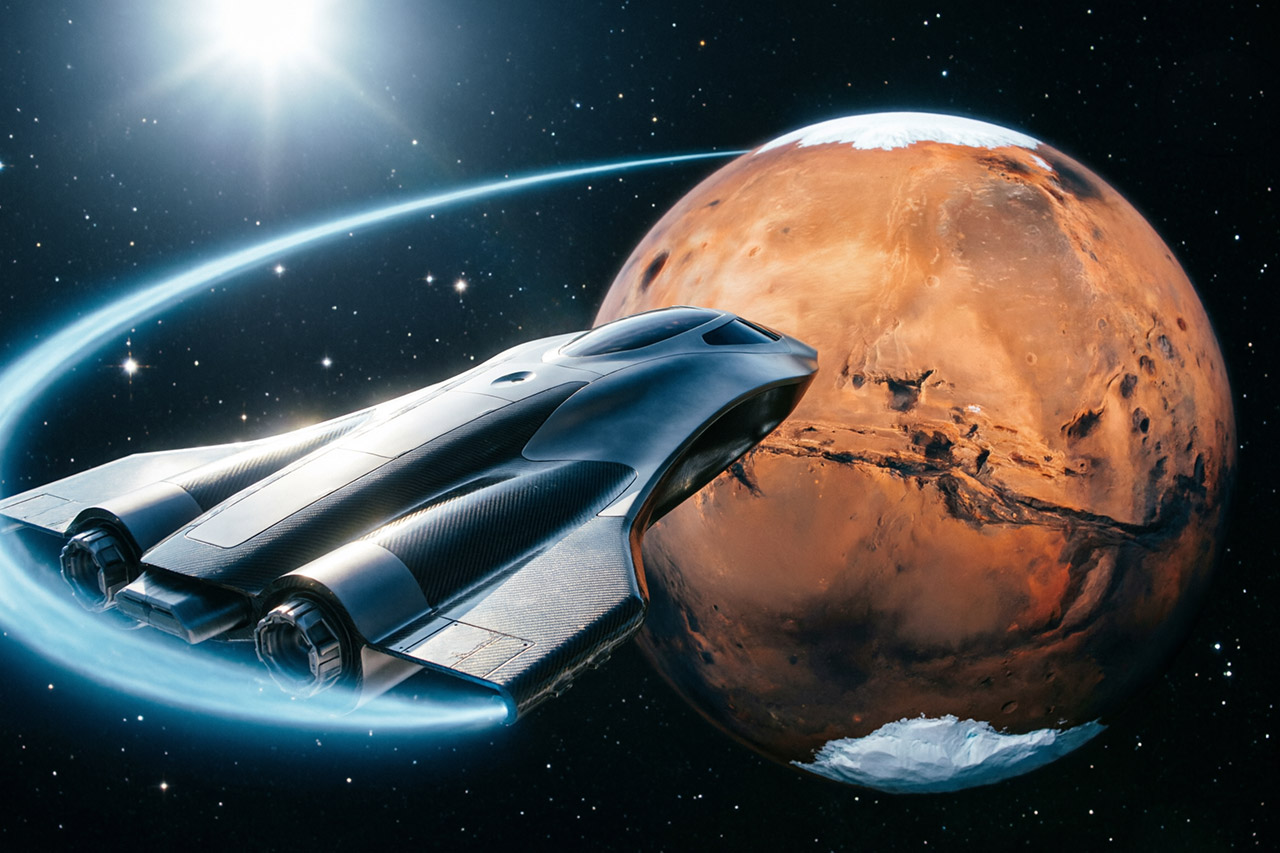
Space travel has always been a long haul since chemical rockets, the space age’s workhorses, guzzle fuel and plod through the universe, making a trip to Mars a year long slog. But a team at Ohio State University is breaking the rules with a new concept: a nuclear powered rocket that could cut the travel time in half. Their Centrifugal Nuclear Thermal Rocket, or CNTR, replaces solid fuel rods with liquid uranium, and that’s a big increase in efficiency that makes Mars feel like a weekend getaway.

In July 2024, NASA’s Perseverance rover drilled into a reddish arrowhead shaped rock in Jezero Crater on Mars, which was once a big lake. Cheyava Falls, named after a Grand Canyon waterfall, has everyone in a tizzy. Its surface is covered in what the scientists call “leopard spots” and “poppy seeds” and might just have ancient microbial life hidden inside.