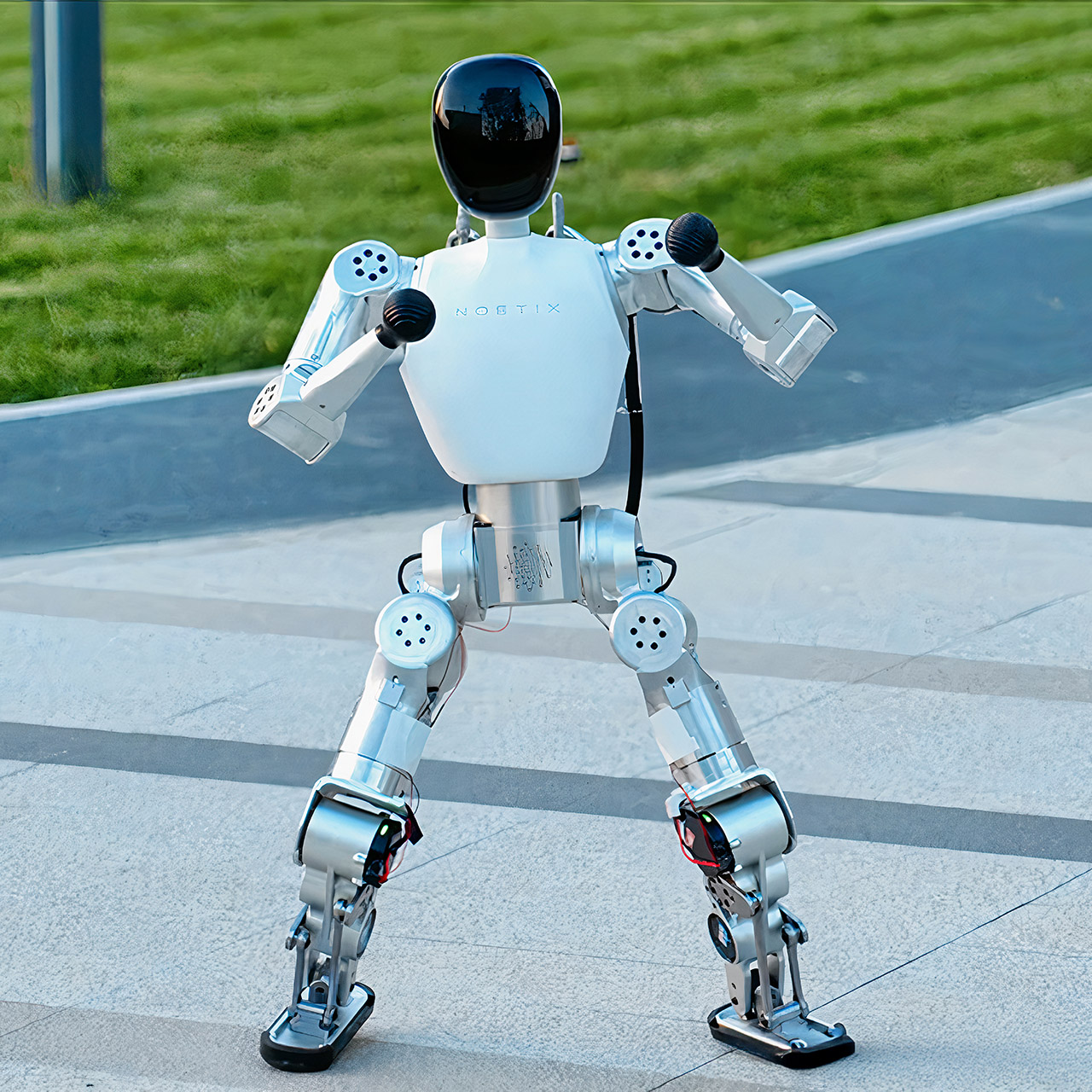
For more than two years, Beijing-based Noetix Robotics has been developing human-like walking robots, and they have now priced one cheap enough to fit into ordinary life. Bumi is three feet tall, weighs as much as a medium suitcase, and costs less than an old high-end laptop from a few years back. At $1,400, this little gadget walks, dances, and responds to directions while powered by a battery that lasts around an hour or two.
Preorders will begin soon, in preparation for China’s massive Double 11 November shopping push. That means families, teachers, and tinkerers may have one by the holidays. Noetix describes it as the first humanoid priced under 10,000 yuan that anyone can own, not just labs or companies. In videos, Bumi walks around the floor with steady steps, rotating its hips to the beat and pausing to study the room with its camera eyes.

- LEGO SET FOR ADULTS – The WALL-E and EVE (43279) building set offers adults 18 years old and up an immersive construction challenge featuring...
- 4 DISNEY PIXAR CHARACTERS – Builders can create iconic robots WALL-E, EVE, M-O and Hal from the hit movie—each with authentic functionality like...
- MINDFUL BUILDING EXPERIENCE – This detailed construction set lets builders practice advanced construction techniques for an immersive and relaxing...
Noetix engineers drew on their education at Tsinghua and Zhejiang to cram 21 joints into Bumi’s body. Arms bend at the elbows, legs flex at the knees, and the body swivels slightly to turn and wave. A camera in front detects objects and faces, while microphones capture spoken words and convert them into actions. When you tell it to get a toy, it may shuffle over if the road is clear. The entire setup runs on a 48-volt battery, which provides enough fuel for a brief play session before plugging in. The materials keep the weight down to 12 kilograms, allowing a child to lift it without exertion.
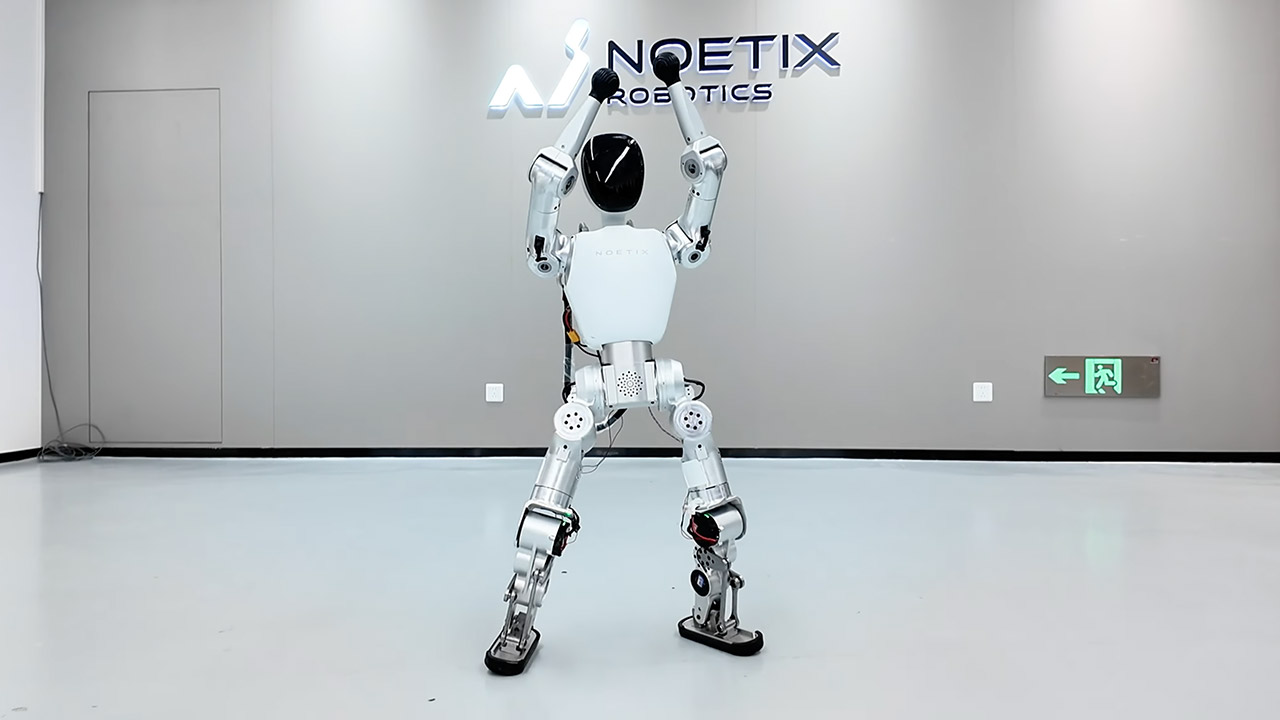
Programming is simple for new users since they can simply drag and drop blocks on a screen to create a sequence of activities, such as establishing a loop of steps or setting up a reaction to a spoken command. Noetix designed this for classroom use, where students may script simple chores, or for daily use at home, where it can converse with you over dinner. The voice responses are still somewhat simple, consisting of simply repeating facts or catchphrases.
China’s robot industry is currently moving at breakneck speed, and it is beginning to outpace certain Western enterprises. Unitree just released a new model that is somewhat taller and has more joints, all for around double the price of Bumi. UBTECH demonstrated a new school robot that is somewhat larger than Bumi and has a comparable price tag. Meanwhile, some of the larger Western competitors, such as Tesla, are developing prototypes capable of doing a variety of tasks, such as lifting boxes, but at a cost at least five times that of Bumi.
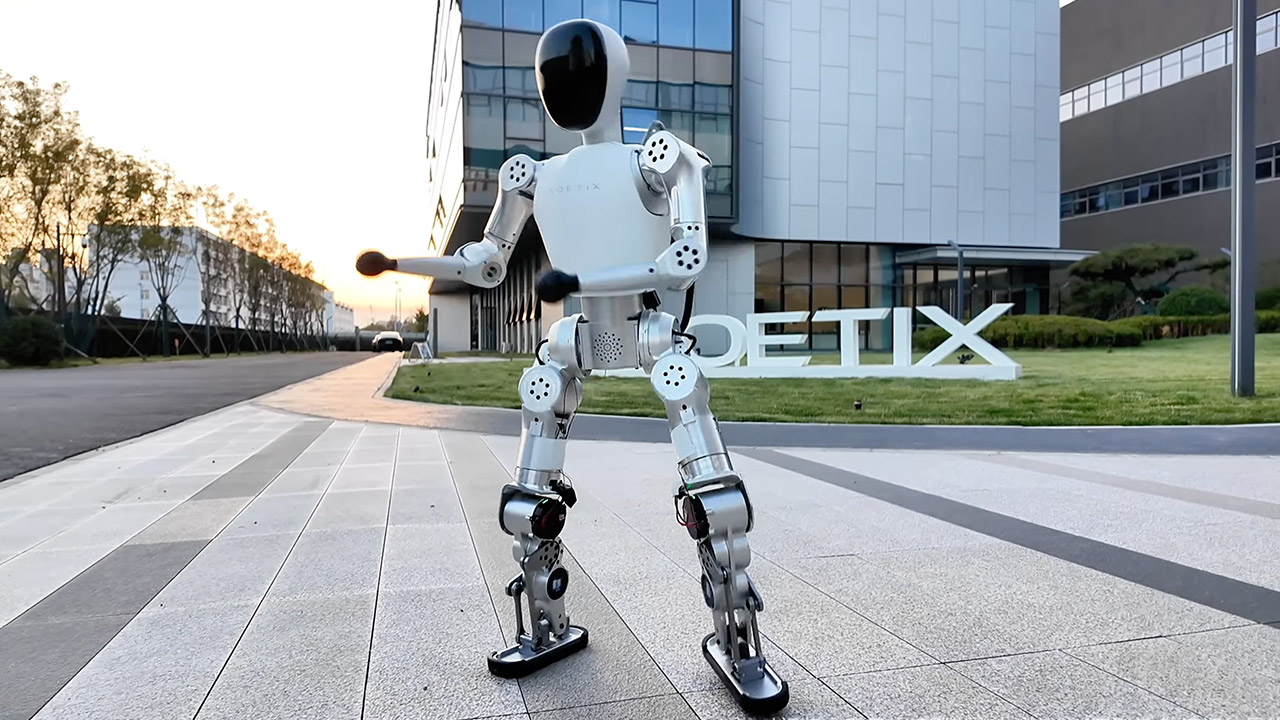
When it comes to durability, the details are important, but Noetix has been tight-lipped so far. The joints seal against dust, but only time will tell how well they withstand regular knocks and bumps from curious children and clumsy adults. If necessary, the battery may be easily replaced, and future software updates promise changes and enhancements. However, some questions remain, such as how well it will manage spills. Or the stairs? (Home flooring can be rather different, and Bumi’s relatively short legs may make climbing staircases difficult.) Still, the modular design allows you to simply switch out broken sections, similar to changing a tire. And if you want to get creative, you might be able to locate online groups where people share code for new dances or classes, similar to how drone pilots swap information nowadays.
Bumi’s possible applications are minor at first, but they mount up quickly. In the classroom, it’s an excellent approach to demonstrate some fundamental physics concepts, such as setting up a wobbly gait and allowing students to change the code until it’s just perfect. At home, there’s a patient tutor who repeats math problems until they stick. If you’re more experienced, you could certainly set up some sensors for obstacle avoidance or connect it to smart lights to create voice-controlled patterns. Noetix sees Bumi as a starting point for larger versions that can lift more or last longer. For the time being, however, Bumi is opening the door to experiments that would have previously required a lot more in terms of grants and garage space.