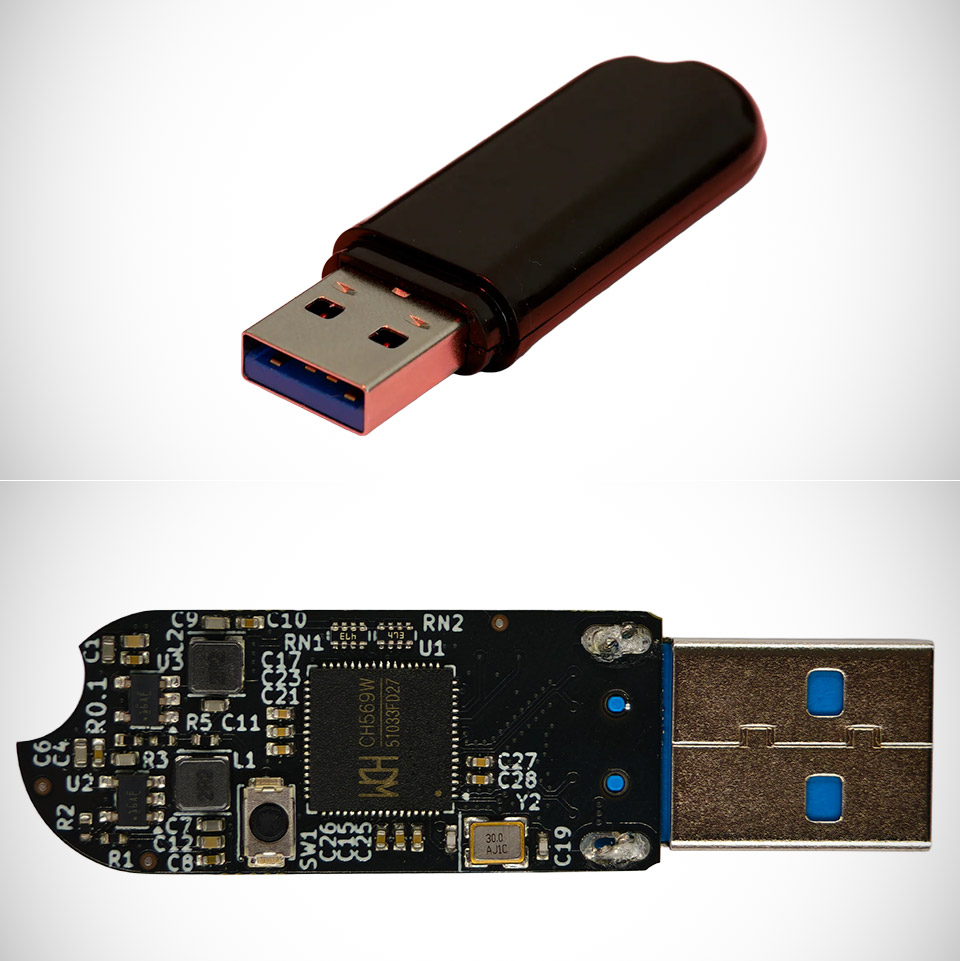
Most encrypted USB drives announce themselves the moment they connect. The operating system sees scrambled data or an unusual volume that immediately suggests something valuable sits behind a lock. Phantom Drive takes a different approach. Ryan Walker of Rootkit Labs built an open-source flash drive that presents itself as an ordinary 8 GB stick. Disk utilities show no extra space, no encrypted headers, and the remaining capacity is completely hidden unless a specific procedure is taken to unlock it.
Plug the device into any computer and it mounts like a plain, unencrypted drive. You can store everyday files on that 8 GB public area without issue. The firmware watches every write that arrives over USB. When it spots the string “password:” followed by a passphrase in any text file, it extracts the password into memory, wipes the string from the data about to be written so the secret never lands on the card, derives an encryption key, then unmounts the public volume and remounts the remaining space as a new drive. All reads and writes to that second area now pass through AES-256 encryption handled by the hardware itself.

- XTS-AES 256-bit hardware-encryption
- FIPS 197 certified
- Multi-Password (Admin and User) option with complex/passphrase modes
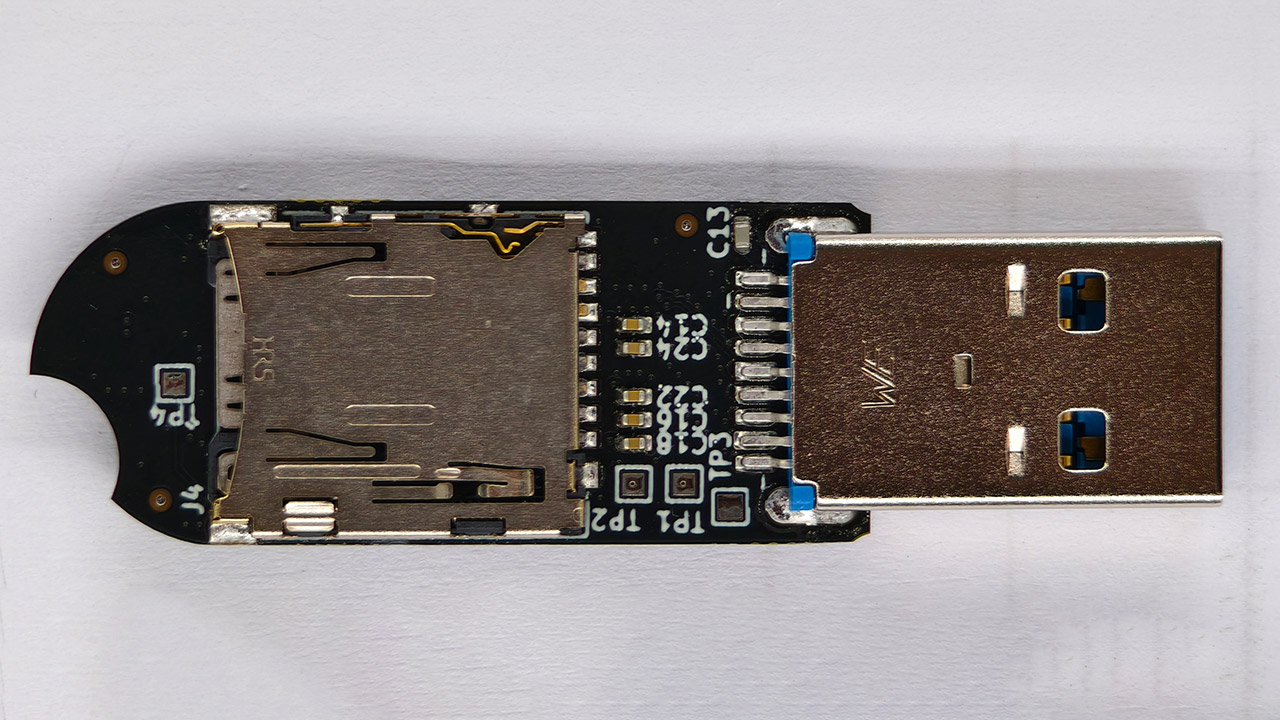
The WCH CH569W, a small RISC-V microcontroller with all the bells and whistles, including a USB interface, SD card controller, and a serious piece of encryption cracking hardware known as an AES acceleration block, is at the core of this whole operation. The storage is provided by a microSD card that you purchase yourself, with the public 8 GB located at the beginning of the card, since the remainder of the card is treated as the secure region once unlocked. The specific salt used in encryption is associated with a unique identification on each board, thus an SD card removed from one Phantom drive will not open in another. Even if you take the card out and insert it into another device, the data will remain scrambled and unusable until you enter the correct password and salt.
Key generation is based on a piece of code called PBKDF2-HMAC-SHA256; you may pick between 100 thousand and 600 thousand iterations, with the lesser setting unlocking you in about 30 seconds and the higher setting delaying it by a few minutes but making it more difficult to guess offline. In terms of encryption mode, you can pick between AES-CTR and AES-XTS, with AES mode providing roughly 20mb/s read and 9mb/s write speeds, while XTS mode is slower. Upgrading the firmware is simple; simply hold down a button while plugging in the drive, and the USB bootloader on the chip will handle the rest.
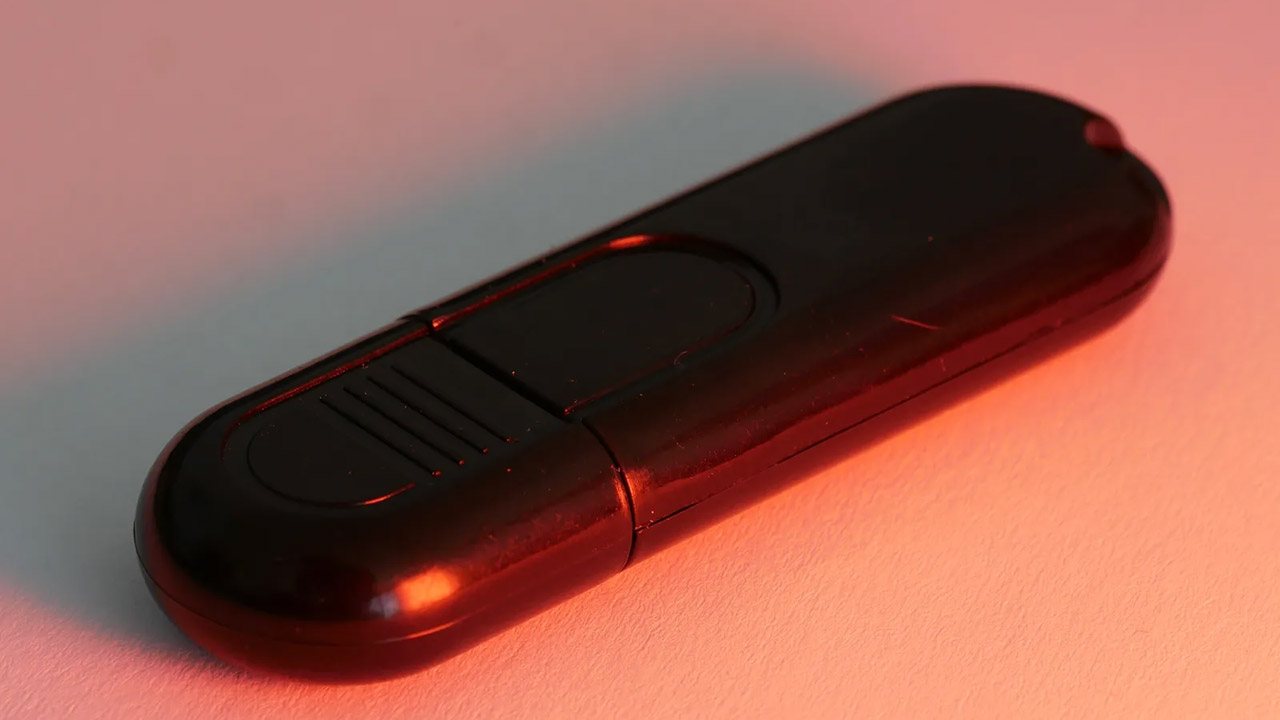
Everything about this is open source, which means the schematics, board files, firmware source, and even the mechanical designs for the box are all available on GitHub under an MIT license. Walker has already built a limited batch of them, and you can get one from the rootkit labs shop if you don’t mind buying your own microSD card. If you wish to seal the box for extra security, you can use epoxy. However, if you seal it and then try to open it again, you will break the case, but the data on the card will remain safe.
[Source]