Photo credit: NASA/JPL-Caltech
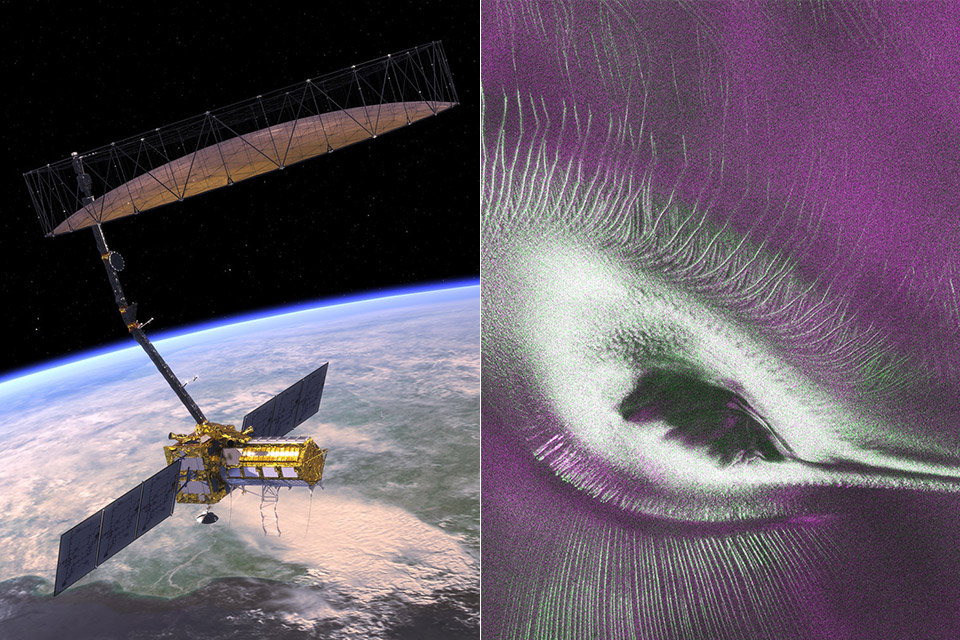
Radar signals from the joint US-India NISAR satellite have mapped a mountaintop in East Antarctica that forms a clear hummingbird shape once the data is processed into color. Scientists at the mission nicknamed the result “the hummingbird” almost as soon as the image appeared.
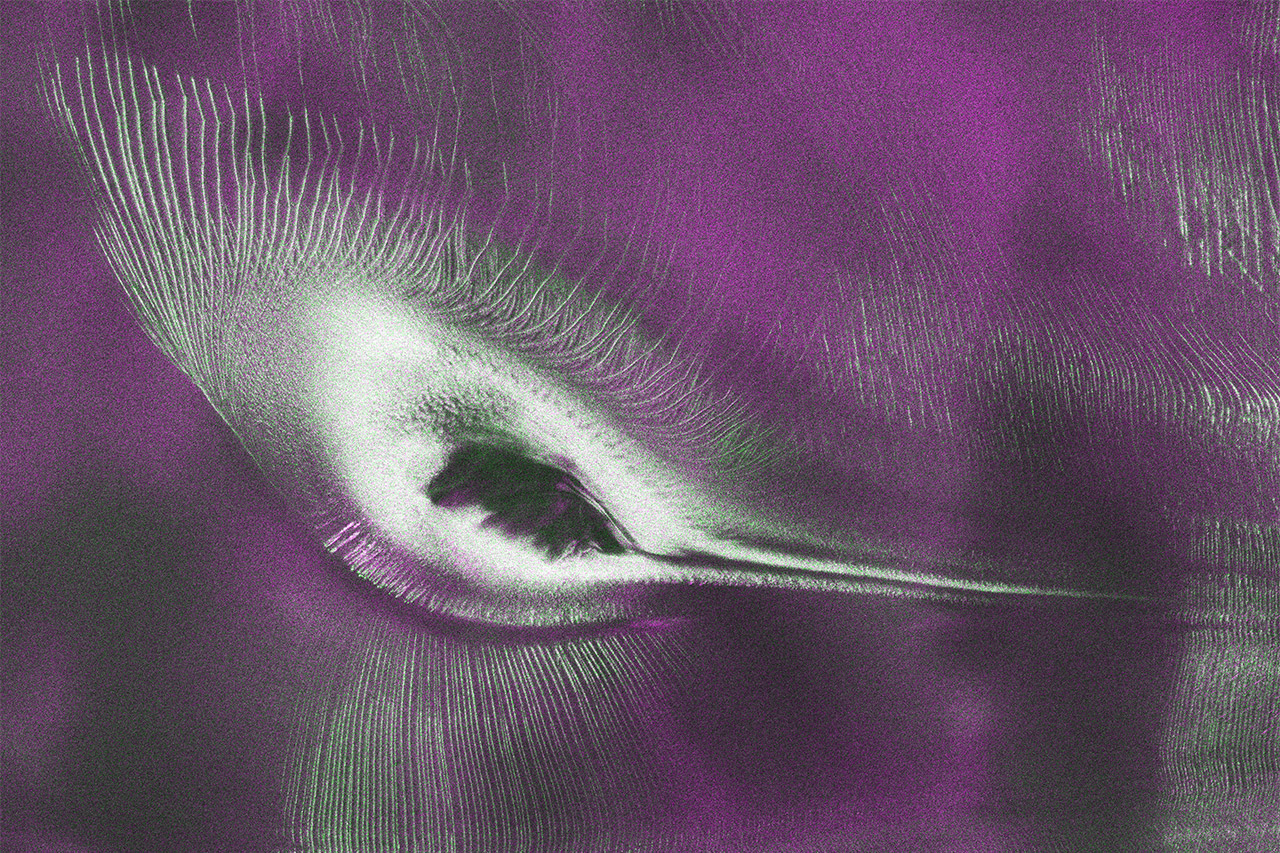
Nunatak Zaterjavshijsja is a granite mountain in East Antarctica’s Prince Charles Mountains that rises from the surrounding ice sheet approximately 40 kilometers southwest of Mount Newton. A glacier lumbers past this impediment on its journey northeast to the ocean. The force of the mountain causes the ice to strain and bend, eventually forming deep cracks in the surface known as crevasses.
Sale

LEGO Art The Milky Way Galaxy Building Set - Space Decor DIY Kits for Adults for Bedroom wall, Ages...
- Milky Way wall art décor – Create a large Milky Way Galaxy piece of art with this LEGO building kit for adults
- LEGO 3D-effect wall décor – A Milky Way Galaxy artwork created from 3,091 layered LEGO bricks and pieces to produce a 3D effect with depth and...
- Packed with features – Wall art includes some of the Milky Way’s most famous stars, clusters and other spectacles, including Trappist-1, The...
NISAR’s L-band radar collected observations in August 2025, when the satellite was still being tested. It operates by transmitting microwaves towards the surface, which have horizontal polarization, and recording what comes back. Surfaces that bounce the signal back with the same direction as it was sent appear in magenta, which is the smoothest type of ice. Anything that returns with a changed polarization of the signal or scatters after entering the ice registers as green. These greens distinguish the faces of crevasses and other irregular structures. Where both types of signals come back strongly, you get white.
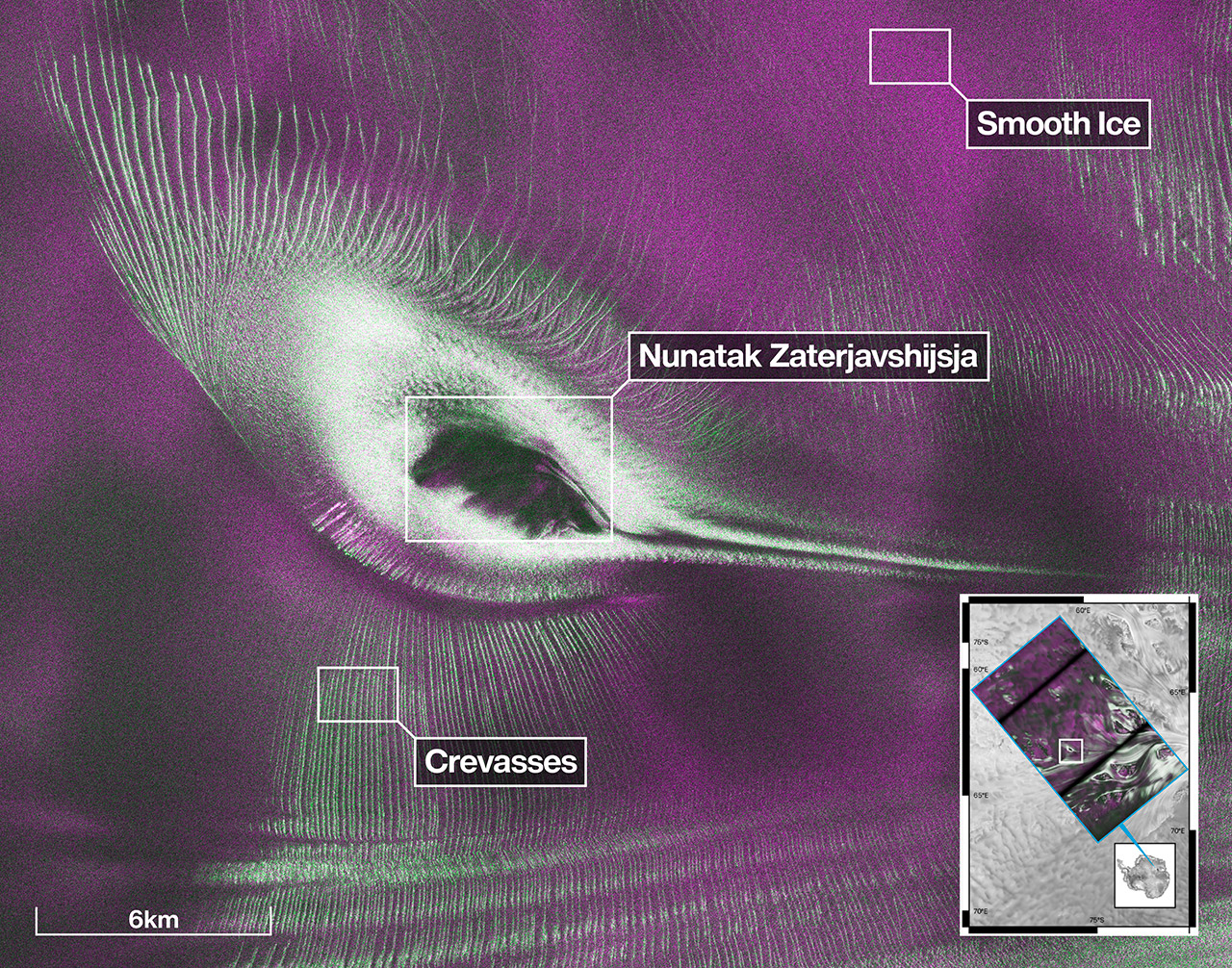
When the finished image is viewed, the peak forms a bright, oval center with a darker section smack in the middle, similar to an eye. Fine green lines radiate from the top and bottom of the core in patterns resembling feathers or wings. A long thin green chunk extends away from the oval, giving it a pointed beak appearance. The ice stream that continues to go northeast becomes the tail of the whole thing. Magenta fields surround the smoother areas of the fractured zone, while the deepest cracks light the brightest green.
Seongsu Jeong, a signal analysis engineer at NASA’s Jet Propulsion Lab who produced the image, explained that the radar can look past the snow and into the ice, revealing features that optical sensors cannot detect. A Landsat 9 image of the same region obtained in November 2025 is almost entirely white, with just weak traces of a mountain existing.
NISAR is equipped with both L-band and S-band radars, as well as a 12 meter mesh reflector, the largest radar antenna ever flown by the US. Every 12 days, the satellite covers nearly the entire surface of the Earth, including land and ice. The mission’s processed L-band data was made available to the public on July 20, 2026, only a few days before the first anniversary of its launch from India’s Satish Dhawan Space Center on July 30, 2025.
The beak shape was a complete coincidence, but the detail behind it is extremely valuable. The green fracture lines indicate exactly where the glacier is under stress and how the ice moves around the nunatak. Scientists may use this knowledge to investigate how glaciers move, the dynamics of ice sheets, and how Antarctic ice responds to impediments well inland from the shore. The same radar approach that transformed a single peak into a bird shape is already demonstrating the ability to provide repeated, all-weather data required to track these changes over time.
[Source]