Researchers at Texas A&M University have shaped a soft gel that keeps common hydrated salts from leaking so a building can soak up daytime warmth and let it out again after the sun sets. Salt hydrates already hold a large amount of heat for their size because they change from solid crystals to liquid and back again, absorbing energy during the melt and giving it back during the freeze.
Materials such as calcium chloride hexahydrate, a byproduct of your average chemical plant, can pack nearly double the heat of paraffin wax into the same space while remaining fireproof. On their own, however, these salts dissolve into a sloppy mass that splits into layers and remains liquid even as the temperature drops. While they are excellent at storing heat, they become unreliable as the temperature fluctuates during the day.

- OVER 100 EXCITING EXPERIMENTS - The science experiments in this kit let kids explore the wonders of hands-on science experiments. They'll make...
- EVERYTHING KIDS NEED - This kit includes all materials needed to conduct 15 stunning chemistry experiments, including growing a crystal tree, changing...
- 85 BONUS EXPERIMENTS - Because we know your kids will want to conduct even more science experiments once they get going, we include a bonus experiment...
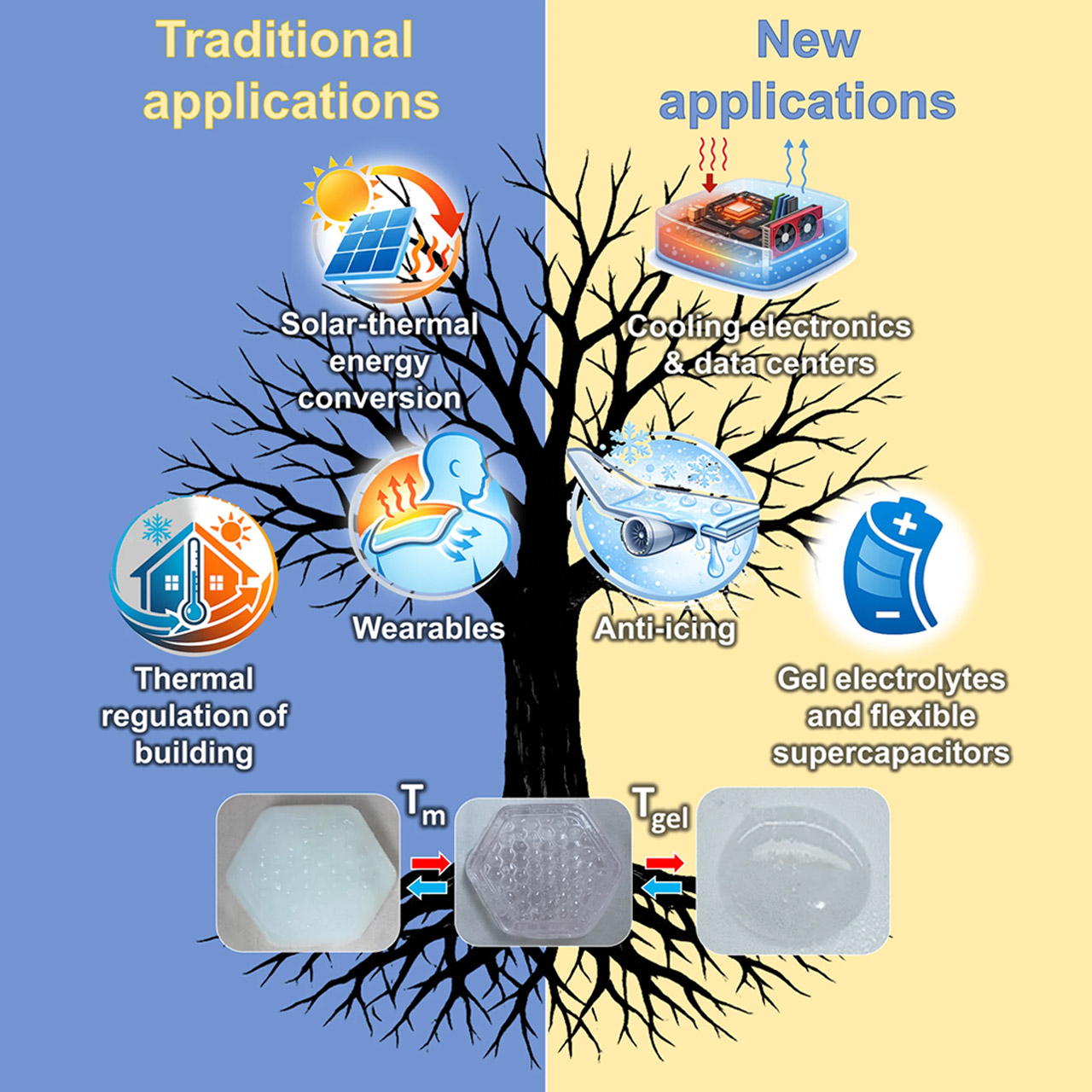
Then some researchers arrived and wove a thin net of polymer around the salts. The polymer is only a few percent polyvinyl alcohol or polyacrylamide, which are joined by unique bonds that may be broken and remade to form a soft cage around the salt. This protects it from dripping away while still allowing the salt to crystallize and dissolve. Early versions of this substance can keep up to 80 to 95 percent of the pure salt’s heating characteristics, and some of the new hybrid gels can even hold onto more than 90 percent of the heat after hundreds of melting and freezing cycles. The best aspect is that this reversible link allows the entire thing to become soft and flexible when heated, and then stiffen back up when cooled.

Tests have already demonstrated how valuable this can be in real life. Imagine having sodium acetate trihydrate gel injected into your home’s floor pipes, allowing you to turn on the heat whenever you chose. Coatings formed from this material on your walls can absorb heat during the day and release it at nite, making your home a little more comfortable. A window layer that becomes clear during the day and cloudy at nite would be ideal for keeping your home warm without wasting so much energy on heating and air conditioning. Heating and cooling in buildings currently consumes a significant portion of the electrical budget. So a passive layer that just rode the ups and downs of day-night temperature variations may save a significant amount of wear and tear on mechanical devices.
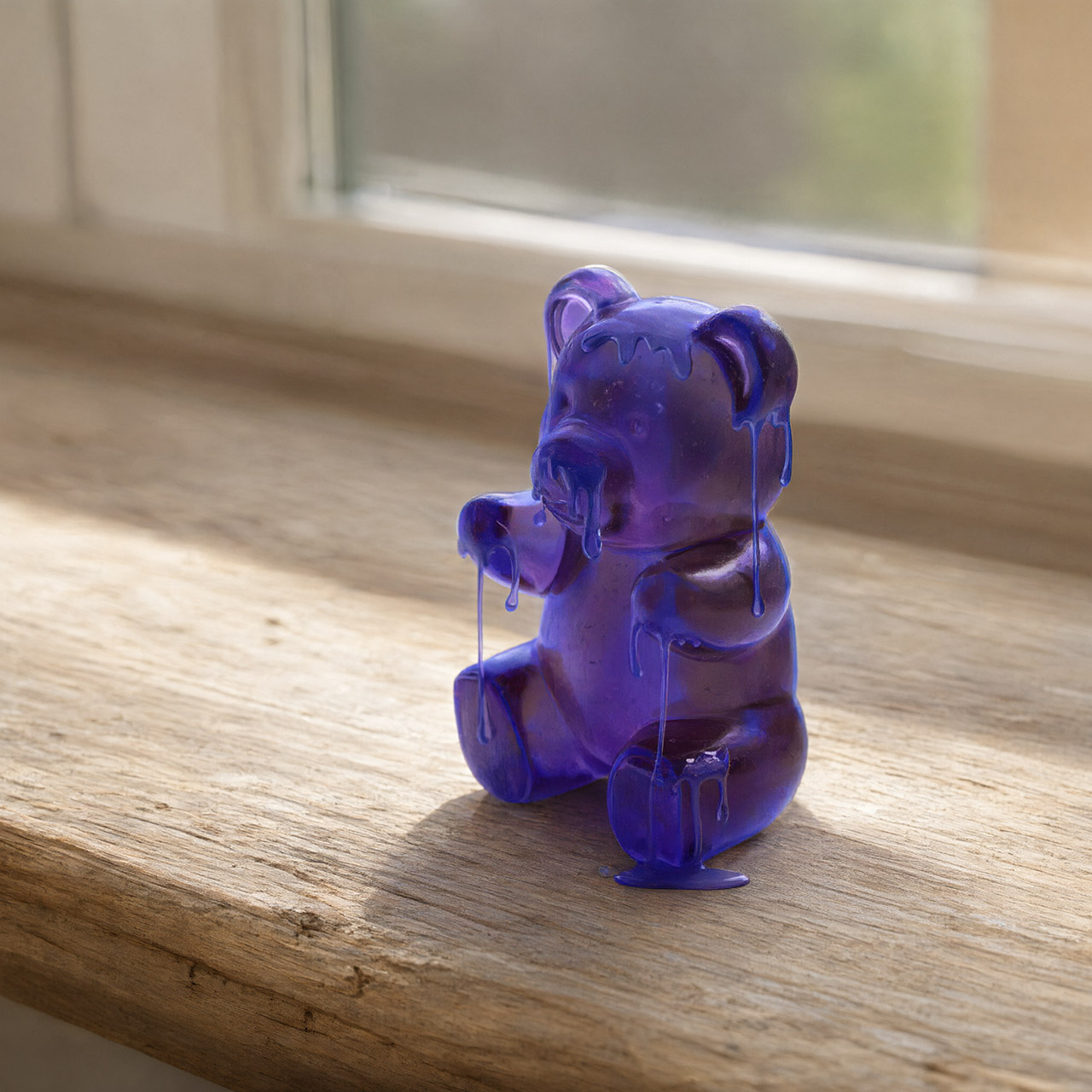
Dr. Svetlana Sukhishvili and her colleague Kartik Kumar Rajagopalan are spearheading the charge on this research at the university’s Soft Matter Facility. It just so happened that the sample they were using resembled a gummy bear, despite the genuine one was not edible. That one wound up on the cover of the journal that covered their most recent perspective. In that paper, they discussed how this new gel is not only good at storing heat, but can also keep your battery pack stable or prevent ice from forming on your car, and they outlined some next steps, such as computer-aided matching of the right polymers to the right salts and 3D printing of the panels.
However, there are still some significant challenges to overcome. The balance between firmness and heat storage is difficult to strike, and some salts are simply tenacious when it comes to crystallization. Of course, there is the issue of how to preserve this material from the elements, how well it will hold up in real-world walls, and how to scale it up to make it inexpensive and simple to use. While all of that is still being worked out, the basic idea is simple: with a small amount of polymer, you can transform a cheap, non-flammable salt into a material that will happily sit in your floors, walls, or windows and quietly and efficiently transmit the heat from day to night for you.
[Source]