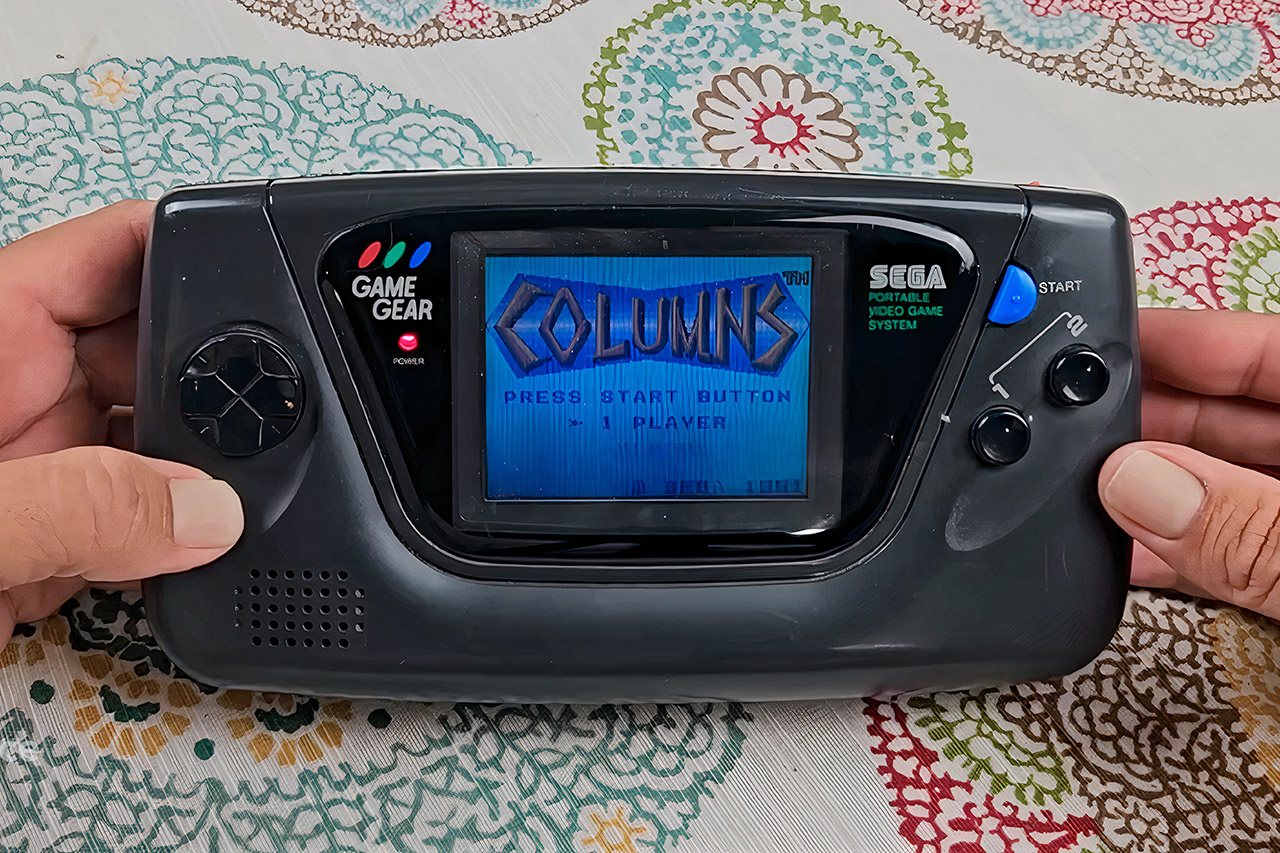
SEGA shipped its first handheld in Japan on October 6, 1990, priced at ¥19,800 ($320 today) and built under the internal name Project Mercury. Hayao Nakayama had pushed the company to answer the Game Boy, which Nintendo had put on shelves the year before. Engineers reused the Master System’s Zilog Z80 running at about 3.5 MHz and the same Texas Instruments sound chip, then widened the color palette from 64 shades to 4,096. A 3.2-inch backlit screen, 160 by 144 pixels and able to show 32 colors at once, sat between grips shaped like a shrunken Genesis pad. Six AA batteries fed a cold-cathode fluorescent lamp behind the glass. Playtime landed between three and five hours. A Game Boy on four AAs could run past thirty.
Japan moved approximately 40,000 units in the first two days. Within a month, however, back orders skyrocketed, topping 600,000 or more. Columns shipped in a box, exactly like Tetris did for Nintendo, indicating that they had a real winner on their hands. Super Monaco GP and Pengo completed the early lineup. North America and Europe followed in April 1991, with tests in New York and Los Angeles on the 11th and a wider release on the 26th. In the United States, it was priced at $149.99, while in the United Kingdom, it was priced at £99.99. In Australia, it was released in 1992. The idea of SEGA of America CEO Michael Katz, Isao Okawa, and David Rosen, the man who gave the go-ahead.
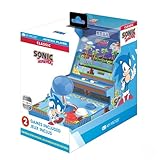
- 🕹️ Officially Licensed: This is an officially licensed SEGA Game Console, ensuring an authentic gaming experience. High resolution 3.5” full...
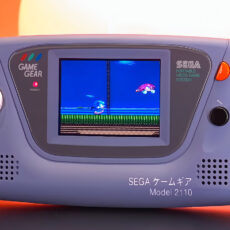
- 🎯 Games Included: Includes Sonic the Hedgehog and Sonic the Hedgehog 2. Capable of traveling at the speed of sound, Sonic is known for his speed...
- 🕹️ Iconic Characters: A true hero, he calls upon his skills to save the world from Dr. Eggman. Sonic has a big heart and is always ready to help...
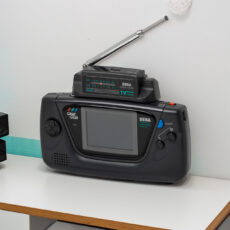
There was a legitimate reason this device existed; after all, it was similar to the Master System. Developers were already familiar with the chipset from that system, thus porting went quickly. There was even a Master Gear Converter that allowed you to use full-size Master System cartridges with the smaller screen. In Britain, TV tuners appeared for around £75, transforming it into a pocket TV complete with a goofy tiny whip antenna. Super Wide Gear provided a better view of the action on the panel, automobile adapters pulled power from the lighter, and a Gear-to-Gear connection connected two units to play Columns, Puyo Puyo, and several of the fighters. Later, rechargeable packs appeared, as people began to count how many AA batteries they would need for road trips.
By March 1996, they had sold a remarkable 10.62 million units, with Japan accounting for 1.78 million of those. Later calculations brought the lifetime amount closer to 11 million. That surpassed the Atari Lynx and the NEC TurboExpress, both of which were color handhelds with similar battery issues, and made the Game Gear the best-selling non-Nintendo portable for the majority of the decade, although it never came close to the Game Boy, which sold about ten times as many. In Britain, the market share increased from 16% in January 1992 to 40% by the end of the year. In 1991 alone, Europe sold 520,000 copies, with the UK accounting for 130,000 of those sales. Unfortunately for the Game Gear, once Sega began throwing money at Genesis add-ons (32X and Saturn), sales began to fall down.
Between 1990 and 1997, 300 to 364 games were released in stores, depending on who you ask about regional variations. For example, six Sonic titles were released for the system. Sonic the Hedgehog 2 became the best-seller, with an estimated 400,000 copies sold. The GG (Game Gear) Shinobi, Defenders of Oasis, Crystal Warriors, and Ax Battler remained exclusive, however. Disney joined in with Castle of Illusion and Land of Illusion, which was nice to see. Streets of Rage, Ecco the Dolphin, and Wonder Boy III were ported down to size. To be honest, third-party assistance was limited. Because Nintendo’s licensing regulations kept most of those companies satisfied with the Game Boy, the Game Gear library remained smaller and more SEGA, if you will.
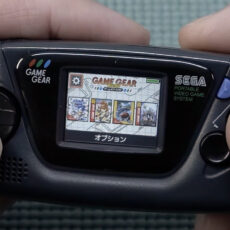
SEGA discontinued Game Gear support in Japan in 1996, and the company ceased production entirely on April 30, 1997. Majesco managed to bring a budget version of the handheld back to North America around the beginning of the millennium for $30, with games starting at $15, and it remained on shelves until perhaps 2001 or 2002. However, such low-cost machines only played obsolete cartridges and could not use the TV tuner, while a few Master System adapters simply did not work. Years later, it was discovered that the capacitors on the original boards were beginning to fail, muting the sound or completely shutting down the power, and could only be fixed if owners went out and replaced them. Fast forward to the 30th anniversary in 2020, on October 6th, SEGA decided to release a tiny little machine called the Game Gear Micro in Japan, as this thing was only four different tiny color variations, each with four built-in games, a puny little 29mm screen, and it could be powered by either two AAA batteries or a USB cable.