
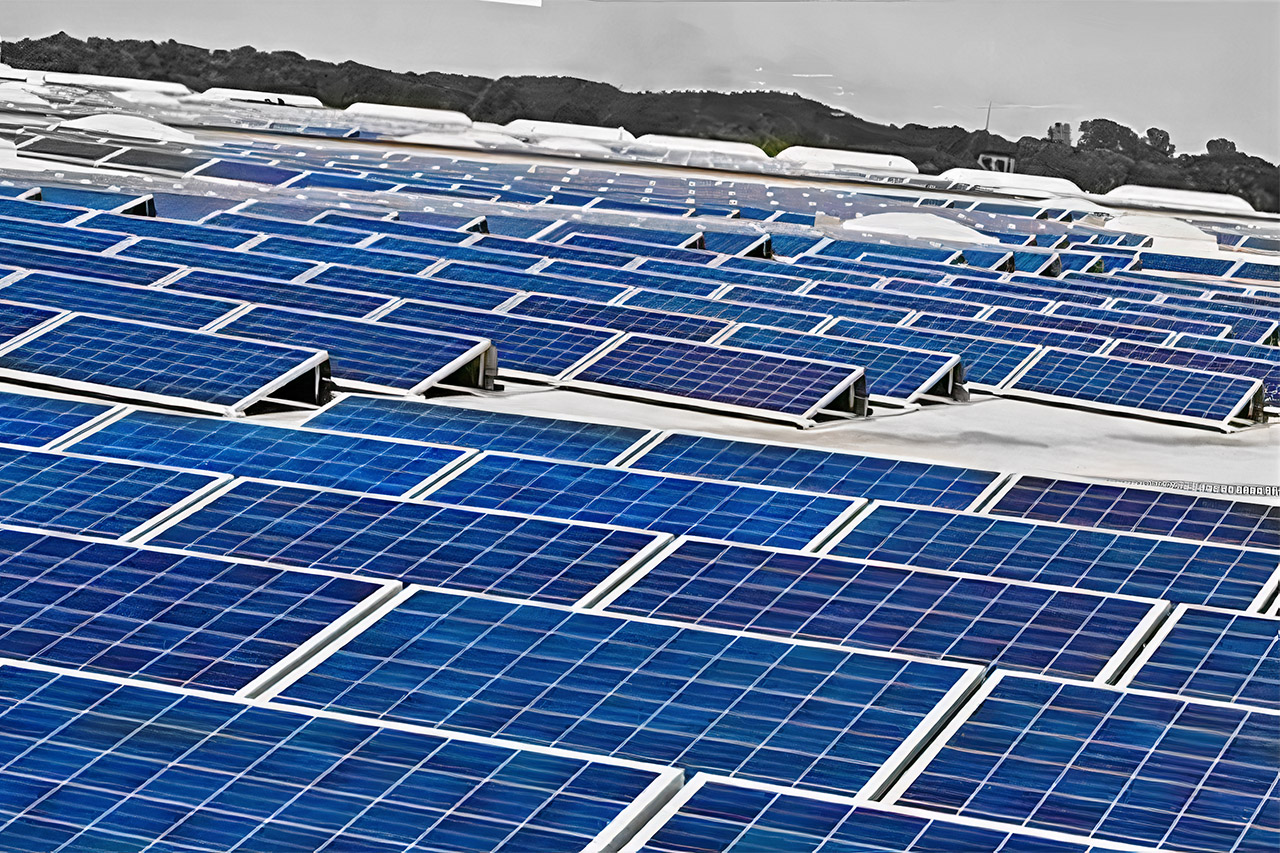

Night solar panels sound like something from a science fiction movie, but a team of Stanford engineers has made them a reality. How do they work? The system essentially harvests energy that is transferred between the solar panels back into space at night – also known as radiative cooling – by incorporating a thermoelectric generator. The latter basically captures the heat flowing between the warm air and solar panels, eventually transforming it into energy.

Currently, they are able to generate around 50 milliwatts per square meter of solar panel, a not so impressive amount compared to the 150 watts per square meter it can generate during the day. In the prime location and with some upgrades to the technology, the system may produce about one or two watts per square meter, which is far more than solar panels are able to generate at night now. If only this technology could be installed on this floating hotel suite.
No products found.
The demonstrated power density is already of interest for nighttime lighting applications. Our design can also power sensors in remote locations, reducing the size or eliminating the requirement for battery storage. In the face of global supply uncertainty, we must ramp up clean energy production and eliminate our reliance on hostile nations for our energy needs.” said the team.


