
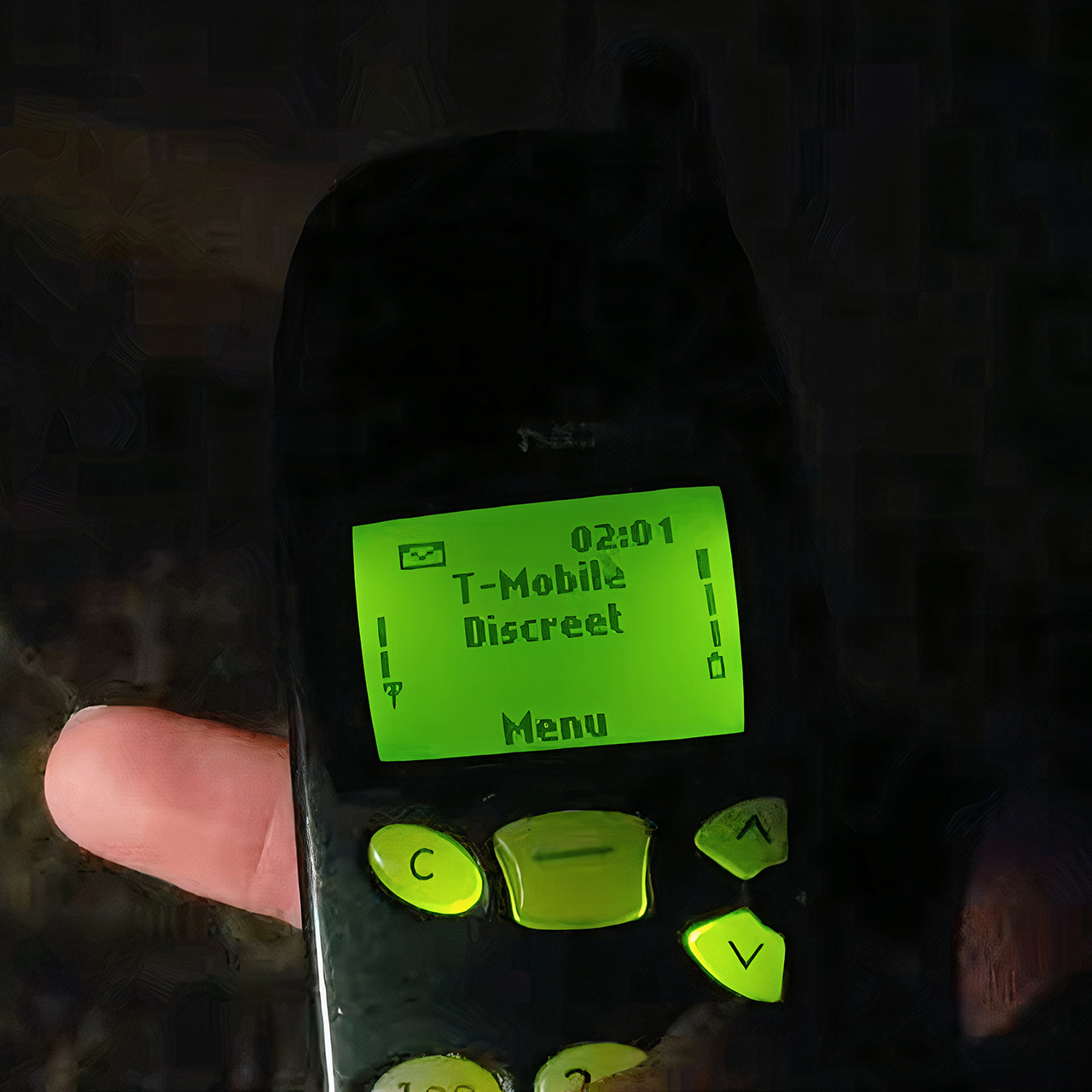
Shortly after 9 a.m. Eastern on August 3, 2026, the final major U.S. 2G GSM signal went quiet. T-Mobile completed the retirement of its decades-old network, closing a chapter that began in the early 1990s when digital cellular service first arrived for everyday phones.
This was the last holdout among the major three. AT&T discontinued 2G service in 2017. Verizon followed suit in 2020, leaving T-Mobile as the last man standing on this older technology, and it wasn’t just nostalgia; there were very practical reasons why it lasted so long. One has to do with customer service, and the other with overseas travel, both of which are significantly more vital to t-Mobile.
Sale

Samsung Galaxy S26 Ultra, Unlocked Android Smartphone, 256GB, Sky Blue
- PRIVACY DISPLAY: Automatically hide your screen from those beside you. The built-in privacy display can be preset¹ to turn on when receiving...
- TYPE IT IN. TRANSFORM IT FAST: Enhance any shot in seconds on your smartphone by using Photo Assist² with Galaxy AI.³ Add objects, restore details...
- NIGHTS, CAPTURED CLEARLY: From gigs to city lights, record and capture moments after dark with clarity using Nightography so your photos and videos...
When it comes to the reasons, the carrier has been rather open about it. Officials stated that they kept GSM operational longer than competitors in order to offer customers and partners more time to transition away from legacy devices after other carriers had already shut them down. In effect, they were filling a void for people and businesses who still used outdated equipment, which they did for nearly 2 1/2 years. They were also still seeing a high volume of international tourists who required circuit switched voice conversations because their own networks or phones did not allow Voice over LTE. The carrier worked with their roaming partners all over the world to close this gap, and it took some time, but it eventually got to the point where it was really just a tiny percentage of customers (they like to call it “de minimis”) who were still using outdated Internet-of-Things hardware like alarm panels and trackers.
Most users can’t remember when the transition occurred because it was so seamless. Smartphones have been using 4G and 5G for years since it’s what they do. T-Mobile had even shut down its own 3G network the year before. The 2G layer remained in the background as a safety net for a shrinking number of edge cases who continued to utilize older phones. Those who were still using 2G smartphones received numerous warnings over the period of two years. They even promised to send users free replacement phones, no questions asked, as long as they returned their old one.
Security was also considered in the decision, as 2G networks lack the level of encryption found in newer networks, making them more open to interception. Shutting down the network frees up some spectrum and simplifies things, allowing them to focus on the important items right now. Regarding the documentation, they will continue to dispose of the outdated gear, but this will take some time.
[Source]