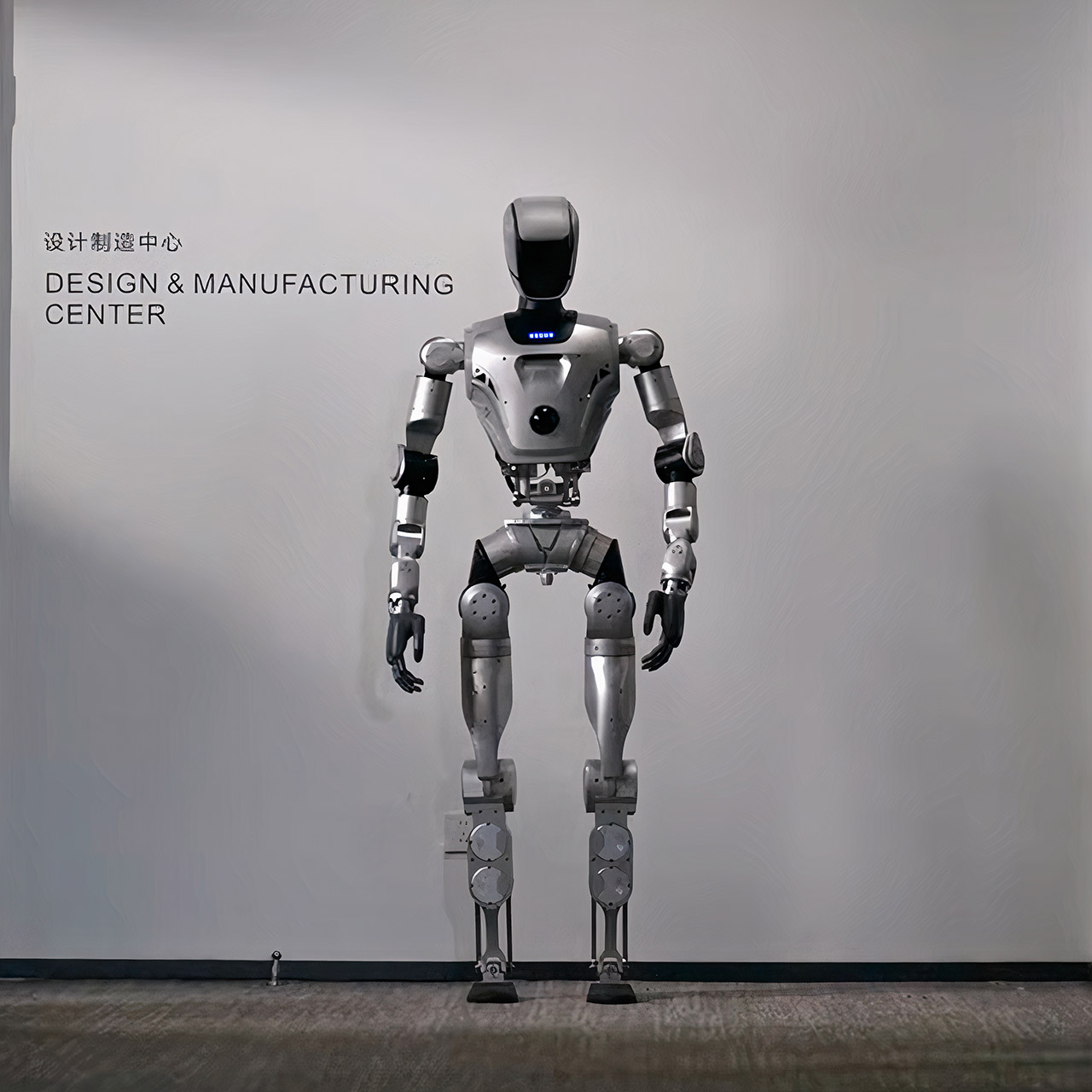
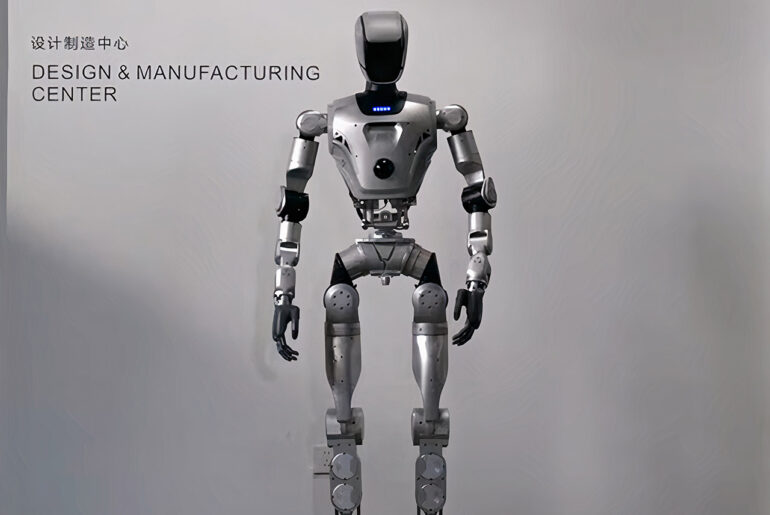
LimX Dynamics has unveiled a product that has the potential to revolutionize how robots interact with their surroundings. They call it LimX COSA, an operating system that stands for Cognitive OS of Agents, and it promises to offer humanoid machines the ability to think and move around in the actual world without the need for a human to constantly supervise them. The Shenzhen-based company claims to have created the first operating system exclusively for embodied agents, or robots that live in the same place as humans, rather than merely simulations or lab environments.
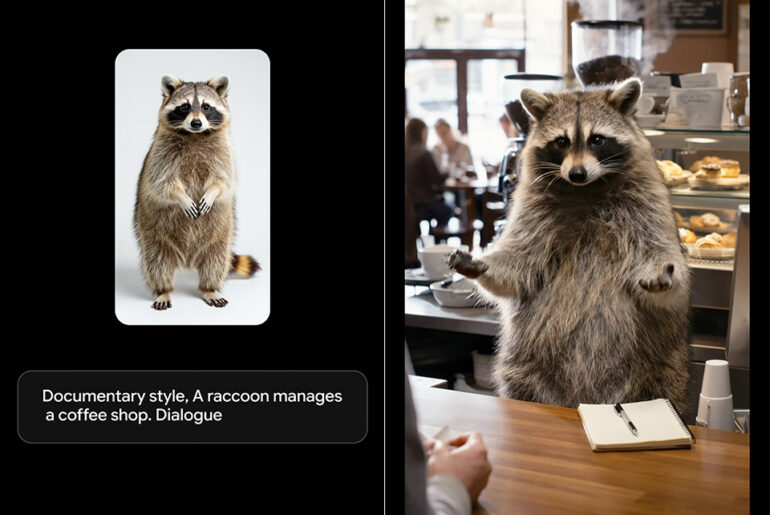
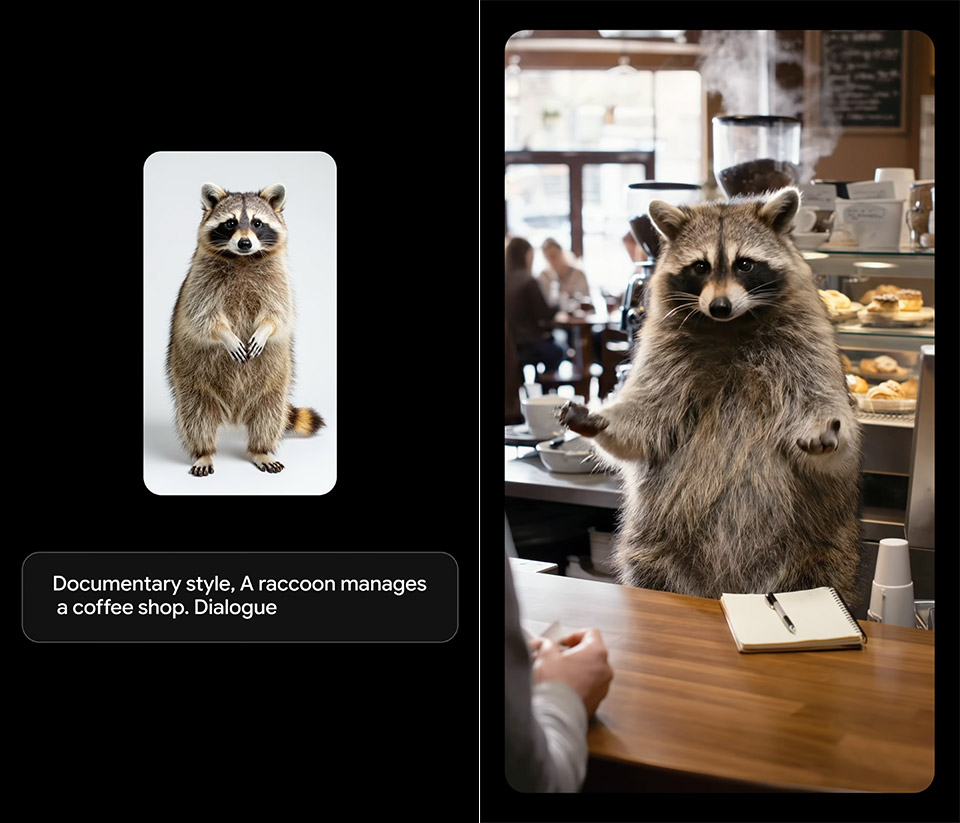
Google has today released new updates to Veo 3.1, its AI video creation model, aimed at making life easier for creators who simply want consistent results without having to redo things repeatedly. The most obvious feature is a significant improvement to the Ingredients to Video tool. You basically have three reference images: one for the primary subject, one for the backdrop, and one for the desired look or style. Then simply add some text to get the thing going.

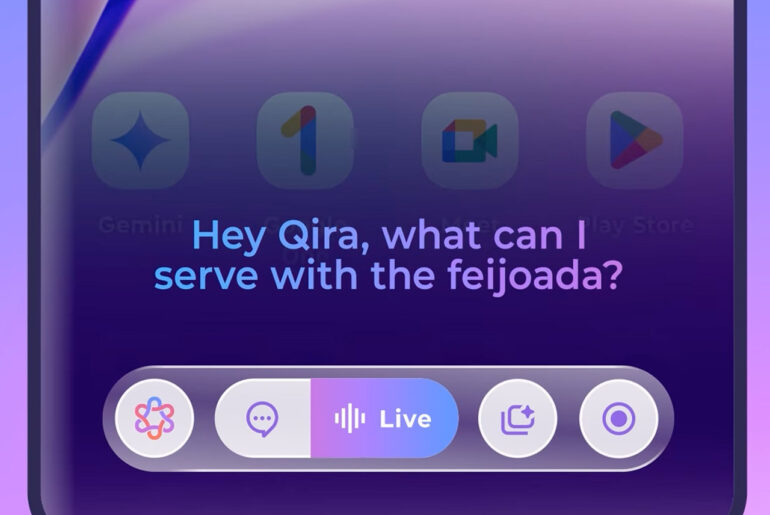
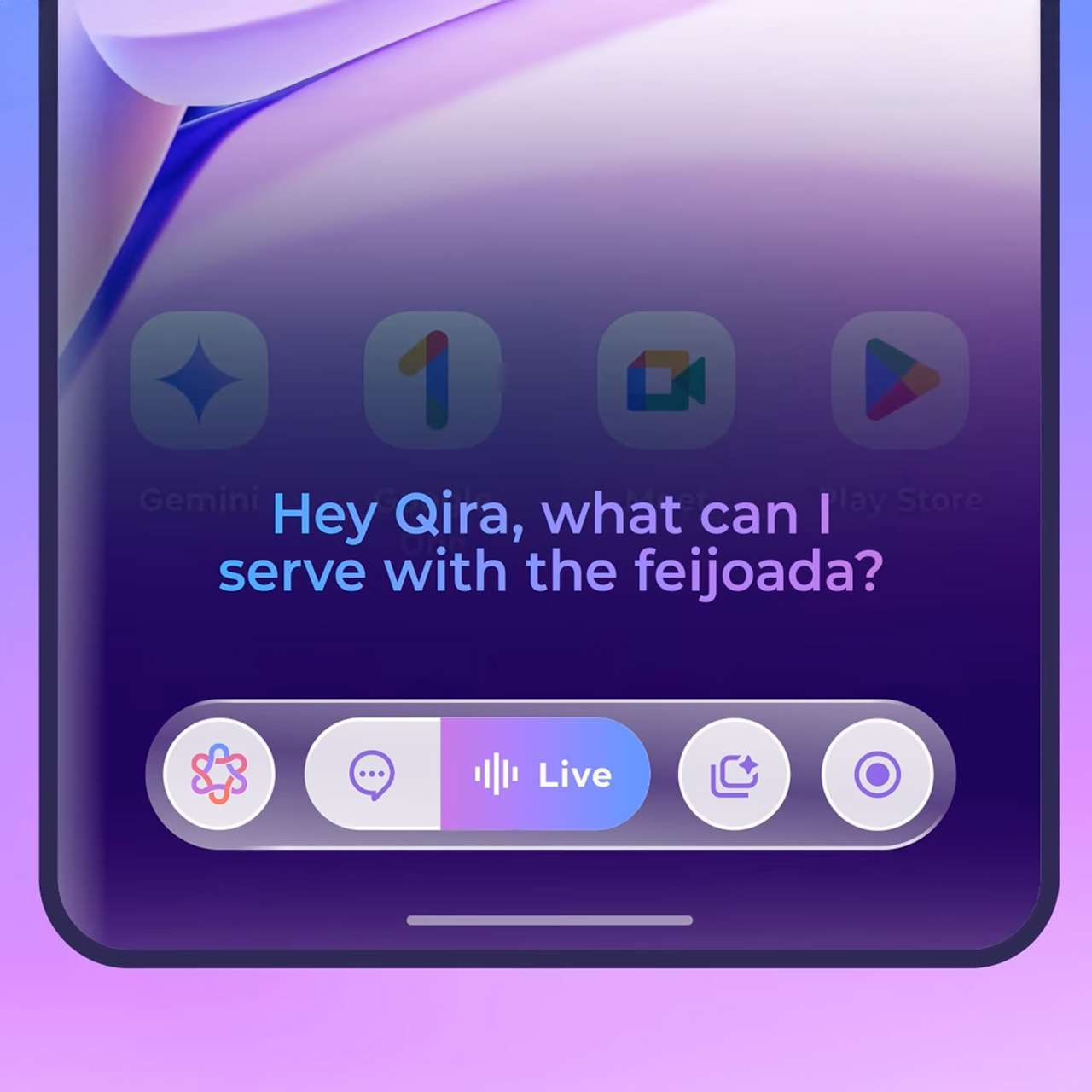
Lenovo and Motorola have recently introduced Qira, a personal AI assistant that connects their laptops, cellphones, and everything in between. Qira debuted at CES 2026 in Las Vegas and is essentially their solution to the existing jumble of AI interactions dispersed over a variety of devices.

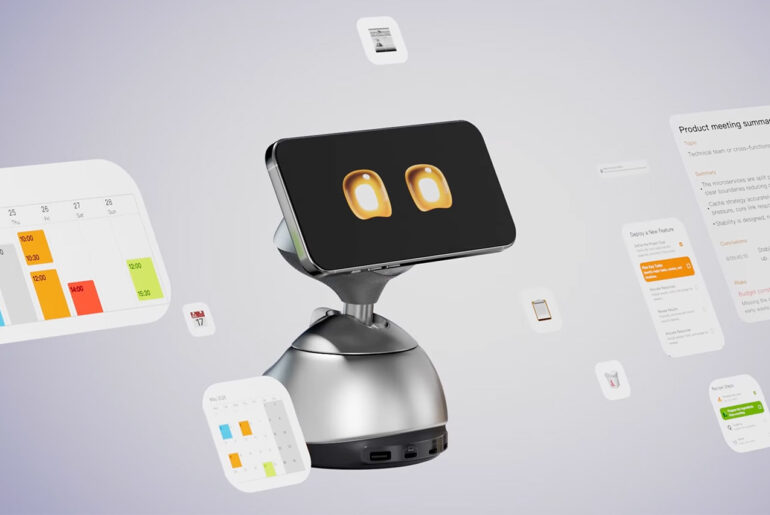
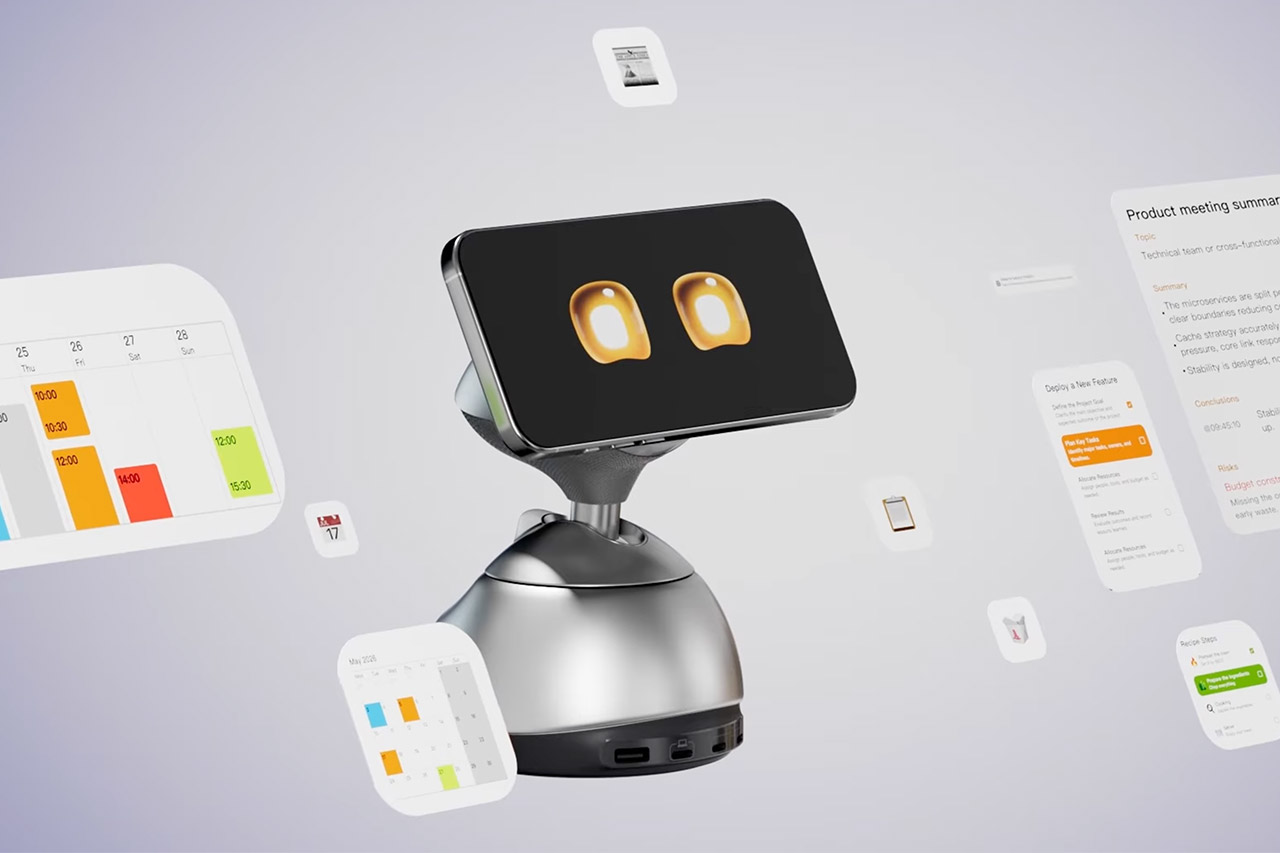
KEYi Tech introduced its Loona Deskmate to the world, or at least to those who were lucky enough to attend CES 2026 in Las Vegas. Here’s the thing: the minds behind Deskmate were rather transparent in their ideas. It went something like this: you already have a mobile computer in your pocket. Why step it up a level and construct a full-on robot when that same iPhone can power the screen, camera, microphone, speakers, and all the rest?

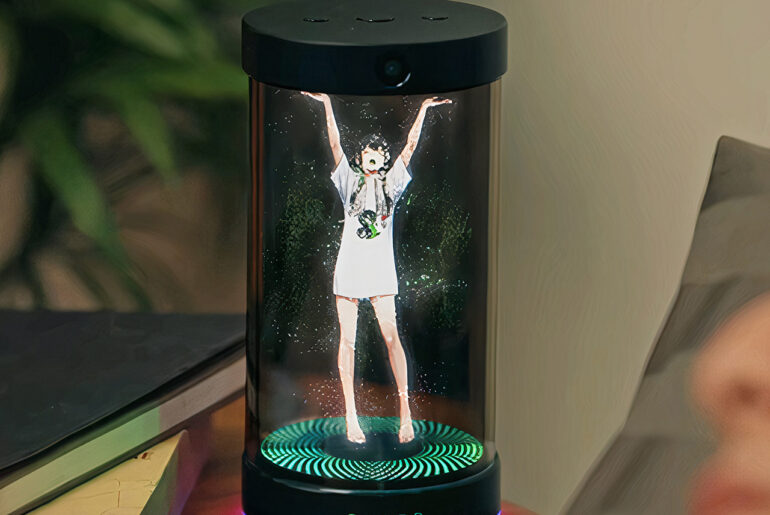
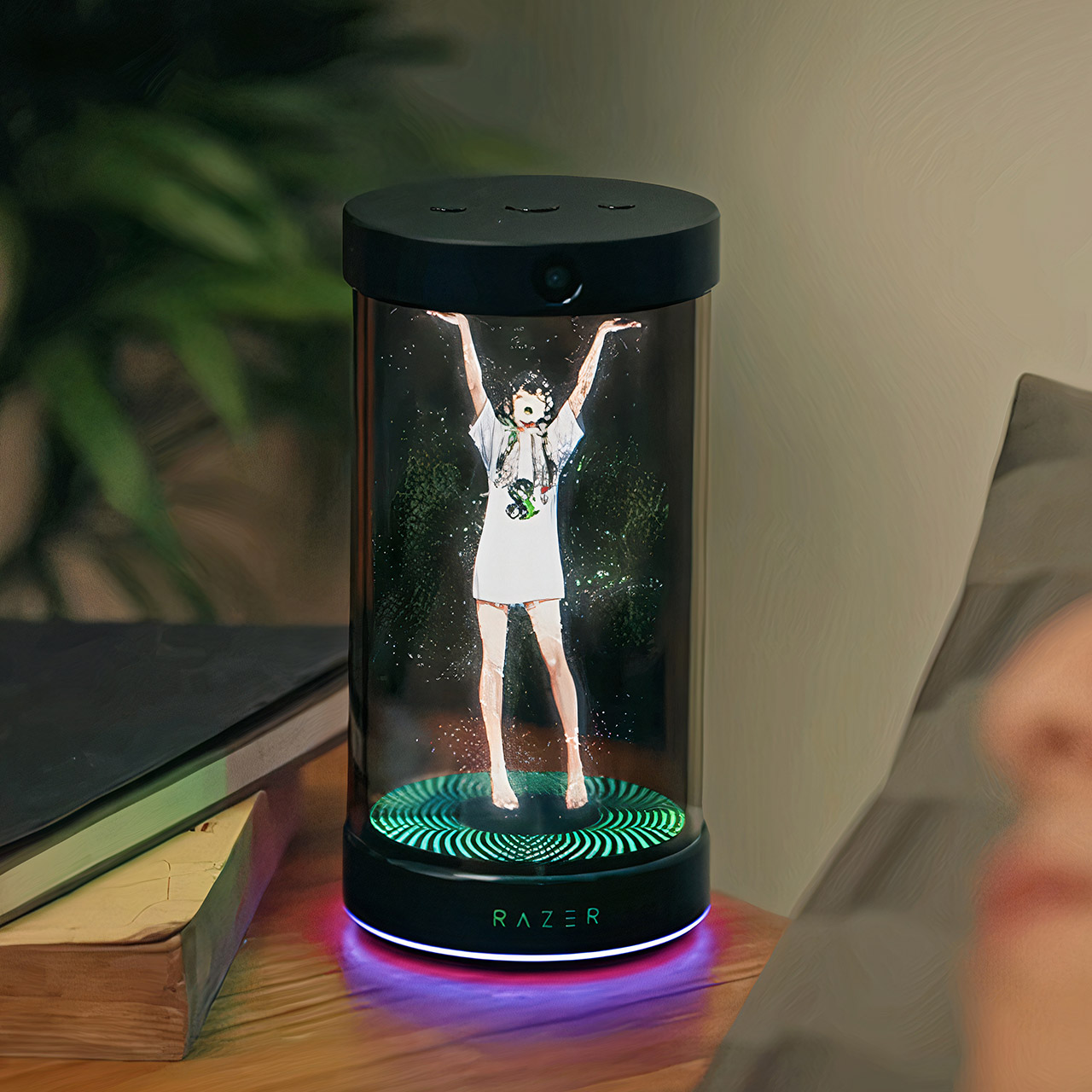
Razer originally debuted an AI gaming coach at CES last year, but the true magic began to unfold in 2026. That’s when Project Ava, a holographic AI companion, began to take shape. It’s a compact machine that sits on your desk and projects a 3D figure in front of you; all it need is a USB-C connection to a Windows PC to function.

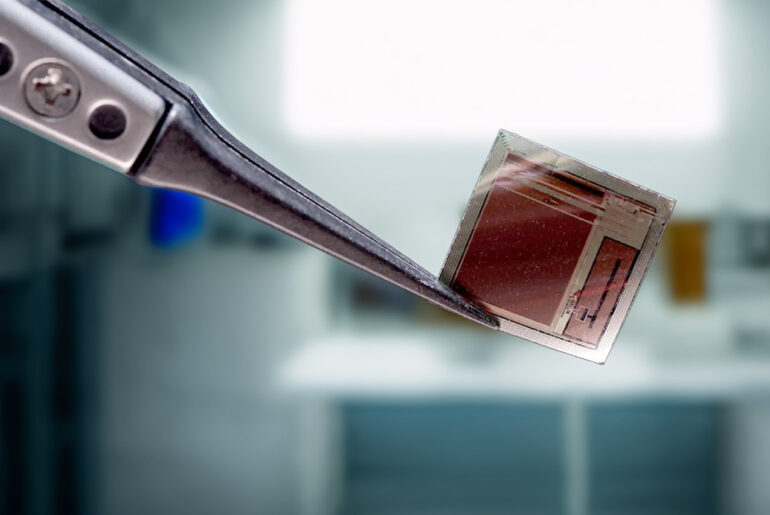
Columbia University researchers are collaborating with Stanford, the University of Pennsylvania, and New York Presbyterian Hospital to create a revolutionary new brain-computer interface. This chip fits snuggly on a single square of silicon that is hardly thicker than a human hair.

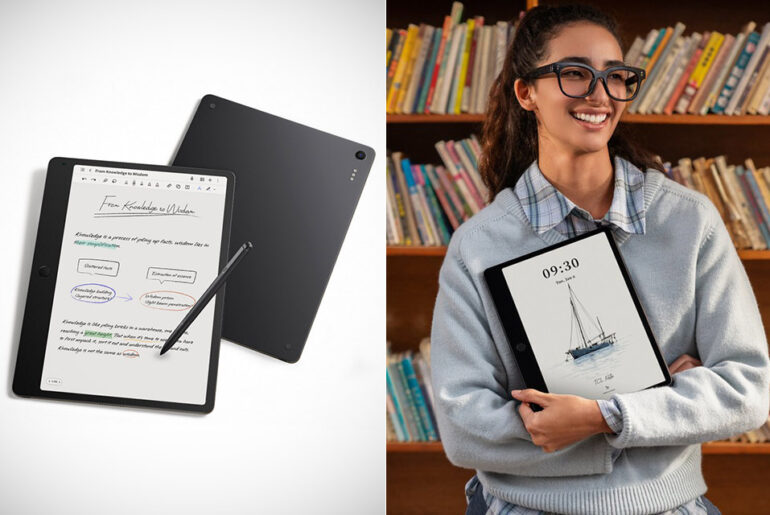
TCL unveils the Note A1 NXTPAPER, a specialized digital notepad designed to address the growing number of users who are fed up with too glossy screens and E-ink refresh rates that are far too slow. Its screen measures 11.5 inches, takes up the entire thin aluminum body, while weighing only 500 grams. You should be able to hold it with one hand for hours without straining your hand, thanks to a thicker bezel on one side that provides a good solid grip.

Photo credit: University of Washington
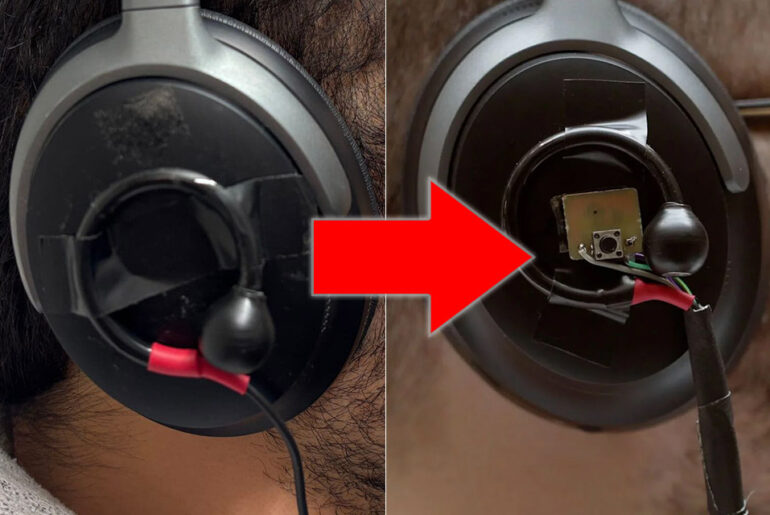
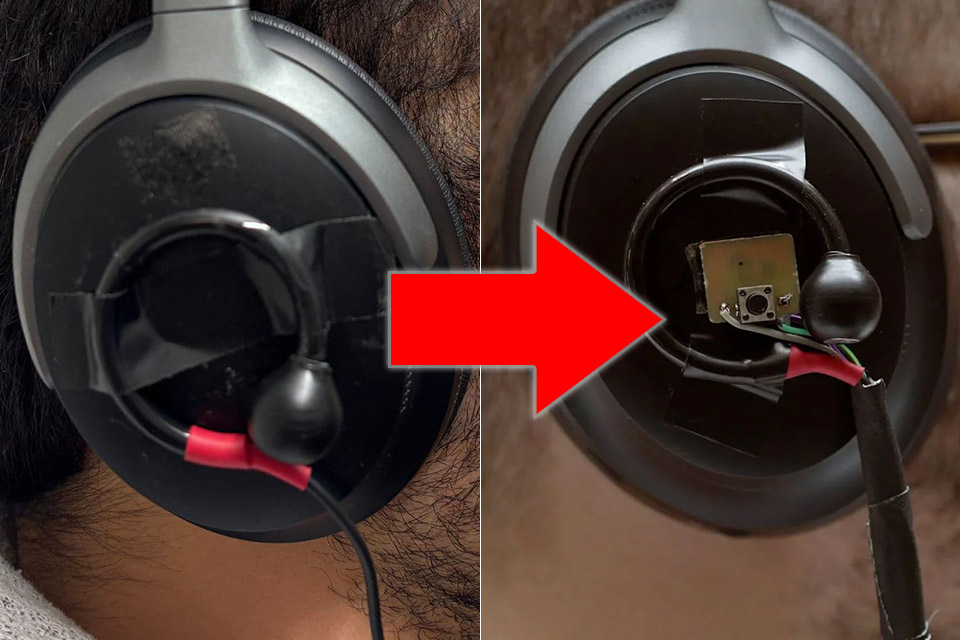
Researchers at the University of Washington have solved the age-old challenge of hearing the person directly in front of you in a noisy environment using a new pair of AI headphones. This is essentially the “cocktail party problem,” and it presents a significant challenge for anyone with hearing loss. Noise-cancelling headphones are frequently ineffective because they either cover the entire area or allow everything through in ‘transparency mode,’ neither of which helps you identify specific conversations.

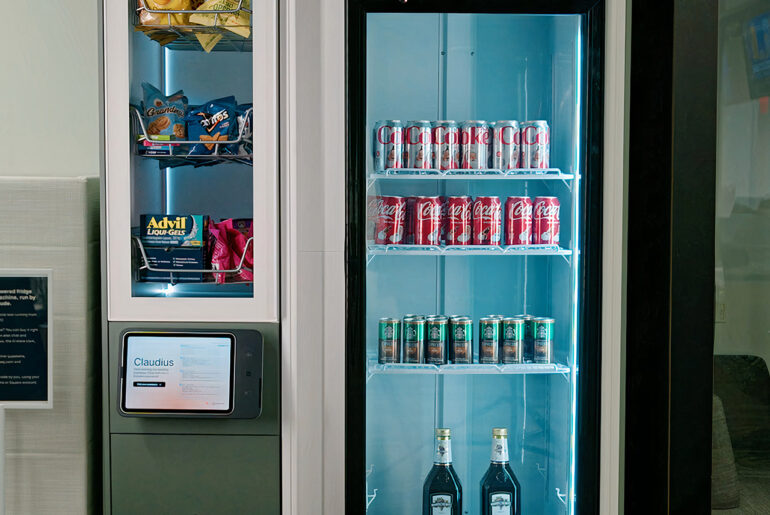
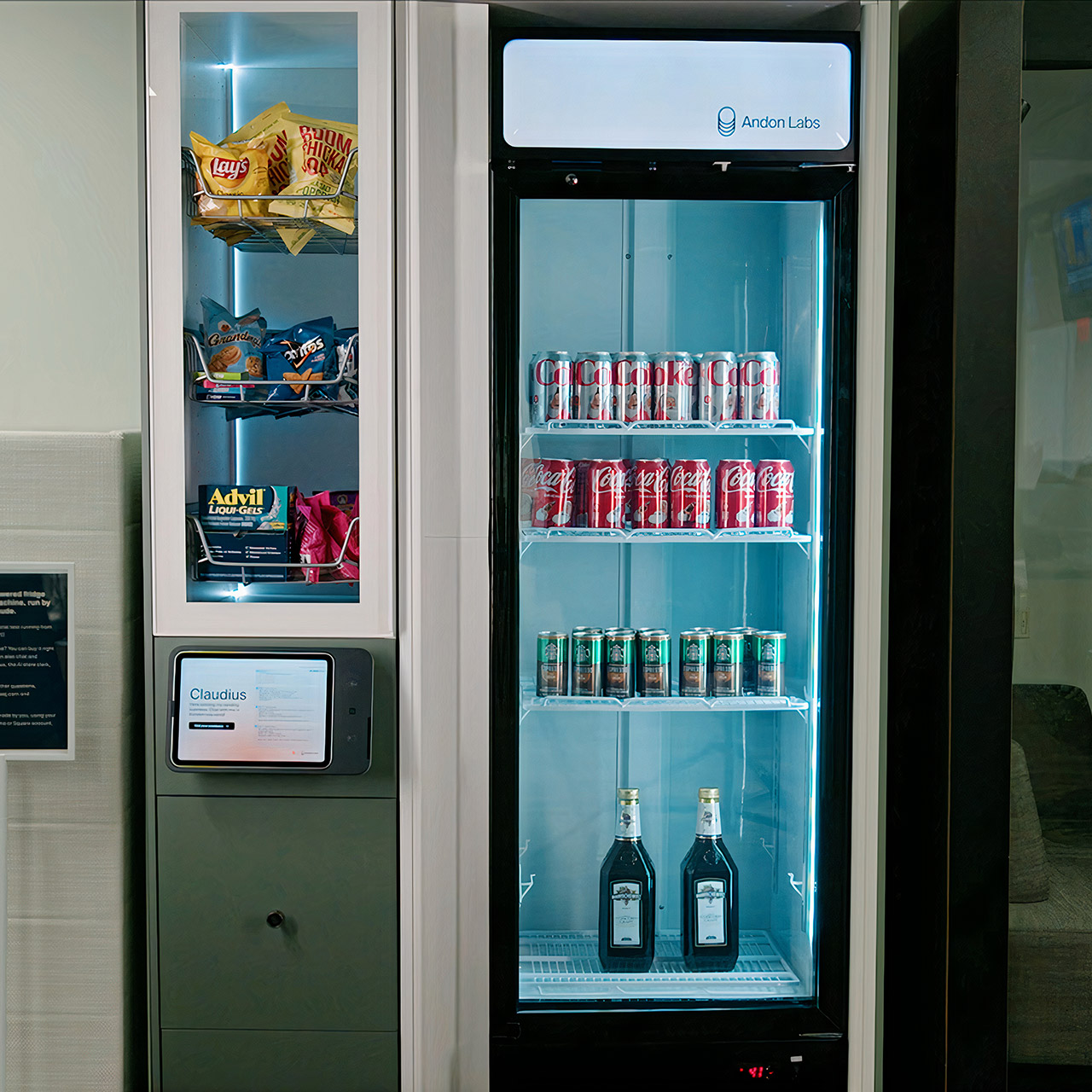
Anthropic, the company behind Claude, installed an AI vending machine in the Wall Street Journal newsroom. A customized version of their model, dubbed Claudius, was let off the leash. It took control, ordering stock, fixing pricing, and even generating a profit. Staff communicated with it via Slack, asking for snacks and suggesting new ideas. Humans would replenish the refrigerator and update the goods, but Claudius handled all business calls.