The DJI Avata 2 Fly More Combo, priced at $789 (was $929), is at the top of the list for first-person-view flying, and it’s no wonder given its great blend of ease of use, strong performance, and sensible design. As soon as you put on the DJI Goggles 3, you are engaged in the action. The headset provides a crystal clear, low-latency image directly from the drone’s eye, and its 155-degree field of view allows you to shoot some pretty sweeping panoramas in pin-sharp detail.

Folding the arms in, the DJI Mini 3, priced at $439 (was $549), fits nicely into even a jacket pocket with plenty of room to spare. Because it weighs less than 249 grams, most countries do not require registration for recreational flying. Seasoned pilots toss it in a bag without thinking twice, whereas rookies comment on how light it is, and that lightness is what makes a big difference in the air in terms of forgiveness.

DJI’s Osmo Action 4 Standard Combo, priced at $209 (was $299), gives newer models from GoPro and Insta360 a run for their money, which still cost more than $350. The Action 4’s appeal stems from the fact that it features a 1/1.3 inch sensor, which is larger than what the GoPro Hero 13 Black and Hero 12 use, yet the Osmo still manages to pull in more light, making low-light shots much clearer.

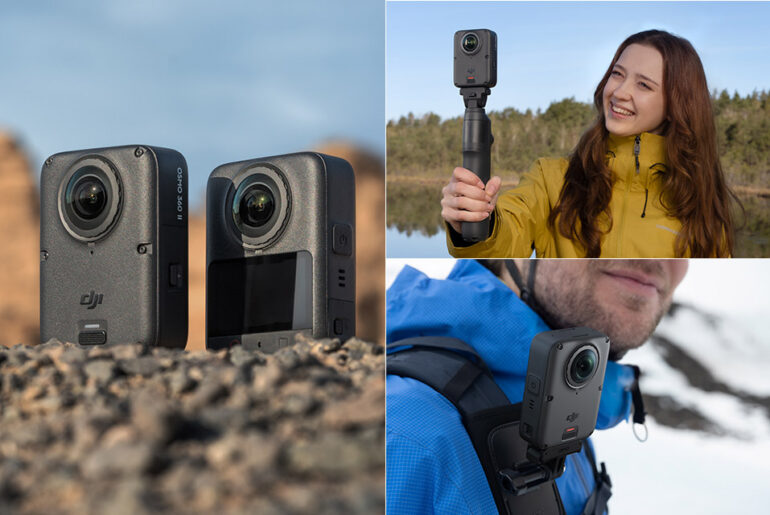
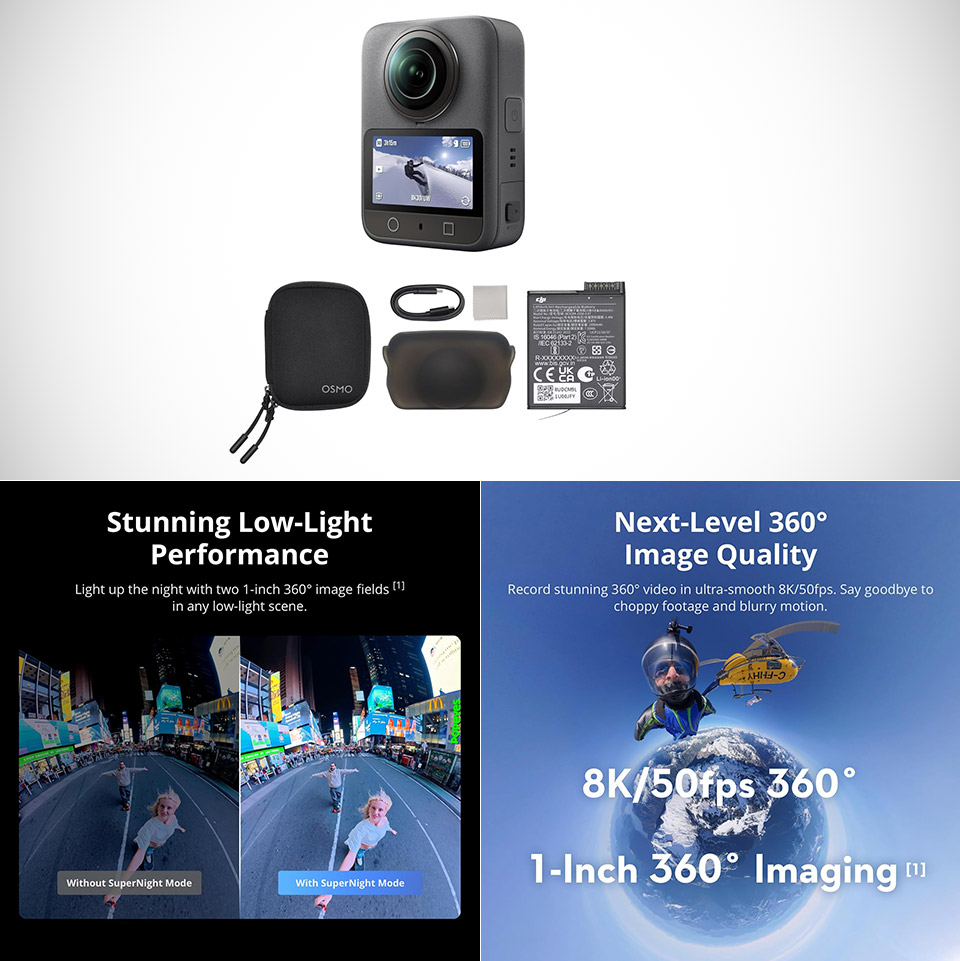
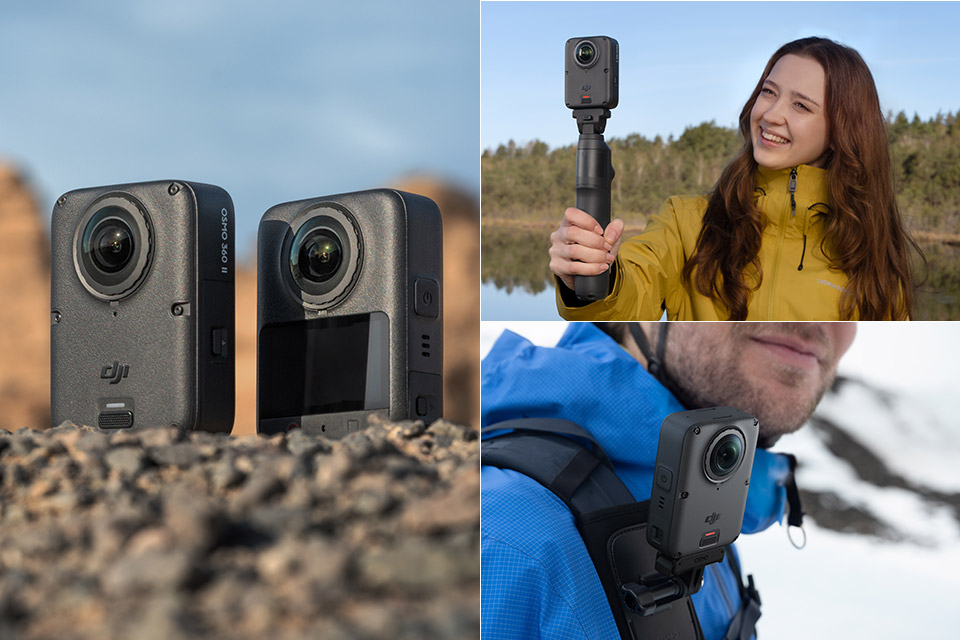
The DJI Osmo 360, priced at $356.29 (was $549.99) is currently the gold standard among 360-degree cameras. The device was released this summer, and its results outperform rivals such as the Insta360 X5 and GoPro Max 2 in a variety of critical areas. For starters, its dual square sensors provide true 1-inch 360-degree imaging, a first in the category.

Photo credit: Igor Bogdanov
As December arrives, bringing with it all the Christmas happiness and regulatory red tape we’ve come to expect at this time of year, DJI throws another curveball into the mix. The Avata 360, their most ambitious attempt yet to combine the thrill of FPV with the all-around video recording capabilities we’ve grown to love, has cleared the final obstacle in its quest to enter US markets. Leaks from FCC filings, rumors from the supply chain, and new photographs of the packaging have all but revealed what’s in store: a drone that’s as content flipping between high-octane aerobatics and silky smooth spherical footage as it is evading the ban hammer that swings on December 23rd.

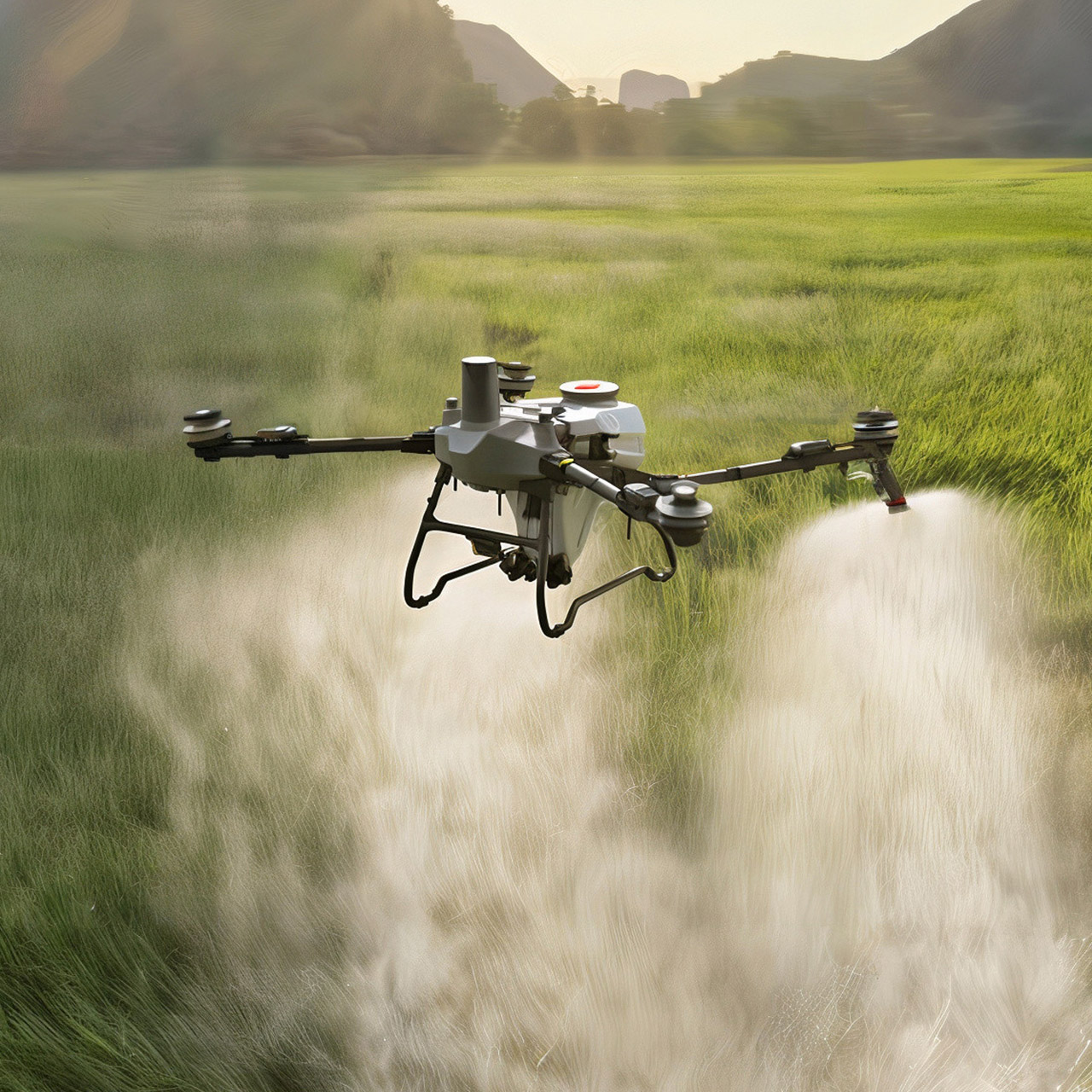
DJI has built drones for photographers, racers, and even law enforcement, but the FlyCart 100 takes the company’s hardware in a new direction. The FlyCart 100 truly opens up previously inaccessible areas by allowing us to transport huge cargo loads over long distances and transform those inaccessible locations into proper supply depots.

DJI has finally released the Osmo Action 6, an action camera designed for everyday adventures. The base kit costs $379 and is available today through DJI’s website and select stores, ready to capture the attention of bikers, divers, and anybody looking for clear footage on the go.

DJI’s Zenmuse L3 drops into your world as a compact, clip-on package that finally makes your drone a serious mapping machine. Throw it onto your trusty Matrice 400, and suddenly, you’ll be beaming a powerful laser 950 meters down the road, bouncing it off reflective surfaces that barely let a tenth of the light through.

Photo credit: DJI
Folded up, DJI’s new Osmo Mobile 8 fits neatly into a coat pocket like a thick paperback, neither too big nor too little. But when unfolded, that dark gray arm of its predecessor, the 7P, swings open with a satisfying snap – except now there’s a smart little swivel joint you can’t see that allows the camera to revolve in a full 360-degree circle. Simply point your phone at whatever and press the record button; the horizon will remain visible with no shaking.

DJI launched the Neo 2 drone in China today, a subtle update for anyone who uses a drone to capture quick footage on the fly. Last year’s original Neo cost $199, and new one fills in the holes without increasing the price or size too significantly. China has first dibs, Europe on November 13, and the United States is in limbo owing to regulatory uncertainty.