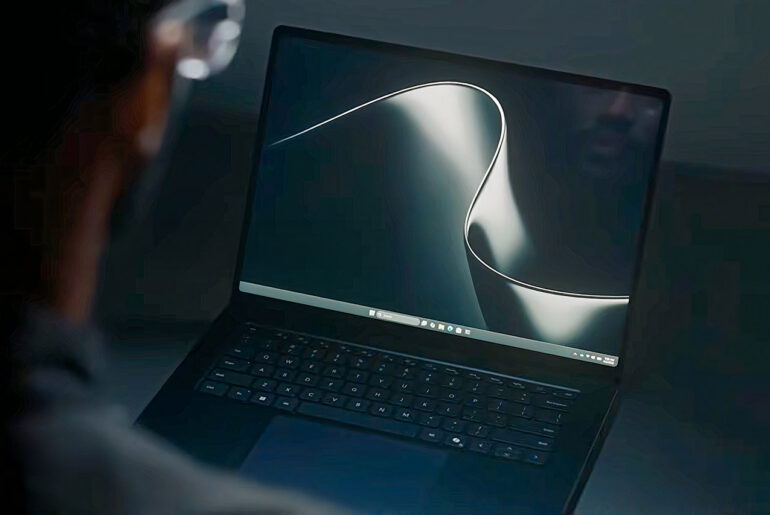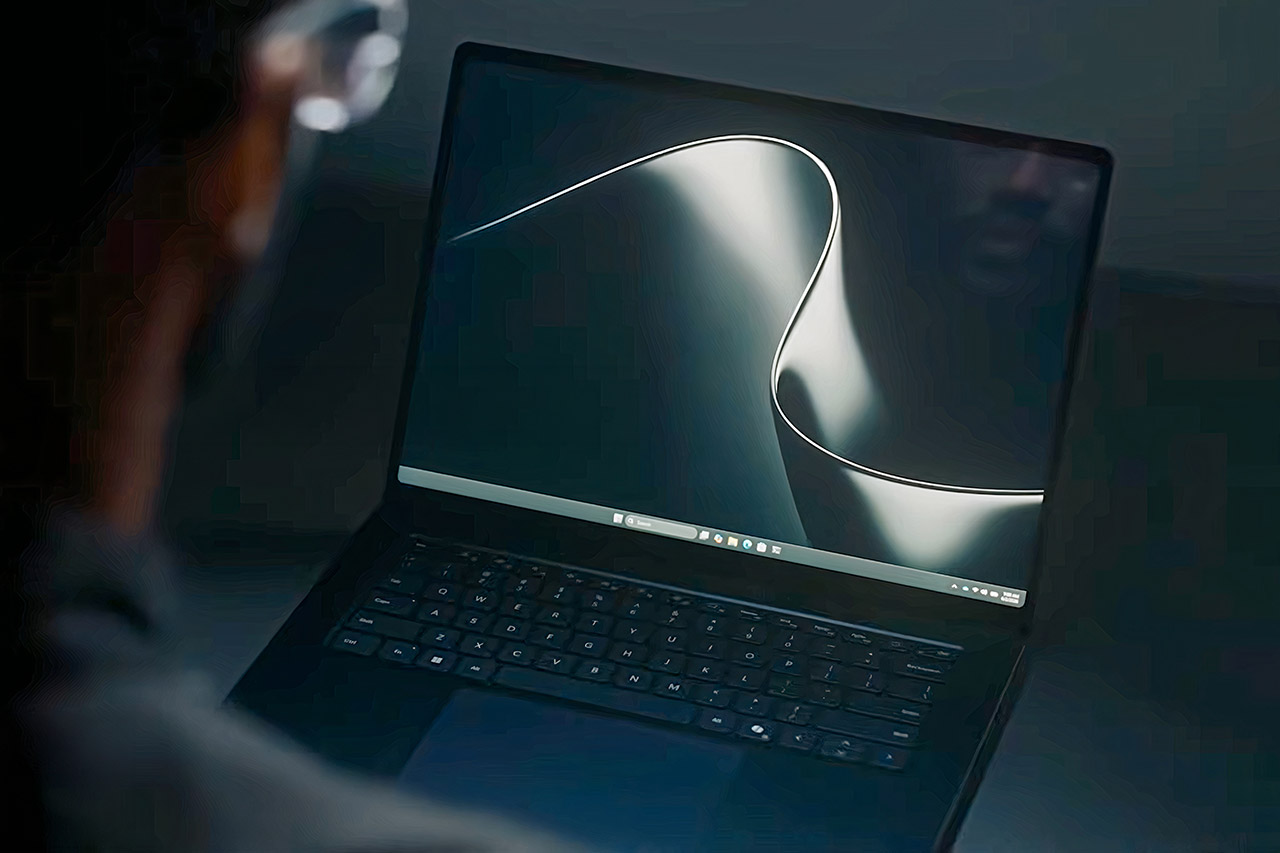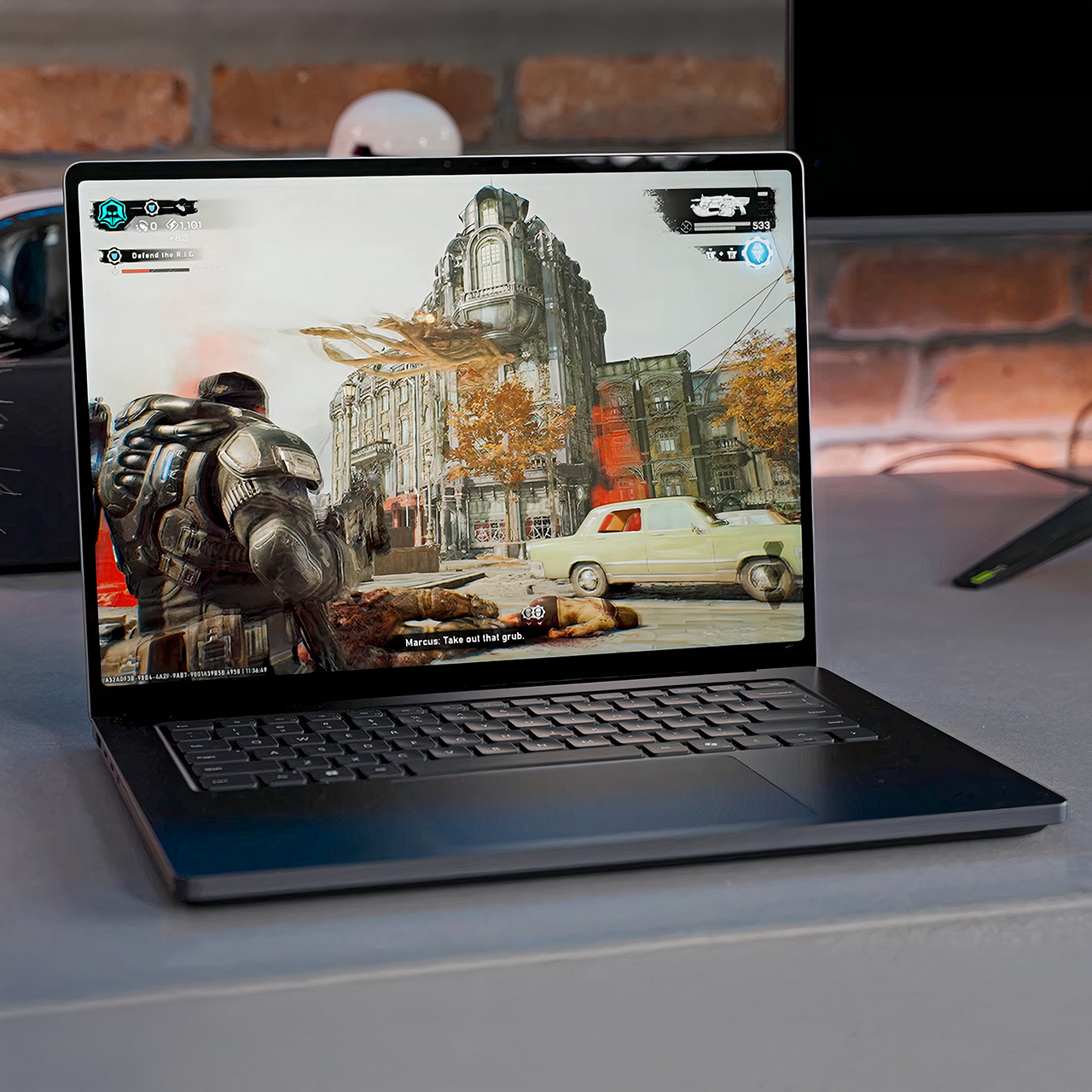
NVIDIA RTX Spark machines reached store shelves yesterday from ASUS, Dell, HP, Lenovo, Microsoft, and MSI, with the Surface Laptop Ultra and ProArt models among the first available starting at $2,599. These systems pack a single superchip that combines a custom Grace CPU designed with MediaTek and a Blackwell RTX GPU into one package, sharing up to 128GB of LPDDR5X memory so both the processor and graphics draw from the same pool without the usual split between system RAM and dedicated video memory.

Guests at a wedding in Jiangsu province watched the bride guide her new husband through a calculation that looked ordinary on paper. The sum ran 520 times 10 plus 1,314 minus 514 minus 619 plus 666 minus 957 and landed exactly on 5090. In Chinese online shorthand those figures carry familiar meanings: 520 sounds close to the phrase for I love you, 1314 stands for forever, 514 suggests until death, 619 hints at escaping forever, and 666 simply means awesome. Once he arrived at the result, women standing beside the bride brought forward a large bag.

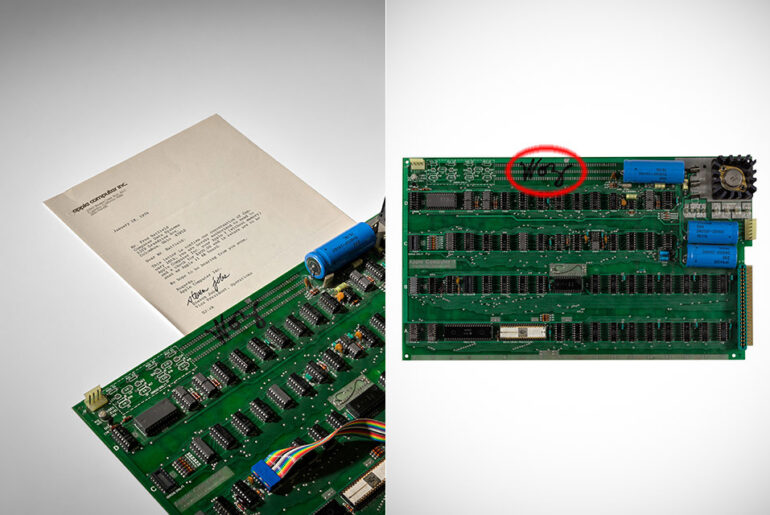
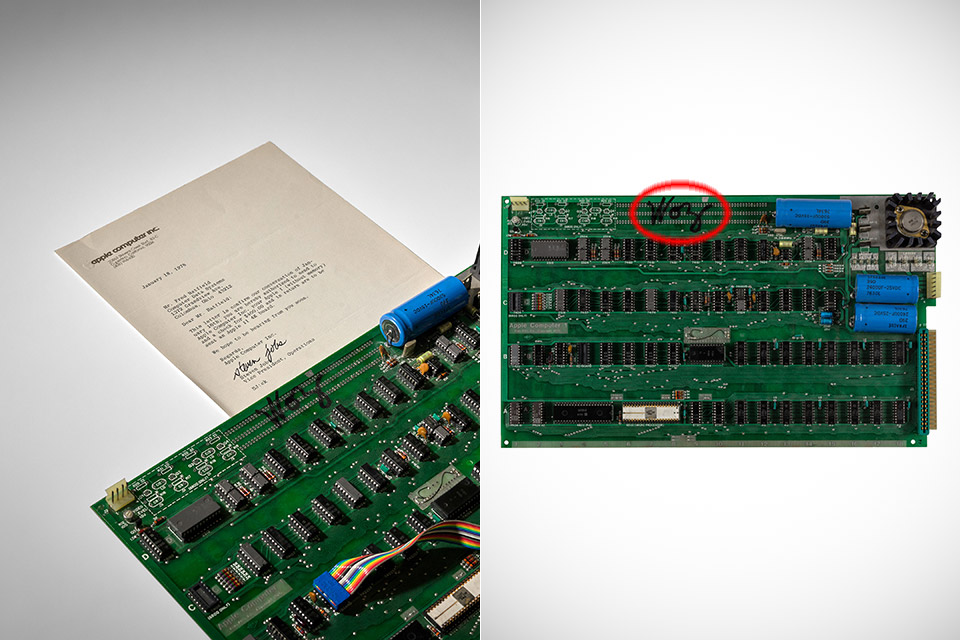
Bidding closed after twenty eight minutes of competition between two collectors when the Hatfield Apple One reached $1.148-million including the buyer premium at Bonhams in New York. That figure established a new world auction record for any commercially sold production Apple One and cleared the pre sale estimate of $500,000 to $800,000 by a wide margin.

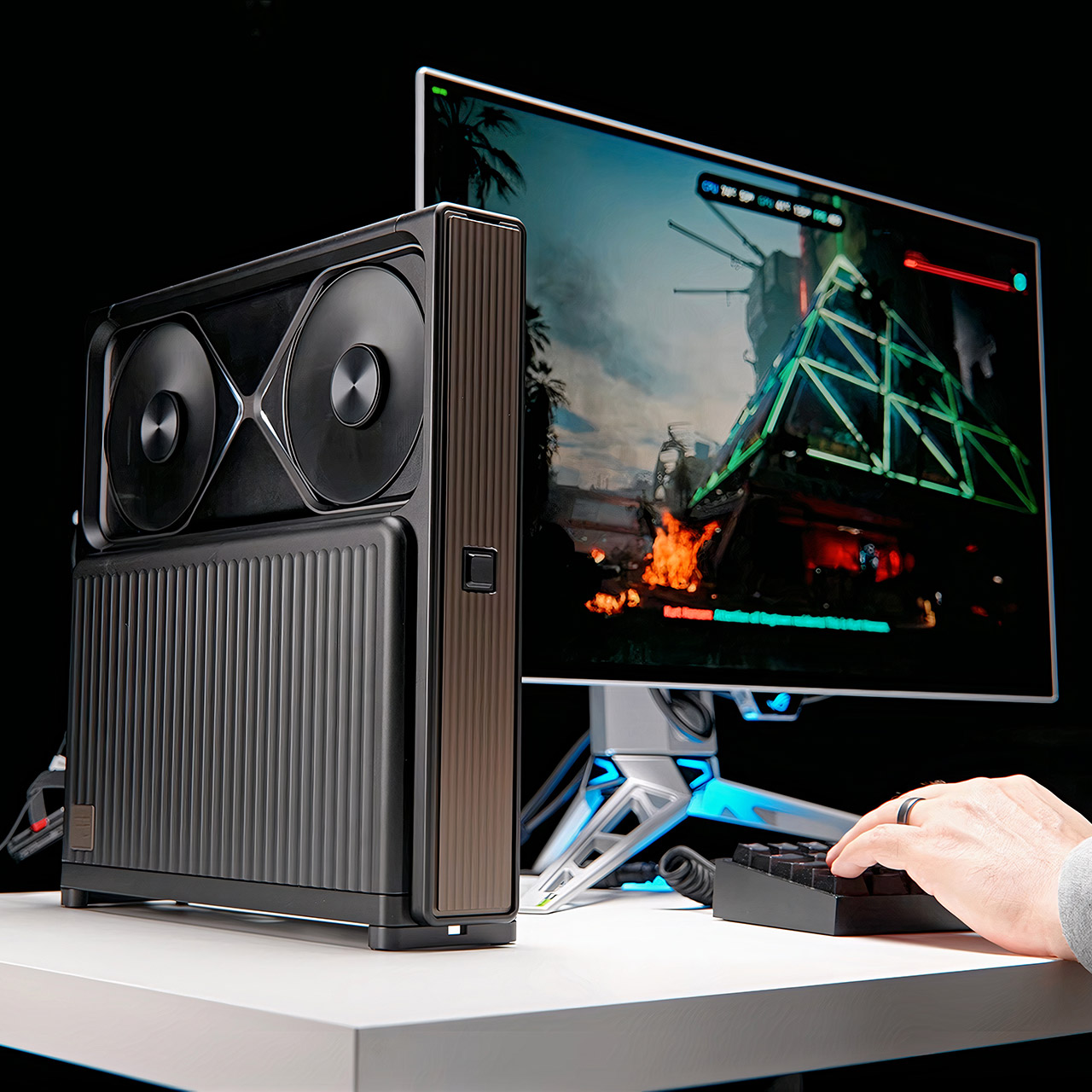
Devyn Johnston has spent years chasing smaller and smaller gaming machines, and this latest effort pushes that habit into territory that feels almost stubborn. Inside the ZCOOI Mugitya FE9, an RTX 5090 Founders Edition sits in a chassis that measures only 56 mm thick across the top and 79 mm at the base, all while still packing a full desktop processor and a 1000-watt power supply. The case arrives as a set of thick CNC-machined aluminum pieces, each finished in black or silver anodizing with a few gray-gold accents on the nameplate and front panel, and the whole collection ships inside its own aluminum carrying case.

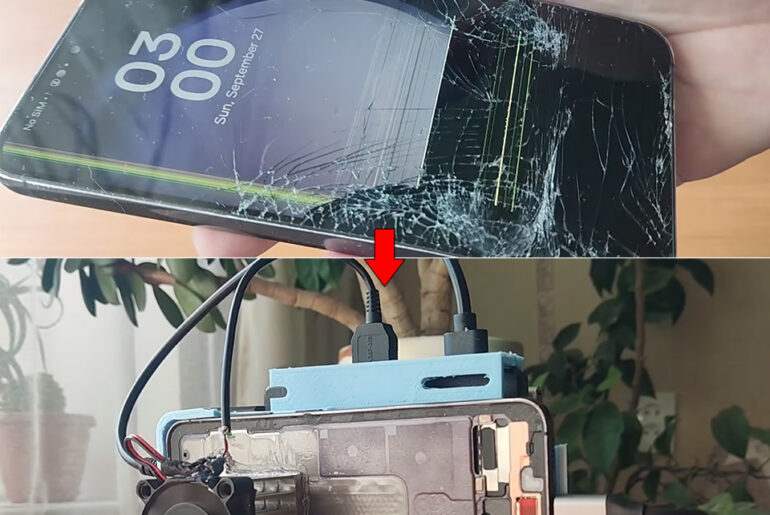
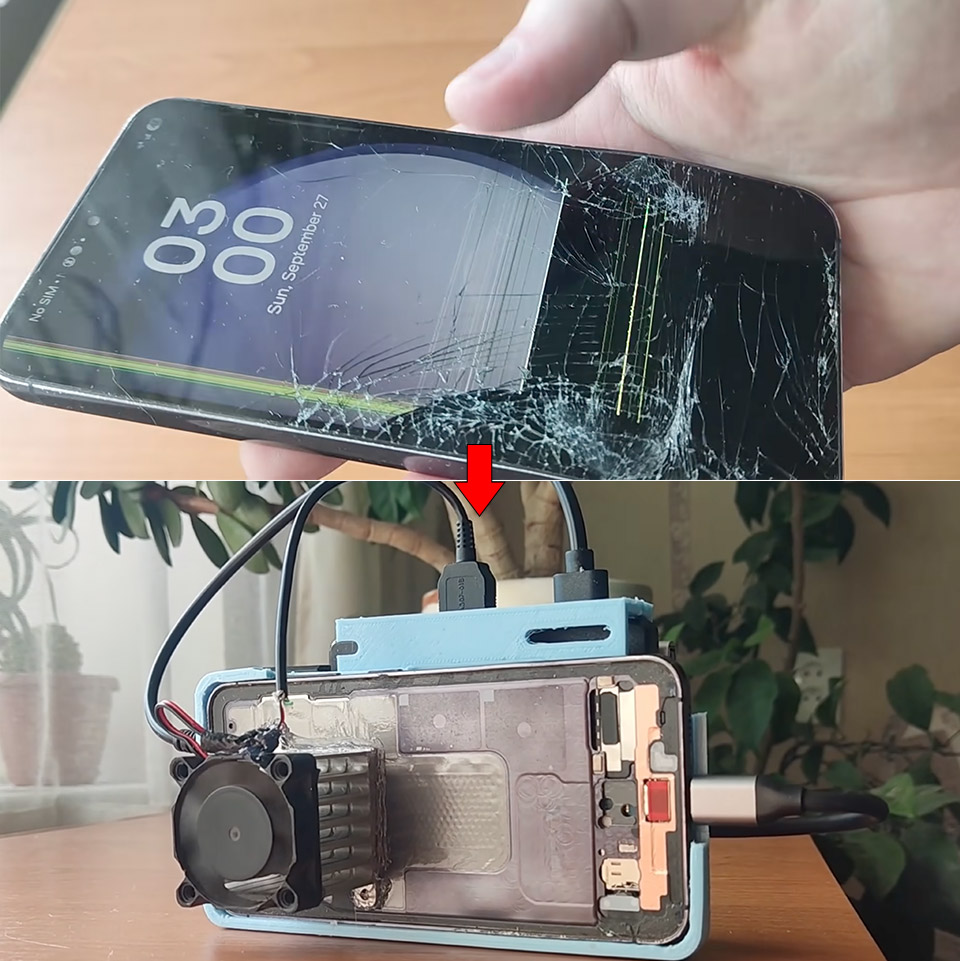
Most people treat a phone that looks like it lost an argument with traffic as scrap. LastComputer paid about forty dollars for one anyway. The listing came to 1,700 Ukrainian hryvnia, and a carrier lock kept the price down because nobody was going to drop a SIM in it again. This Samsung Galaxy S23 arrived bent in half, back cover smashed, battery squished, and still willing to boot.

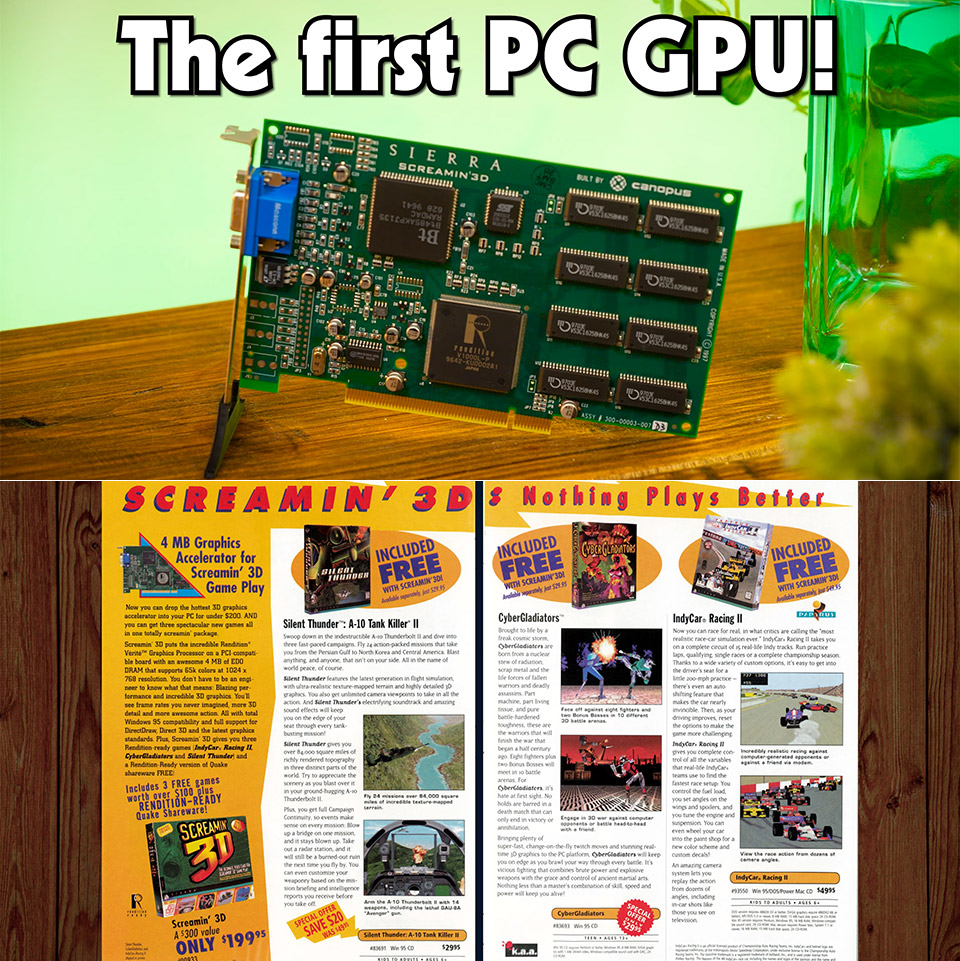
Sierra On-Line spent most of the 1990s shipping adventure games with names like King’s Quest and Space Quest, then spent one Christmas trying to sell the board those games would run on. Screamin’ 3D reached stores in November 1996 at a suggested price of $199, the only graphics card the Oakhurst studio ever put its name on, and it vanished so completely that plenty of people who owned a Sierra box never knew the company had tried hardware at all.

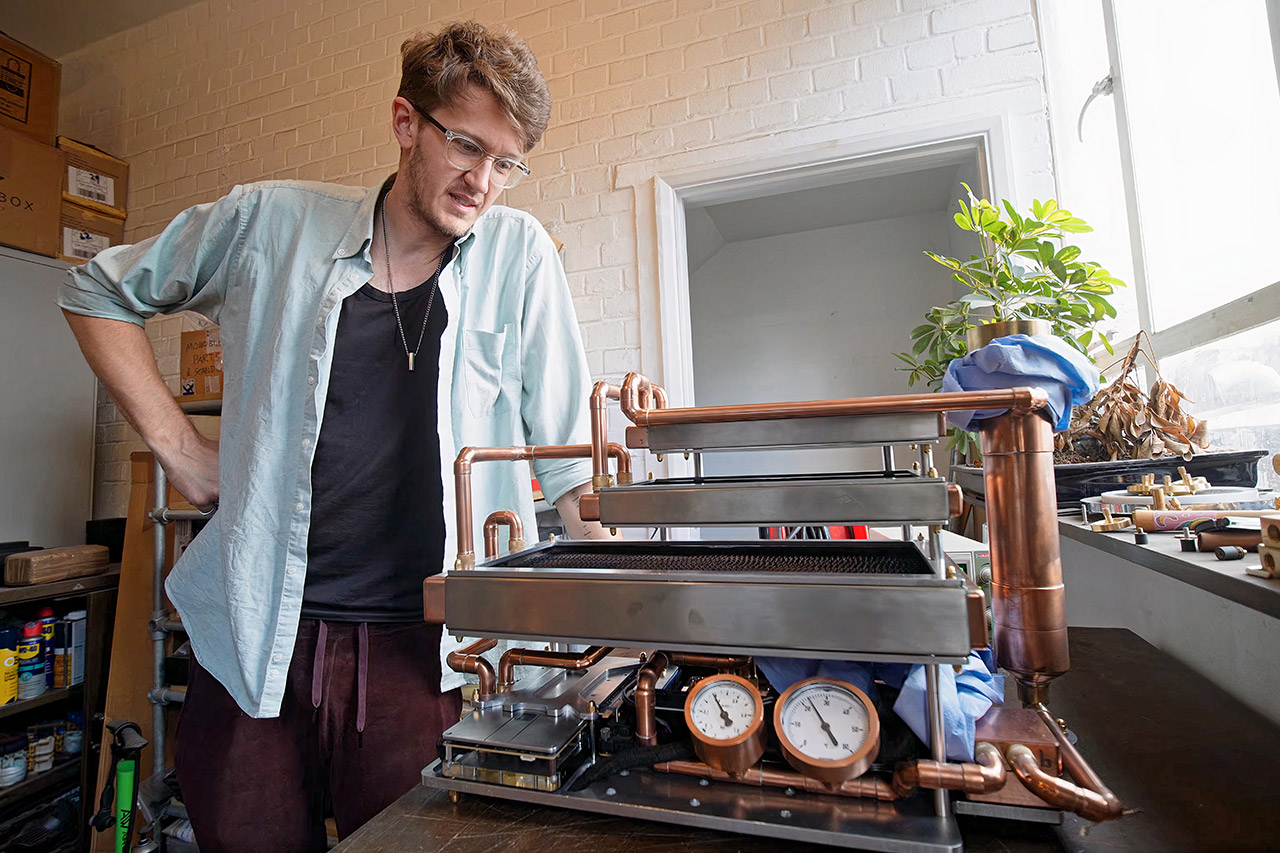
Felix at Billet Labs set out to park a real gaming PC in a living room and leave the fans off. A Ryzen 9 9800X3D and an RTX 5080 share a Gigabyte AORUS Pro B850 board, fed by a 600 watt Flex ATX supply, and the pair can pull well past 500 watts once a demanding game settles in. Air coolers handle that load by moving a lot of air. Moving a lot of air makes noise. An earlier attempt had hung the same idea on a cast iron radiator and ended near 100 kilograms, so this version started over on a hand-worked aluminum block that brings the finished machine down to about 15.7 kilograms once the loop holds roughly two liters of water.

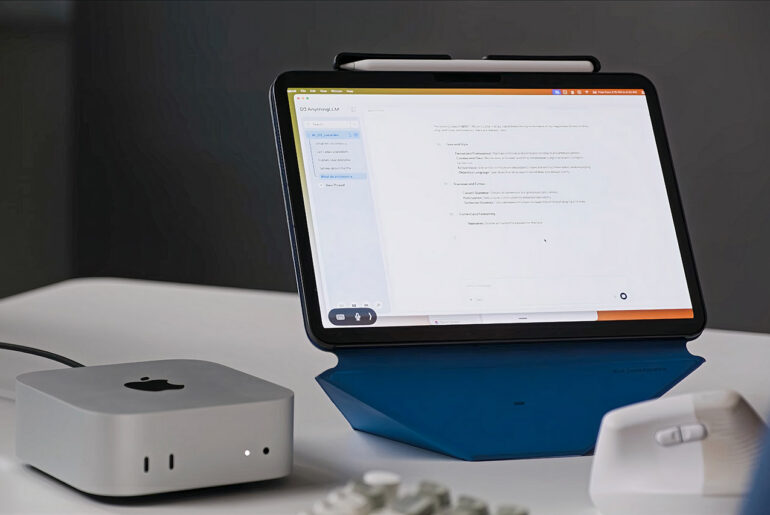
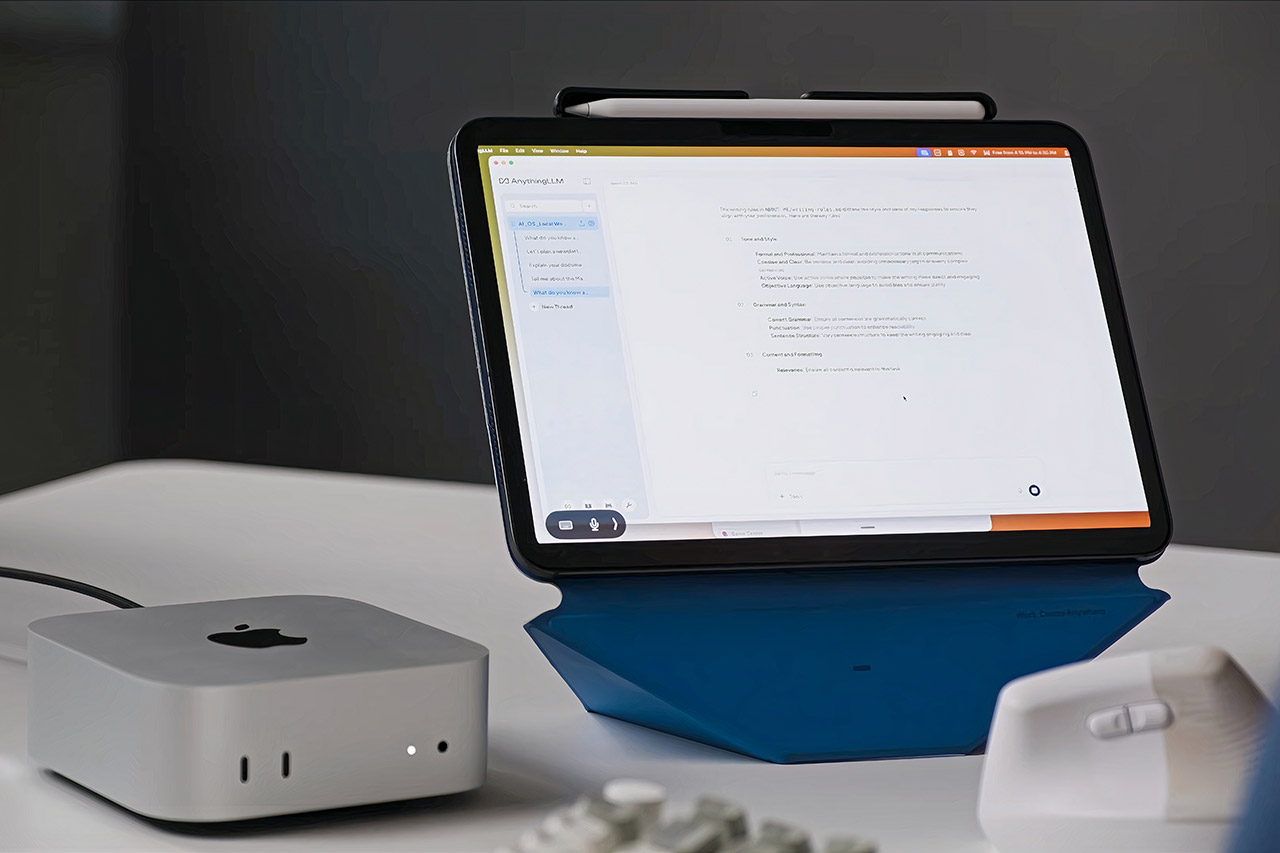
Apple put a new Mac Mini M6 on the market in late September, and by the first week of October the base model was already cheaper. Amazon has the entry version at $779.99, down from the $899 list price, as part of the October Prime Day run. That is the first cut on a machine that only just reached stores, and it lands on the configuration most people will actually see: 16GB of memory, 256GB of storage, and the standard M6 chip.

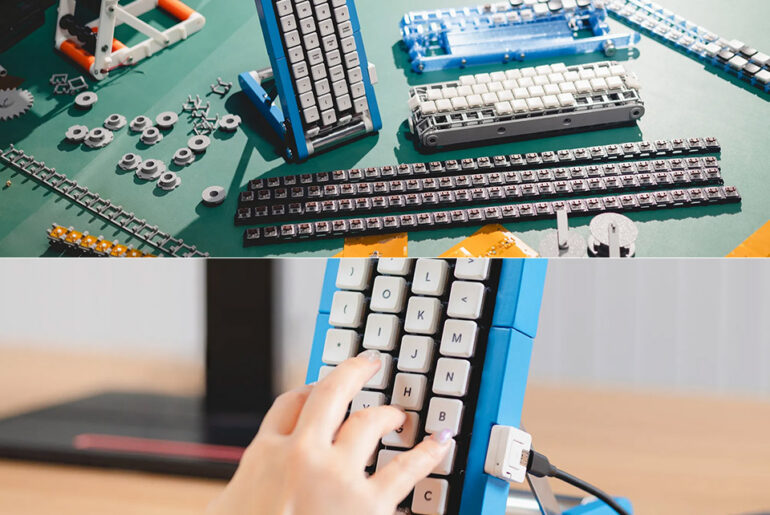
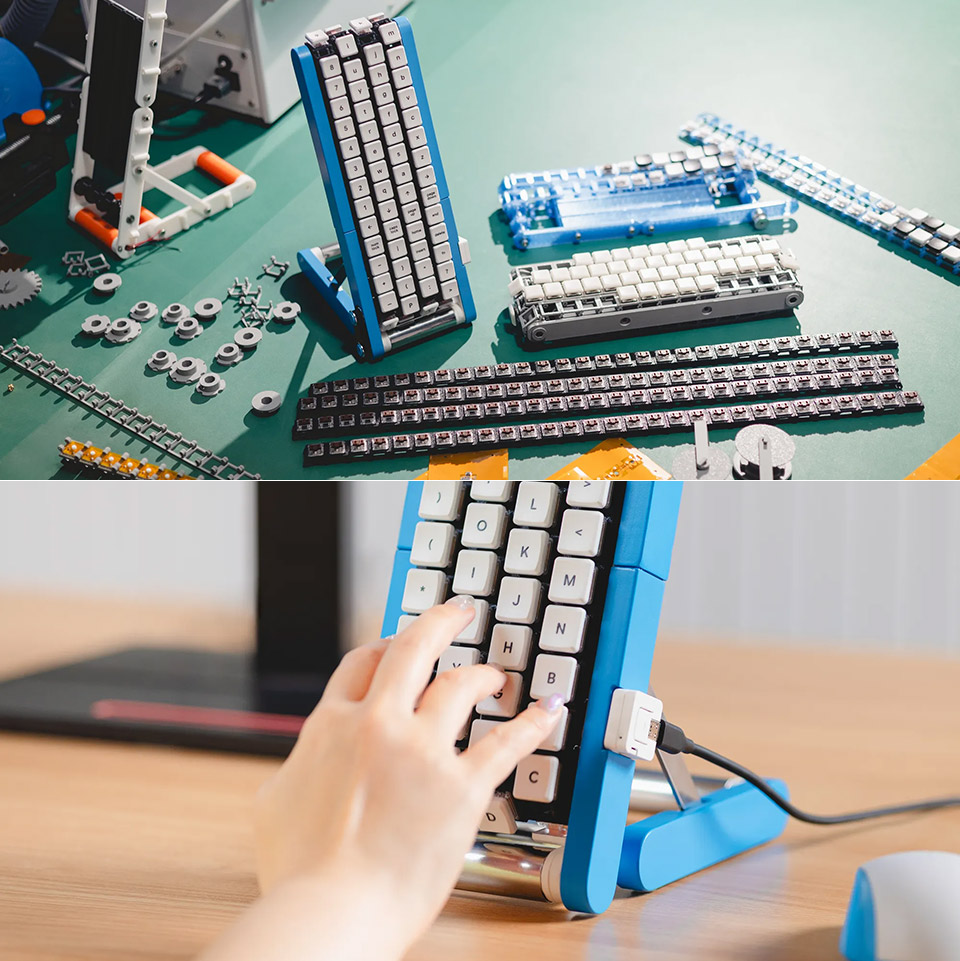
Google Japan marked October 1 with the fifteenth entry in a running series of keyboard proposals from the Gboard team. The date is a small joke on its own. Read as 101, it points at the old full-size layout with a number pad, and the team has used that reading since the company retired its April Fools posts in 2021. This year’s object is called Gboard Conveyor Belt Version, and the name matches the hardware.