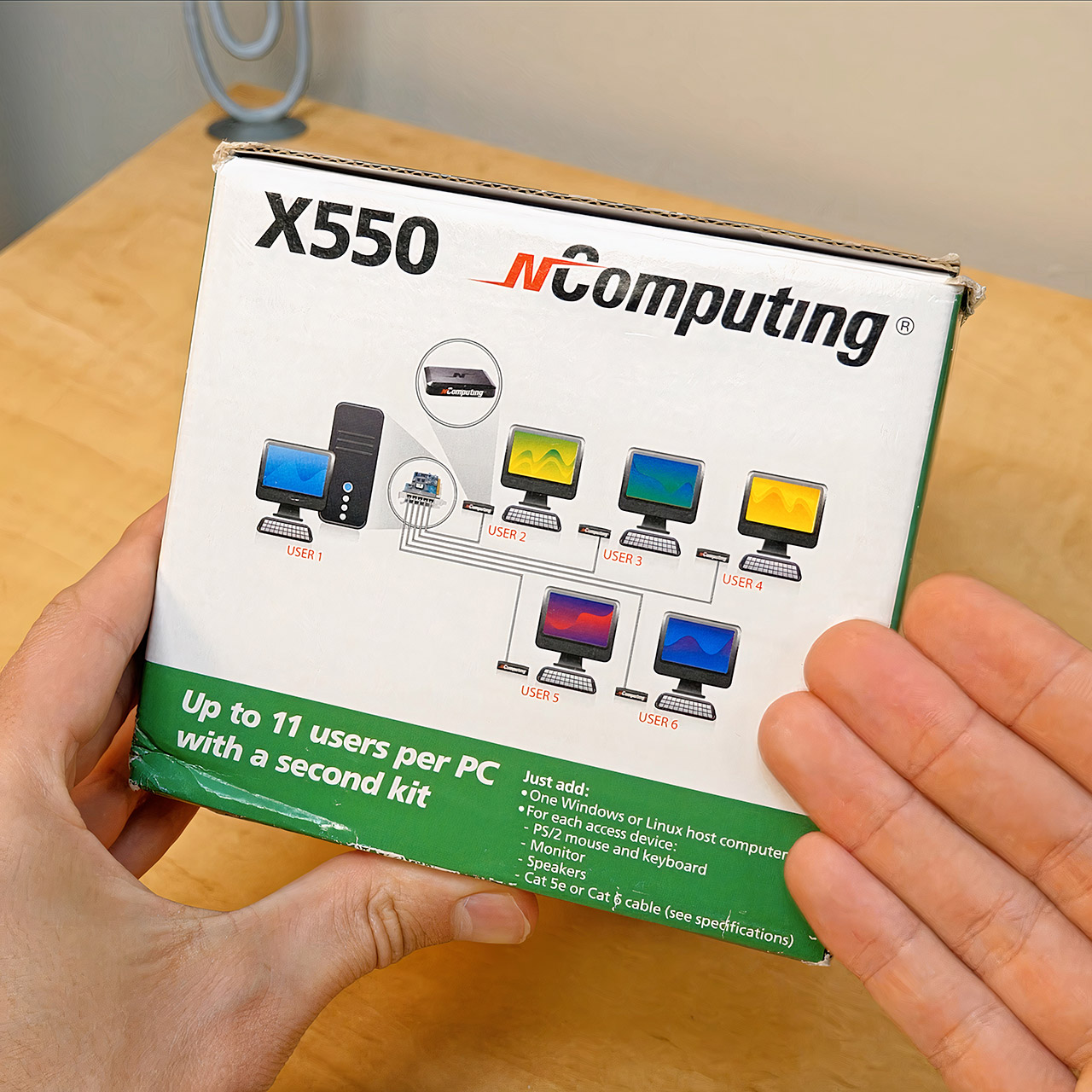
Late in 2008, NComputing boxed a full-height PCI card, five palm-sized terminals, and a disc of vSpace software and sold the kit as the X550 for $449. One kit added five extra seats to a single desktop. Seat six stayed on the host itself, so six people could work at once, each with a private monitor, keyboard, mouse, and speakers. A second kit in a second PCI slot pushed the same tower to eleven sessions.
Each XD2 access device was 119 by 82 by 27 millimeters, weighed nearly nothing, and lacked several components, including a fan, a disk drive, and a built-in CPU. A little green LED on the front lit up, indicating that the device was powered on and had a live connectivity. Round in the rear were three ports: VGA, two PS/2 connectors for keyboard and mouse, and an RJ45 jack that appeared to be an Ethernet connection but was actually something else entirely.
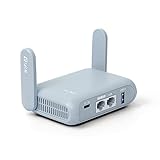
- 【DUAL BAND AX TRAVEL ROUTER】Products with US, UK, EU Plug; Dual band network with wireless speed 574Mbps (2.4G)+2402Mbps (5G); 2.5G Multi-gigabit...
- 【VPN CLIENT & SERVER】OpenVPN and WireGuard are pre-installed, compatible with 30+ VPN service providers (active subscription required). Simply log...
- 【OpenWrt 21.02 FIRMWARE】The Beryl AX is a portable wifi box and mini router that runs on OpenWrt 21.02 firmware. It supports more than...
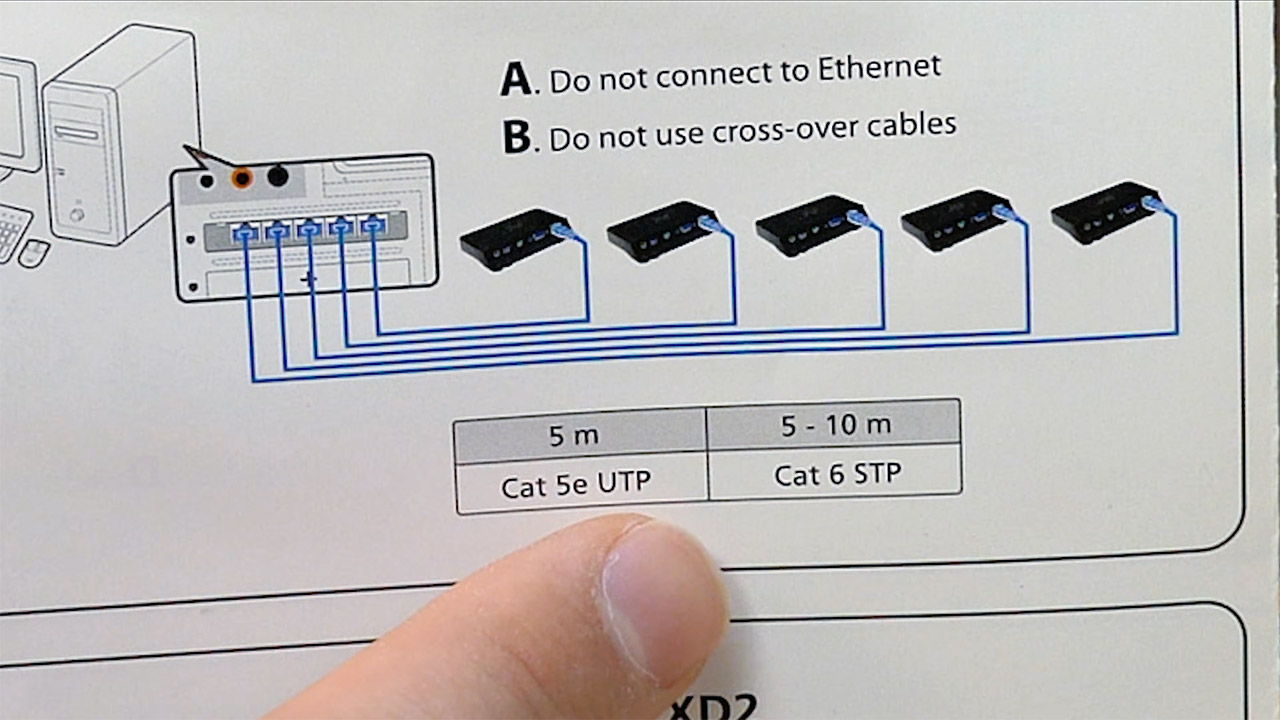
The power, video, and inputs were all routed through a single cable from the PCI card in the host PC. Even unshielded Cat 5e UTP cabling was limited to 5 meters, whereas shielded Cat 6 cabling could reach 10 meters. Going any further would result in an image on the screen while the keyboard and mouse went dark, which is not what you want. The problem is that adding a hub or switch in the middle of the run would terminate the connection because there is no network traffic present. The best thing is that no external power adapter was needed at all. Each additional computer used approximately 1 watt from the host PC.
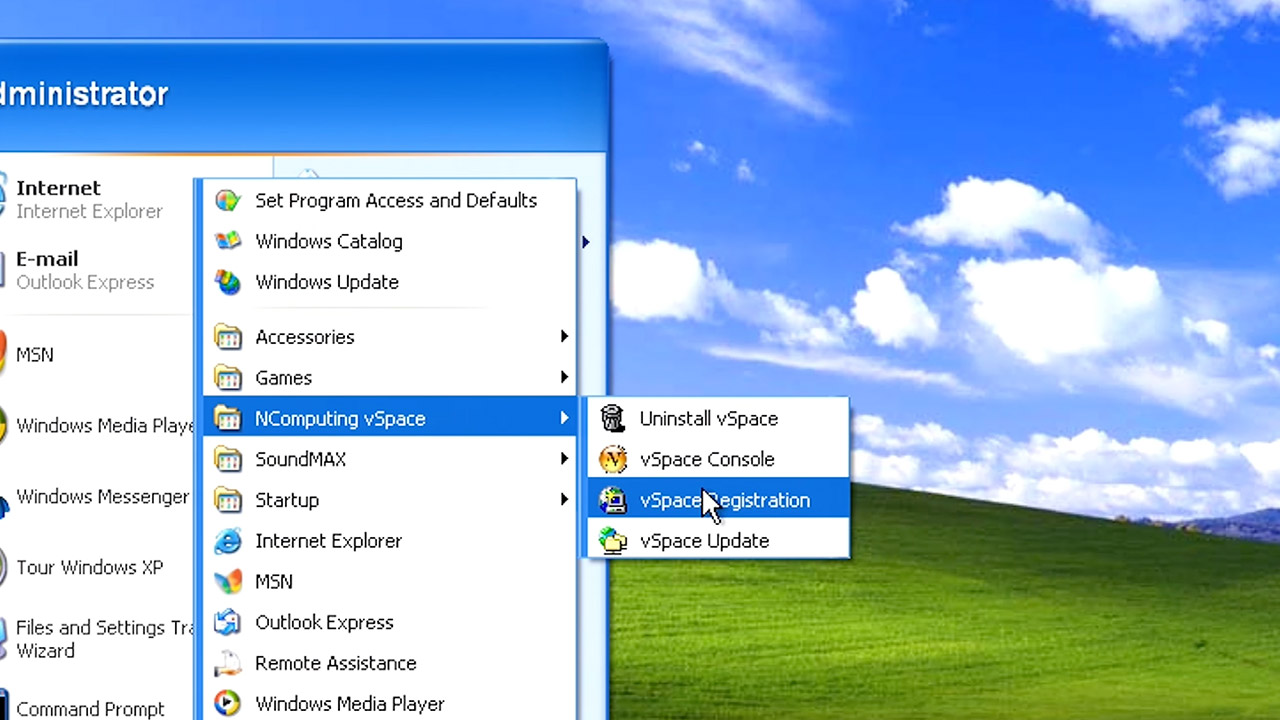
On the host machine, vSpace would partition the entire system into individual sessions for each user. They’d join in with their own accounts, find their own files, settings, and desktop, and then proceed to operate a variety of apps simultaneously, such as a browser, office suite, email, educational software, or even full-screen video. But, and this is a huge but, any application that refused to run a second copy of itself would simply not function with two users simultaneously. USB devices plugged into the host can be assigned to a single station or shared by everyone, depending on your preferences. Any audio signals were routed straight to the speaker socket, remaining local to each monitor. Finally, if you needed to reboot or shut down the host, each session would be terminated simultaneously.
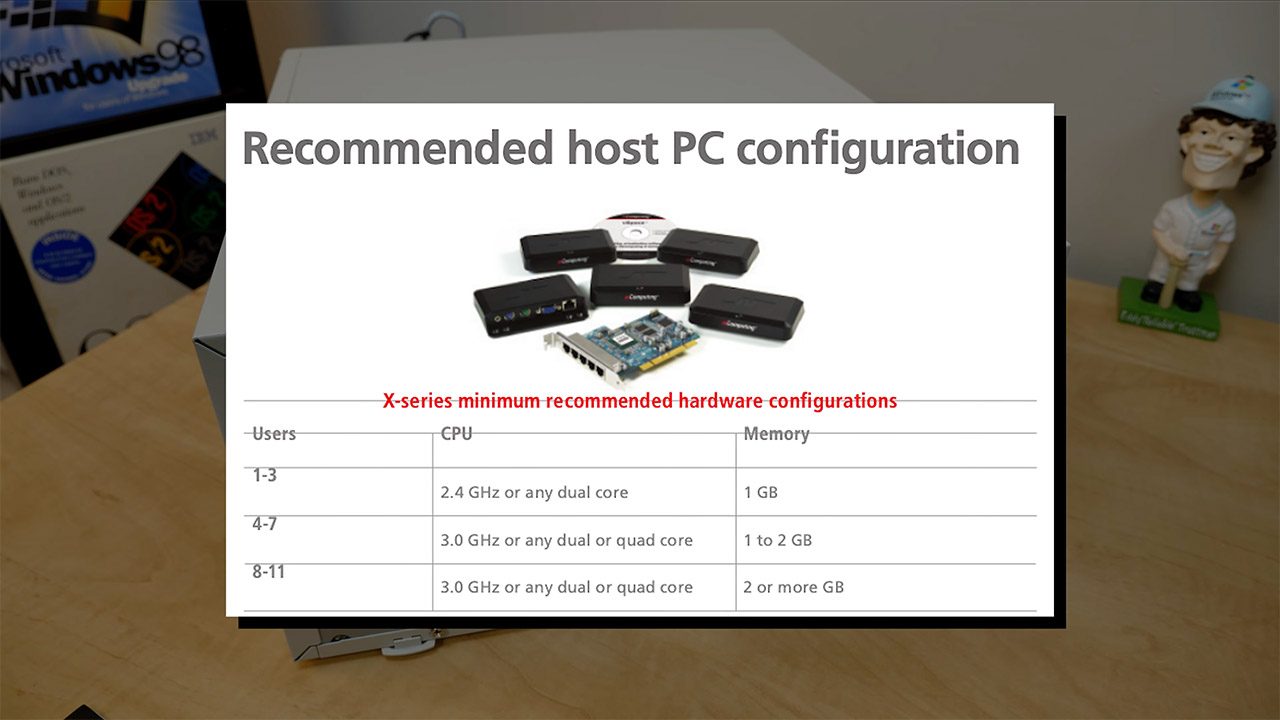
The host PC hardware requirements were rather low for the time. One kit specified a 2.4 GHz processor or any dual-core chip, 1 GB of RAM, and a single free PCI slot. Two kits required a bit more power, specifically a 3.5 GHz CPU and 2 or 3 GB of RAM. They also supported Windows XP Pro, Windows Server 2003, Windows Server 2008, and a few Linux variants such as Ubuntu, albeit XP was more particular about how many additional sessions it would allow. Desktop resolutions included 800×600, 1024×768, 1280×1024, and 1440×900, all with 16-bit color and 60 Hz. NComputing always urged buyers to test their software before assuming it could support six or eleven users.
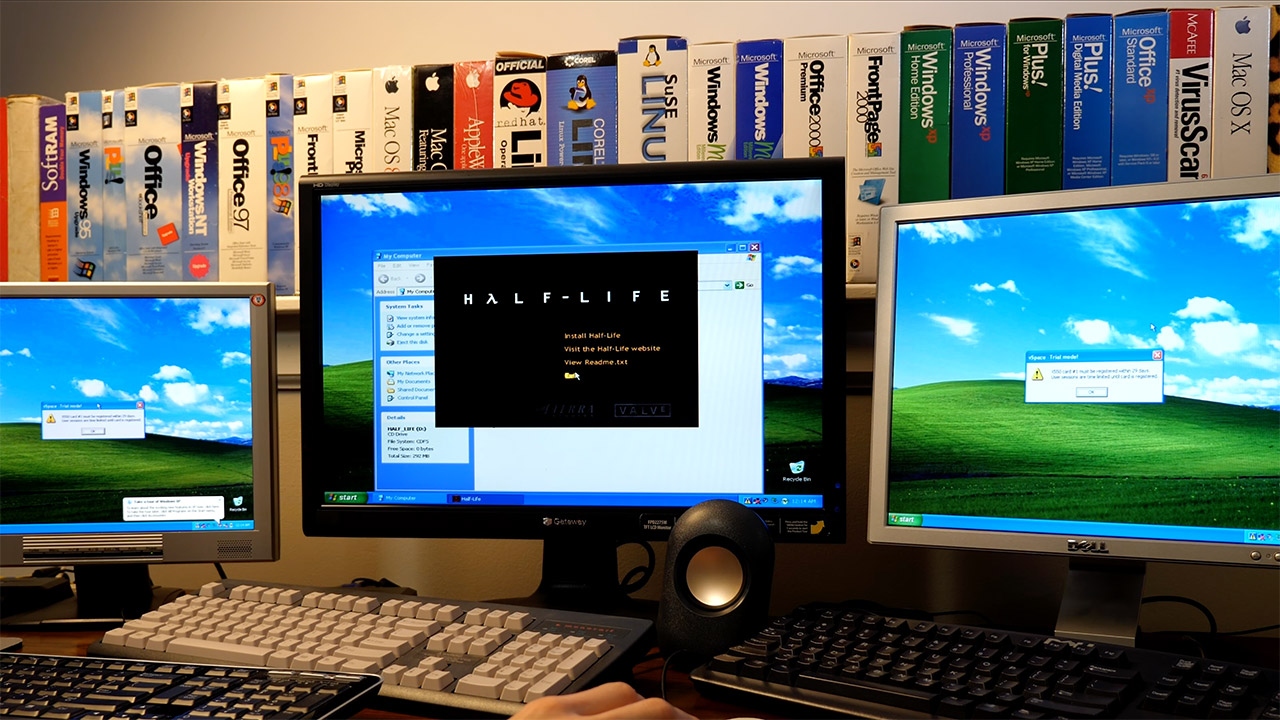
Schools, libraries, internet cafés, and small offices were all very interested in this piece of hardware, especially since most were on a tight budget and one machine was much easier to operate than six. The marketing material went so far as to claim that acquisition and support expenses might be reduced by up to 70%, and given that a normal additional PC would consume approximately 115 watts of power while an XD2 would consume only one watt. As a side note, the X550 received a CES Innovations 2009 Design and Engineering Award, and the X300 kit, which functioned similarly but for three extra users at a lower price, had already reached a million users by 2008.