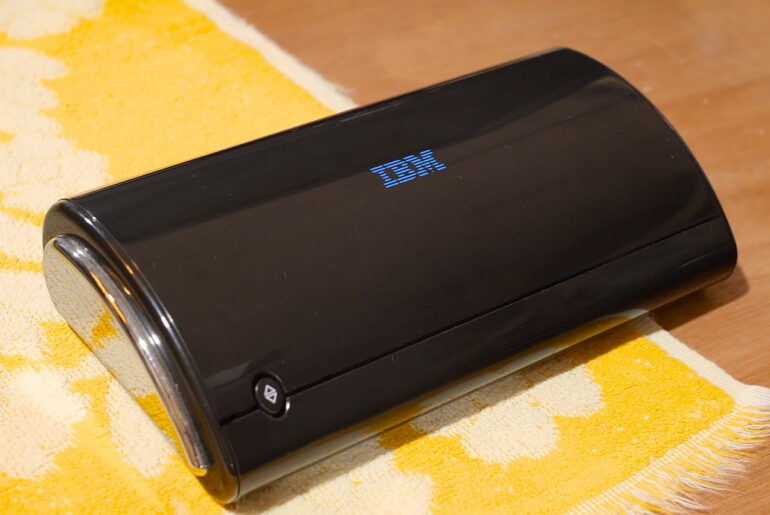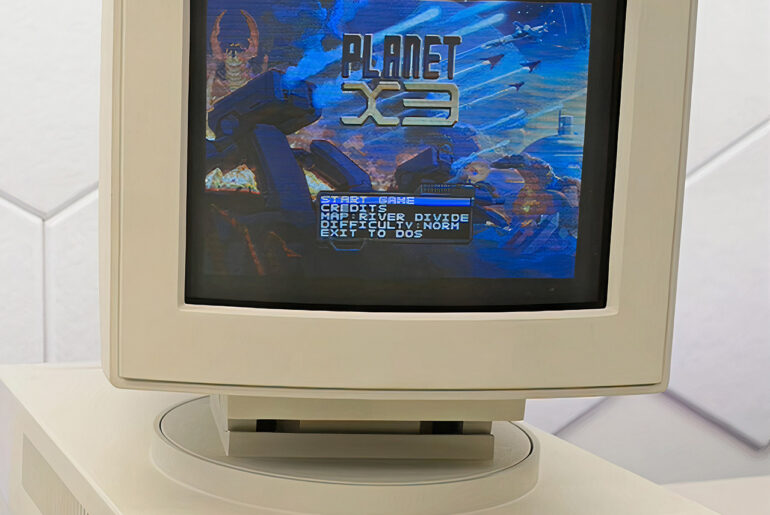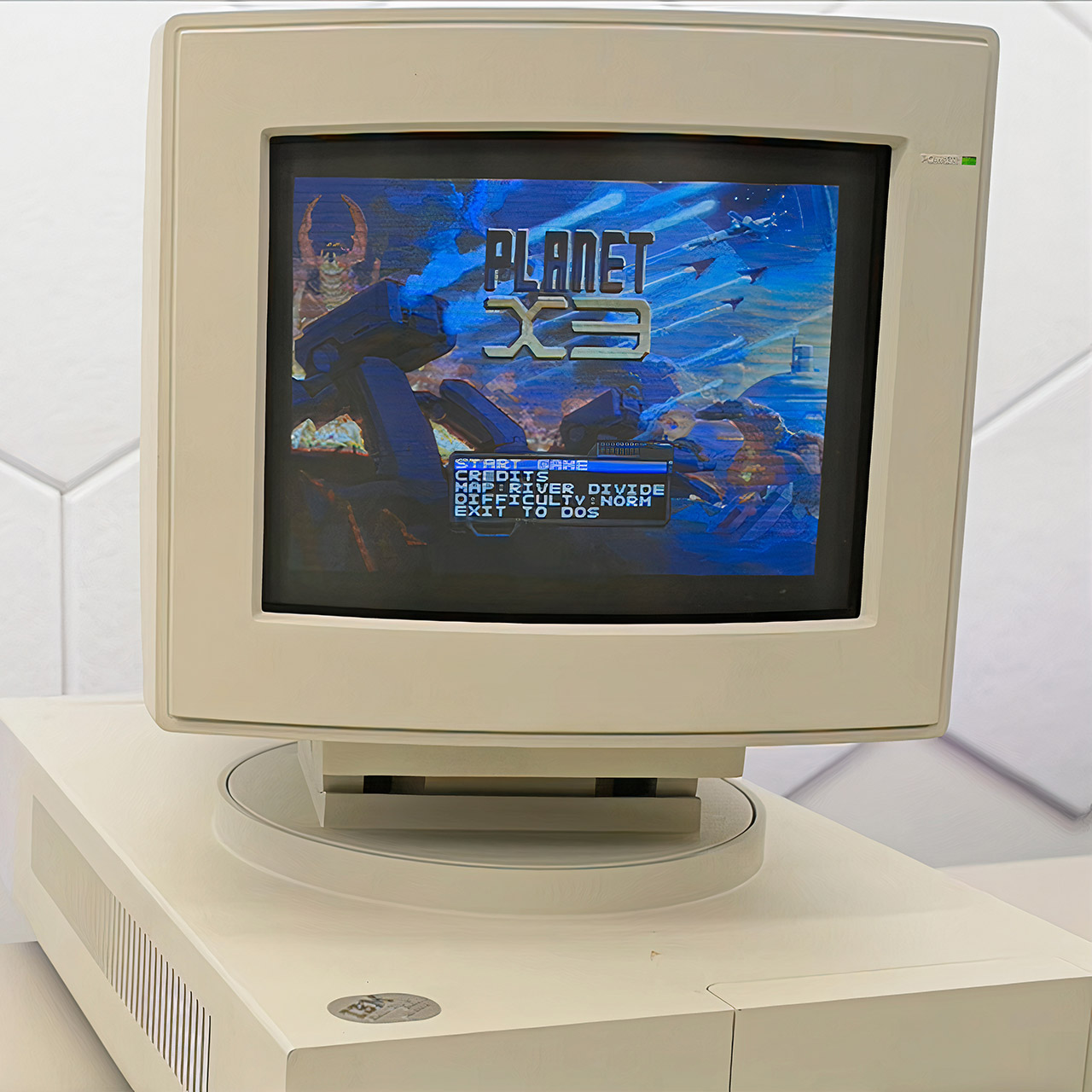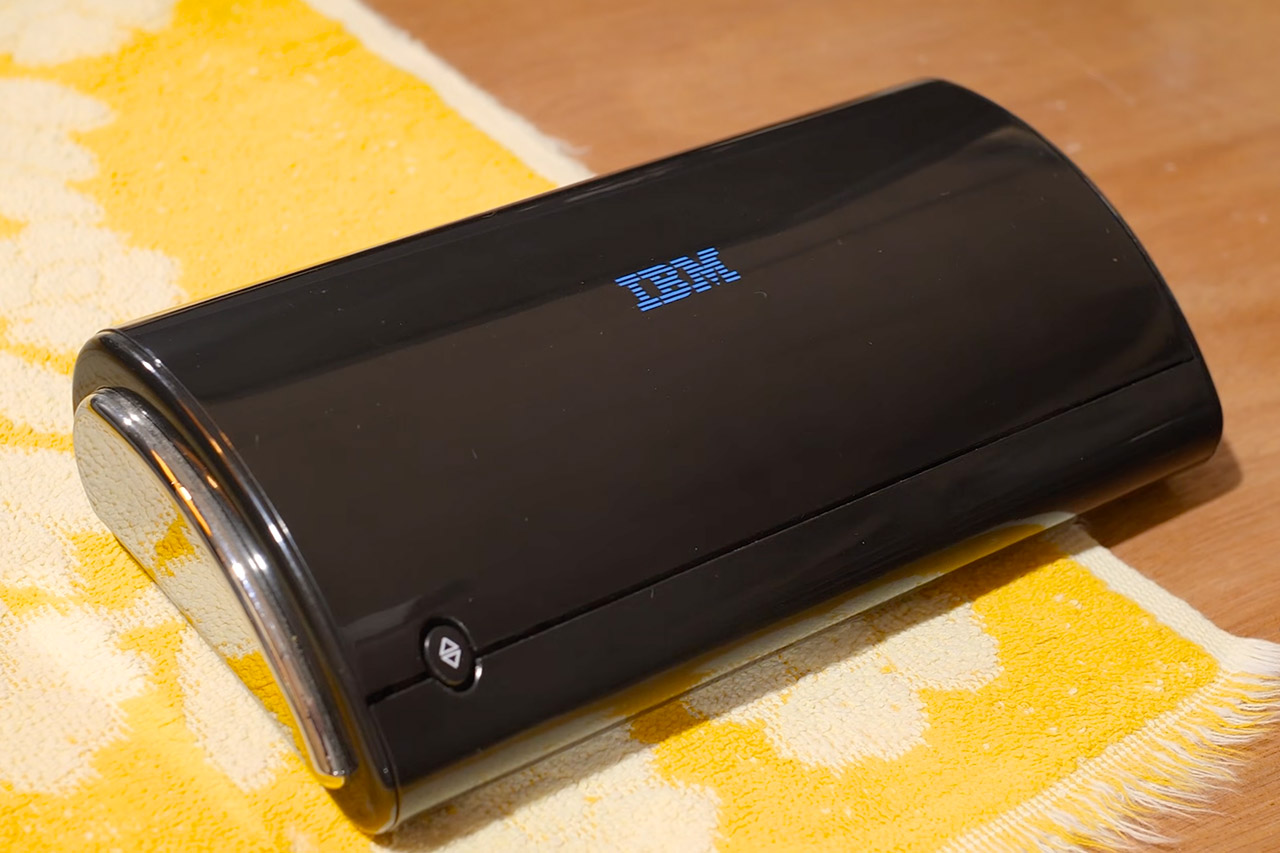
Most people have never seen one. Most never will. Yet a compact computer from the late 1980s, stamped with an IBM type number almost no one recognizes, has drawn a small circle of restorers into years of careful work. Roman of Epictronics recently finished another round of repairs on one of them, the IBM 7496 Executive Workstation, turning a once-dead machine into something that boots, stores files, and even plays period sound.

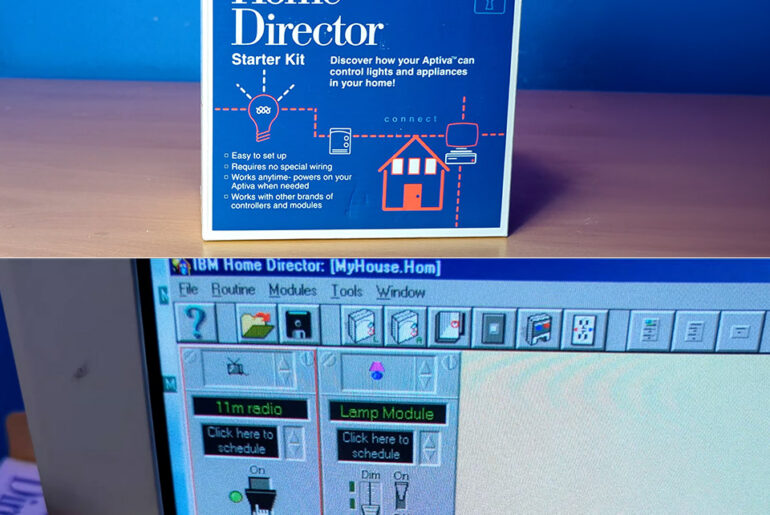
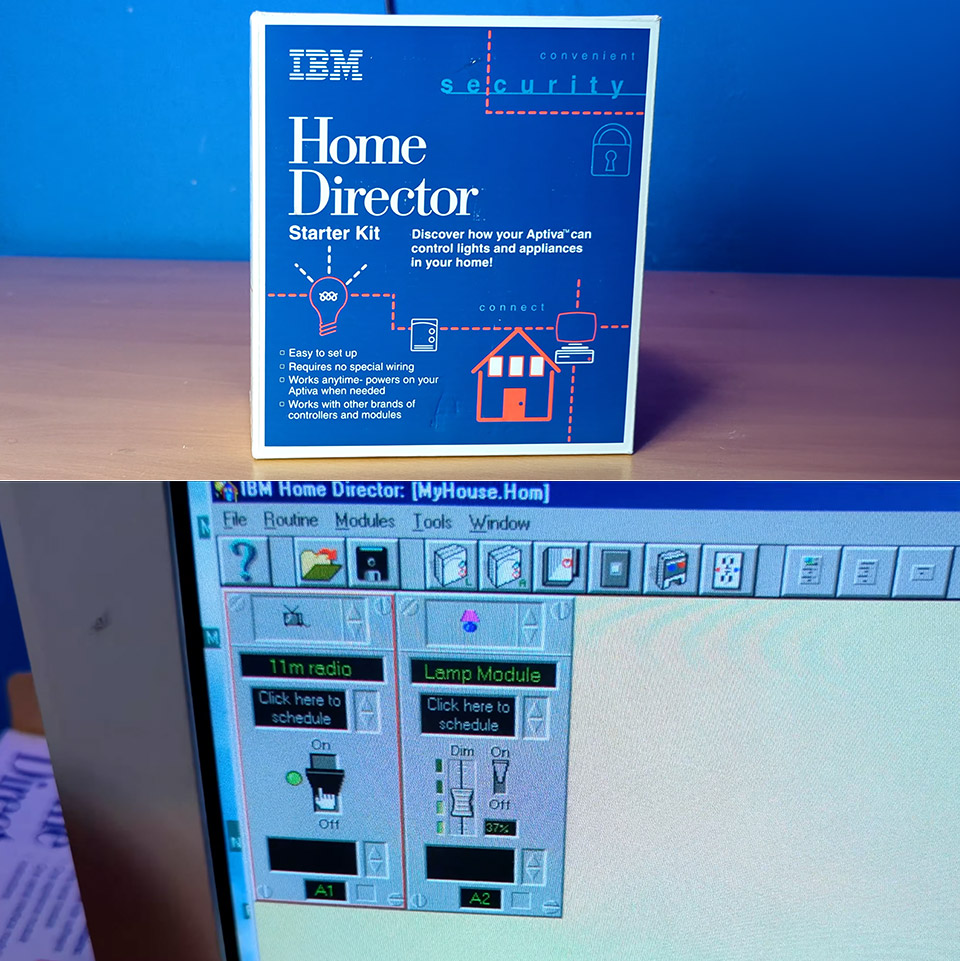
Personal computers had begun appearing in more homes by the middle of the 1990s. Most still served for work, games, or early internet browsing. IBM saw a chance to give those machines another job. The company introduced Home Director as a way for an Aptiva desktop to handle lights, appliances, and basic security routines without new wiring or professional help.

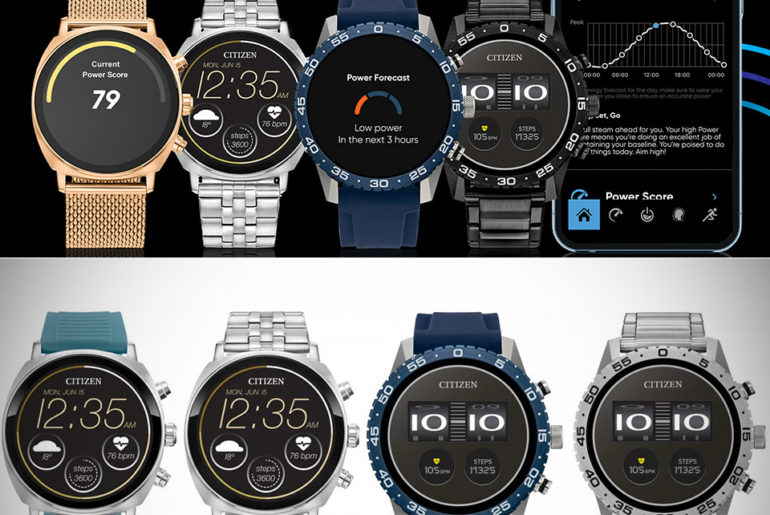
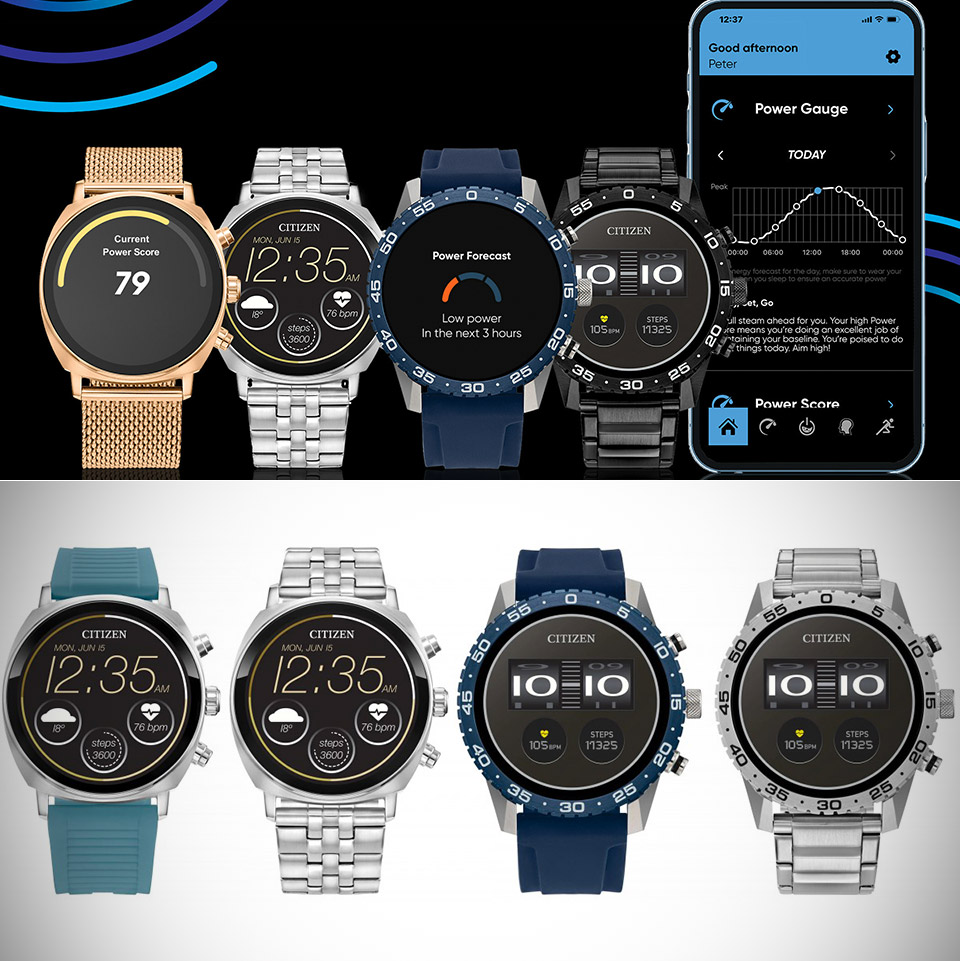
You can’t use the second-generation Citizen CZ smartwatch like a desktop computer, but it does have IBM and NASA technology. More specifically, the CZ Smart YouQ application uses neural networks developed within the IBM Watson Studio workspace to learn and understand the wearer’s preferred timing of sleep and wake within 7-10 days.

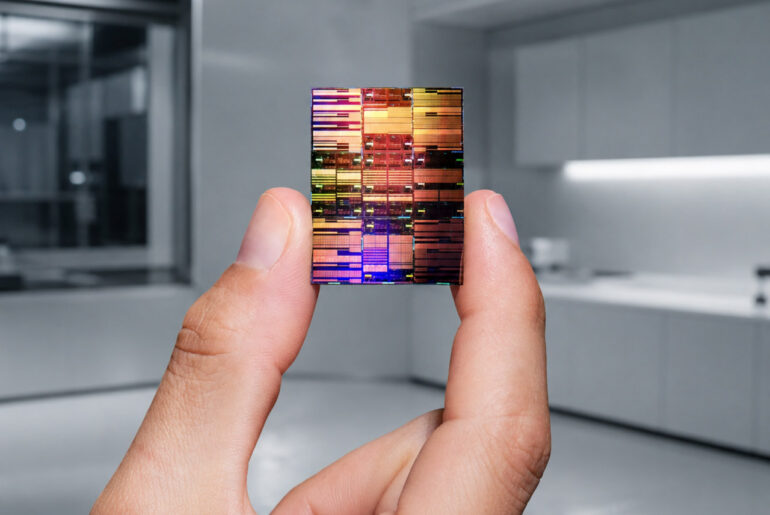
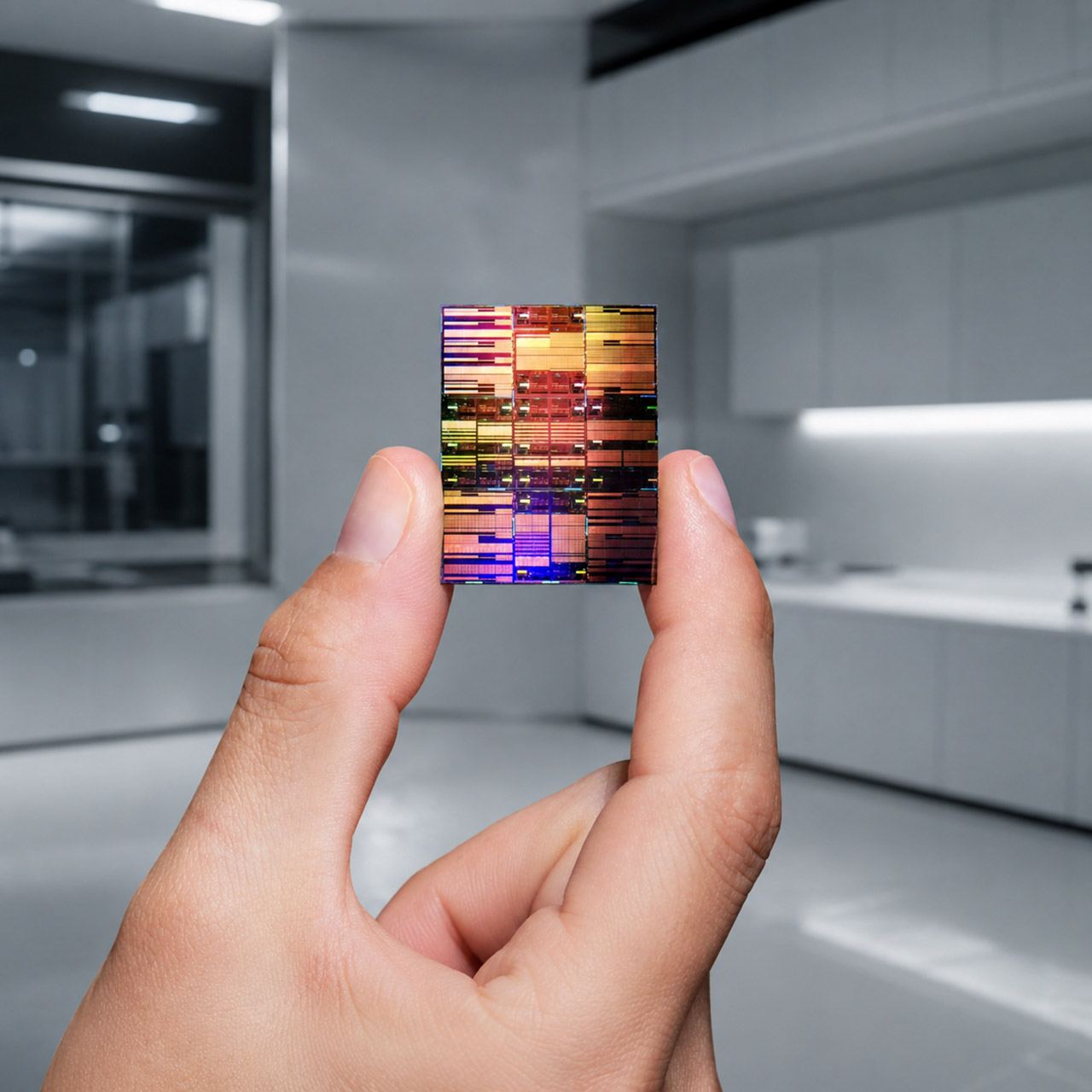
The all-new IBM Osprey boasts the largest qubit count with 433 qubits, which more than triples the 127 qubits on the IBM Eagle processor introduced in 2021. This gives it the potential to run complex quantum computations far beyond the computational capability of any classical computer. In other words, the number of classical bits required to represent a state on the IBM Osprey processor far exceeds the total number of atoms in the known universe.