Tag

Robots

Browsing

Dynamic Creatures Hugo Robot
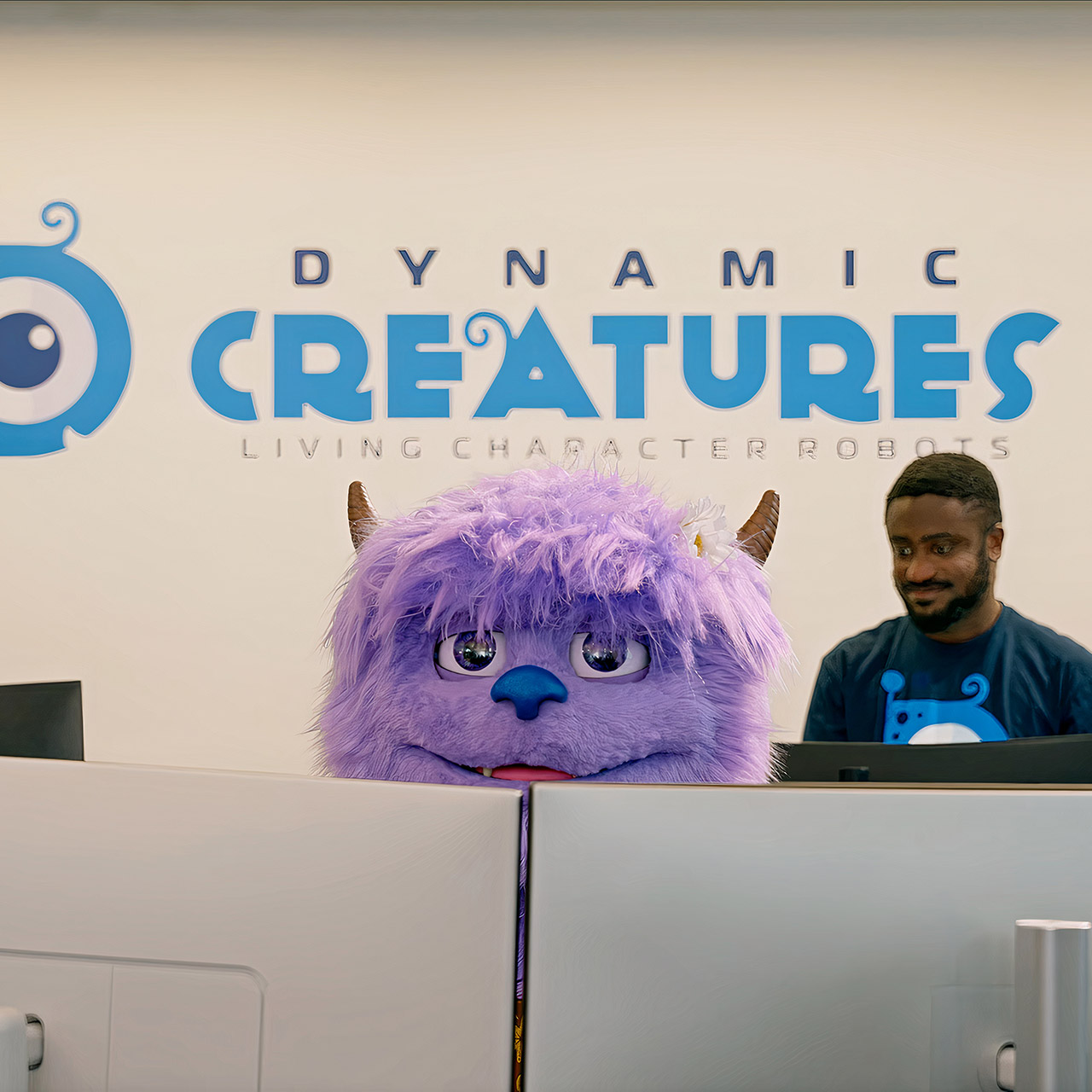
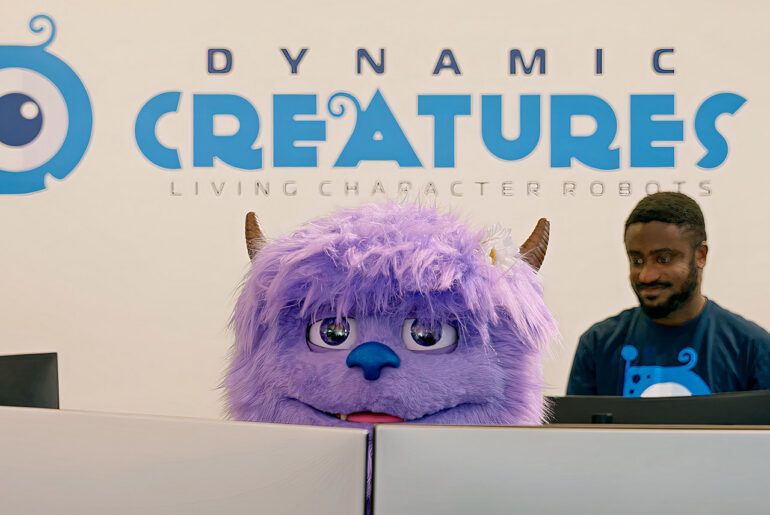
Hugo appears as a purple, furry figure with small horns, a blue nose, a flower tucked into its hair, oversized hands, and either embroidered shorts or leather lederhosen. In video released by the Cambridge startup Dynamic Creatures, this bipedal character walks through an office, high-fives engineers, hugs children, and dances while carrying a small backpack. The company calls it the first living character robot, meant to move freely among people rather than stay fixed in one spot like traditional park figures.
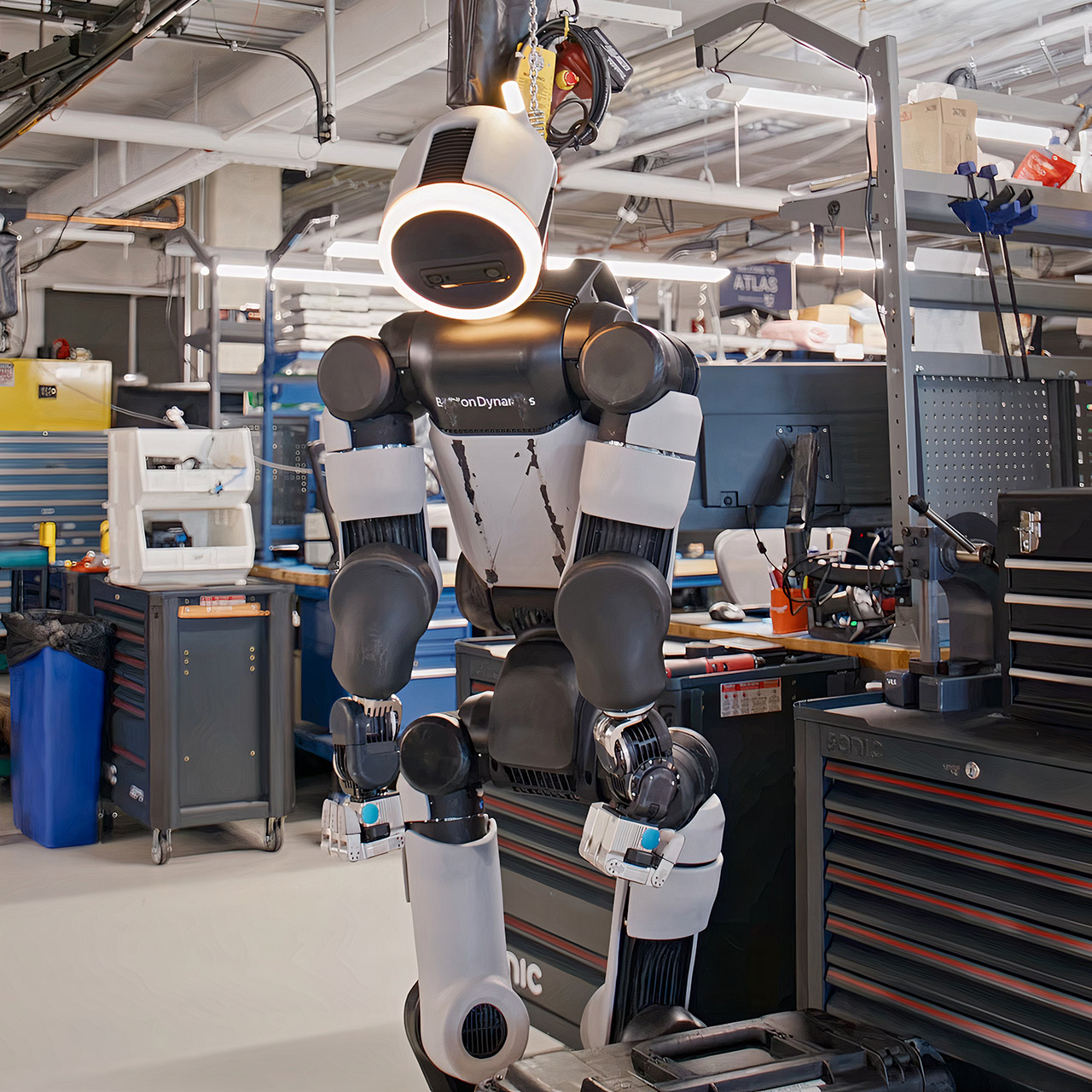
Boston Dynamics Workshop How Atlas is Made
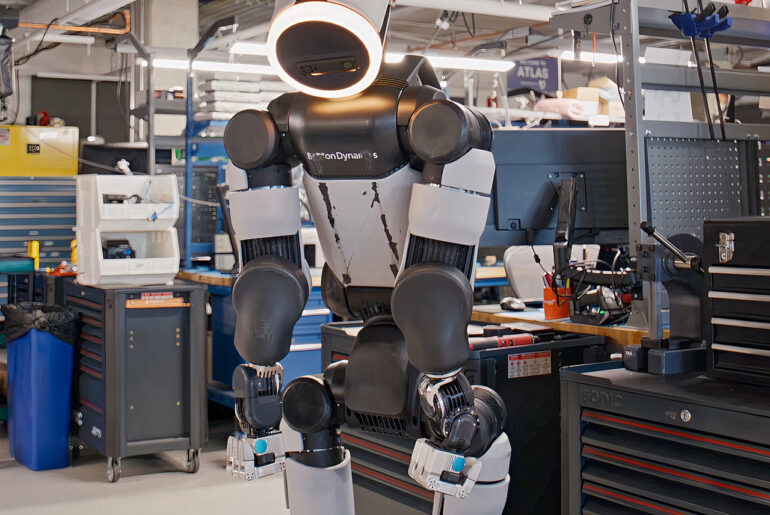
Visitors walking into the Waltham, Massachusetts shop floor often arrive expecting a loose collection of experimental machines, only to find rows of workstations that already resemble a working production line. Boston Dynamics keeps machining, assembly, and repair in the same building so every Atlas unit can move from raw material to a finished, tested robot without leaving the facility. Sr. Technical Program Manager Katie Conner notes that building one robot used to count as a major multi-day effort just a year earlier. The same process now finishes in roughly a single day, with a stated target of one hour by 2027 and minutes in the years after that.

NeodraDynamics Neo1 13-Foot-Tall Robot
Photo credit: Polymarket
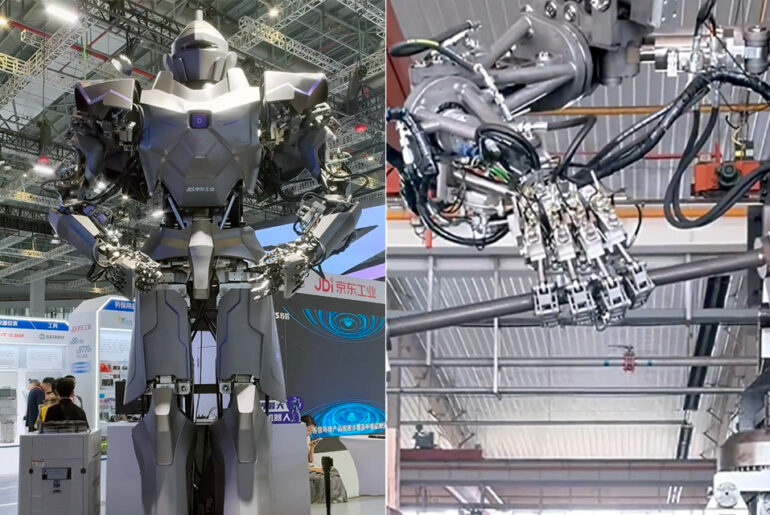
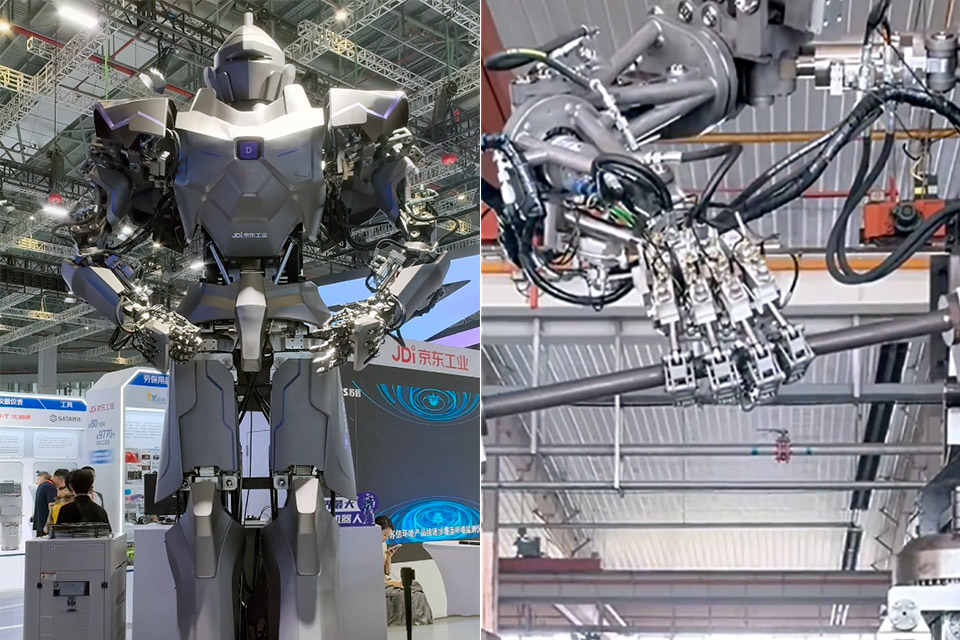
Visitors walking the floor of the 2026 China International Industry Fair in Beijing came face to face with a machine that stands four meters tall and weighs 1.2 tons. Neo1 from NeodraDynamics Robotics Technology does not look like the smaller electric humanoids that have spent years practicing in labs. Its frame uses a hydraulic-electric hybrid drive, with 39 of its 41 active joints powered by miniature digital hydraulic linear actuators the company built itself. Each of those actuators weighs roughly one kilogram yet produces continuous thrust measured in tons. The remaining two joints, both rotational points in the forearms, rely on electric drives.

BrainCo Intelligent Robot Hand
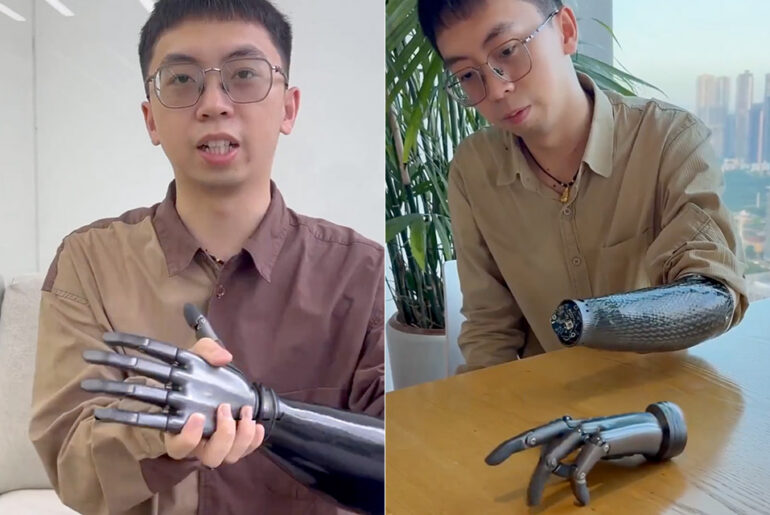
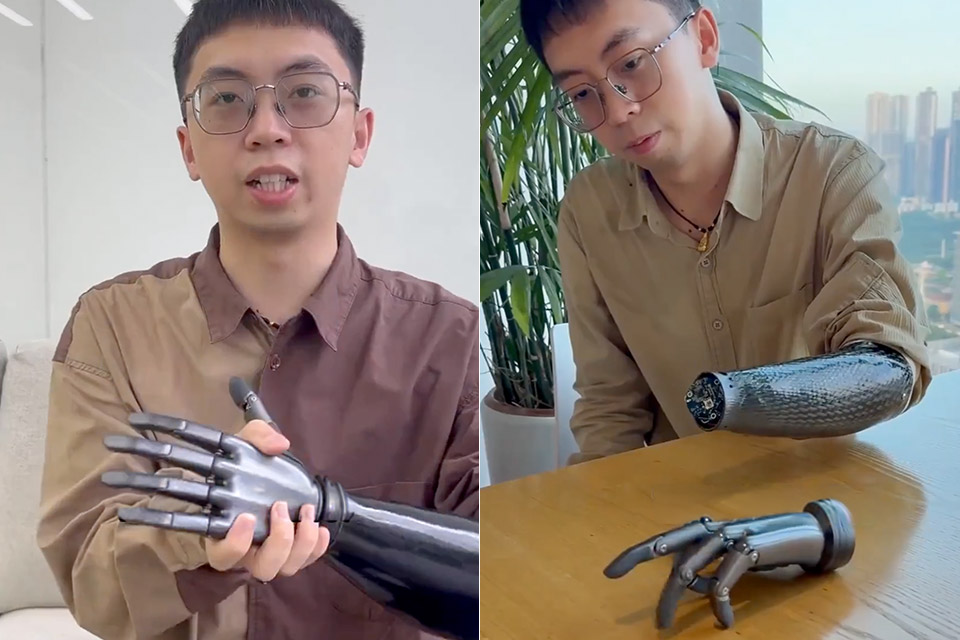
Users who have lost a hand can now move individual fingers on BrainCo’s prosthetic by reading a mix of signals that still travel through the remaining arm. Sensors in a simple cuff against the skin detect the electrical activity that muscles produce when a person tries to move, along with the weaker neural impulses that accompany those intentions. Software then converts the combined readings into separate commands for each finger, with a lag of about 0.38 seconds and positioning accuracy down to a tenth of a degree.

Kuka Robotics Robotic Arm Touchless Car Wash
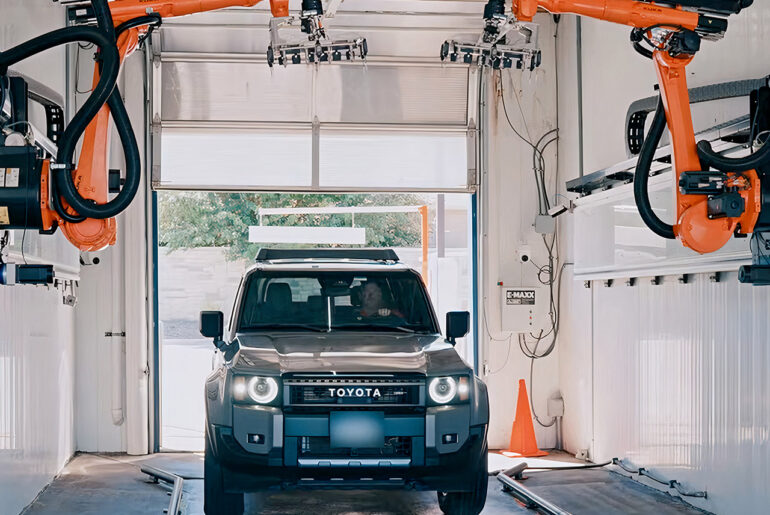
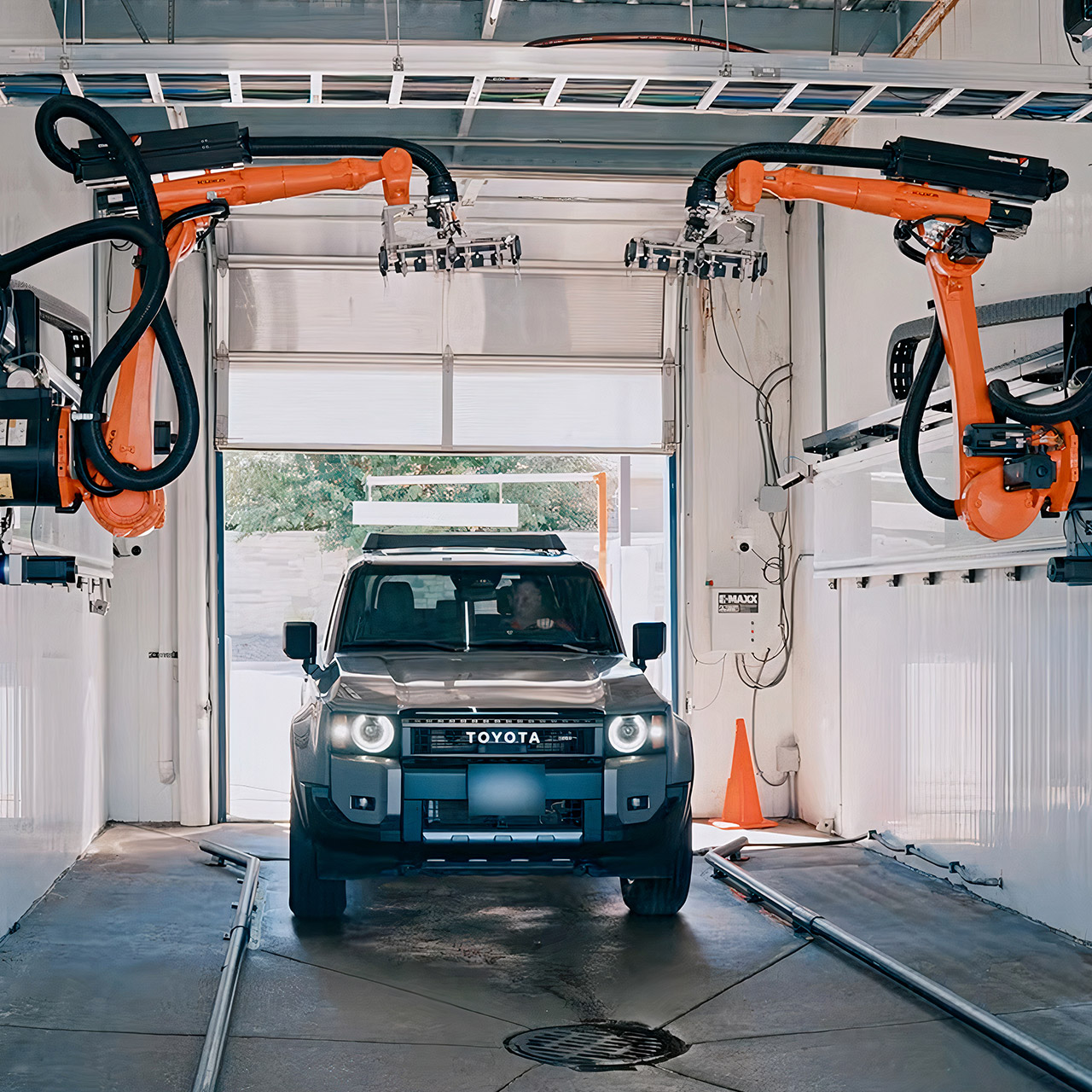
Drivers pull into a bay expecting the same spray pattern every time, yet modern vehicles keep changing shapes, sensors, and contours that older equipment never anticipated. Autowash founders Dennis and Erin Dreeszen recognized this mismatch years ago after building their Denver-based chain of touchless self-serve washes from a single site in 2013 to more than two dozen locations. Conventional machines relied on decades-old designs that struggled with electric vehicles and accessories, so the couple decided to rebuild the process around industrial arms rather than fixed nozzles.

Gemini 4 Argon for Robots
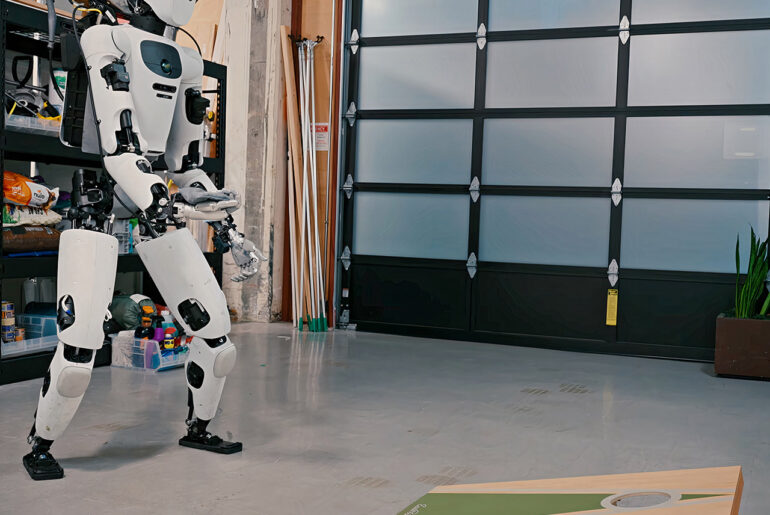
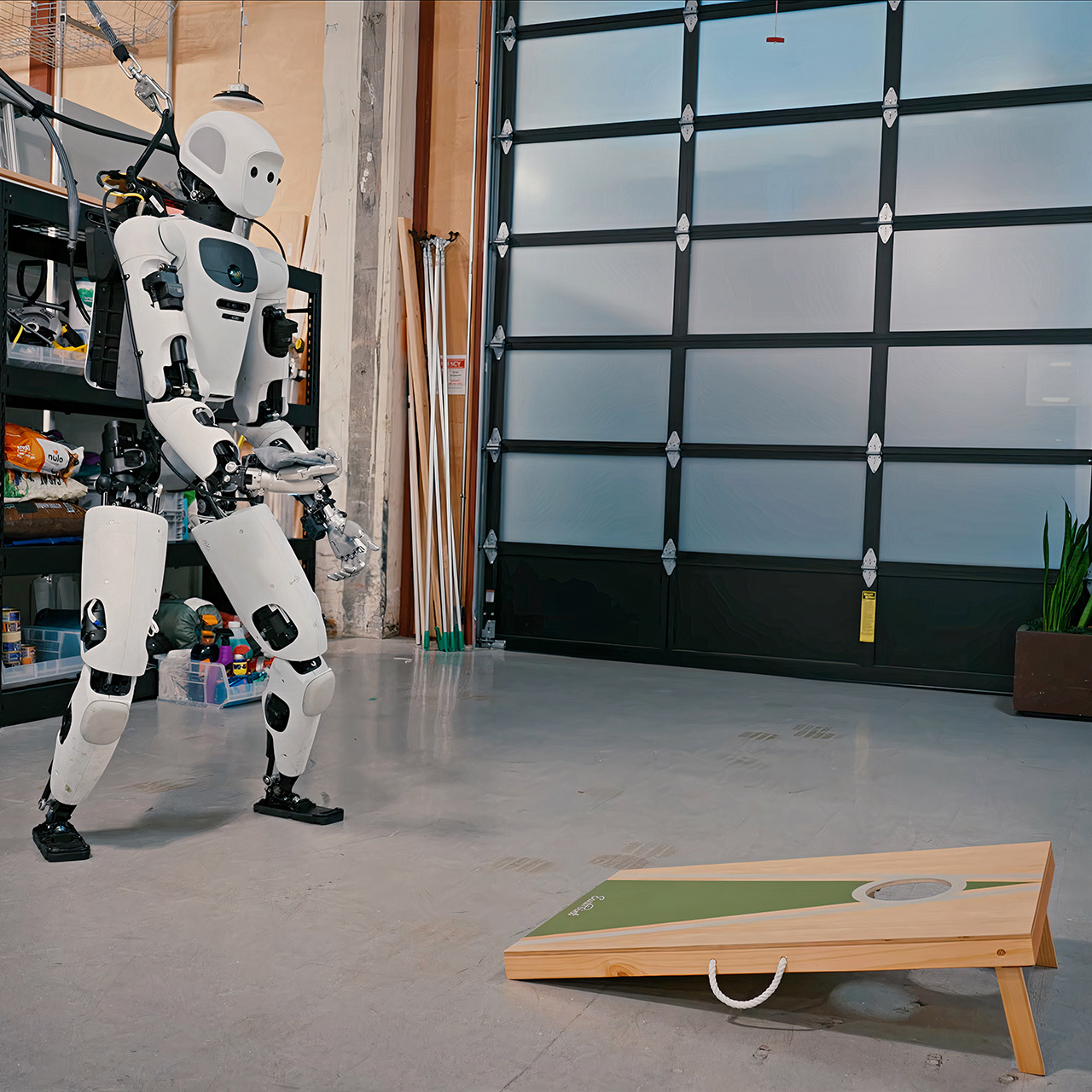
Google DeepMind showed this week that Gemini 4 Argon can watch a short video of a person tossing beanbags into a cornhole board, map the arm swing and release point onto a humanoid’s joints, build a full physics simulation of the robot and the board, practice the motion until the hand clears the hip cleanly, then transfer the result to Apptronik’s Apollo humanoid. On real hardware the robot sank seven consecutive shots. Researchers described the sequence as turning ordinary video into a scalable training ground that compresses weeks of manual simulation modeling into a few hours.

UCLA PhoneBot Smartphone Robot
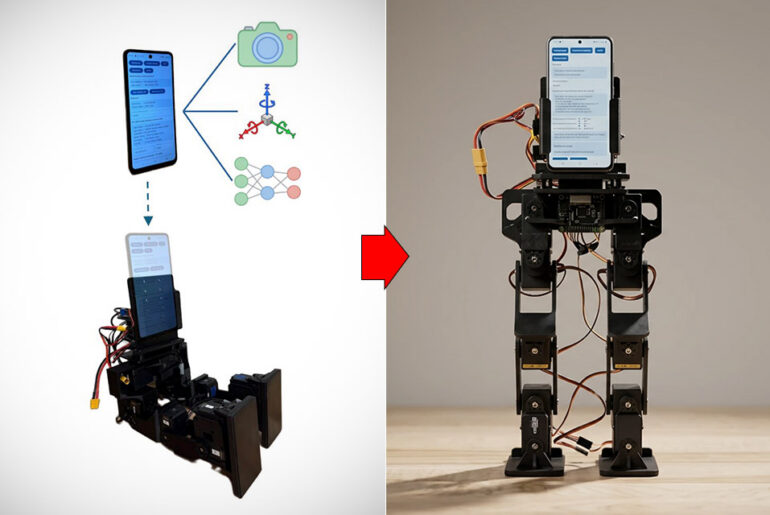
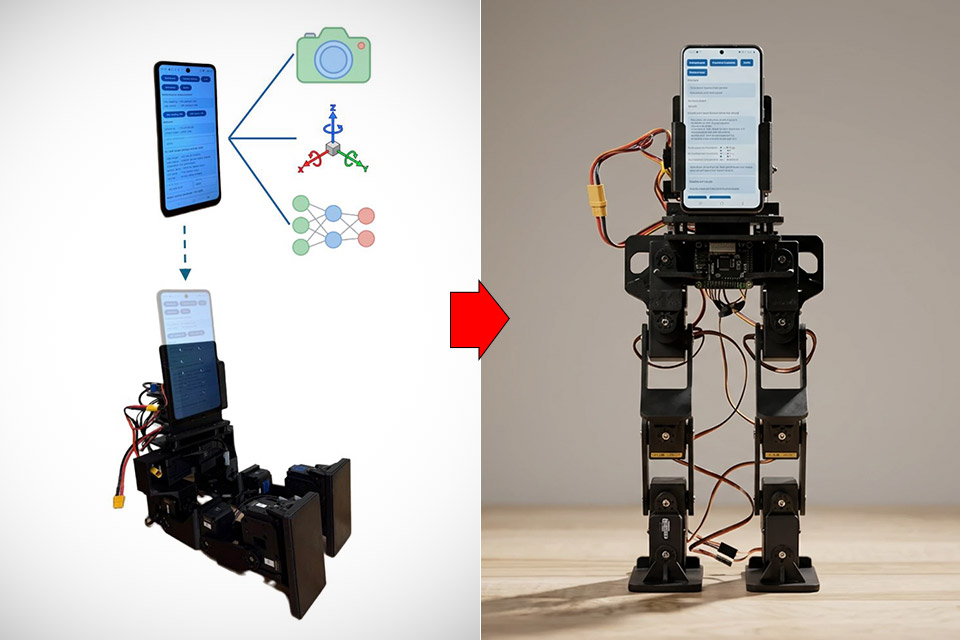
Photo credit: Ruochen Hou et al. / RoMeLa, UCLA / New Atlas
Old Android phones sitting unused in drawers can now serve as the central brains for a compact walking robot that stands about nineteen inches tall and weighs under four pounds. Researchers at UCLA’s Robotics and Mechanisms Laboratory built PhoneBot as an open-source platform that mounts a commodity smartphone as the torso, relying on the phone’s camera, motion sensors, processor, and wireless connection to handle vision, balance sensing, and movement calculations. Hardware costs for the body, motors, and supporting electronics run around four hundred dollars, leaving the phone itself as the main variable. The design deliberately keeps electronics simple so that swapping one phone for another requires no rewiring.

DEEP Robotics DR02 Humanoid Robot Traffic Officer
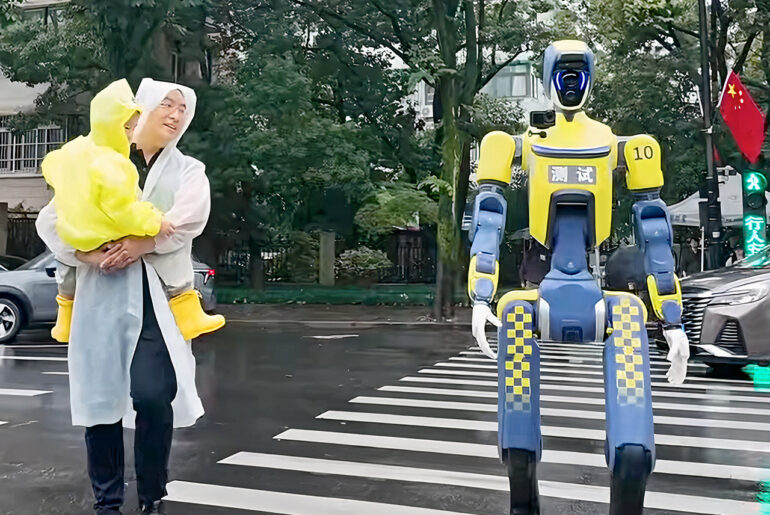
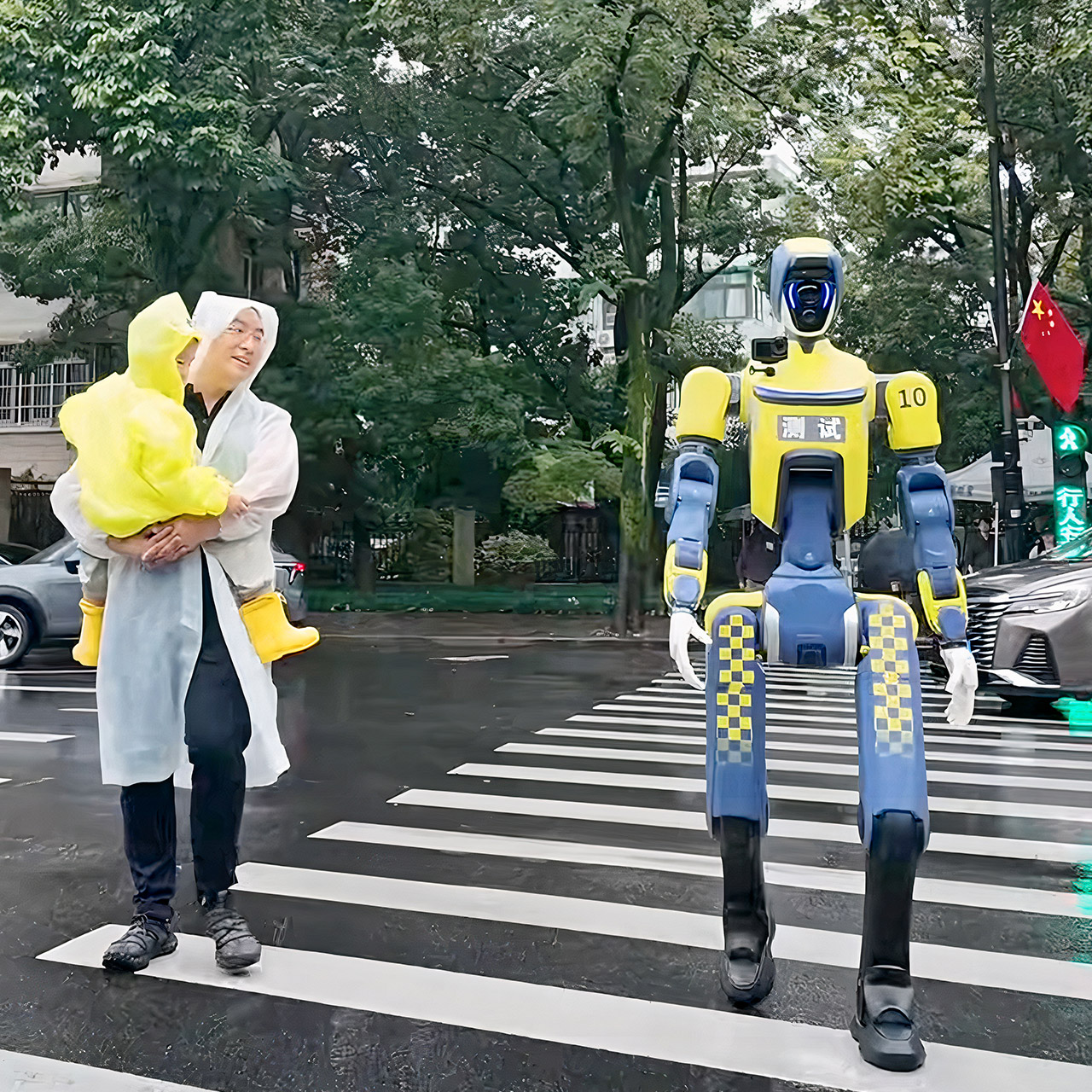
Early October brought steady rain across Hangzhou, packing scenic spots, commercial areas, and event venues with visitors and vehicles that strained local traffic crews. Against that backdrop DEEP Robotics sent a batch of its DR02 humanoid robots into Xihu District for practical trials at busy intersections and tourist sites. Units took positions on Zheda Road and West Wenyi Road in Lingyin Subdistrict, where they handled traffic direction, order maintenance, and basic consultation while others worked the heavier visitor flows at Xixi National Wetland Park.

University of Washington DirectHop Jumping Hopping Robot
Photo credit: Mark Stone/University of Washington
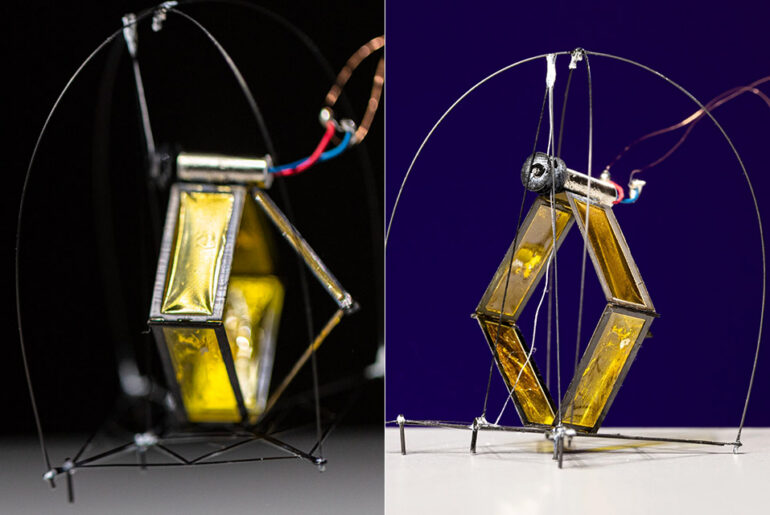
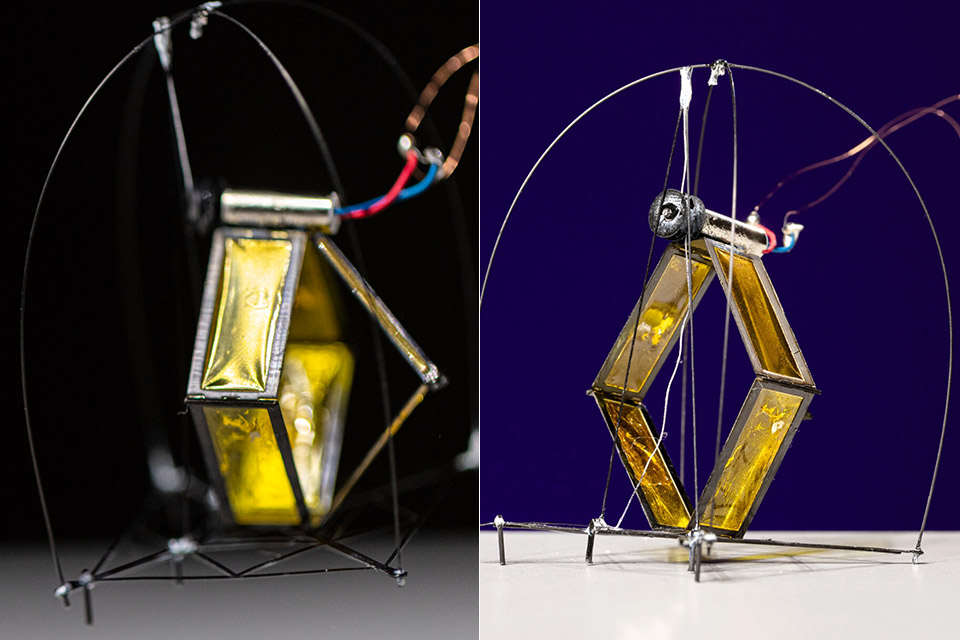
University of Washington engineers have built DirectHop, a one gram robot small enough to sit in a palm that clears a standard stair step while setting its jump height to single centimeter accuracy. The prototype performs multiple hops in sequence and rights itself after most landings, steps toward an autonomous version that could move through varied spaces.

AGILINK Omnilink Ultra 3 Robot Hand Suzhou Embroidery
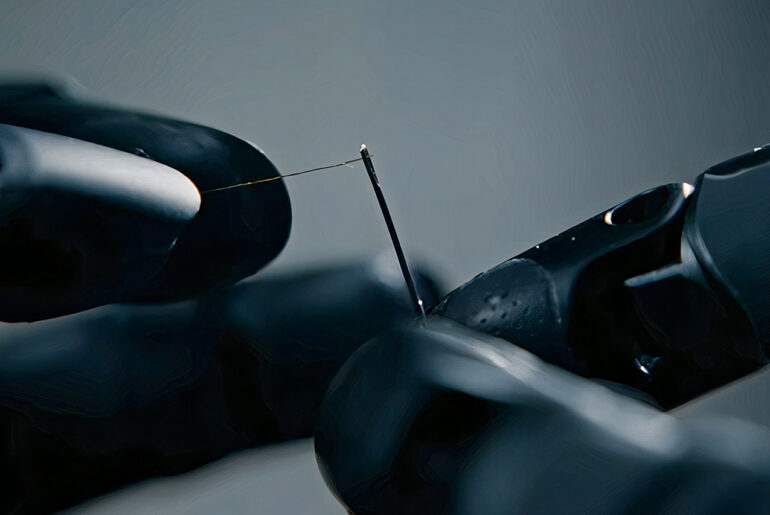
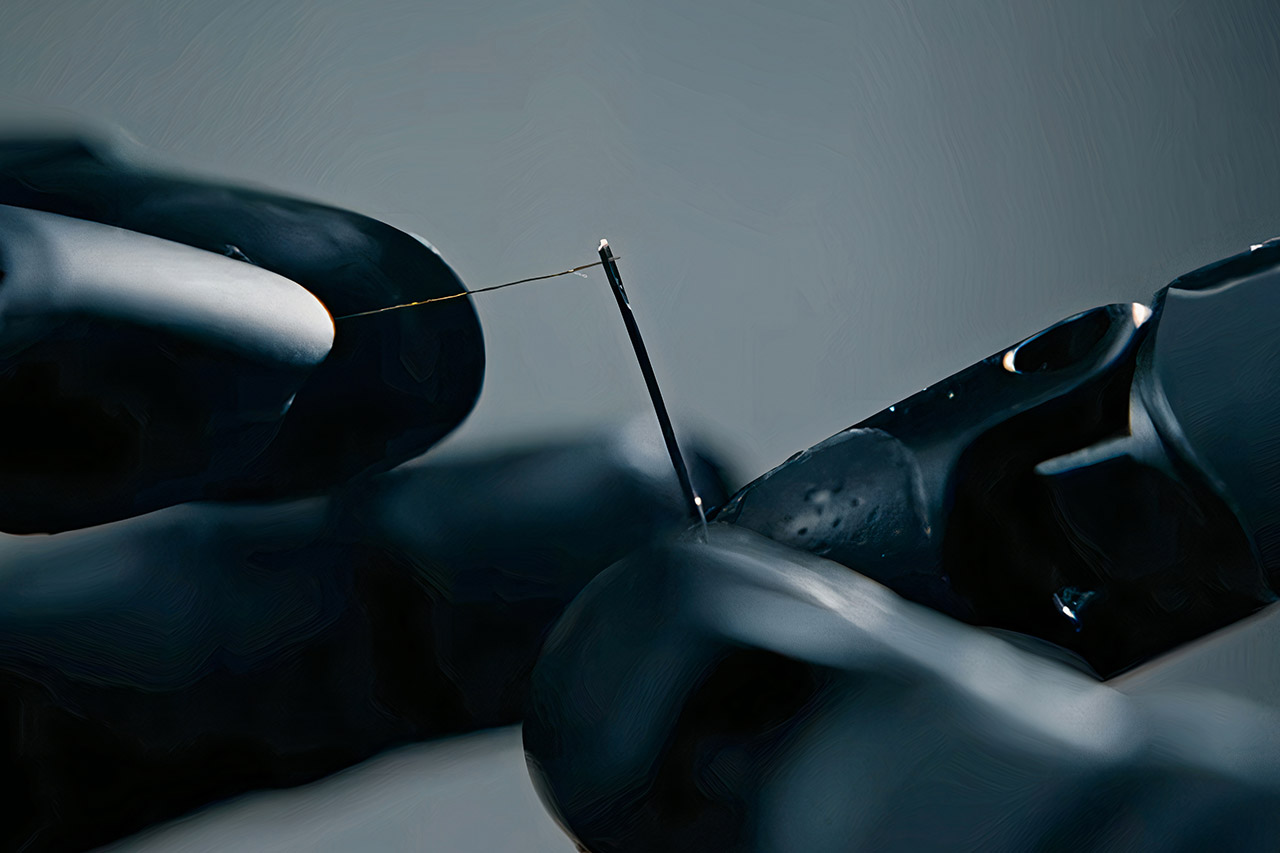
Silk bends, slips, and changes shape the moment a fingertip presses a little too hard. In Suzhou, master embroiderer Fu Xianghong spent a session teaching AGILINK’s OmniHand 3 Ultra the opening moves of a craft that runs back more than 2,500 years: separating a main silk thread into 16 finer strands, threading a needle, stretching fabric across a hoop, and putting in the first stitches. One finger teases the strands apart while the others hold tension so the thread does not collapse. For a twist, opposing fingertips stay in contact and let the silk turn without losing their grip.