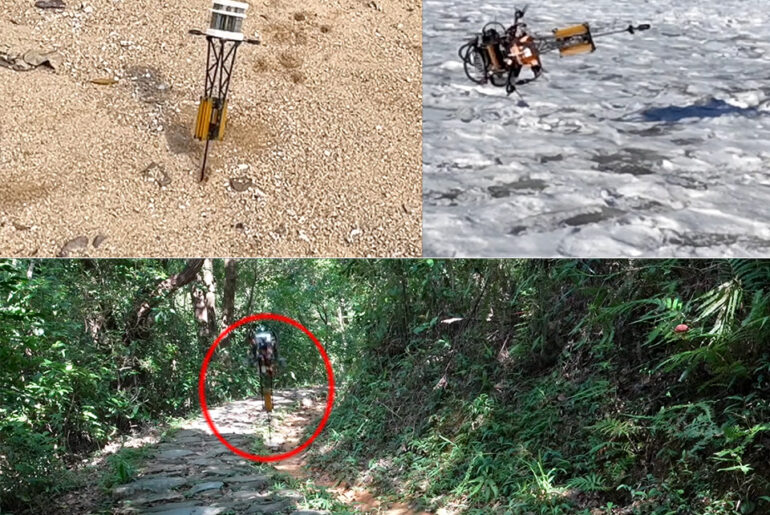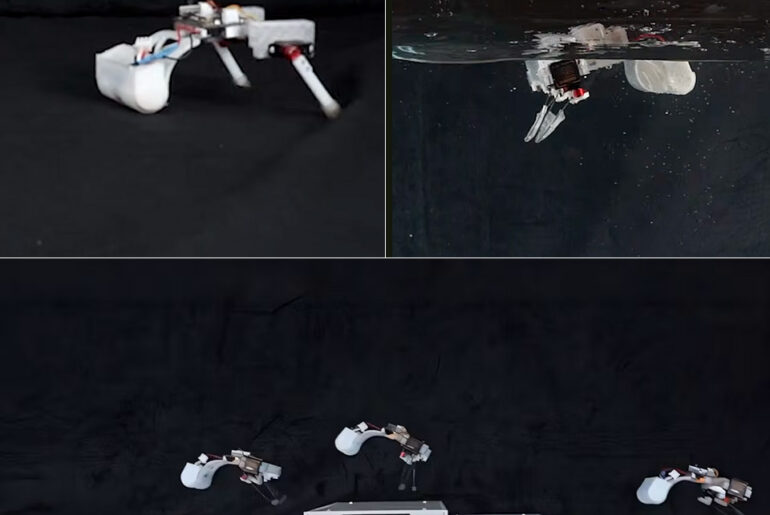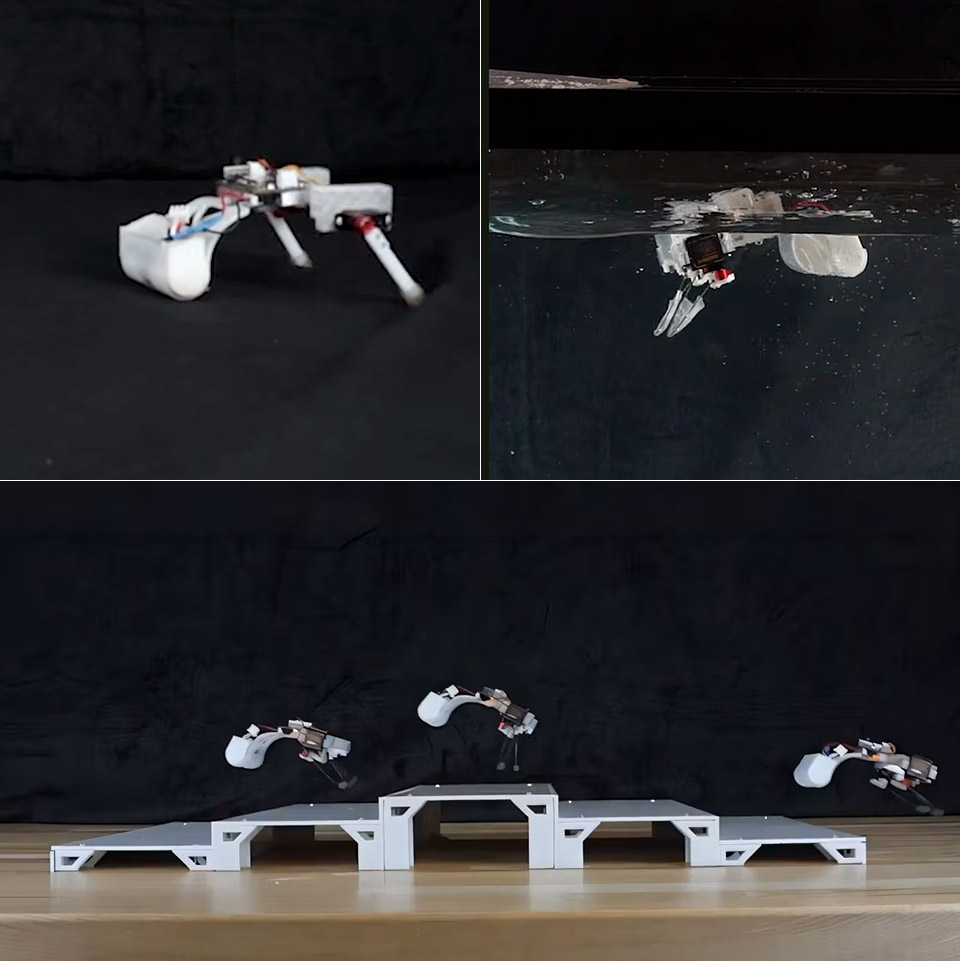
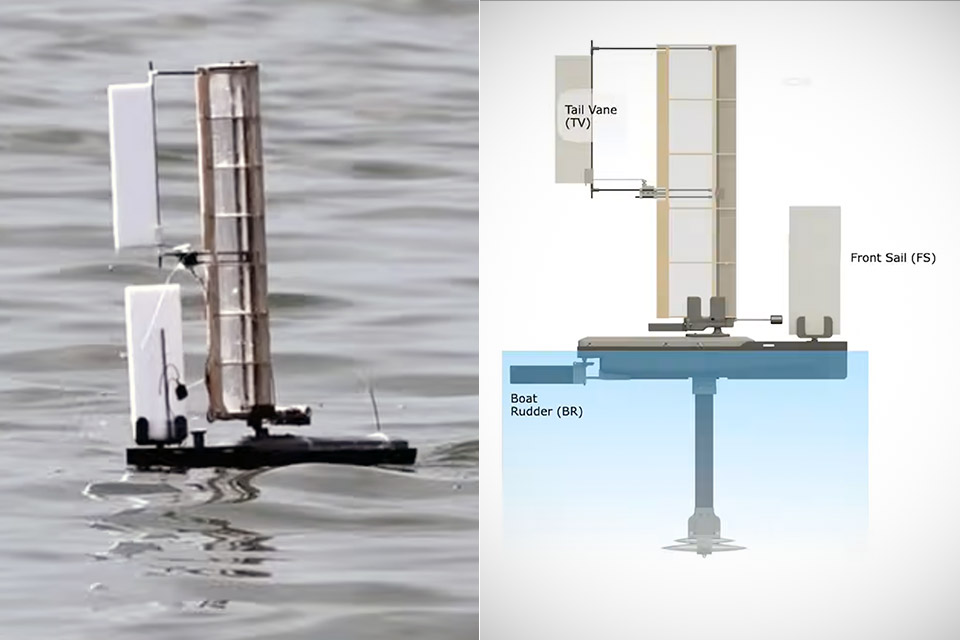
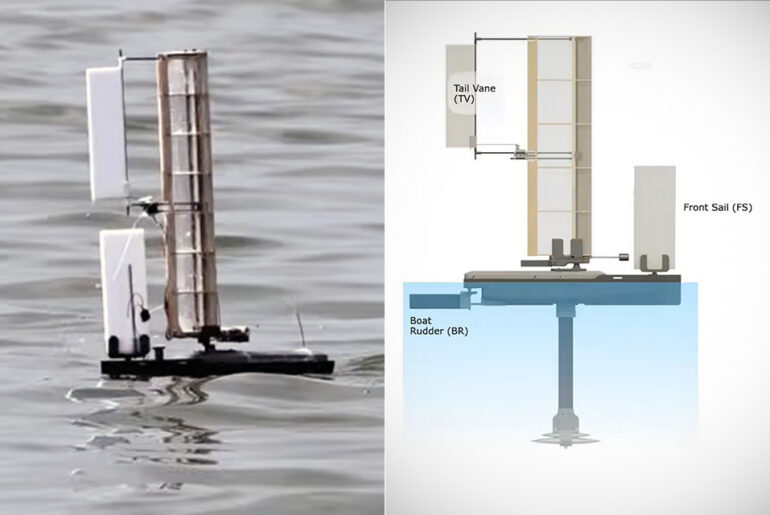
Researchers at the Singapore University of Technology and Design built a small robot that leaves a drone, spins on the way down, and keeps moving once it meets the water. They named it ALBATROSS, short for Airborne Lander with Buoyant AuToROtating Sailing Sensor. Lead author Shane Kyi Hla Win, working with professor Foong Shaohui, describes the machine in Science Robotics as a way to put sensors on a lake or a sheltered stretch of sea without sending a boat out to meet them.
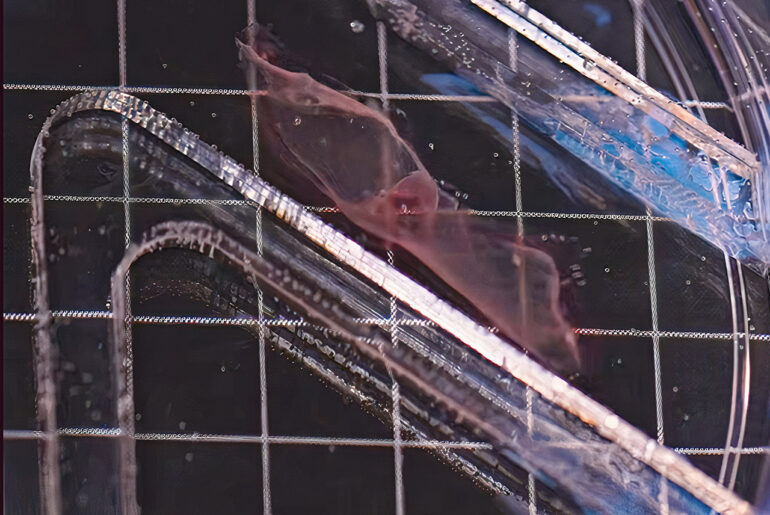
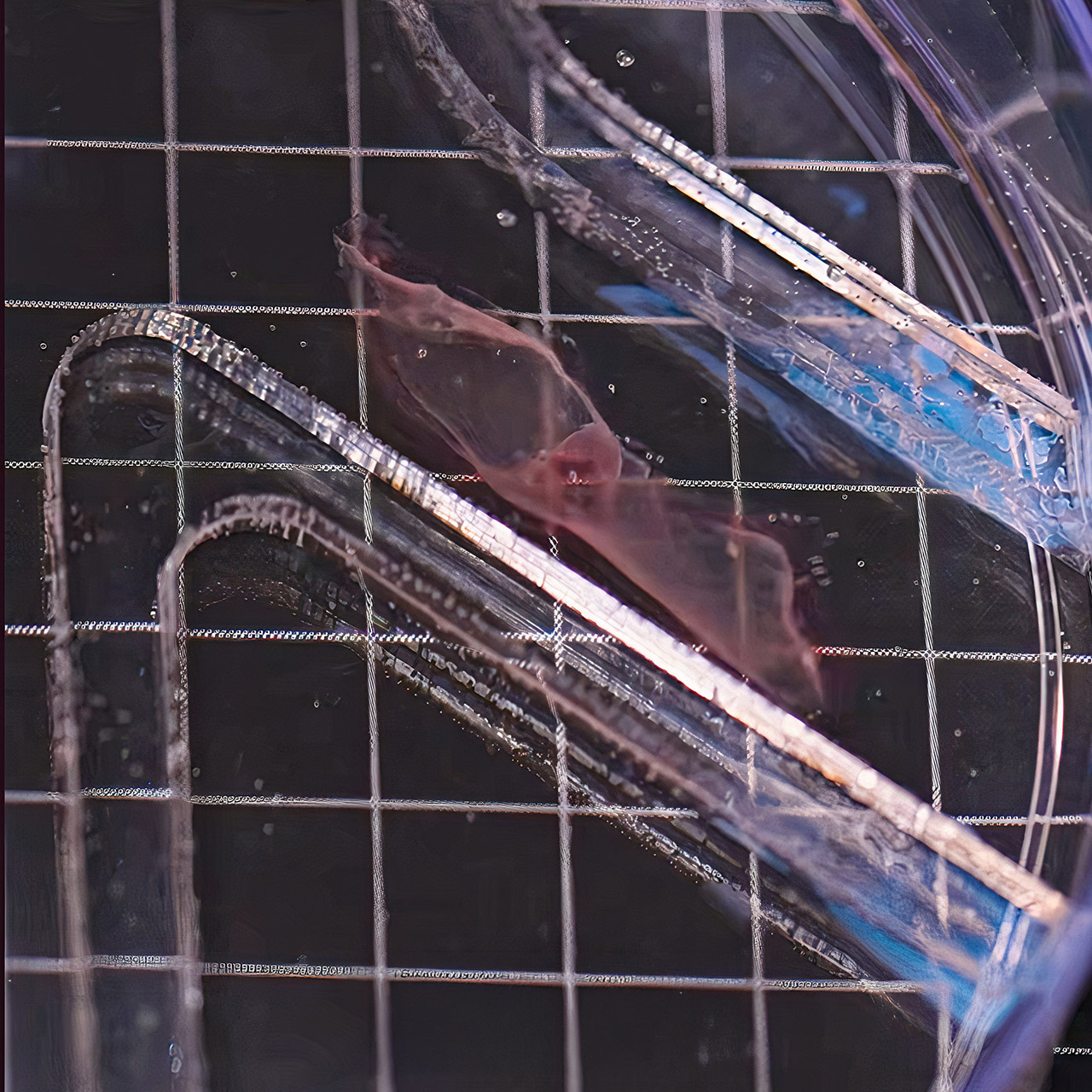
Living muscle cells, the same kind that pull on bone inside a body, now pull a paper-thin robot through water. Researchers at MIT built a gum-stick-sized aquabot whose two fins beat when light hits them, and they steered it through a simple maze in a petri dish by flashing that light from outside the dish.

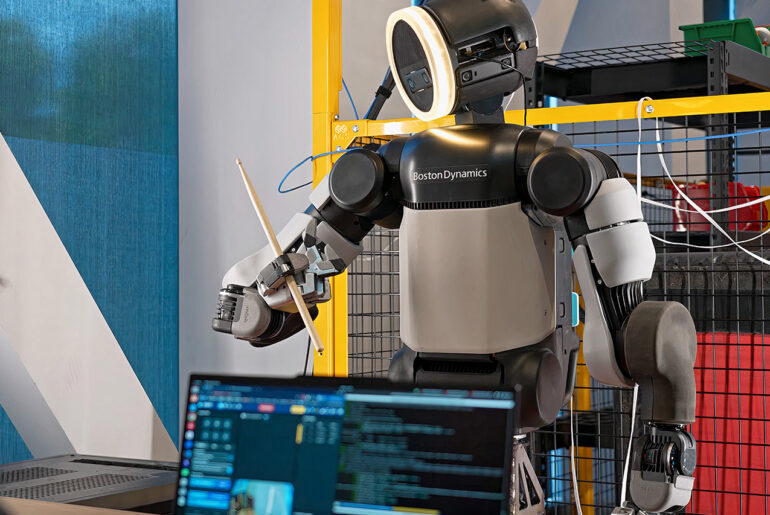
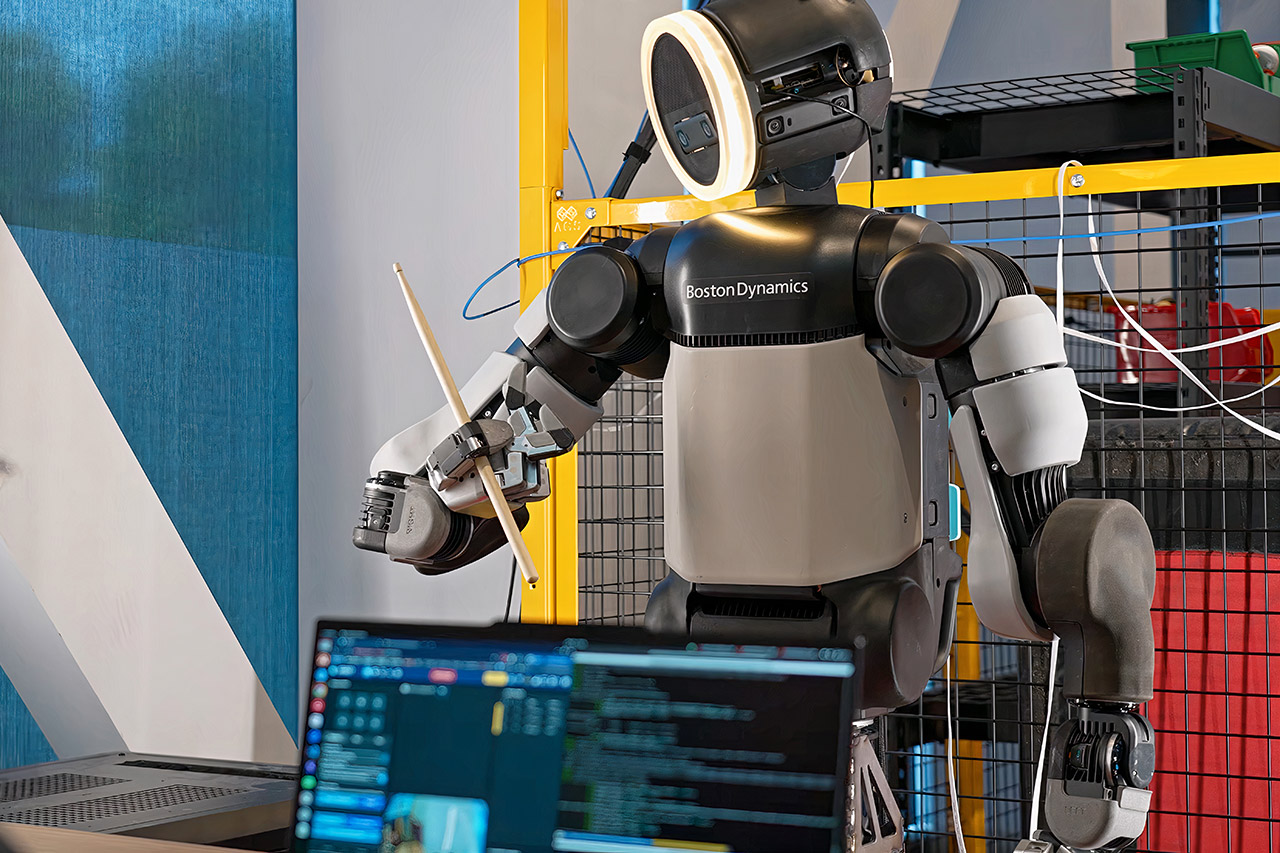
Boston Dynamics spent this morning showing Atlas a new pair of hands, and the first thing that stands out is a missing digit. There is no pinky. Four fingers sit on a palm a little larger than an average human hand, and the assembly is a little stronger than the gripper it replaces. Engineers reached that count with a blunt test: they taped a pinky to a ring finger and spent a day trying to work. The missing finger never blocked the jobs they cared about. Chief technology officer Zack Jackowski put the lesson in plain shop language. The best part is no part.

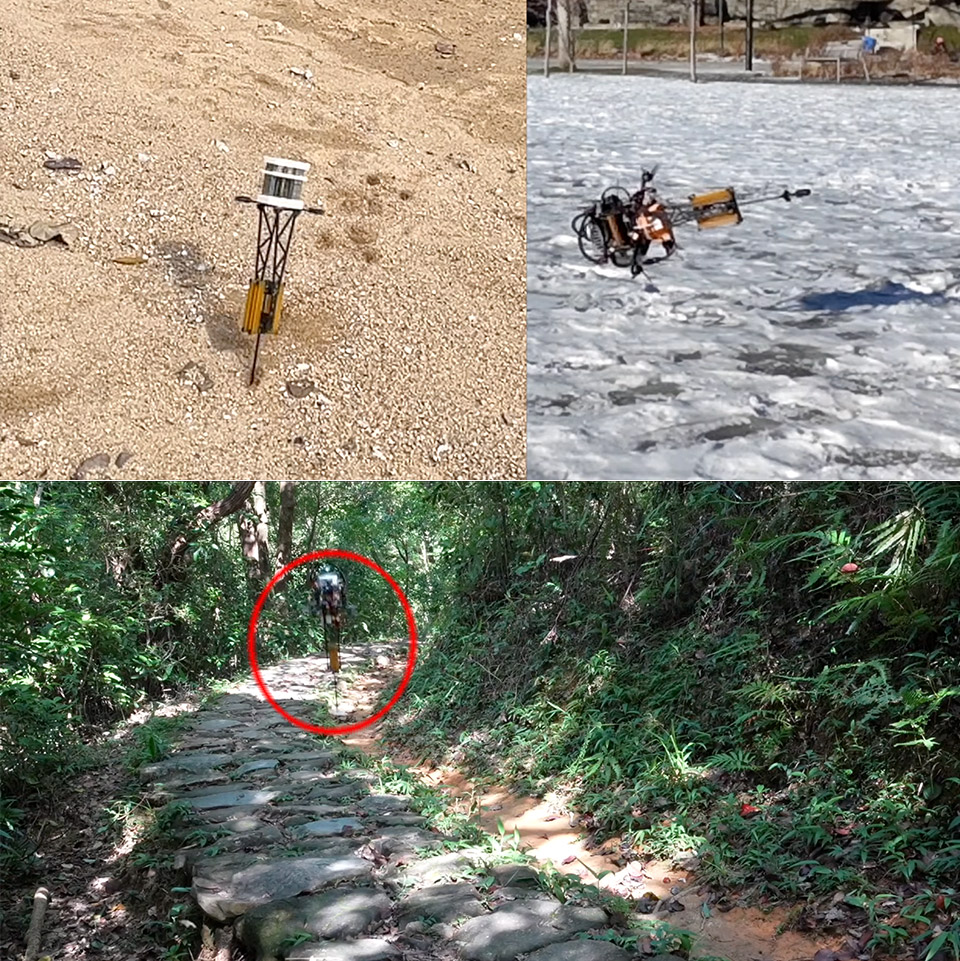
Four small propellers sit over a single spring leg, and the pair turns a quadcopter into a machine that travels the way a pogo stick does. Researchers at the University of Toronto’s CLIMB Lab send it up with rotor thrust, then let a passive telescopic leg take the landing and hand that energy back as the next hop. Early copies ended in a sharp metal spike. On a clean floor the spike was enough. On anything softer or slicker it skated, punched in, or left the robot tipped and finished.

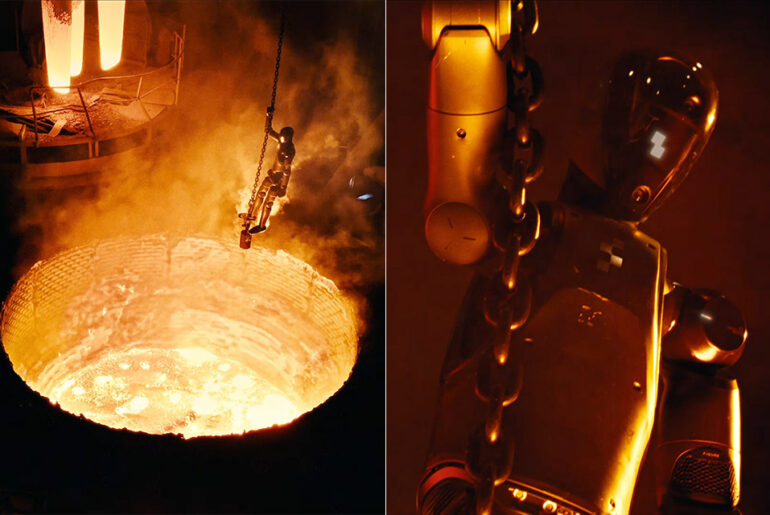
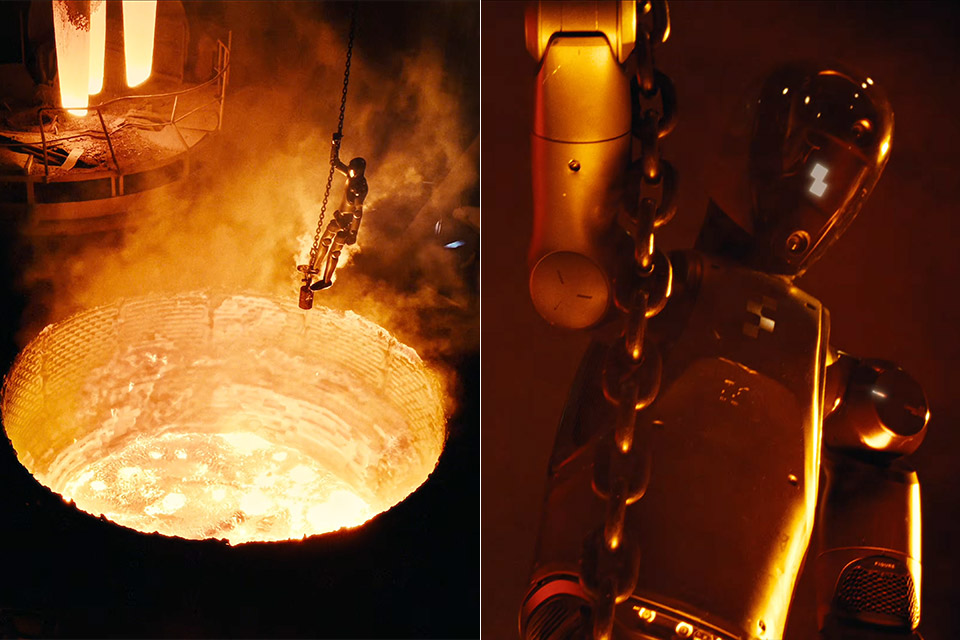
Earlier today, Figure posted a short film called F.02 Decommission and treated fleet retirement like a closing shot from Terminator 2. A humanoid hangs from a chain over a glowing electric arc furnace, gets lowered toward liquid steel, and holds a thumbs-up as the heat takes the frame. Viewers waiting for Figure CEO Brett Adcock or a newer robot under a mask instead get Arnold Schwarzenegger, who later signed off the whole affair with four words: “Hasta la vista, F.02.”

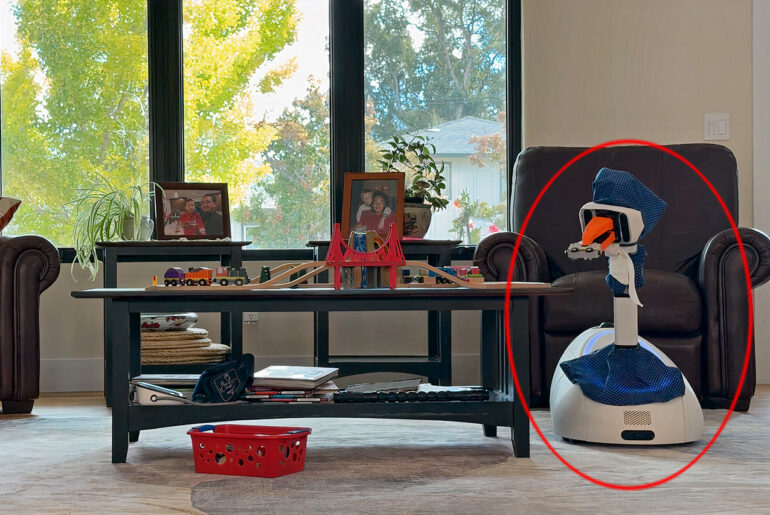
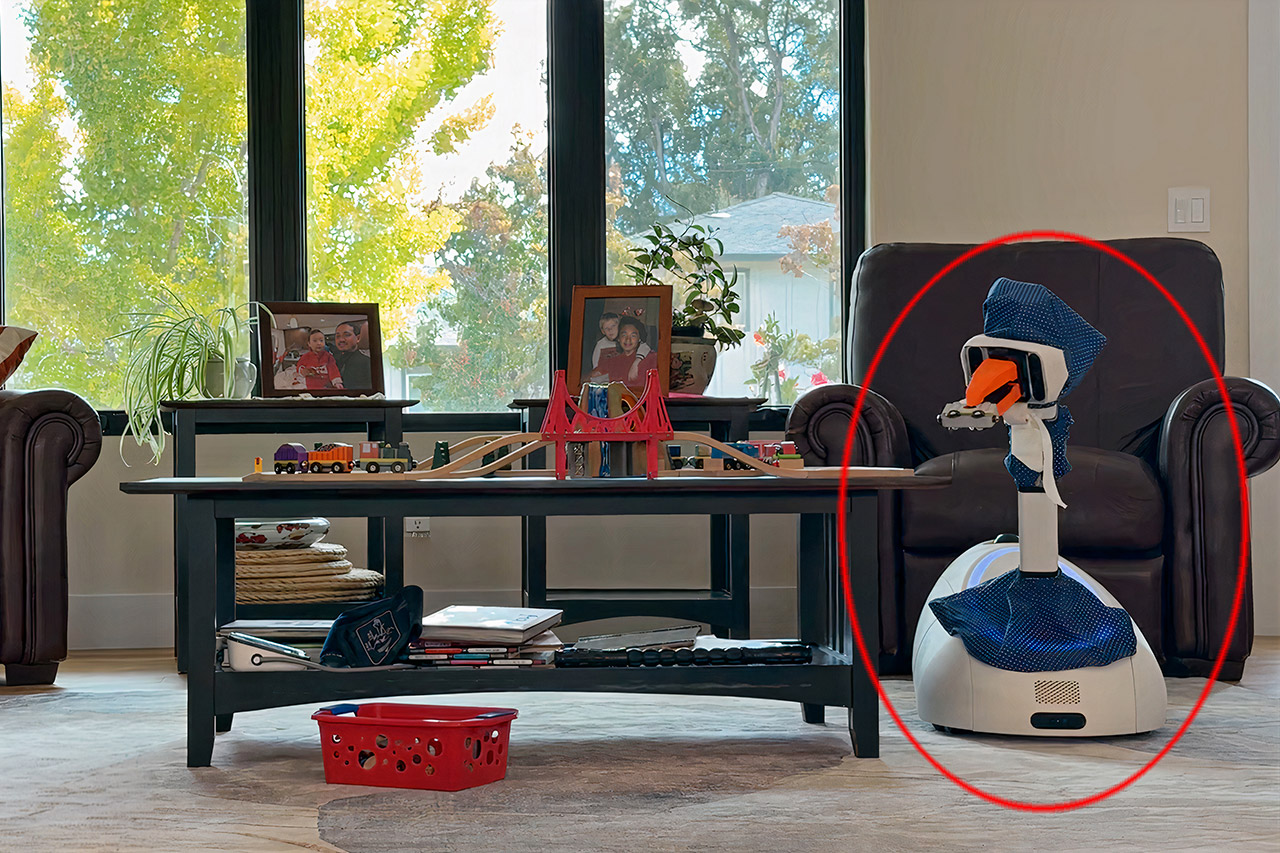
Rolling down a hallway with a shirt slung over its neck, Goose looks less like a factory demo and more like a small appliance that decided to grow a personality. Prototype 1 from San Francisco’s The Robot Works is a white, low, rounded base with a long articulated neck, camera eyes set in a bonnet so you can see where it is looking, and a bright orange beak that doubles as a gripper. A blue polka-dot wrap gives the machine a costume instead of a chassis. Founders posted the first public clip this week with a simple brief: tidy, play, live.

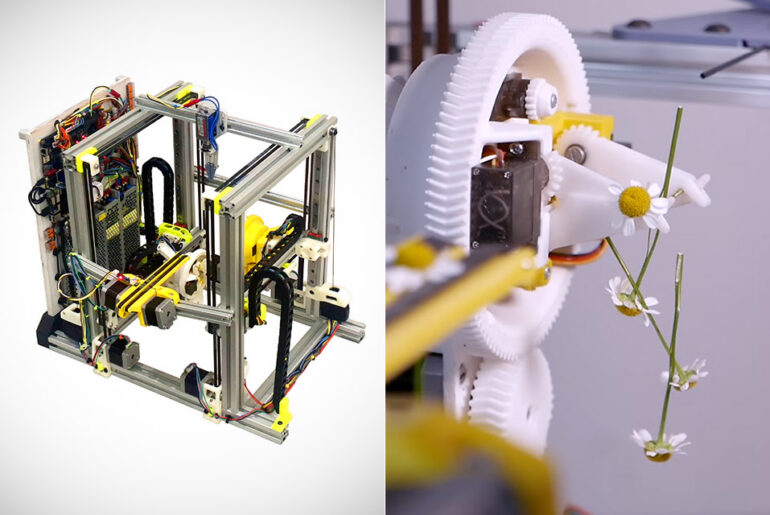
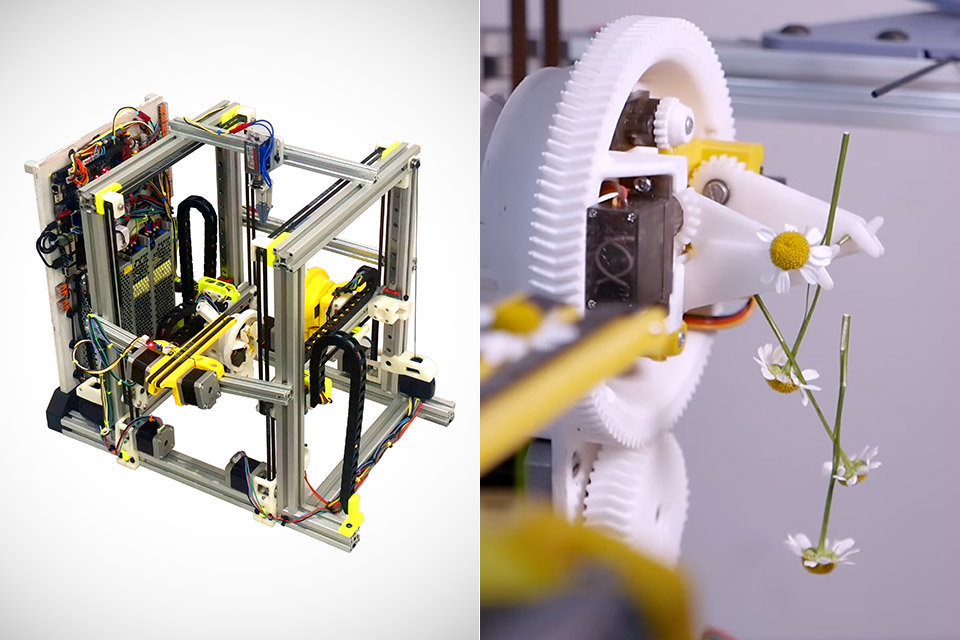
Jude Robinson built Daisy as his final year mechatronics project at the University of Glasgow, finished with first class honors, and took the IET prize for the best manufacturing project on campus. Two upright gantries face each other across a short workspace. Each carries a four joint gripper whose V shaped fingers close on a daisy stem and center it whether the stem is thick or thin.

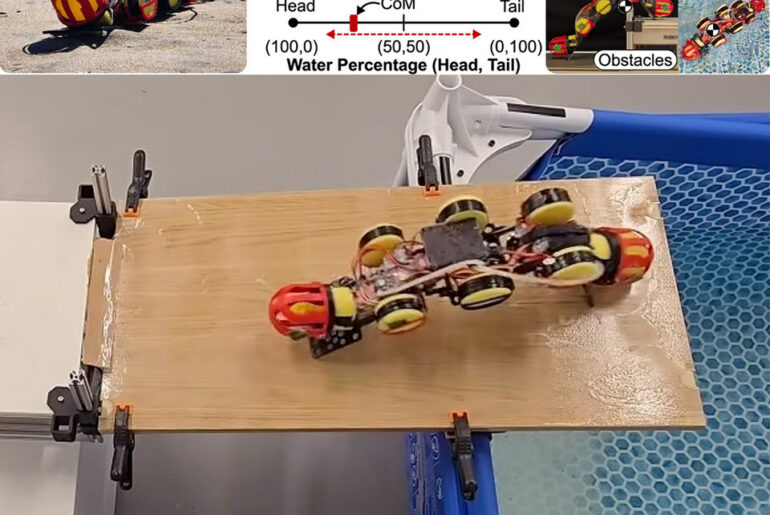
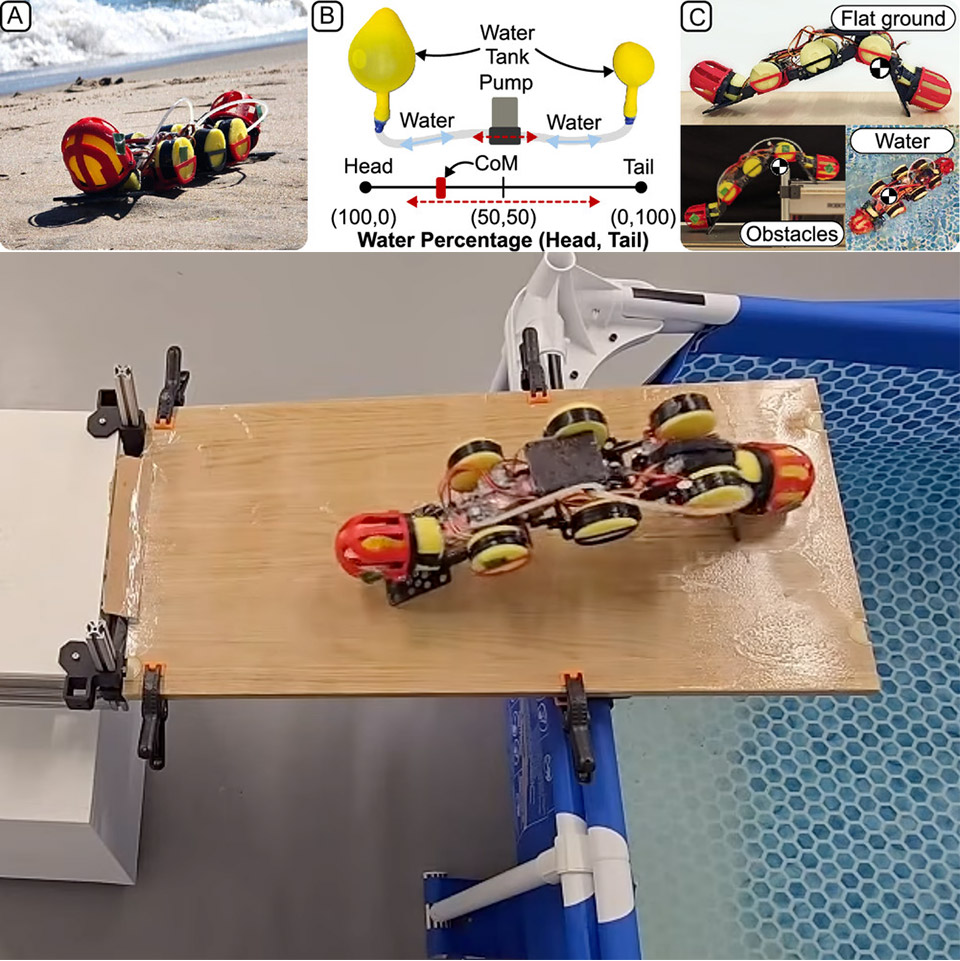
NYU Tandon assistant professor Nana Obayashi and Ph.D. student Daniil Filimonov built WorMa so one undulating machine could inspect a coastline, a flooded street, or a wetland without extra limbs or a second gait. WorMa blends “worm” and “mass,” and that mash-up is the entire plan. Five 3D-printed segments form a body about 50 centimeters long and a little over one kilogram. Four servos at the joints send a traveling wave down the length. Silicone pads under the belly give directional grip on dirt or pavement. Foam disks along the sides keep the robot from sinking once it enters water. An ESP32 runs the servos and the pump.

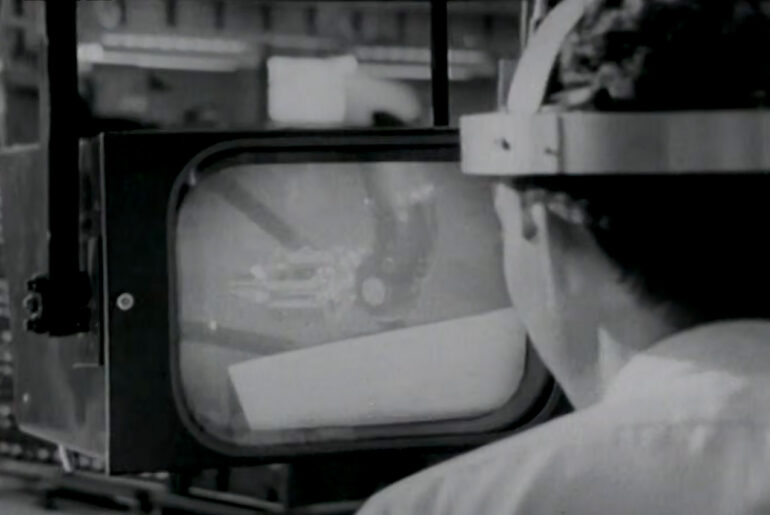
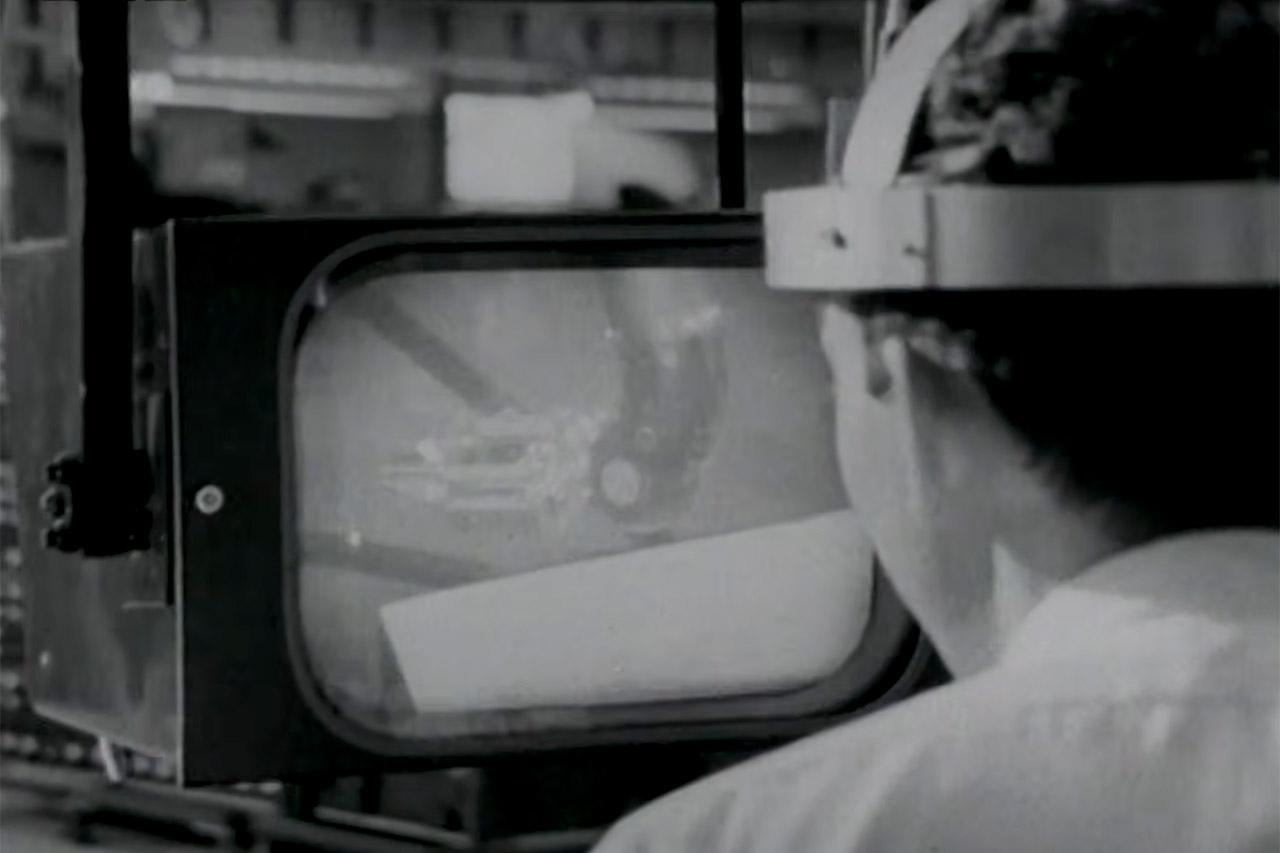
Opening a BBC ‘Towards Tomorrow’ special first shown on December 28, 1967 is a warning that mankind may already be obsolete. Population growth, pollution and a planet slipping out of human control could finish the job even without nuclear war. Intelligent machines might have to take Earth off our hands, the narration says, if only to keep life going after we have made a mess of it.