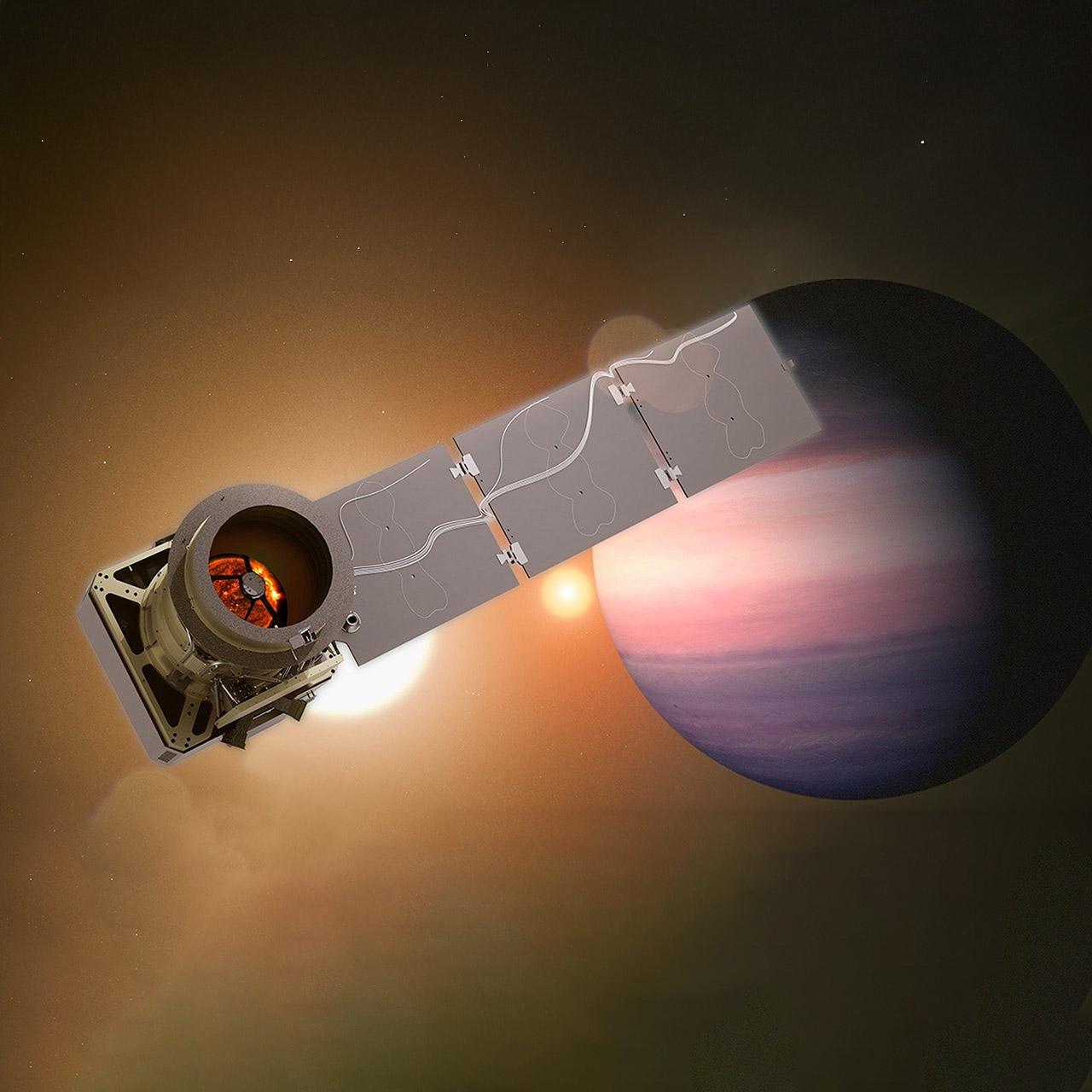
NASA’s Pandora mission is set to launch on a SpaceX Falcon 9 rocket from Vandenberg Space Force Base in California. The launch window is scheduled to open at 5:19 a.m. Pacific time on January 11th, and luckily for us, SpaceX will webcast the entire event live.
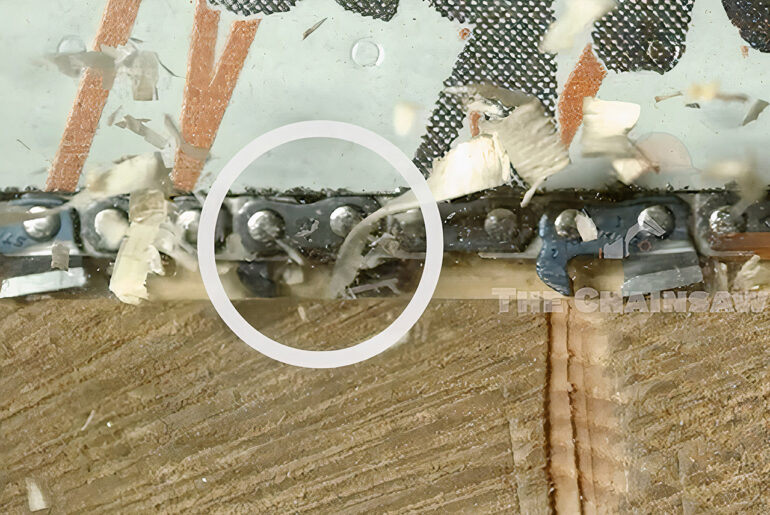
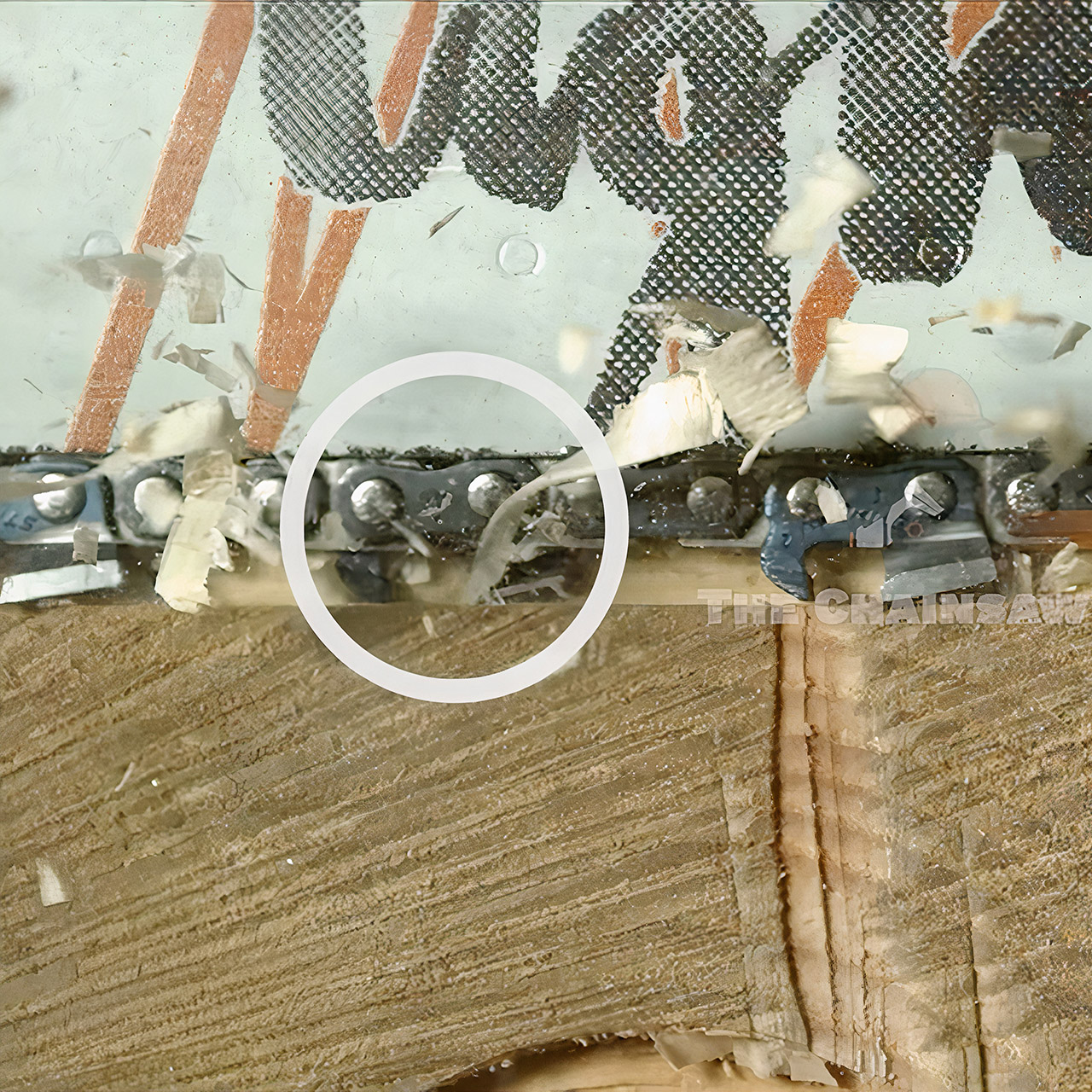
Chainsaws rip through forests and backyards alike, reducing thick logs to manageable bits with brute force, but few people consider the little dance that occurs when the chain strikes wood. A mind-blowing film taken at 20,000 frames per second slows down this crazy process, exposing details that would otherwise be imperceptible to the naked eye. The team behind The Chainsaw Manual caught this using a high-speed camera, revealing the delicate ballet of tiny parts working in perfect harmony to make wood cutting so efficient.

During a recent expedition, Schmidt Ocean Institute researchers captured fantastic footage of a rare giant phantom jellyfish. But they had to put in the time: the remote-controlled vehicle, which was exploring the Colorado-Rawson submarine canyon off the coast of Argentina, didn’t detect the species until it was 830 feet down. Even so, it was only because the ROV illuminated its translucent bell as it slowly drifted down into the depths.

A completely new chess variant has emerged, flipping the game on its head by modifying the playing surface. Manny, who runs the YouTube channel mannymakes, has constructed a playable version of chess utilizing hyperbolic space and posted it on his website mchess[.]io, where players can compete against another human or a quite capable AI opponent.

Columbia University researchers are collaborating with Stanford, the University of Pennsylvania, and New York Presbyterian Hospital to create a revolutionary new brain-computer interface. This chip fits snuggly on a single square of silicon that is hardly thicker than a human hair.

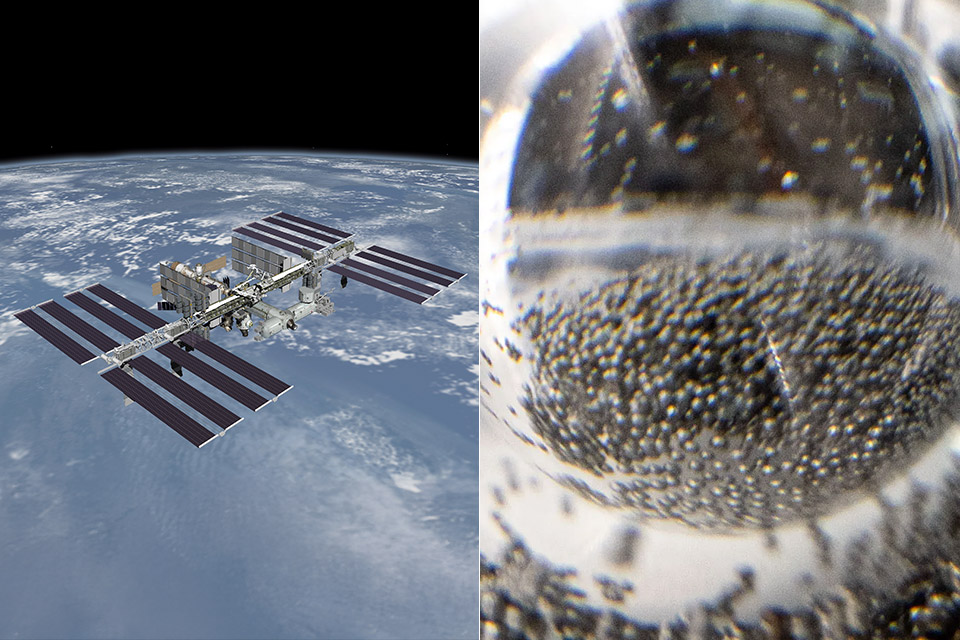
Photo credit: NASA / Zena Cardman
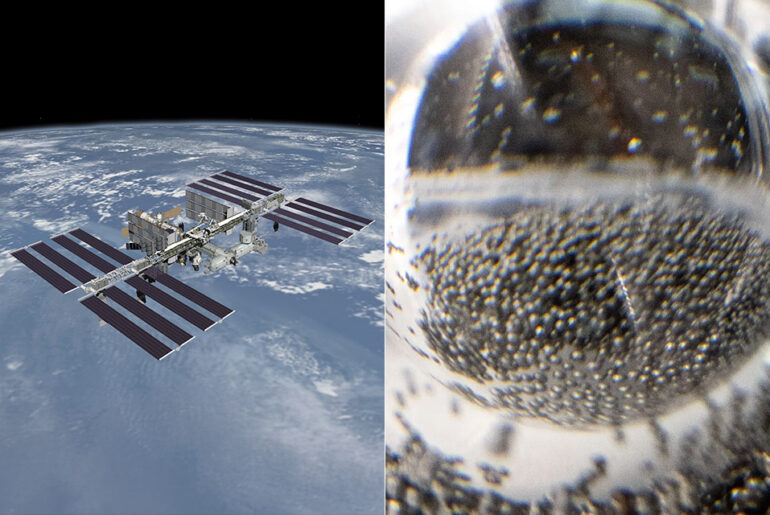
The International Space Station (ISS), located high above the Earth, has been used to demonstrate how strange things behave when gravity is no longer pulling them downward. Recently, several astronauts captured a shot inside the Destiny lab module of a group of ball bearings floating around a larger one. They’re floating in a thick liquid that keeps the metal spheres stable, and they respond to very subtle vibrations in a way that can’t be replicated on the ground.

Derek Muller begins his new Veritasium video with a basic question on what happens if the sun suddenly vanishes. That’s the big question because Earth would just keep orbiting for around eight minutes, or the time it takes for light to reach us. Sir Isaac Newton believed that gravity was an immediate force that works over space, but Albert Einstein’s general relativity changed that. He demonstrated that gravitational changes propagate at the speed of light through ripples in space-time. This law keeps the universe in order and prevents all kinds of paradoxical situations from occurring.

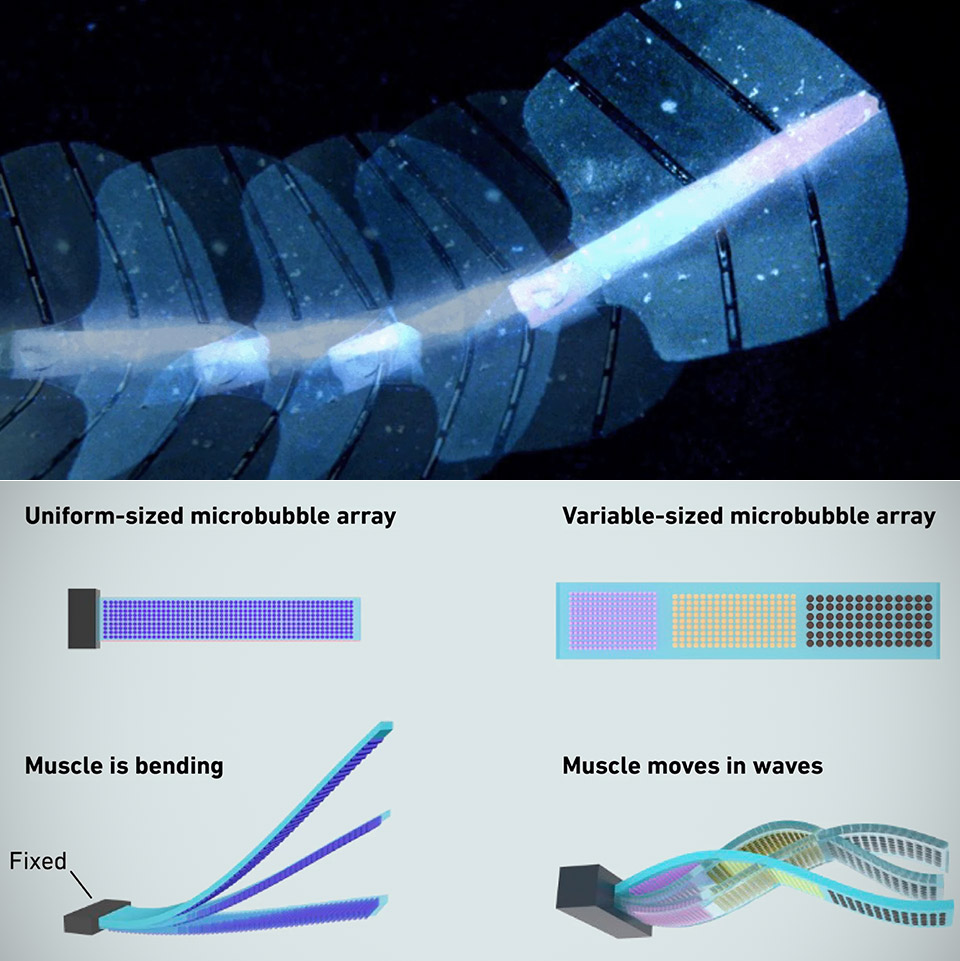
Researchers at ETH Zurich have made a significant breakthrough in building artificial muscles that can be manipulated using ultrasonic sound waves. The technology is based on a silicone base material that has been molded into thin, flexible membranes with teeny small pores on one side, each around 100 micrometers across. Each of these holes contains a tiny air pocket, which forms a trapped bubble.