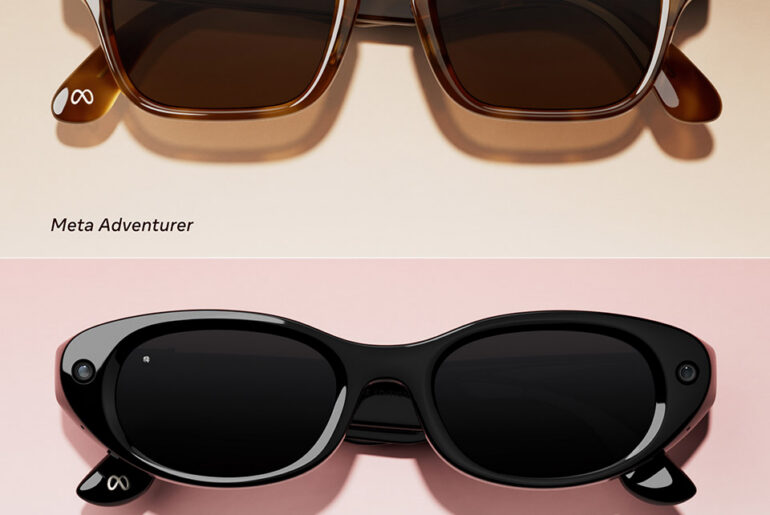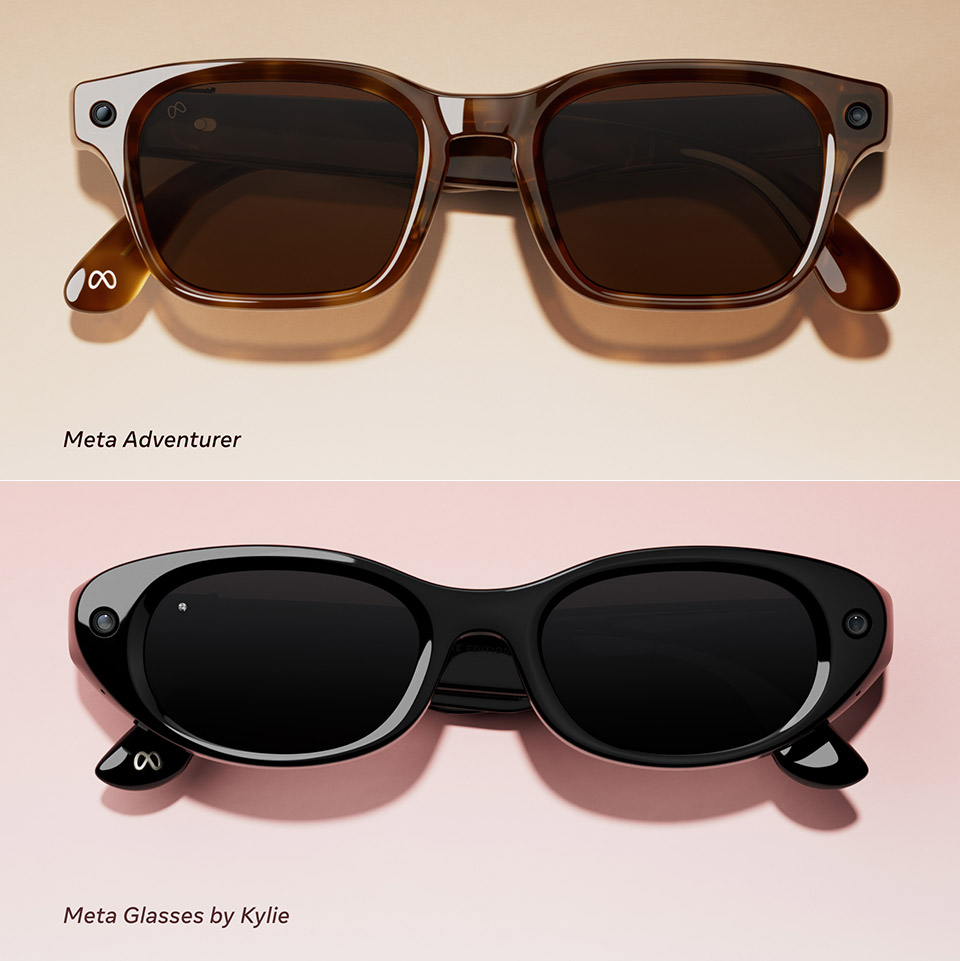
Meta just launched its own line of smart glasses built with EssilorLuxottica, the same partner behind the popular Ray-Ban Meta models, called Meta Glasses. These new frames skip the big designer branding on the temples and focus instead on lower prices, more style choices, and fit tweaks that should work for more face shapes. The base models start at $299, while a special collaboration with Kylie Jenner costs $399.

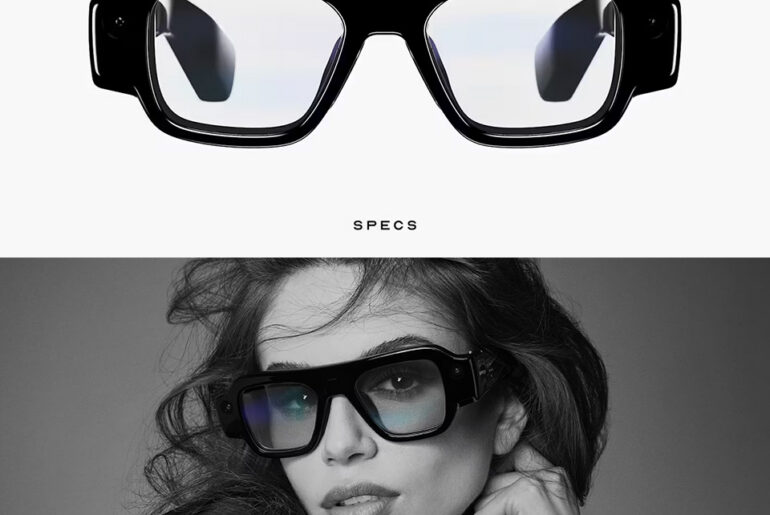
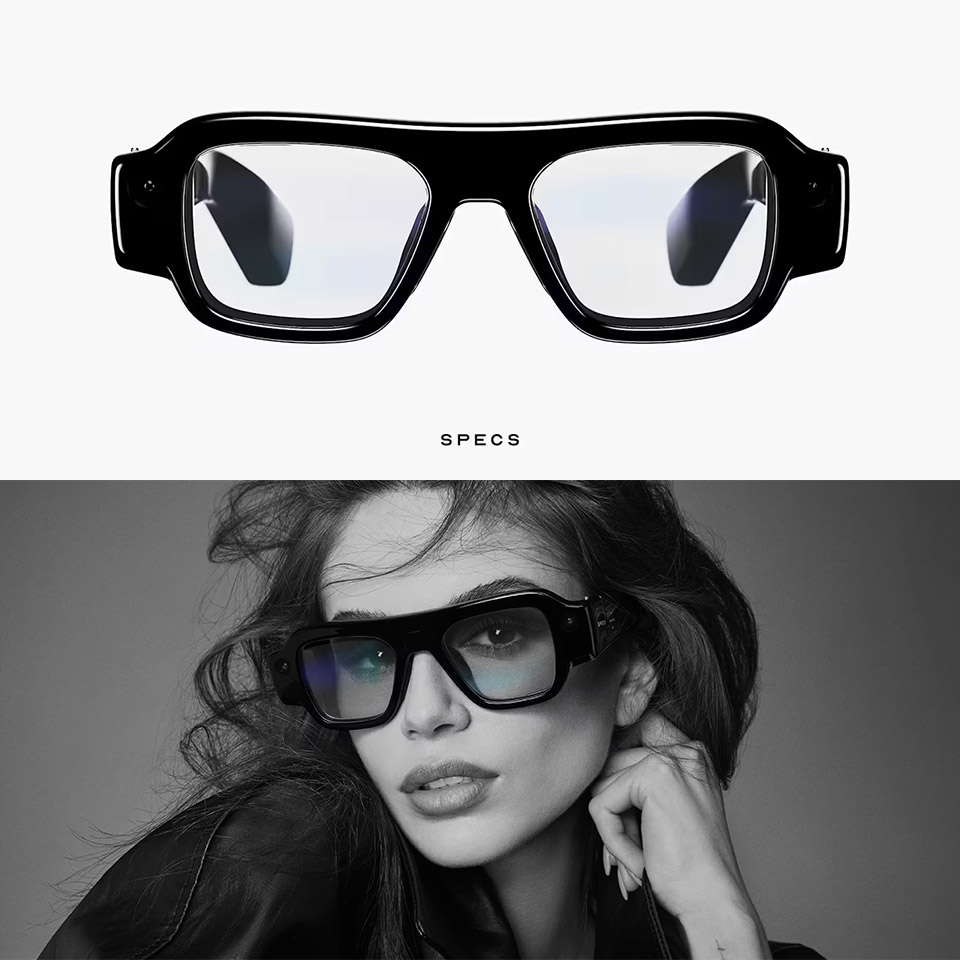
Snap started taking preorders today for its first consumer augmented reality glasses. Called SPECS, the new hardware carries a $2,195 price tag and ships this fall in the United States, United Kingdom, and France. The company built these as a standalone wearable computer that overlays digital content onto the real world without requiring any extra battery pack, wristband, or tethered device.

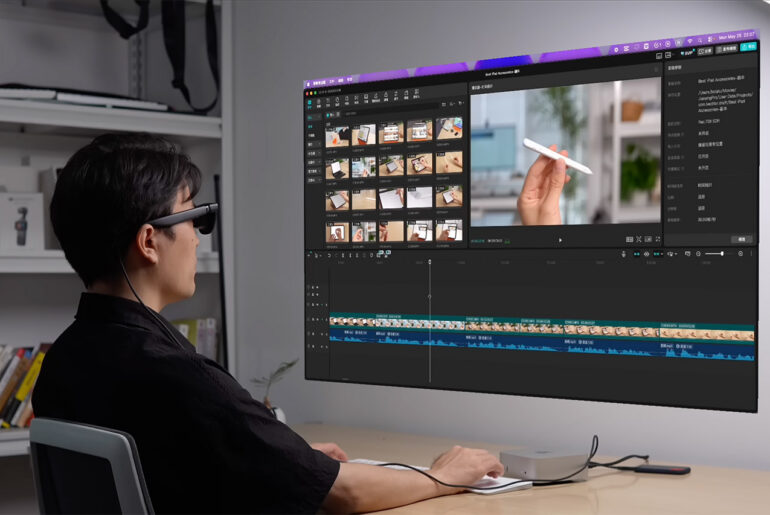
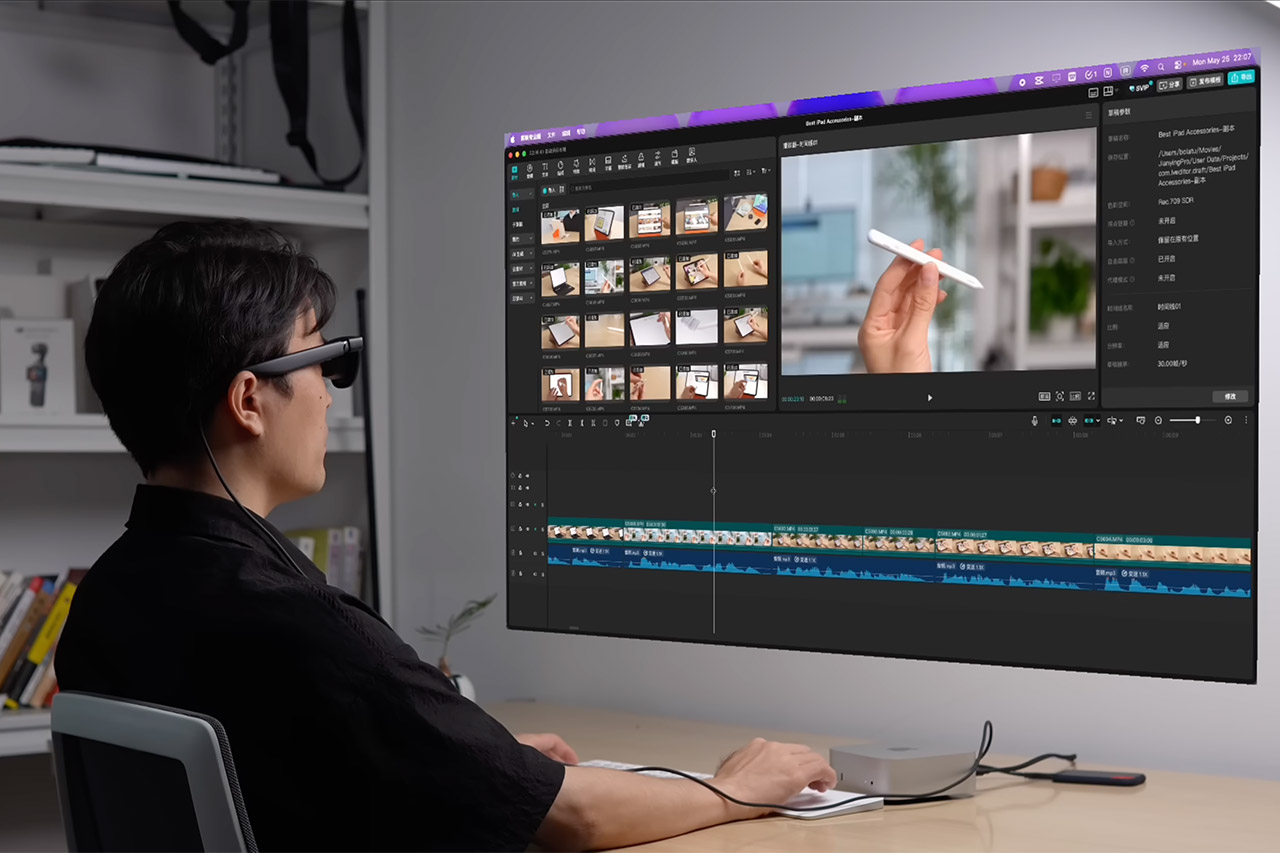
A compact bag holds a complete workstation that needs only a power outlet and a table. The Mac Mini M4 sits inside alongside its cable, a slim keyboard, a trackpad, and one pair of VITURE Beast XR glasses. No separate monitor travels with it. The glasses supply the display once the user arrives and plugs in.

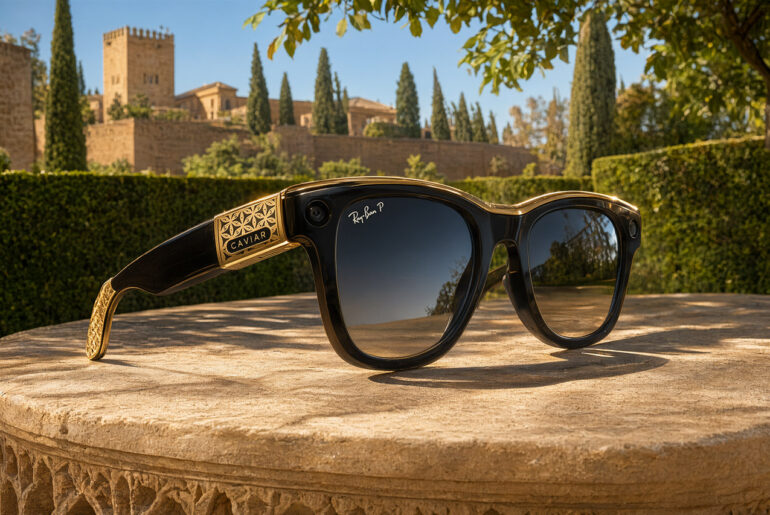
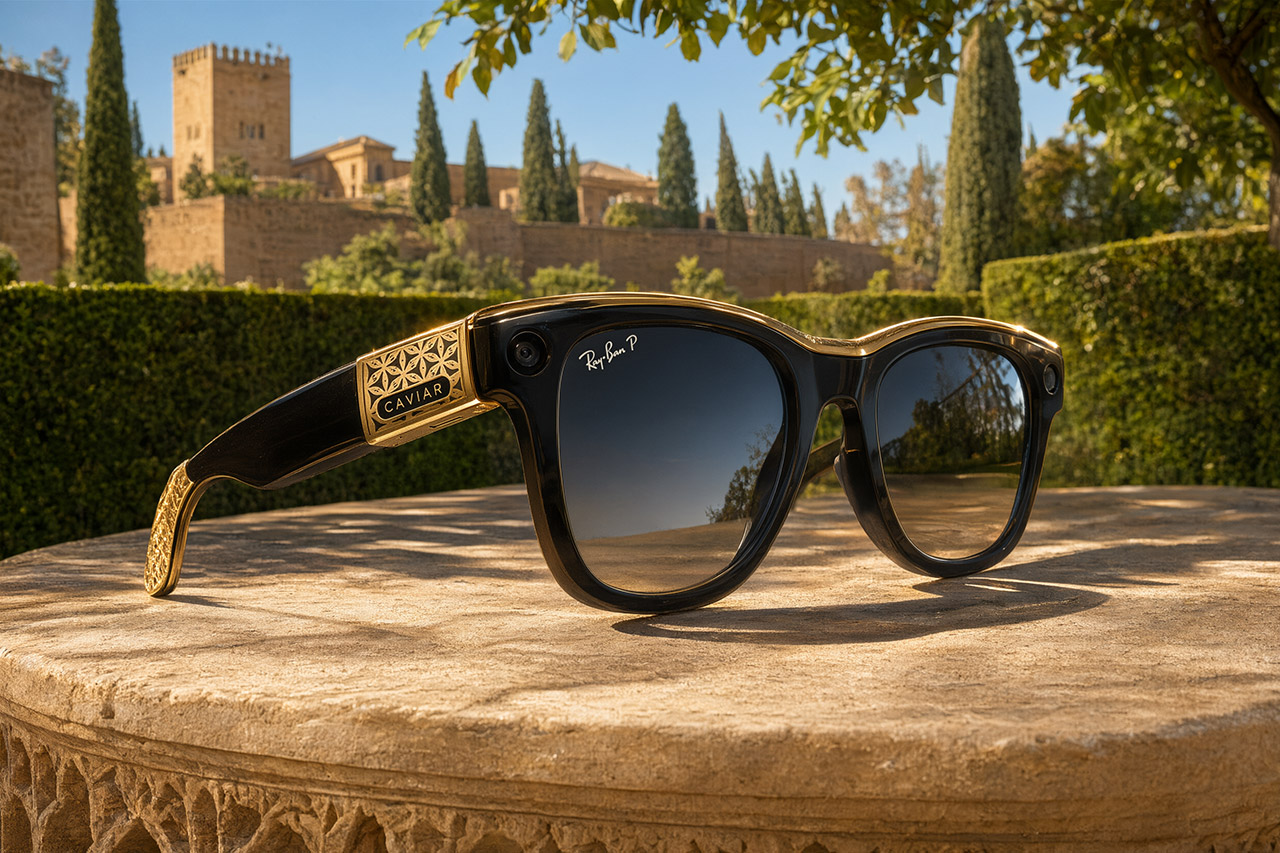
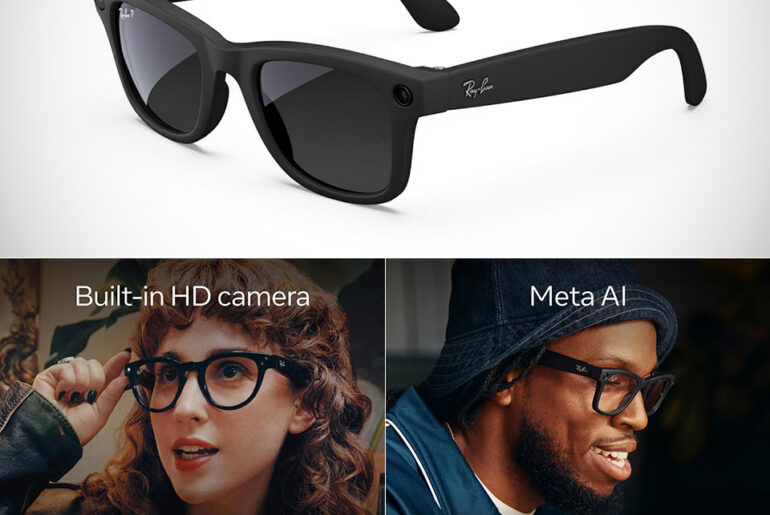
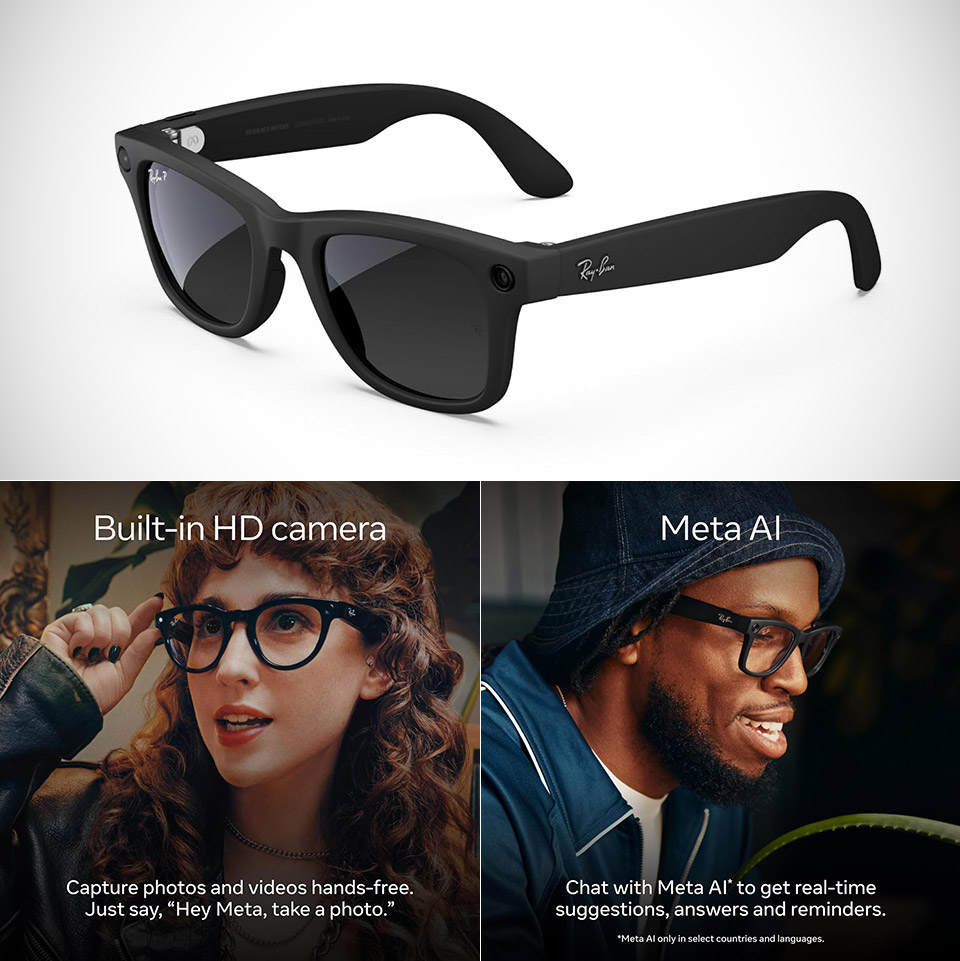
Smartglasses seldom stay in style for this long, but the first Ray-Ban Meta model, priced at $247 (was $329), continues to draw those looking for the full experience without breaking the bank. Let’s start with how they look, because that’s the first thing that may turn some people off, but these frames fit just like old Ray-Bans, so if you put them on, no one will notice.

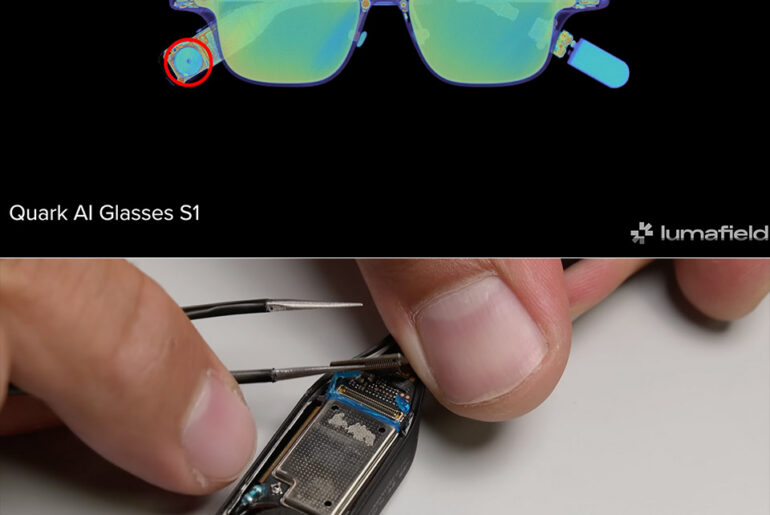
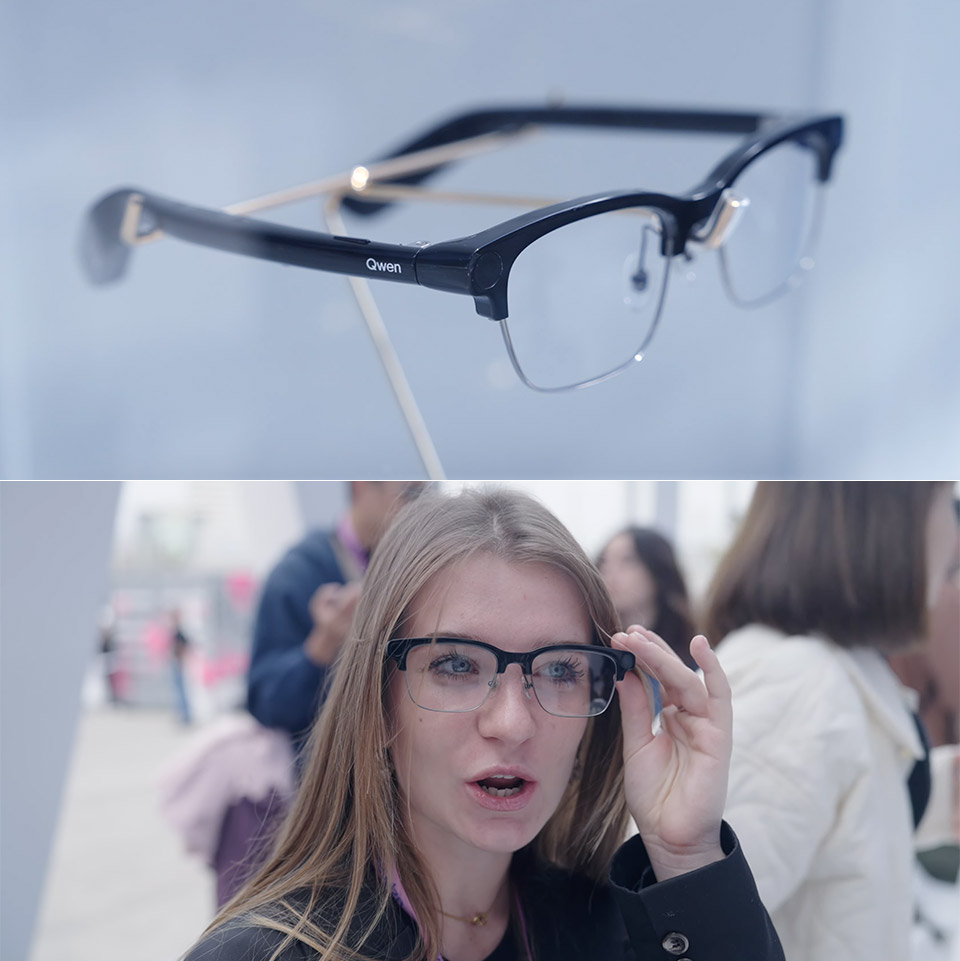
Alibaba’s Qwen Glasses took center stage at MWC 2026, and with good reason: these AI-powered spectacles felt like something you’d wear every day. Alibaba provides two versions: the Qwen S1, which has a super-subtle display integrated right into the lenses, and the Qwen G1, which lacks the fancy screen but has almost all of the same features.

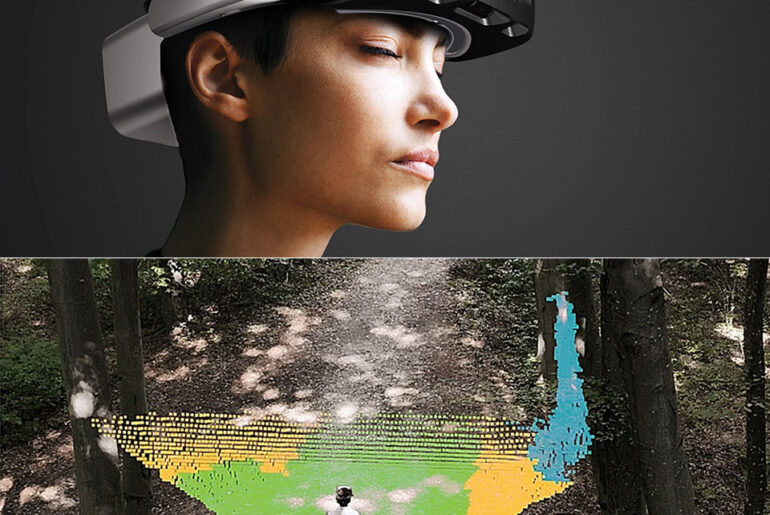
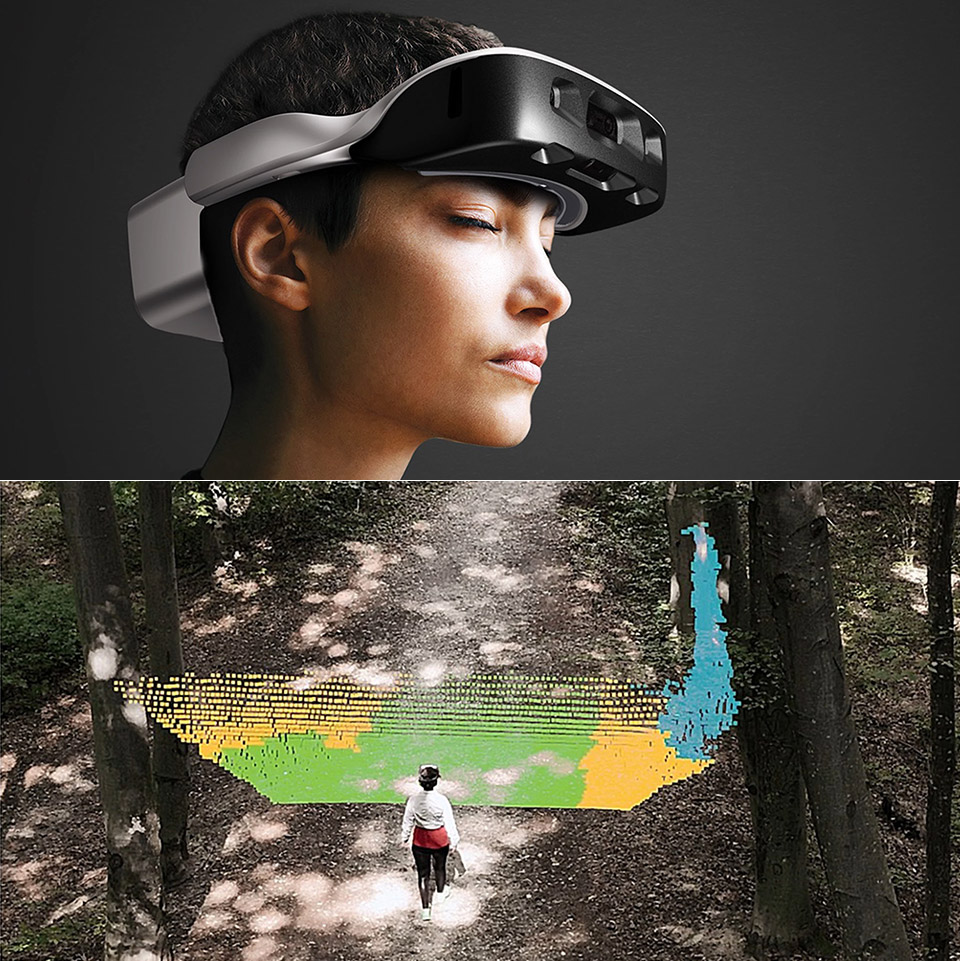
.Lumen, a Romanian startup, has developed a novel technology that is changing the way blind and visually impaired people navigate their surroundings. The AI-enhanced Lumen Glasses resemble and feel like a headset, with a strap over the forehead and a power pack in the back. They weigh roughly one kilogram and utilize a combination of sensors and artificial intelligence to detect their surroundings and gently nudge the user with vibrations and sounds.

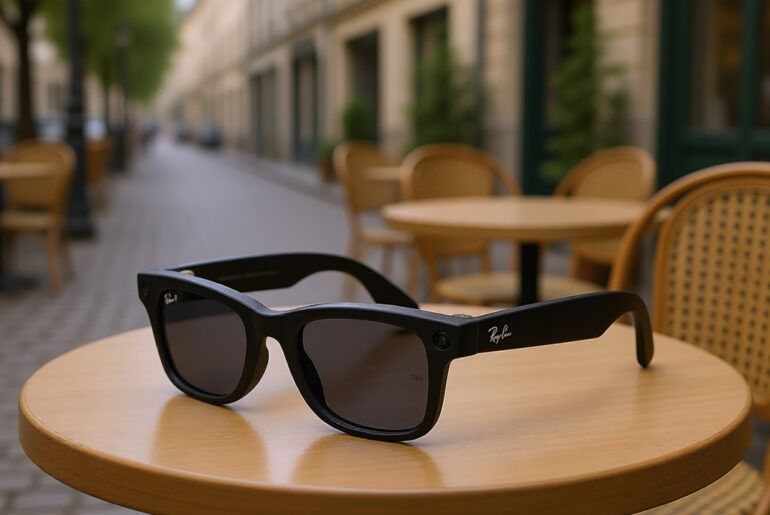
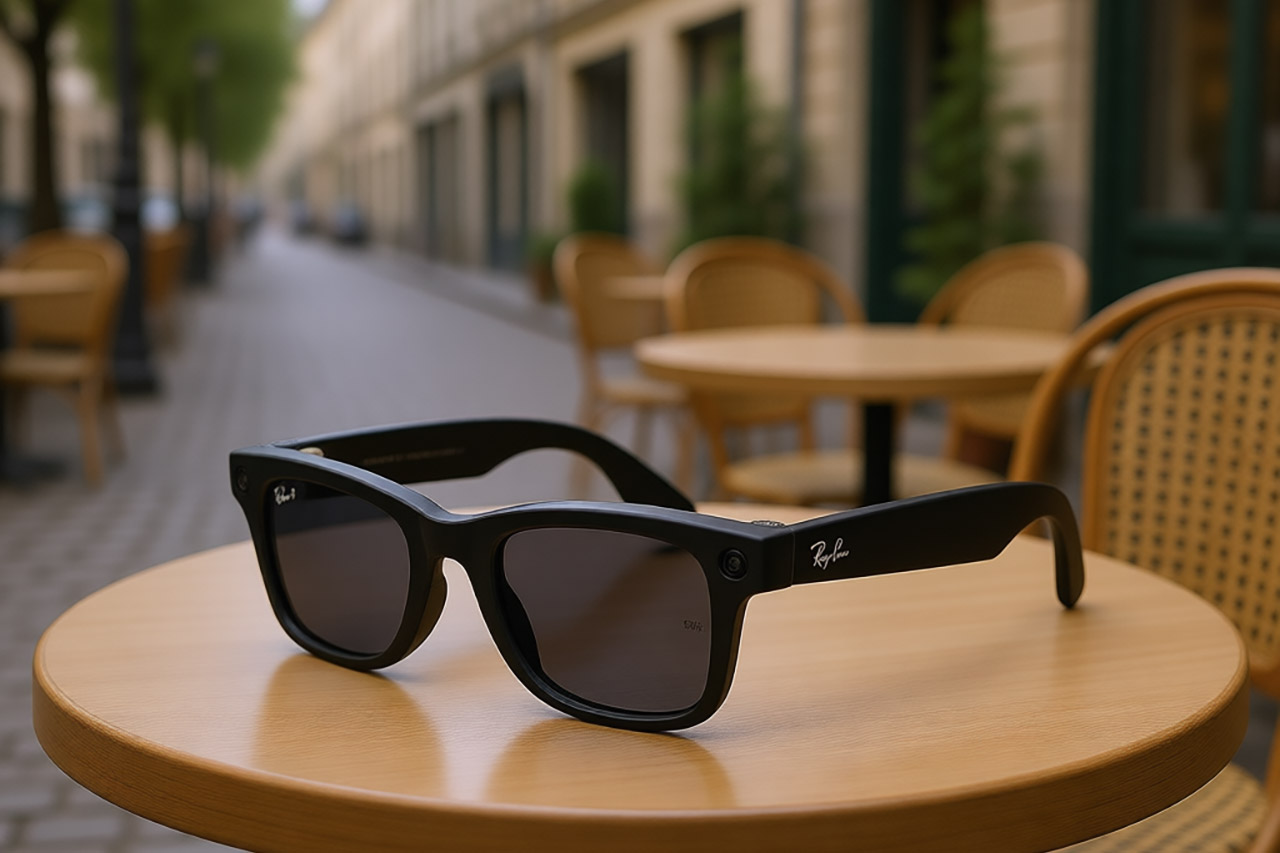
A pair of sunglasses lies on the edge of a desk, their matte black frame catching the last rays of afternoon light that shine through a window. Those frames are the first-generation Ray-Ban Meta smartglasses, and some will argue that the second generation is more visually appealing, but when you put these on and step out the door, the appeal is more than just superficial, especially when priced at only $263 (down from $329).

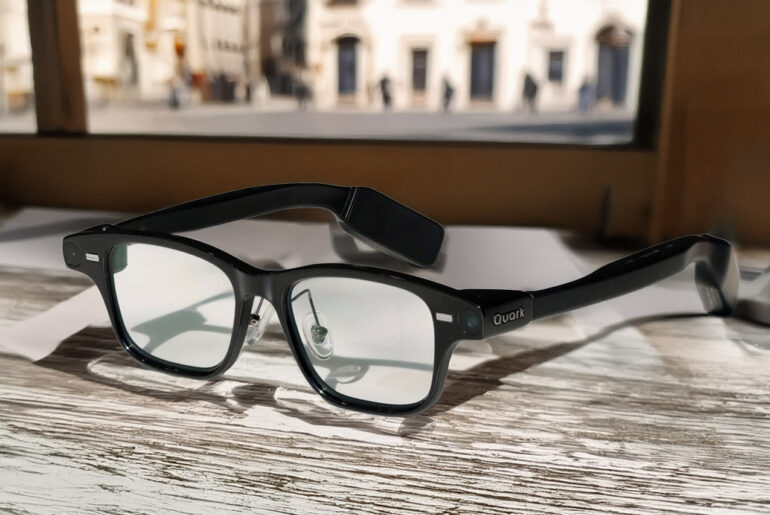
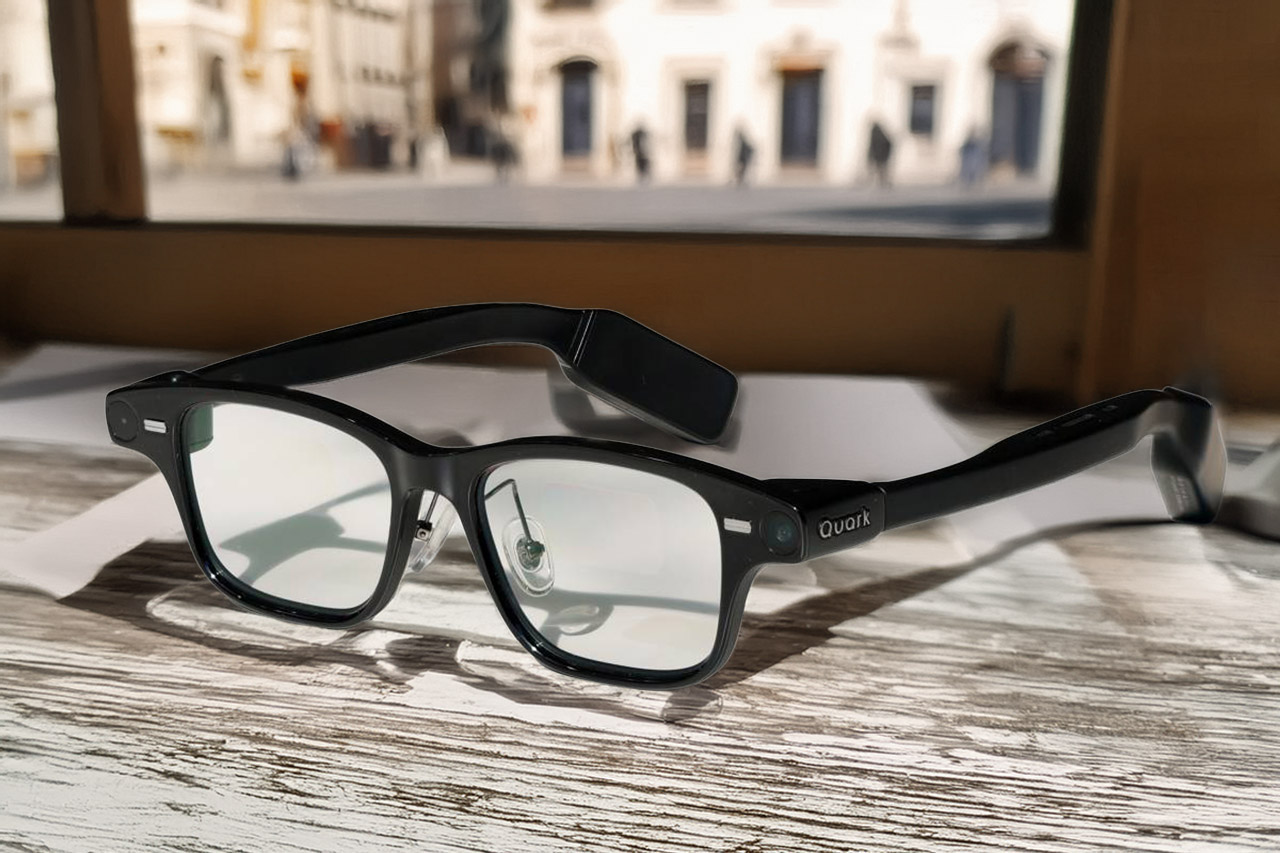
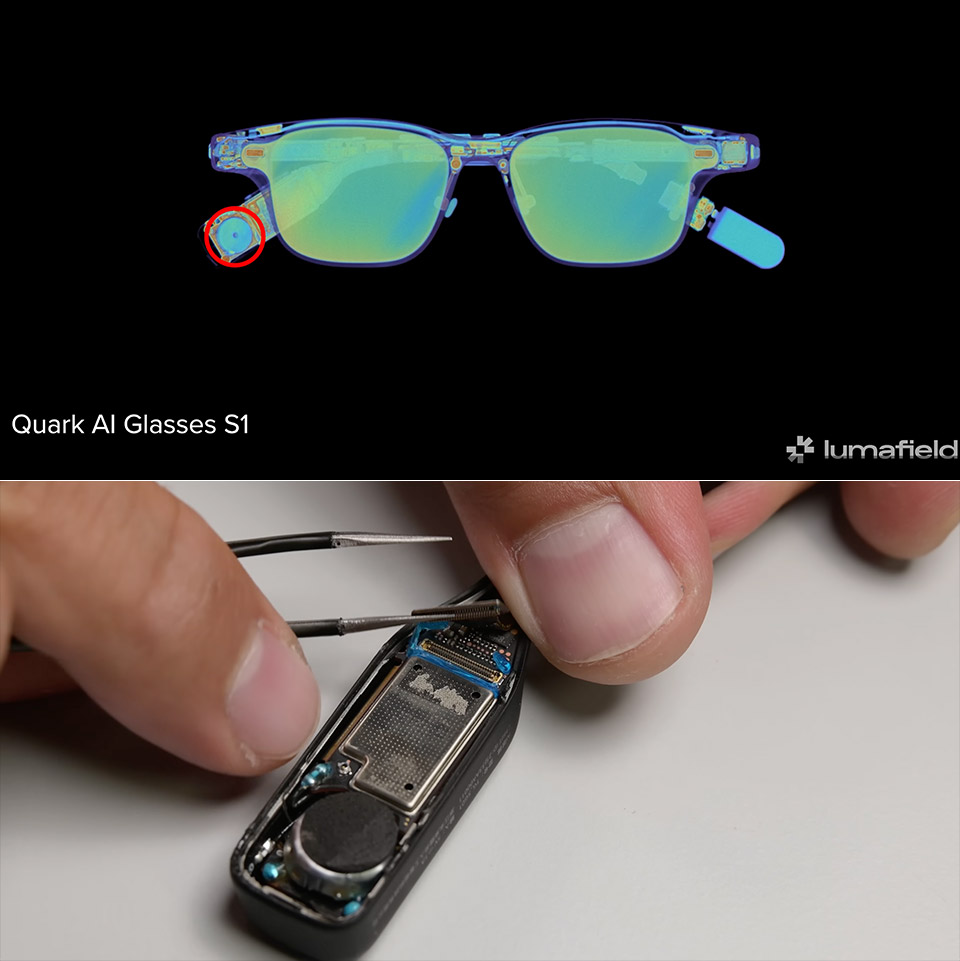
Alibaba has just unveiled its first smartglasses in China, the Quark series, which include AI assistance built directly into the frames. You can get them in two versions: the S1, which simply displays all of the information in front of your face, and the G1, which is more low-key and has no display at all.

Ray-Ban Meta glasses contain cameras and speakers that project sounds directly into your ears. Even Realities takes a different approach. Their new G2 smartglasses, which go on sale today for $599, do not have any of these extras. There is no camera, thus no awkward recordings. There are no speakers, so talks remain private. Instead, a vivid green display appears in front of one eye, bringing information straight into your vision without turning your face into a billboard.