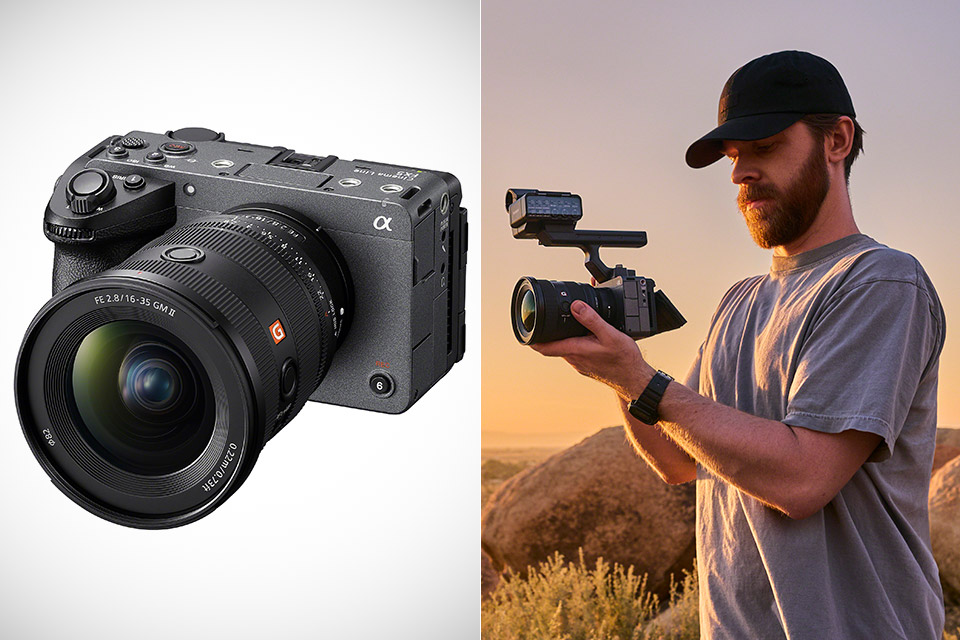
Sony just put a full set of professional cinema tools into a body small enough to disappear on a gimbal or vanish into a backpack. The FX5 arrived today as the latest member of the Cinema Line, and it finally gives smaller crews the internal RAW recording and open-gate flexibility that used to require much larger, heavier cameras.
A brand new, top-of-the-line Exmor RS full-frame sensor is stuffed into the camera’s body, capable of capturing a whopping 16.6 megapixels, and it couples up with the newest BIONZ XR2 processor as well as a dedicated AI unit. The camera can record in spectacular 5K at a smooth 60 frames per second, 4K at a silky 120 frames per second, and Full HD at an incredible 240 frames per second. When it comes to dynamic range, the camera simply outperforms other cameras. With more than 15 stops in S-Log3, you can be confident that your footage will retain super-fine information in both highlights and shadows, even when the light changes on you in a second.

- Cinematic-Style Footage - Experience the power of Xtra Muse's 1-inch CMOS sensor, capable of recording breathtaking 4K resolution videos at 120fps...
- Ultra-Steady Shooting - No more shaky videos! Xtra Muse's advanced 3-axis gimbal camera stabilizer ensures exceptional smoothness. Enjoy smooth...
- Effortless Framing - Enjoy Xtra Muse's expansive 2-inch touch screen, and switch between horizontal and vertical shooting effortlessly.
For the first time in the FX series, open-gate recording is available, as the sensor can now read out its entire 3:2 area while shooting in X-OCN, Sony’s 16-bit RAW format. This means you can perfect your shot and afterward worry about whether you want it in 17:9, 16:9, or Super 35 format – all without compromising resolution. The built-in desqueeze settings allow you to employ anamorphic lenses and watch your monitor show the corrected image while the camera still records all the squeezed data, which is a genuine game changer.
Internal X-OCN recording eliminates the need to haul an external recorder. There are three codec options to choose from: the tried and true LT, as well as the lighter C1 and C2 options. Don’t worry, the file sizes are still manageable, but they contain far more color information than standard 12-bit formats. You can also change your base ISO to 800, 4000, or 12,800, which is ideal for recording both brilliant sunshine and severe low-light settings. Then there’s the Dual Gain mode, which acts as a safeguard against noise when you need it the most. The camera’s stabilization has also improved significantly. You now have five-axis in-body correction, which provides about twice the roll control of the earlier FX3. Active Mode can go up to 120 frames per second, while Dynamic Active Mode can go up to 60 frames per second, making it ideal for strolling or filming handheld.
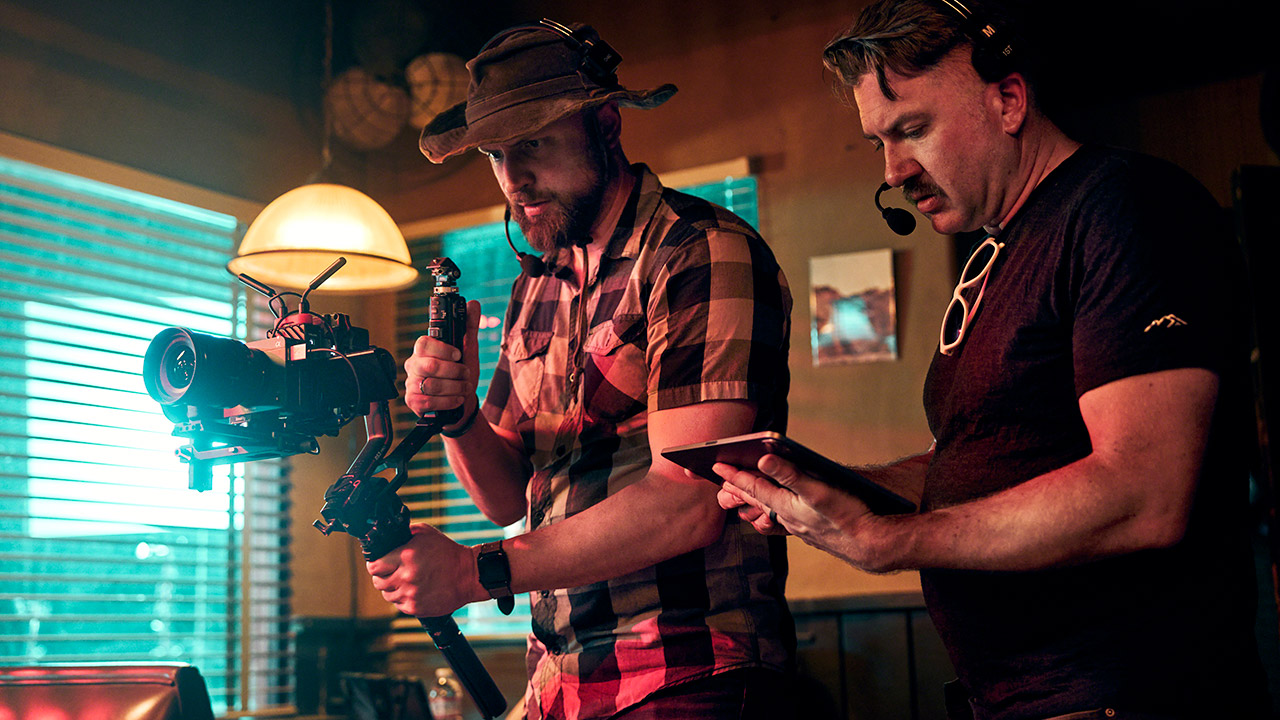
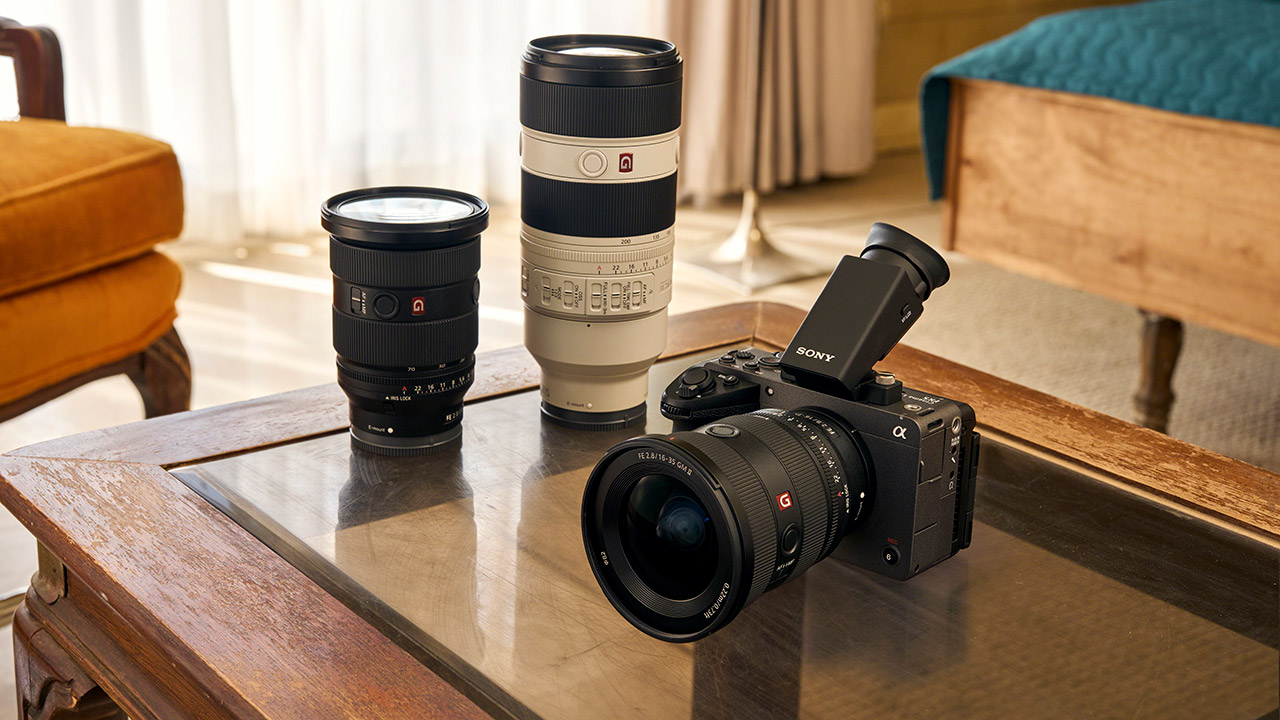
The body remains around the same size as the FX3, but with a host of practical improvements. There are numerous screw holes on the chassis that allow you to bolt on accessories without requiring a full cage. The new 3.5-inch touchscreen is a true beauty, with 2.76 million pixels, it tilts and swings in almost any direction, and provides a lot sharper image in bright light, plus there’s the new “BIG6” home screen: frame rate, exposure, and LUT options all in one spot, nice and easy to access. The menus have been redesigned to match the higher-end CineAlta cameras, which will be a significant plus for anyone familiar with that system. And the AI-powered autofocus has really stepped up its game, following those eyes, head, and torso with far greater accuracy than ever before, especially in low light. Real-time tracking and a revised auto-white balance technology that takes into account both visible light and infrared will keep skin tones consistent even when your subject moves between shade and sun.
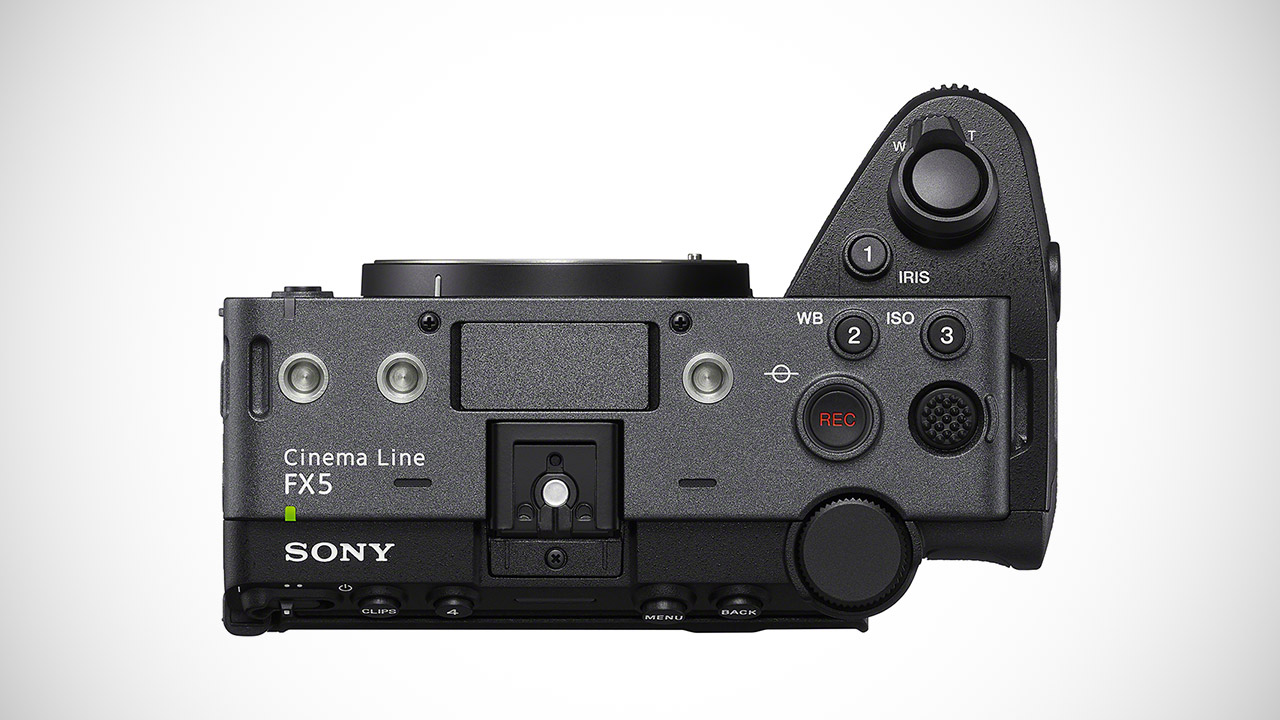
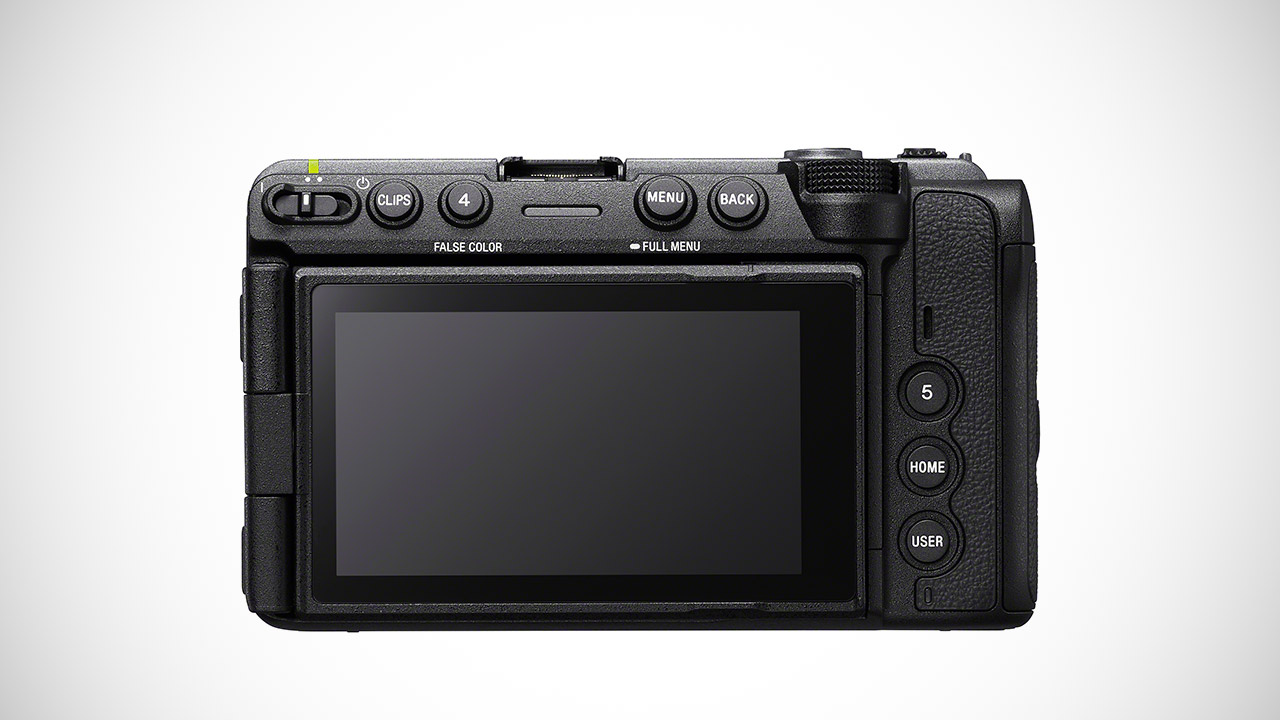
Power is generated by a new, higher-capacity NP-SA100 battery that can last longer than the one it replaced. Two USB-C connectors charge the camera and serve as power supply ports, while a wired LAN port and expanded wireless options connect the camera to smartphones or tablets via Sony’s Monitor & Control app. An optional tilt-able OLED EVF and a new four channel XLR handle capable of recording high-quality 32-bit float audio are available for purchase separately.
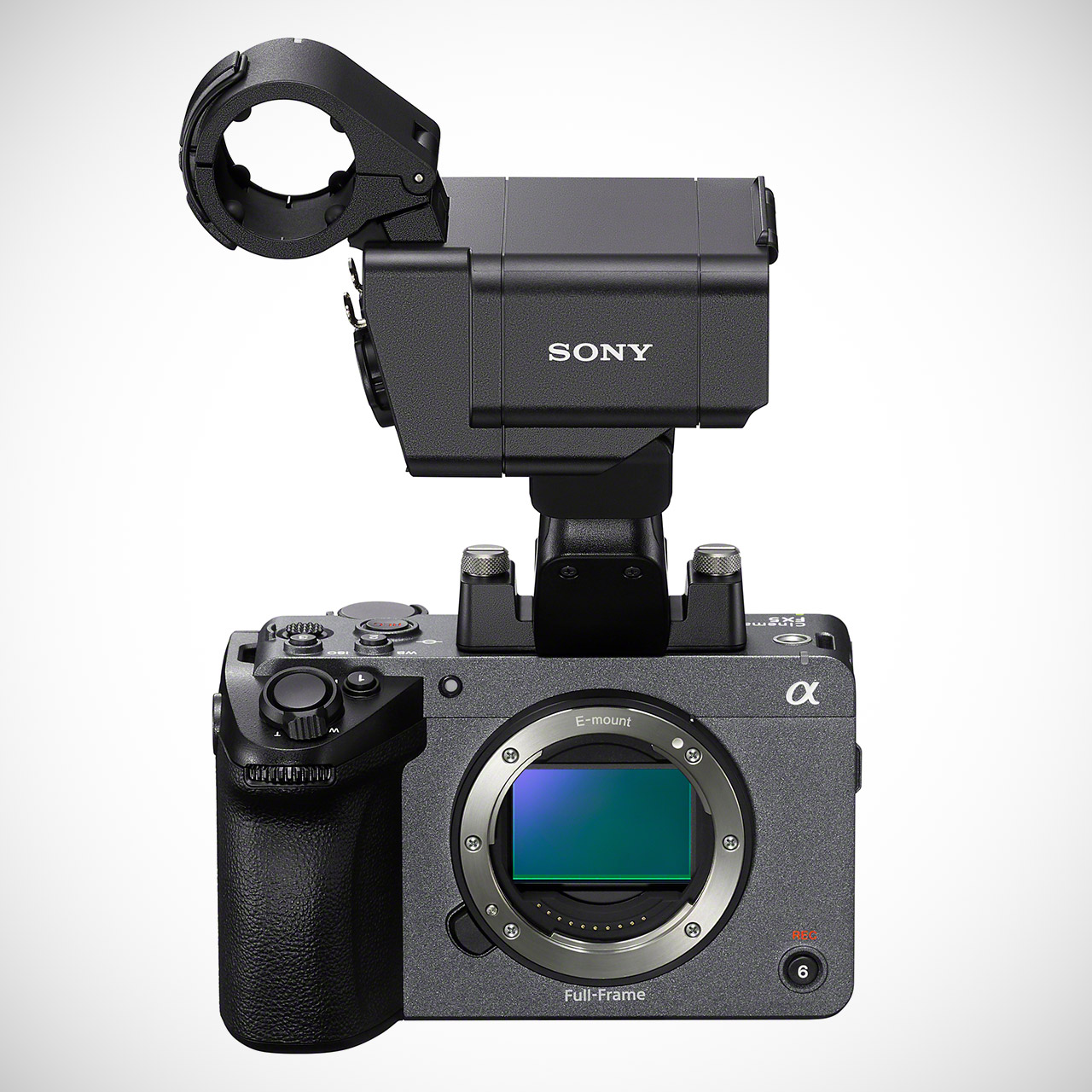
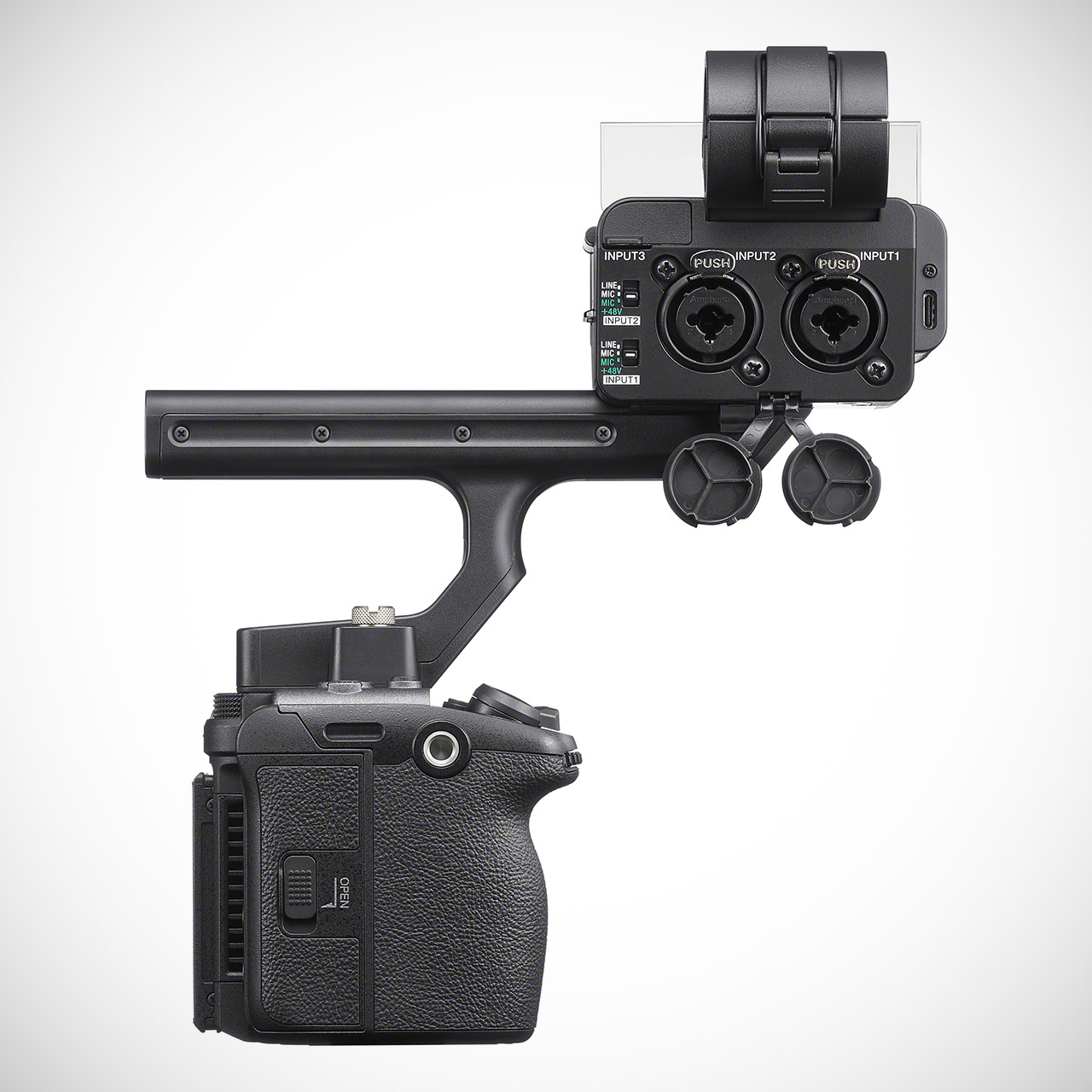
The cost of just purchasing the body begins at $4,899. If you want to include the XLR handle unit, it will cost $5,499. Both solutions will be ready by the middle of August. As an added bonus, a software update is set to be released in 2027, allowing for even faster frame rates via the X-OCN, as well as the possibility for open-gate mode on other codecs.