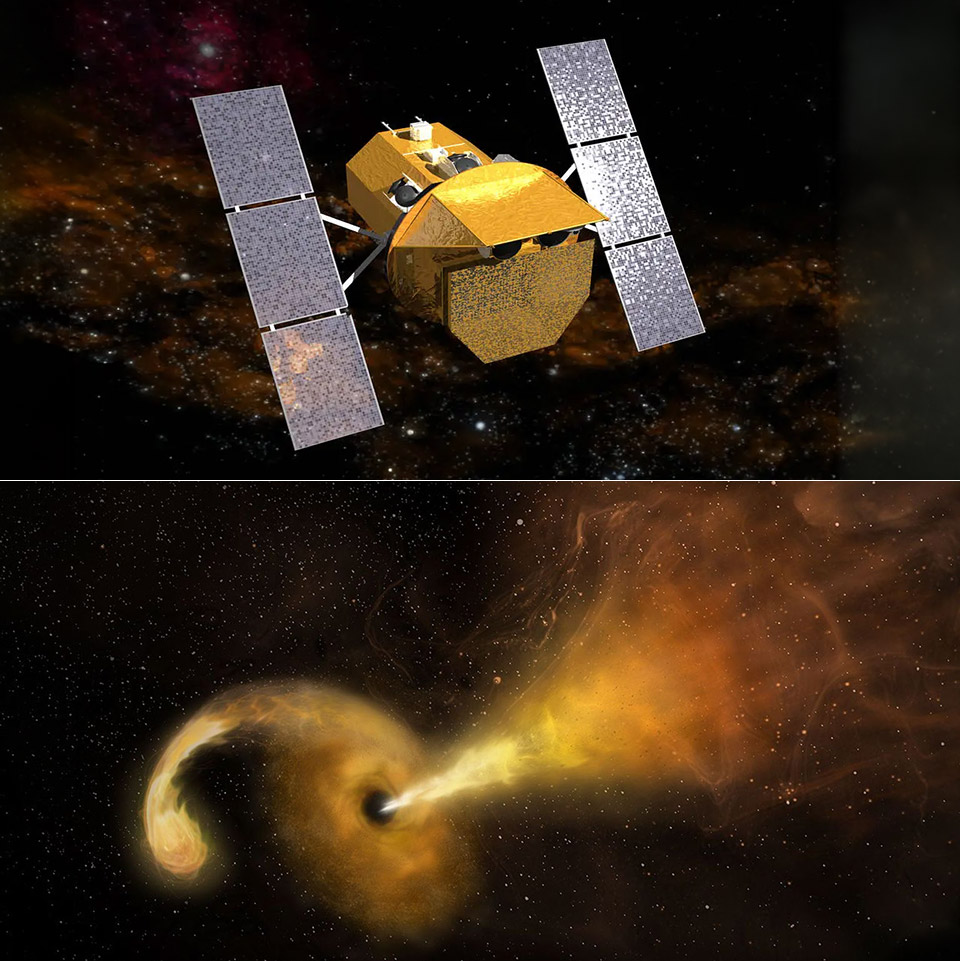
Far out on the outskirts of a galaxy 750 million light-years away, something invisible finally gave itself away. In November 2025, a sudden brilliant flare appeared more than 30,000 light-years from the galaxy’s center, a place where almost no one expected to find a supermassive black hole.
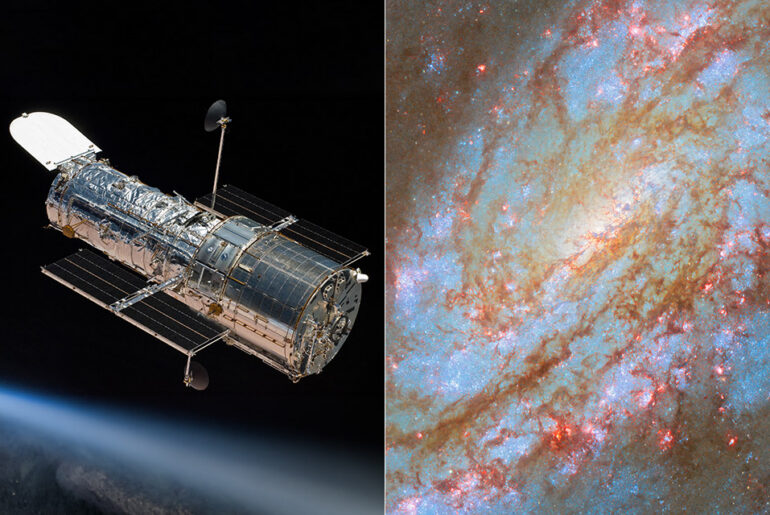
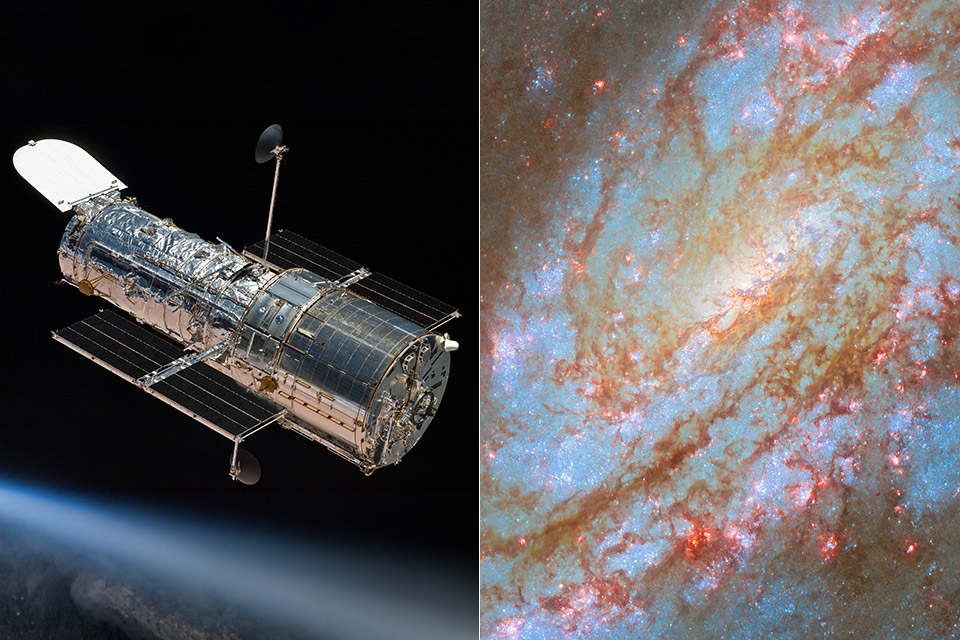
Hubble’s latest image shows NGC 4654, which sits 72 million light-years from Earth in the constellation Virgo, inside one of the densest collections of galaxies known as the Virgo Cluster. An intermediate spiral, it carries only a weak bar near its center, placing its shape somewhere between galaxies with strong central bars and those that lack them entirely. A rounded, clearly defined edge marks one side of the disk, packed with stars and gas, while the opposite side fades into a long gaseous tail that stretches beyond the edge of the frame.

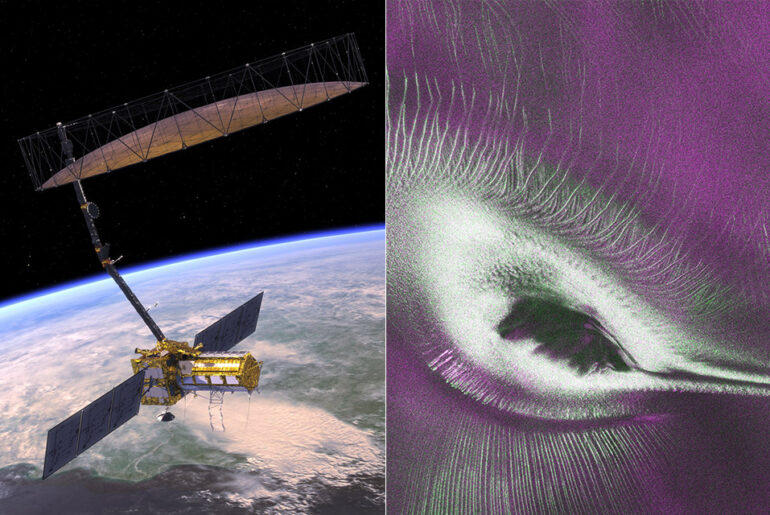
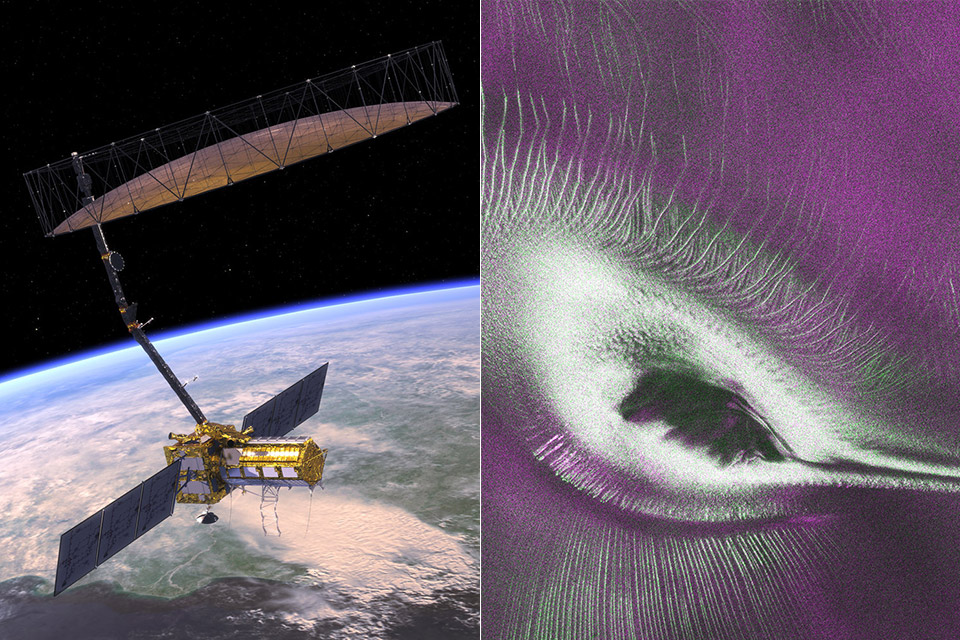
Photo credit: NASA/JPL-Caltech
Radar signals from the joint US-India NISAR satellite have mapped a mountaintop in East Antarctica that forms a clear hummingbird shape once the data is processed into color. Scientists at the mission nicknamed the result “the hummingbird” almost as soon as the image appeared.

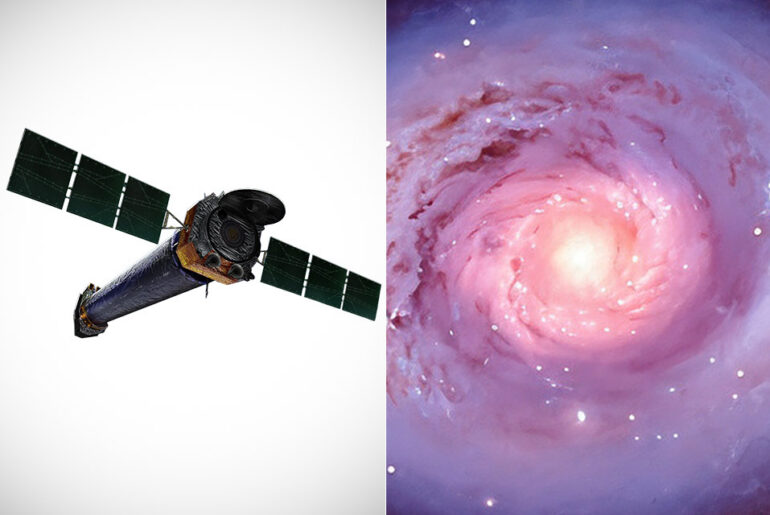
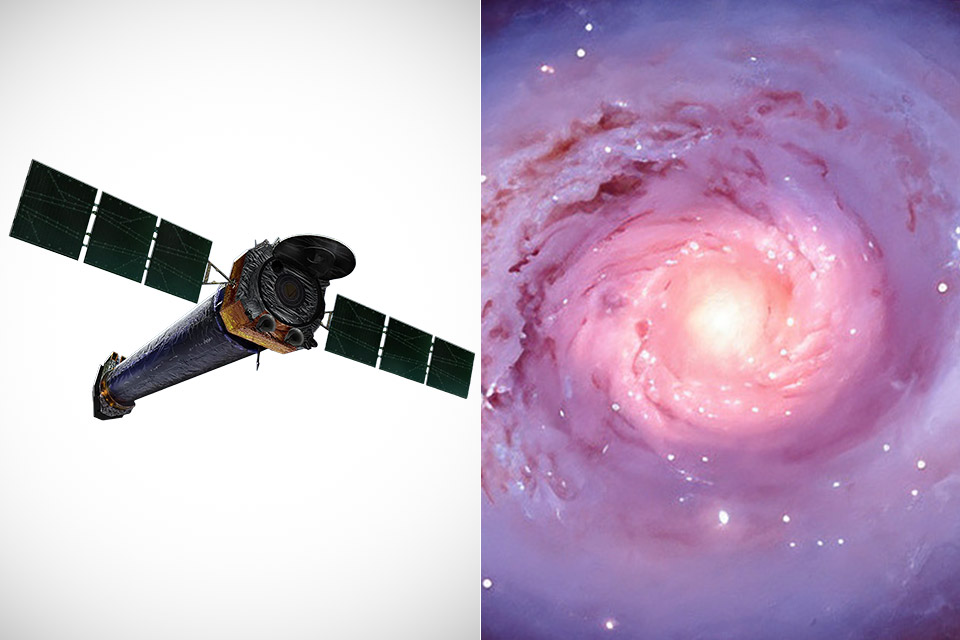
Sixteen million light-years away, in the constellation Canes Venatici, sits a spiral galaxy that refuses to look ordinary. NASA’s Chandra X-ray Observatory recently delivered a composite view of Messier 94, also catalogued as NGC 4736, that layers high-energy X-rays over a ground-based optical photograph. The result shows a bright central region wrapped in a tight ring of intense star formation, with the whole structure set against a softer outer disk that stretches farther than early observers realized.

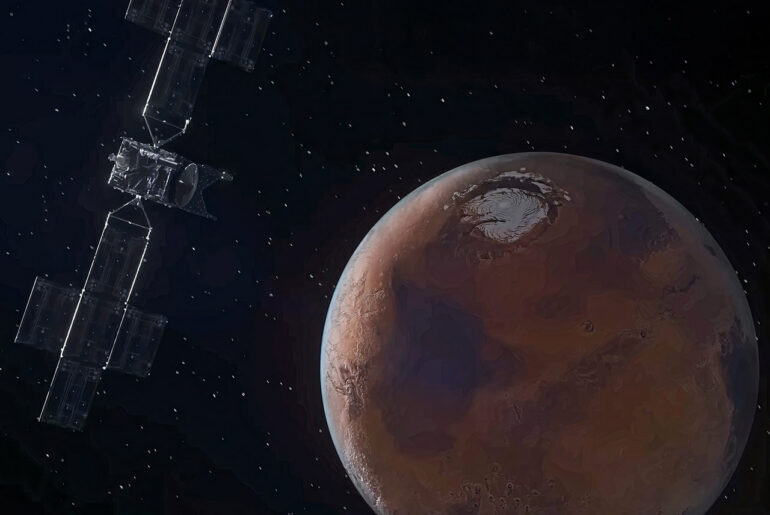
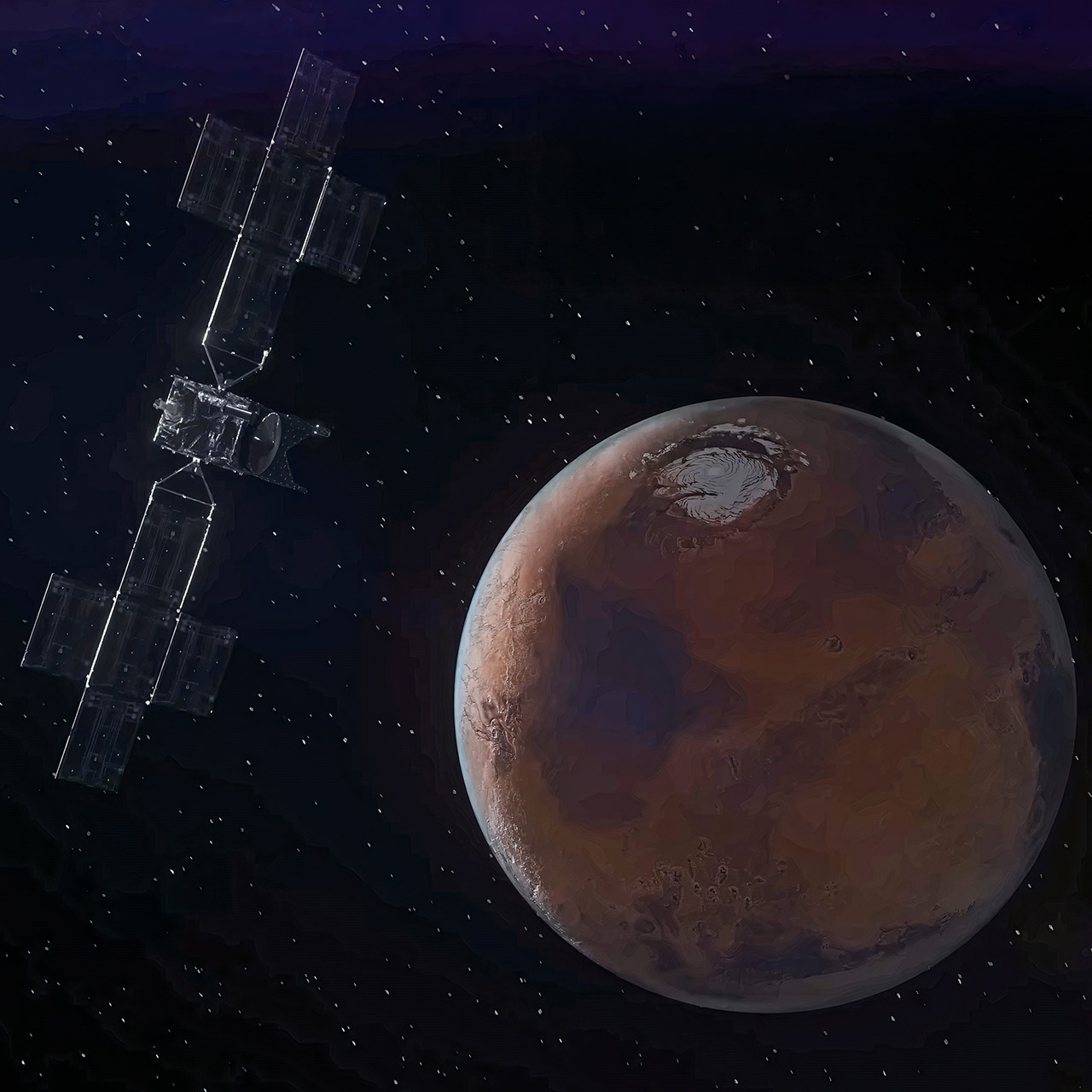
NASA has just released a time-lapse video of the Psyche spacecraft approaching Mars, passing within 2,864 miles of the surface, and then pulling away after using the planet’s gravity to gain speed on May 15. The sequence, built from photographs taken over a month, shows Mars as a narrow dazzling crescent that expands and recedes behind the craft. Sunlight scattering through the dusty landscape led the crescent edges to shimmer and spread wider than intended, giving spectators a unique perspective rarely seen in missions.

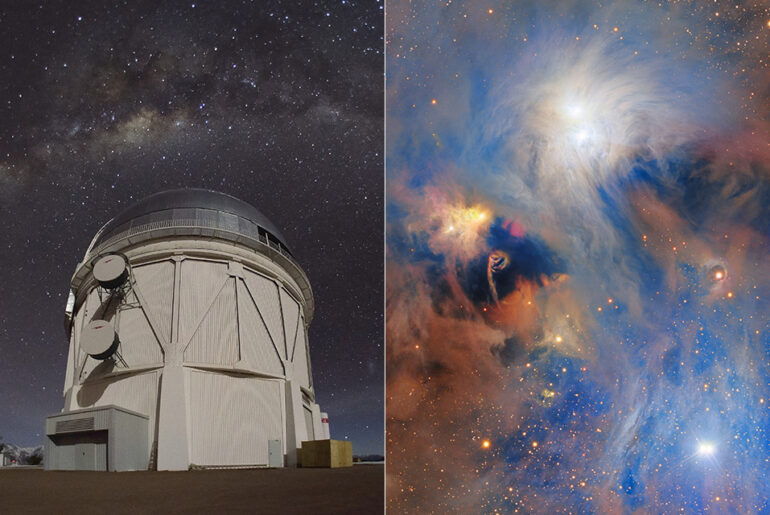
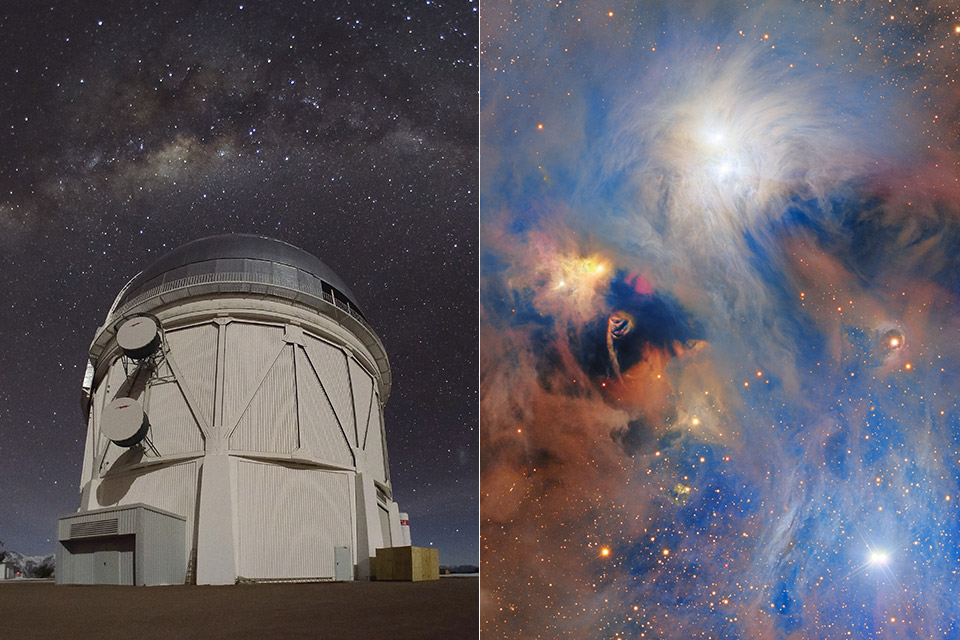
Astronomers released a fresh view of the southern sky this week that carries an unexpected artistic quality. Captured by the Dark Energy Camera mounted on the Víctor M. Blanco Telescope in Chile, the image highlights the Corona Australis Molecular Cloud and surrounding features in rich color and fine detail.

Apple TV+ has just released the first teaser for Mayday, a Cold War thriller that already offers more than your typical spy thriller after just one minute of viewing. Ryan Reynolds plays Lieutenant Troy “Assassin” Kelly, a Navy pilot on a top-secret SR-71 surveillance mission that goes catastrophically wrong and crashes deep into the Soviet Union. Kelly is wounded, left to fend for himself, stuck in enemy territory, and his chances of survival are dependent on an unlikely ally.

There has always been a lot of information that could be gathered from Beta Pictoris, which is the best place to learn about the formation of planets in our galaxy. It’s located just 63 light years away from us, and it was formed some 23 million years ago. There is a lot of debris material around this star, along with two heavy impacting planets.

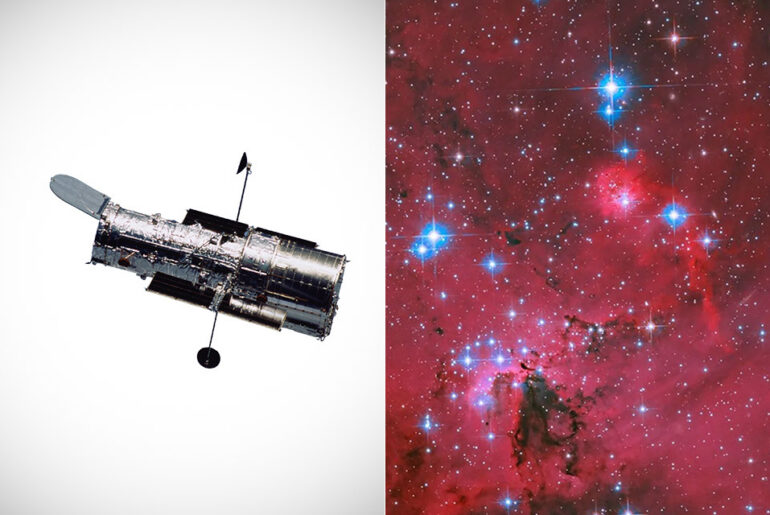
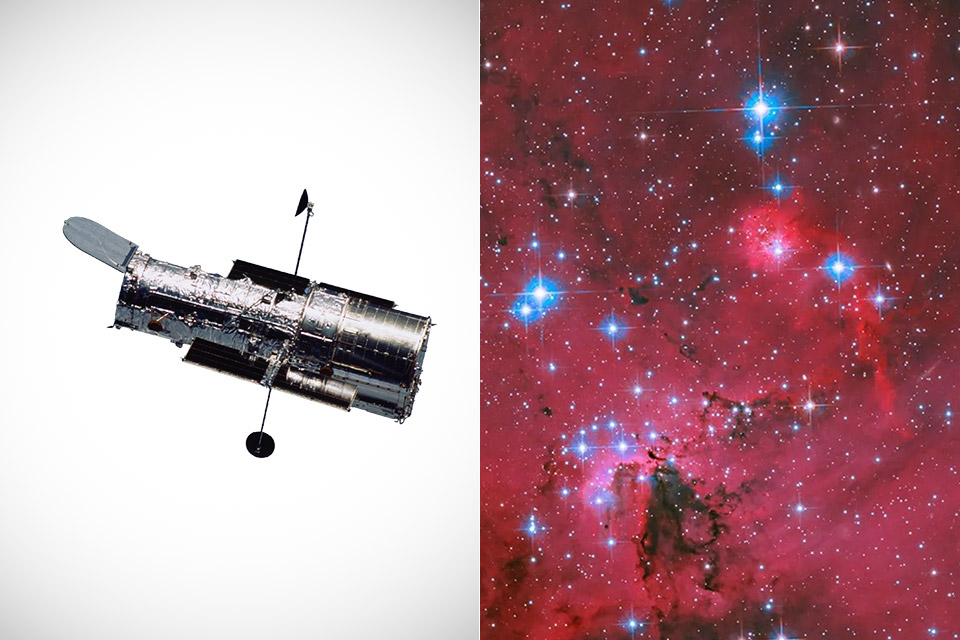
Recent photos from NASA / ESA’s Hubble Space Telescope show magnificent crimson plasma and dazzling blue stars in all their glory. The image in question is from LH 95, a star-forming region in the Large Magellanic Cloud, a dwarf galaxy that orbits the Milky Way.

SpaceX just released a new documentary that drops straight into the control rooms and launch site during the final stretch before its biggest rocket flew again. Titled Critical Path, the 34-minute film follows engineers at Starbase in Texas through the intense days leading up to Flight 12 on May 22. It is the second episode in their ongoing series and stays tightly focused on the real work required to get the first Version 3 Starship and Super Heavy off the ground.