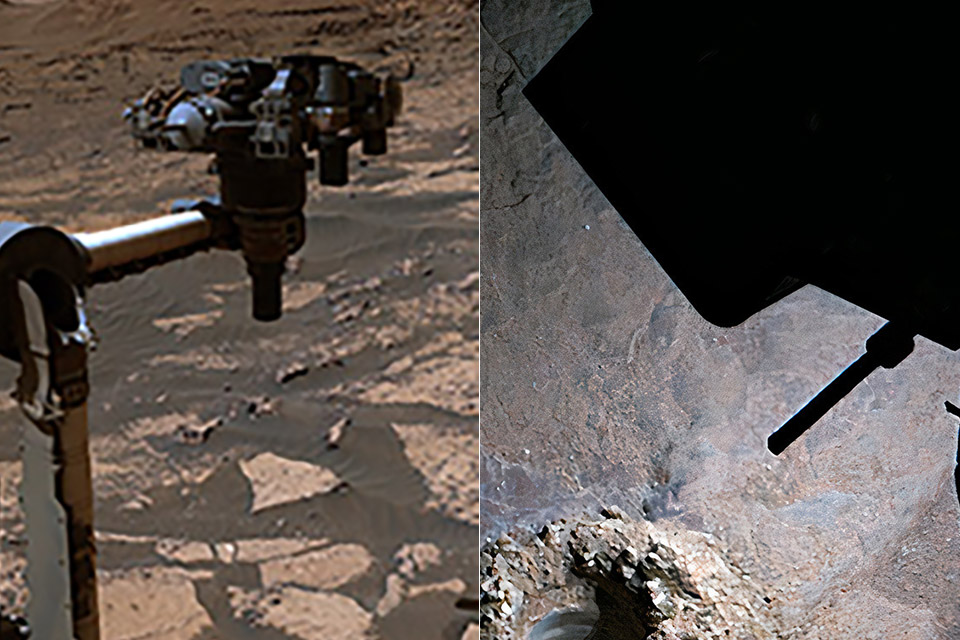
NASA’s Curiosity rover has been trudging about in the Martian sand for over a decade now, transmitting an endless flood of information in the bright Martian sunlight. However, on December 6, 2025, or Sol 4740 of its mission, a significant event in Curiosity’s long mission history took place when engineers used its lights to take a series of photos.
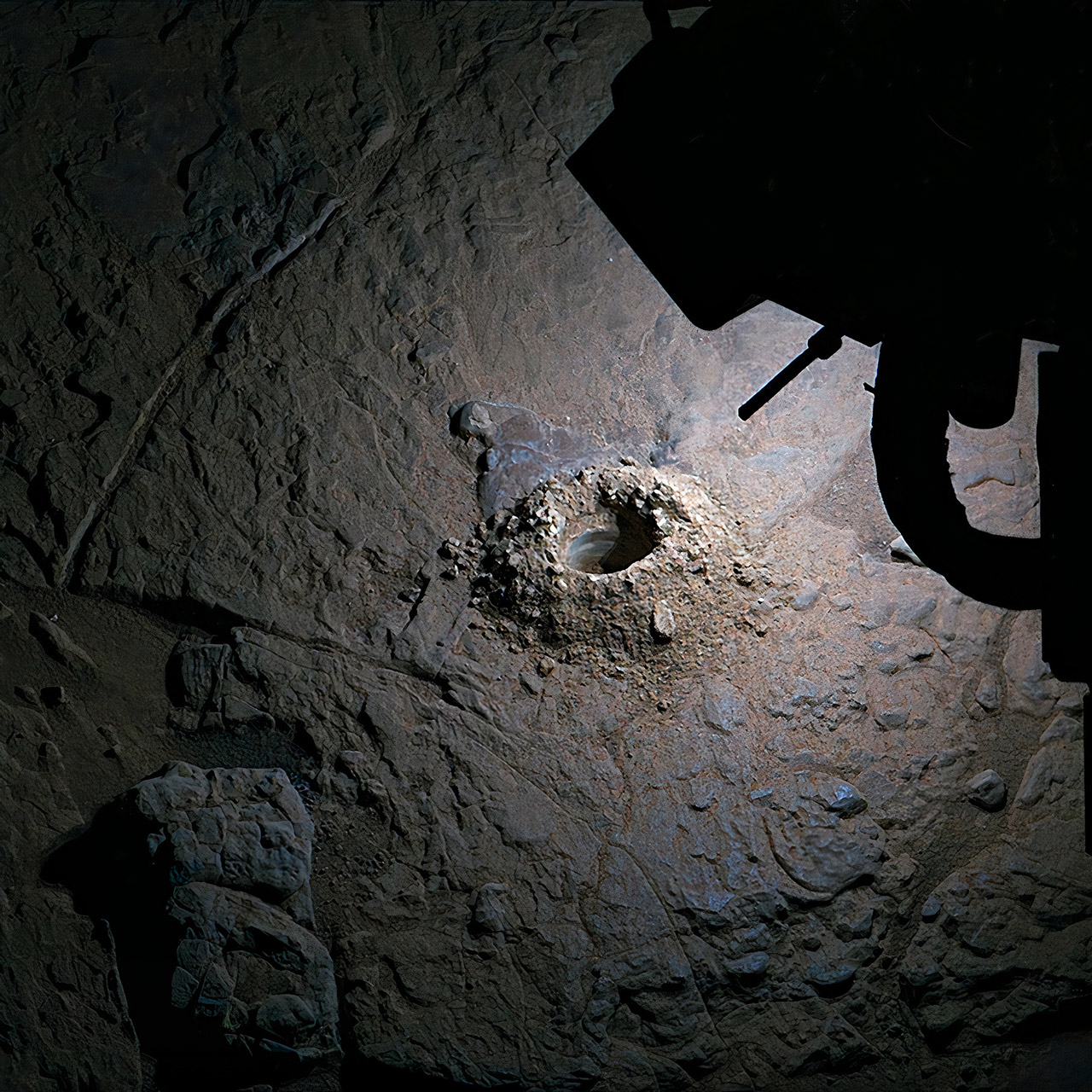
We are talking about an image of a freshly drilled rock, which was dug by the Curiosity rover and has been named Nevado Sajama, which is the name of a volcanic mountain located in Bolivia. The drilling process used here resulted in the walls of the hole being smoother than usual, without the presence of dust which would hinder the view. It was an opportunity to look closely at the rock and check for any signs of layering on the surface of the rock.

- Feed a passion for science and technology – Kids can learn more about the challenges of space exploration with this LEGO Technic NASA Mars Rover...
- Conduct a test flight – This advanced building kit for kids ages 10 and up includes a buildable toy version of NASA’s Ingenuity helicopter, which...
- AR brings the mission to life – The accompanying augmented reality app experience lets kids dive into the details of the rover and its mission
Daylight on Mars has a reddish tinge, making colors difficult to identify and small features indistinguishable. However, to avoid this problem, the scientists waited till night and then positioned the robotic arm so that the Mars Hand Lens Imager, or MAHLI for short, could point its white light LEDs into the hole. Incidentally, these LEDs have a low power output, comparable to a handful of candles rather than a blazing torch.
Its Mast Camera snapped the photo with its high-def right-eye lens, and a crystal-clear image was created. The image was taken with a 5-second exposure to ensure that enough light was captured from the LEDs to show the drill hole in crisp clarity. There are signs of stratification, which will help determine whether this rock was formed by ancient water flows or mineral deposits.
Nighttime work with the rover is uncommon, since they prefer to operate during the day when they can receive enough energy and visibility from natural sunshine. The MAHLI’s LEDs often fill in any deep shadows seen inside holes or instrument inlets. Previously, the Curiosity team attempted several night images to get a better look at the walls of the drill holes, but these did not work very well since adjustments to the drilling hardware had left most of the holes too irregular to get a meaningful view. However, Nevado Sajama was different. The clean walls made the extra work worthwhile, providing the scientists with a new perspective on the rock’s composition without all of the day’s dust in the way.
[Source]