![]()
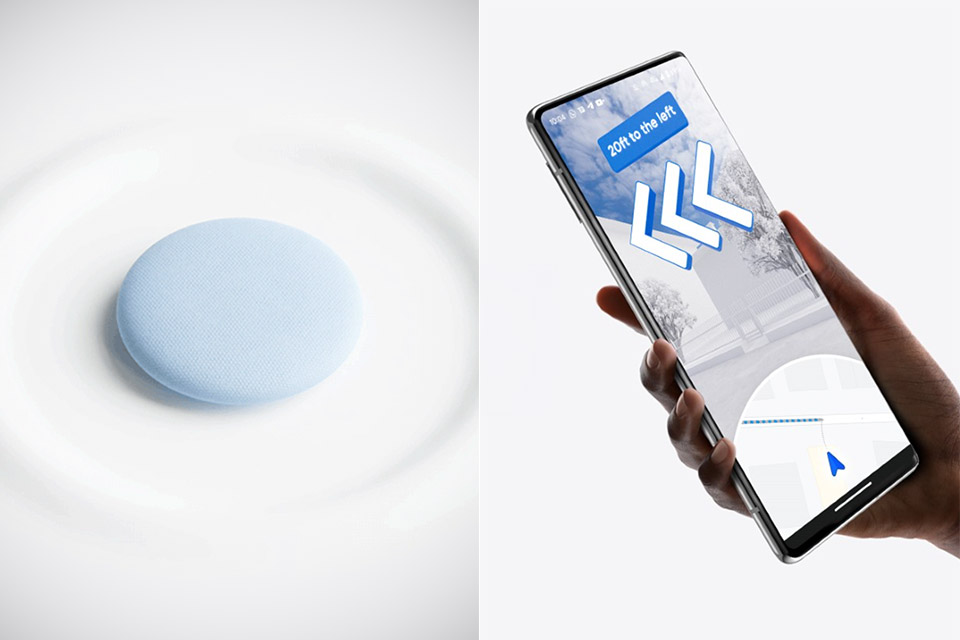
A small, pale oblong device has started turning up in European retail listings and a clear photo, and it carries the name Google Pixel Tag. The model number GA12506 appears alongside a color called Fog Light. The shape stands taller and more pill-like than the round discs most people already know, closer to the core of an old Fitbit without the band attached. A large Google “G” sits in the center of the face. Below it sits a tiny speaker grille and what looks like a small LED.
![]()
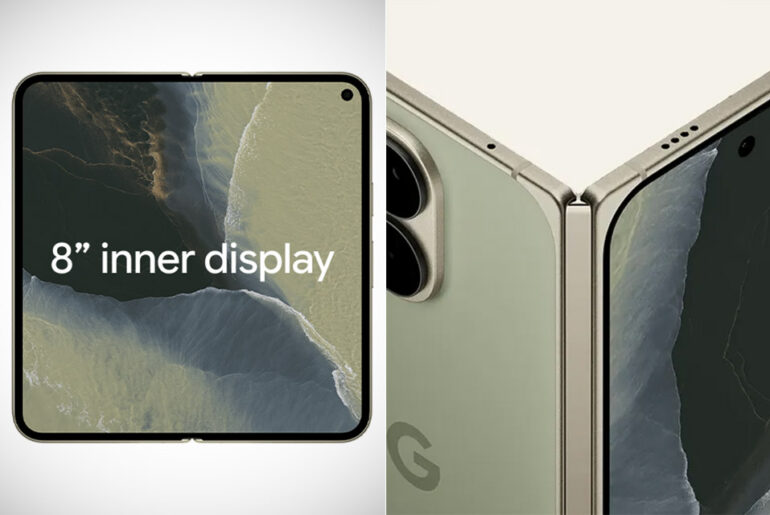
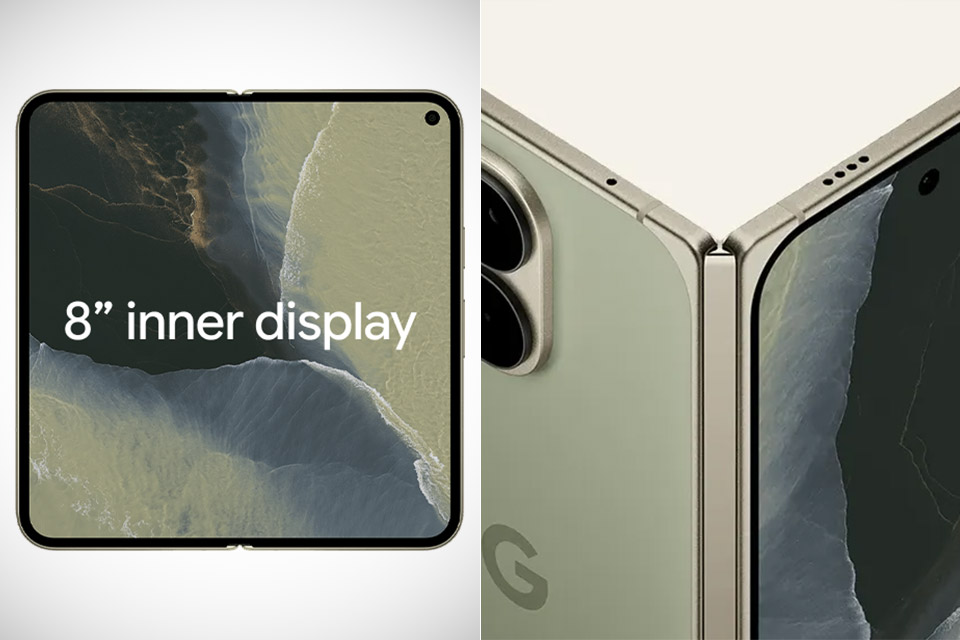
Evan Blass has shared a collection of high-resolution images that look like they came straight from Google’s own marketing materials for the Pixel 11 Pro Fold. Posted through his Leakmail newsletter on July 30, the shots capture the foldable from nearly every angle in a muted green finish called Pine. This shade sits a step darker than last year’s Jade, paired with a light gold frame and matching Google logo that give the phone a quiet, refined presence.

Photo credit: Sarang Sheth
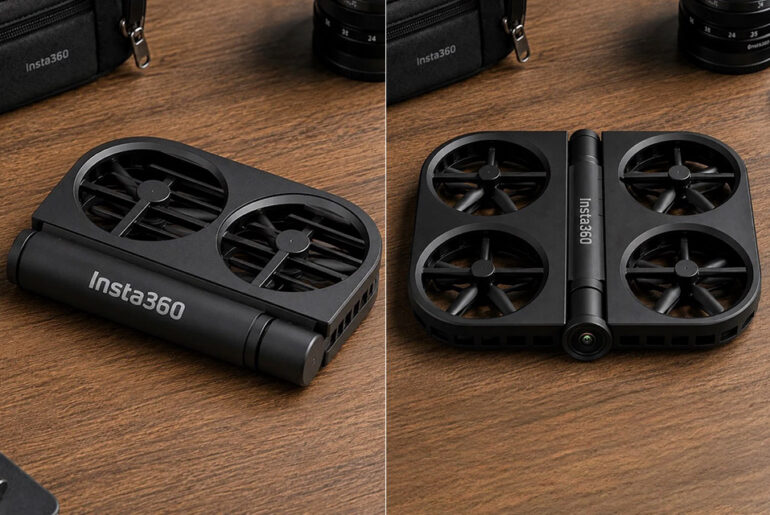
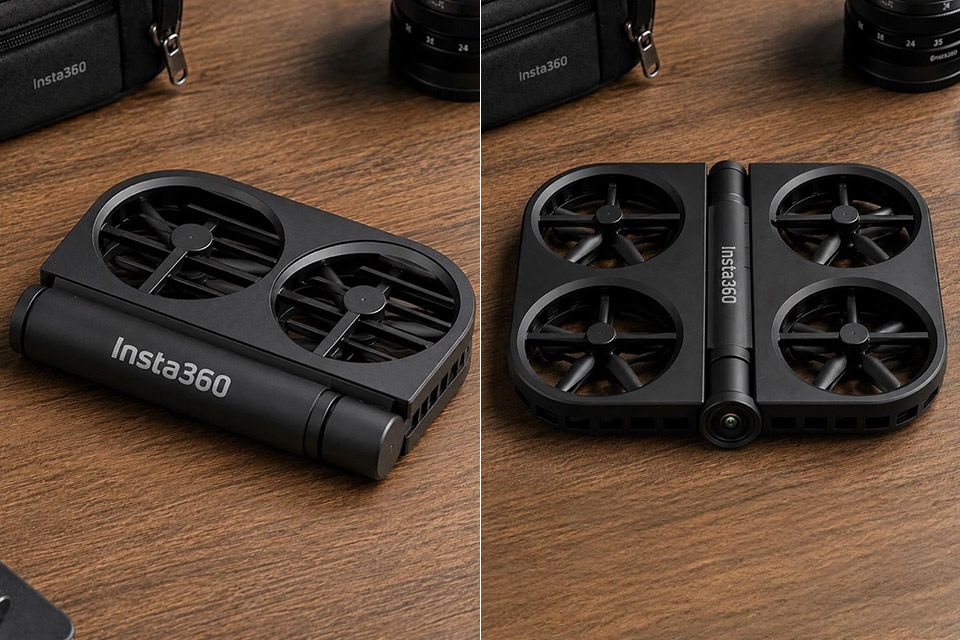
Insta360 keeps filing patents that point straight at the same light, easy-to-carry drones DJI has been selling to casual pilots and creators. The latest one, utility model CN223865117U, describes a compact aircraft with arms that fold completely into the body and a ring-shaped guard around the propellers. Images from the filing, first noticed in mid-July, show a small black chassis stamped with the company logo and a simple locking system that holds the arms open or closed. The entire package is designed to stay under 250 grams, the legal limit that lets many countries skip the more complicated registration rules.

Photo credit: You_SuiKoyoAZ
Someone sitting in the cafe at the Fuji Speedway Motorsport Museum looked up and saw a low, dark coupe rolling by. Phone out, they grabbed a couple of stills and then a short video of the same car turning laps on the circuit itself. The clips hit social media on July 22 and immediately set off the usual round of speculation about Toyota’s long-rumored mid-engine, next-generation MR2 sports car.

Apple’s fall event calendar has settled into a familiar groove, and this year’s Labor Day landing on September 7 leaves Wednesday the 9th looking like the strongest candidate for the iPhone 18 Pro reveal. Past fifteen years of keynotes rarely stray far from that window, and the pattern points to pre-orders opening the following Friday with phones shipping a week later on the 18th. A later Monday date remains possible, yet the early-September slot has held more often than not.

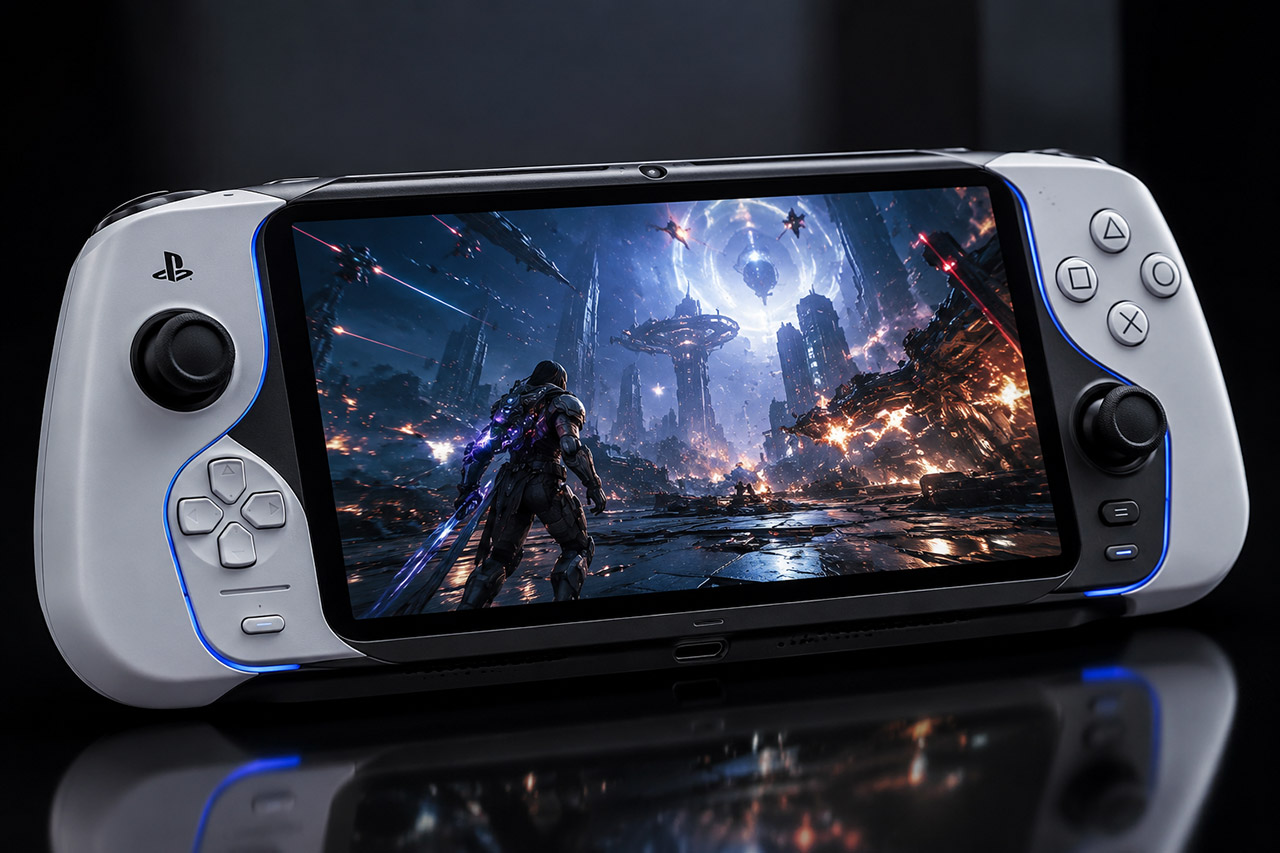
Sony spent its latest investor meeting talking less about bigger televisions and more about games that move with you. Executives described a future where PlayStation stops living only in the living room and starts working in bedrooms, cars, hotel rooms, and anywhere else a screen and a battery can go. The language was careful, yet the direction felt clear. The next hardware generation, widely expected to carry the PlayStation 6 name, appears built around a portable device rather than another box that sits under a TV.
![]()
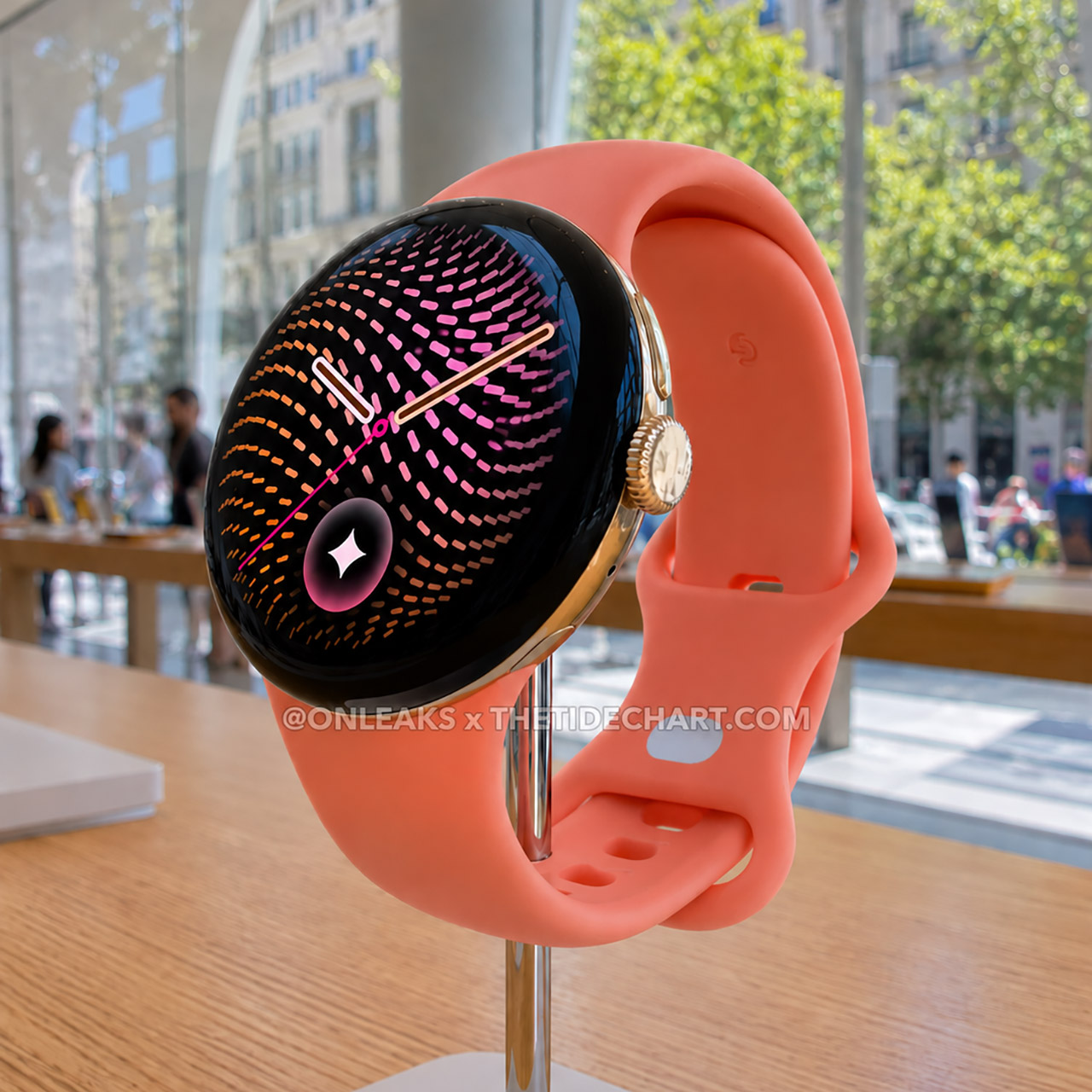
Photo credit: The Tide Chart | OnLeaks
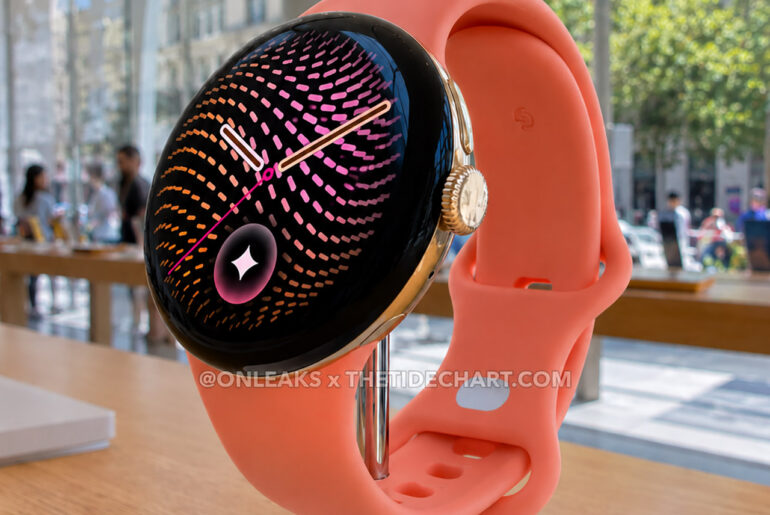
Fresh official-looking renders of Google’s next smartwatch have appeared online this morning, and they show the Pixel Watch 5 looking every bit as polished as the phones set to join it later this summer. The images come courtesy of longtime leaker OnLeaks working with a new site called The Tide Chart, and they lay out the full color lineup in clean, high-resolution detail that feels ready for a product page.

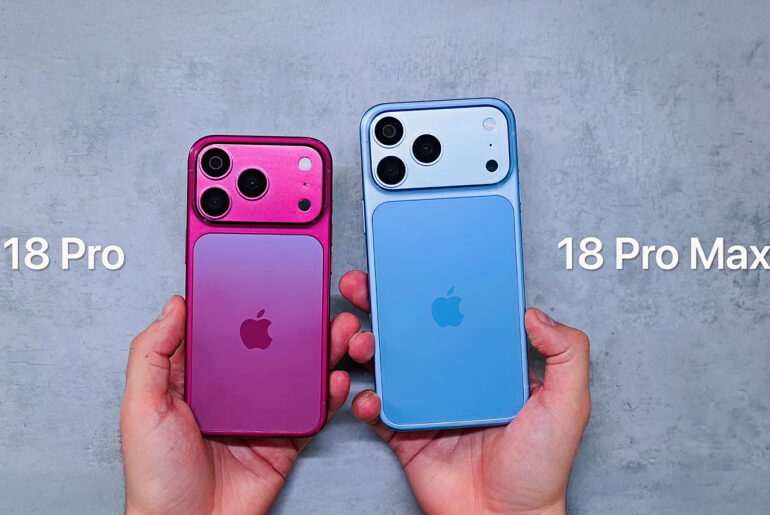
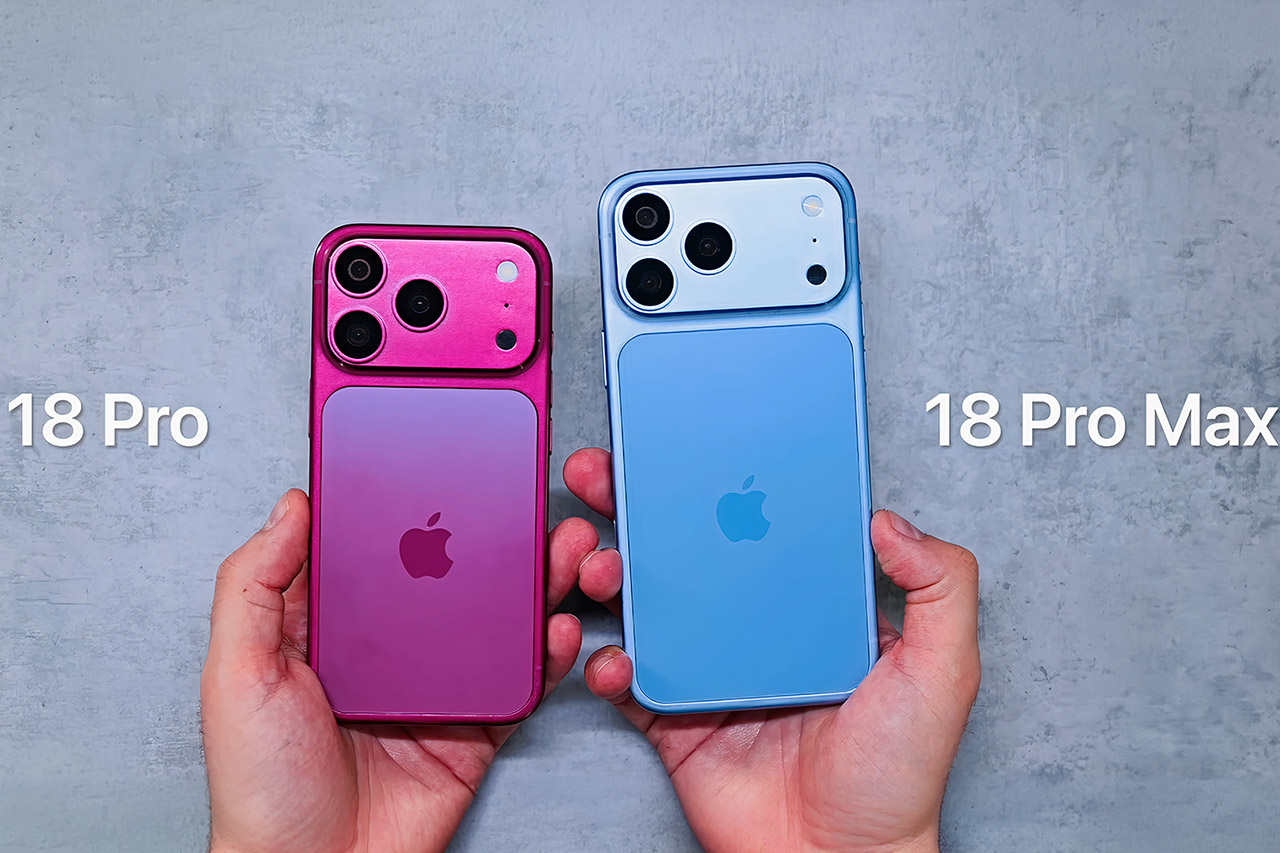
Details that surfaced today from Chinese regulatory filings and posts by longtime leaker Ice Universe point to a meaningful jump in battery capacity for the upcoming iPhone 18 Pro Max. The device could ship with a 5,567mAh cell in its U.S. version. That figure sits nearly 500mAh above the capacity of the iPhone 17 Pro Max and marks one of the largest single-year gains Apple has targeted in recent memory.

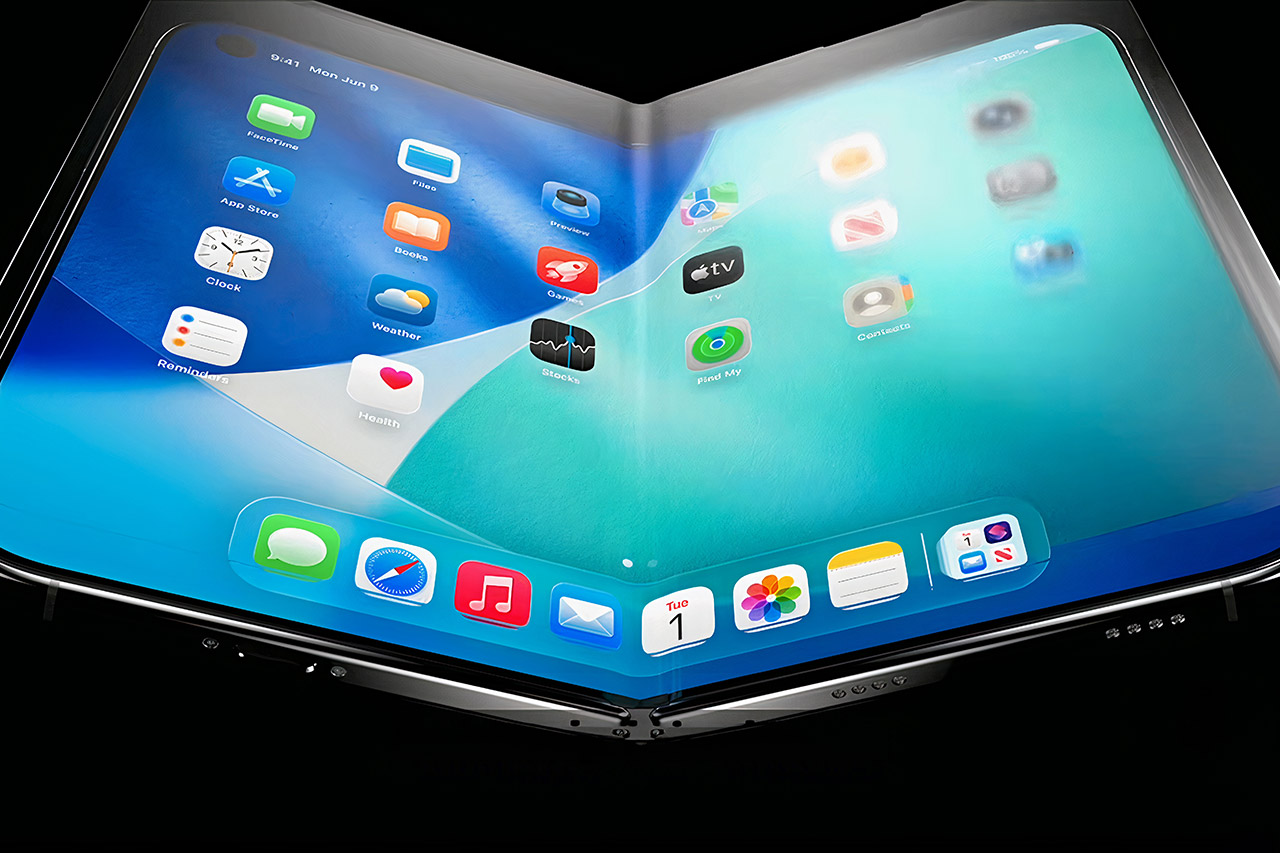
Recent checks on Apple’s supply chain point to a launch strategy heavy on anticipation and light on immediate stock. The company appears ready to show its first foldable handset, the rumored iPhone Ultra, in September, yet early buyers could face weeks or months of waiting lists and marked-up resale prices. This setup recalls past launches where demand ran far ahead of what factories could deliver right away.

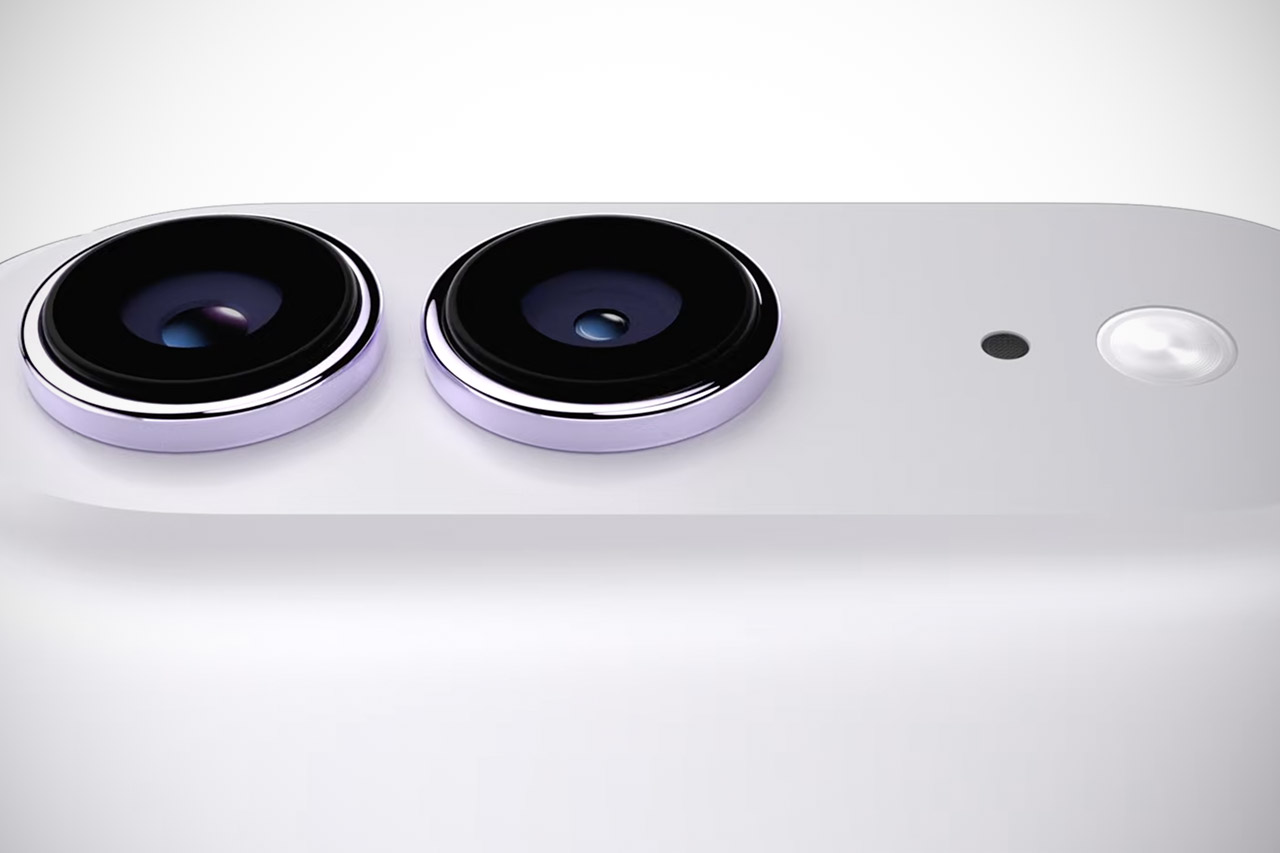
Apple launched the first iPhone Air last year as a deliberate step toward extreme thinness. At just 5.6 millimeters thick, the device used a titanium frame and careful internal engineering to deliver a phone that felt unlike anything else in the lineup. It sold well, roughly twice as strong as the model it replaced in some markets. Yet feedback quickly highlighted two areas where the bold design created clear compromises: a single rear camera and battery life that struggled to match expectations during long days of use.