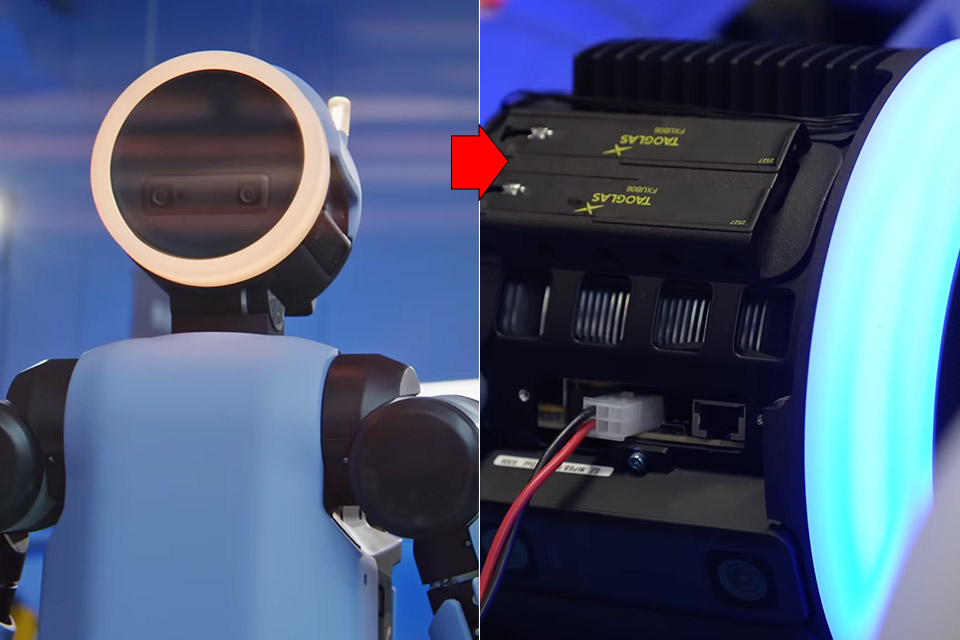
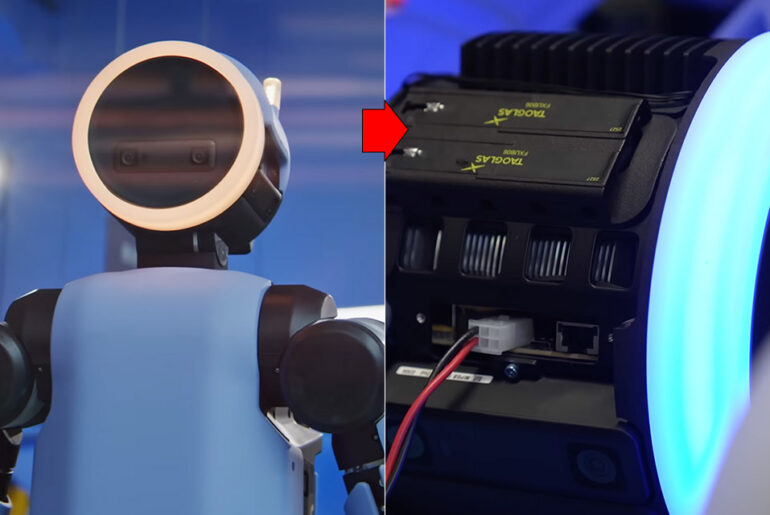
Boston Dynamics spent years sending Atlas over boxes and through parkour courses with almost nothing on top that looked like a head. Hydraulic Atlas lived as a research machine built for flips, runs, and balance tests. Forward sensors were enough when the only job was reading the ground a few steps ahead.
![]()
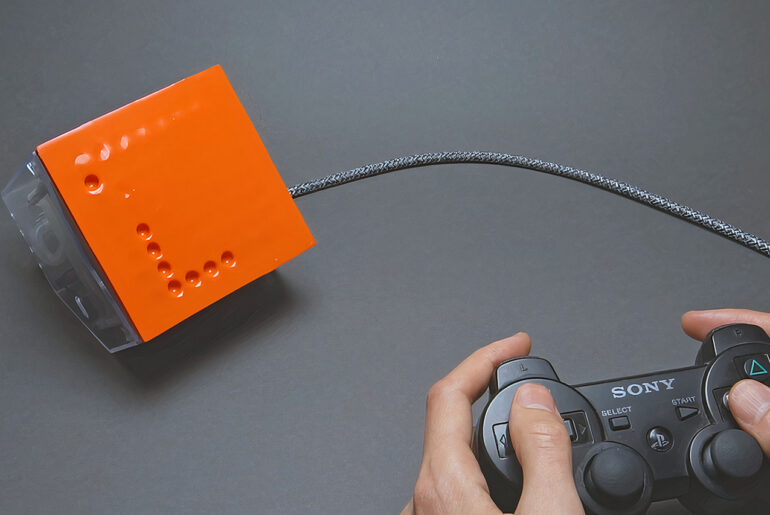
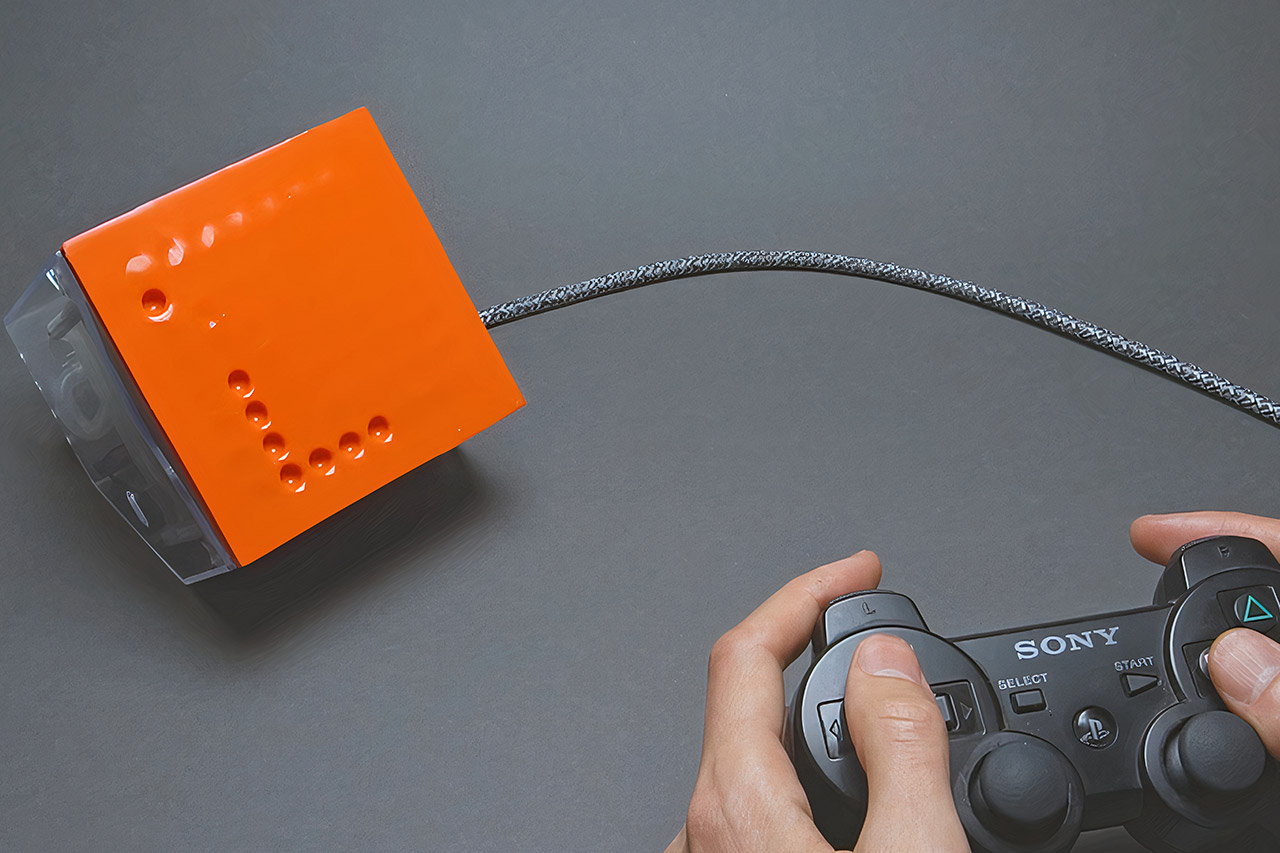
Soft silicone dots rise and fall across an eight-by-eight grid, forming shapes and simple patterns without a single glowing diode or liquid crystal. Soiboi Soft, the maker behind the project, built this entire display from air pressure differences, 3D-printed plastic, and thin membranes that act like valves and memory cells. Atmospheric pressure stands in for a binary zero. A vacuum stands in for a binary one. Once a pixel settles into place it stays there on its own, no continuous power required.

Years of smartphone presentations treated screen-to-body ratio like a scoreboard. Smaller black borders meant progress. Xiaomi chased the idea with the Mi Mix series. Samsung briefly tried waterfall curves that bent the glass over the sides. One extreme concept even wrapped the display around the back so the number could climb past 100 percent. Those experiments eventually settled down. Curved edges brought reflections, weaker durability, and accidental touches. Premium phones today sit at roughly one to two millimeters of border all the way around. Some people still call those borders unacceptable. Most of them were never going to buy the phone in the first place.

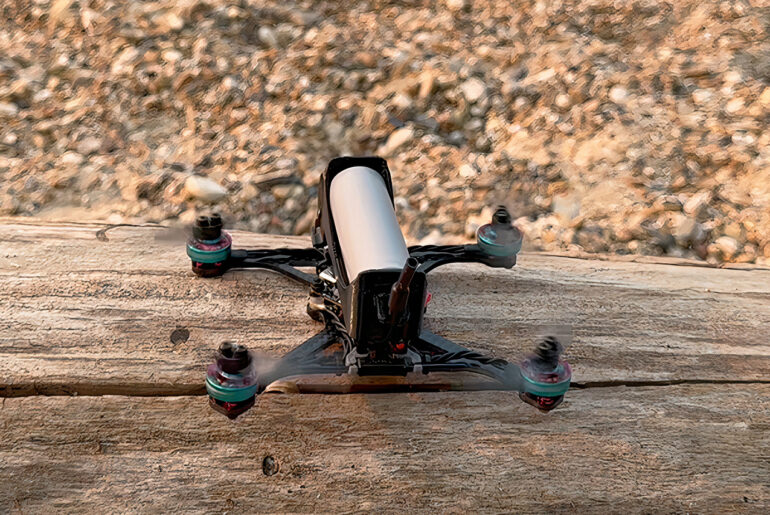
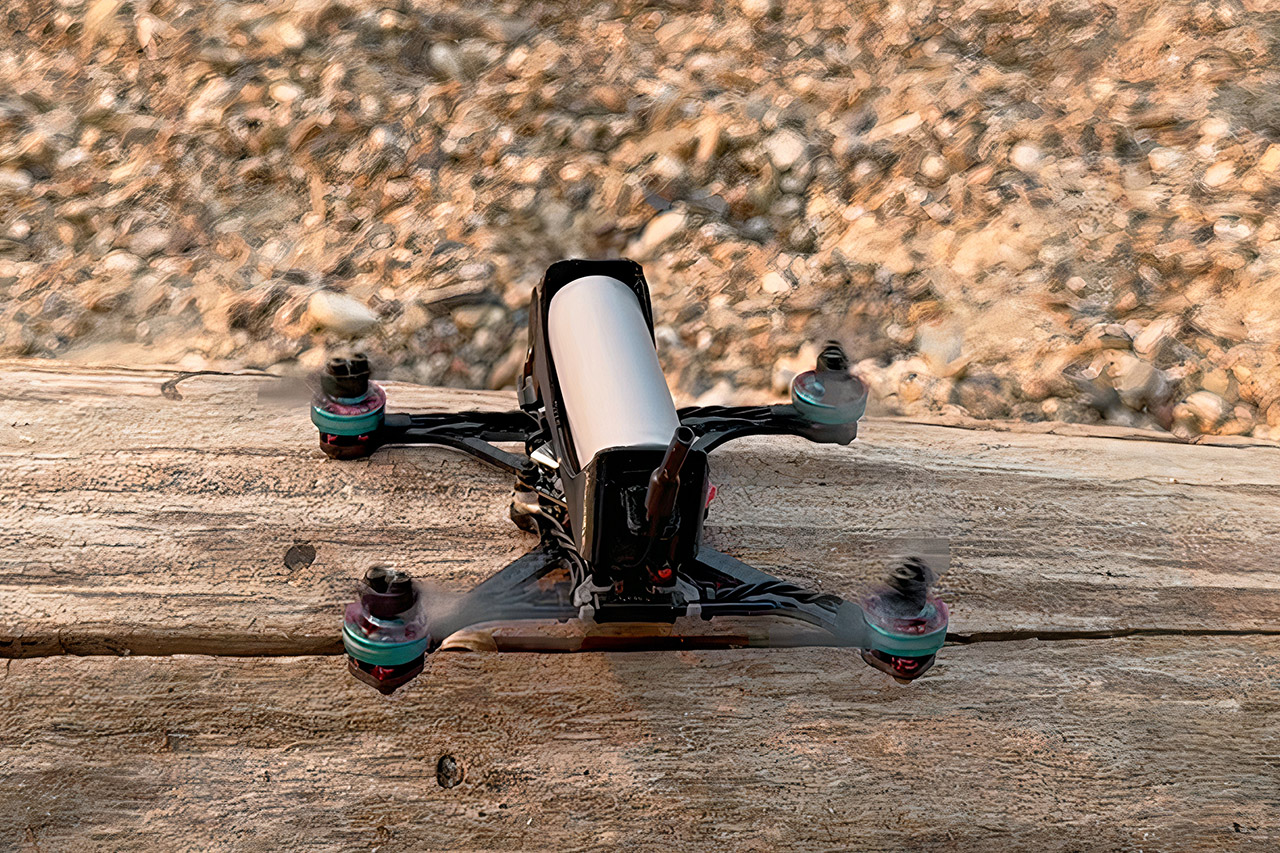
Most tiny 1S FPV quads promise fun in a pocket-sized package and then land after ten or twelve minutes. Battery weight climbs fast once you chase real flight time, frames snap on the second or third hard landing, and the video link rarely reaches beyond a couple of kilometers. One builder decided those limits were optional.

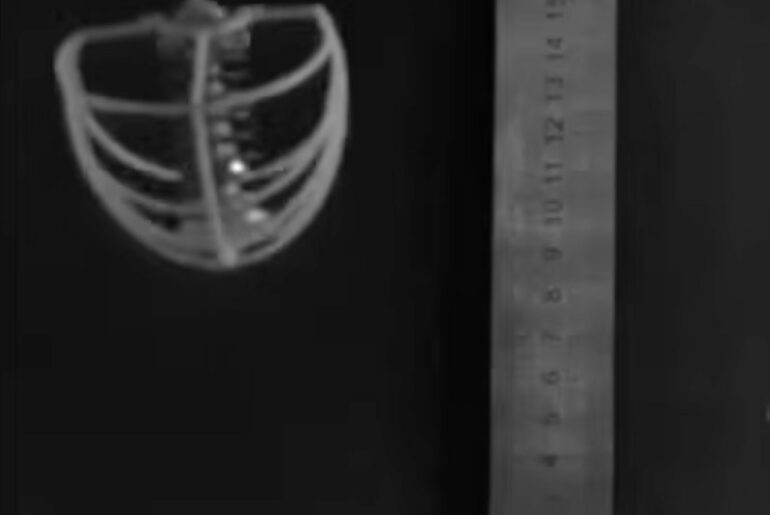
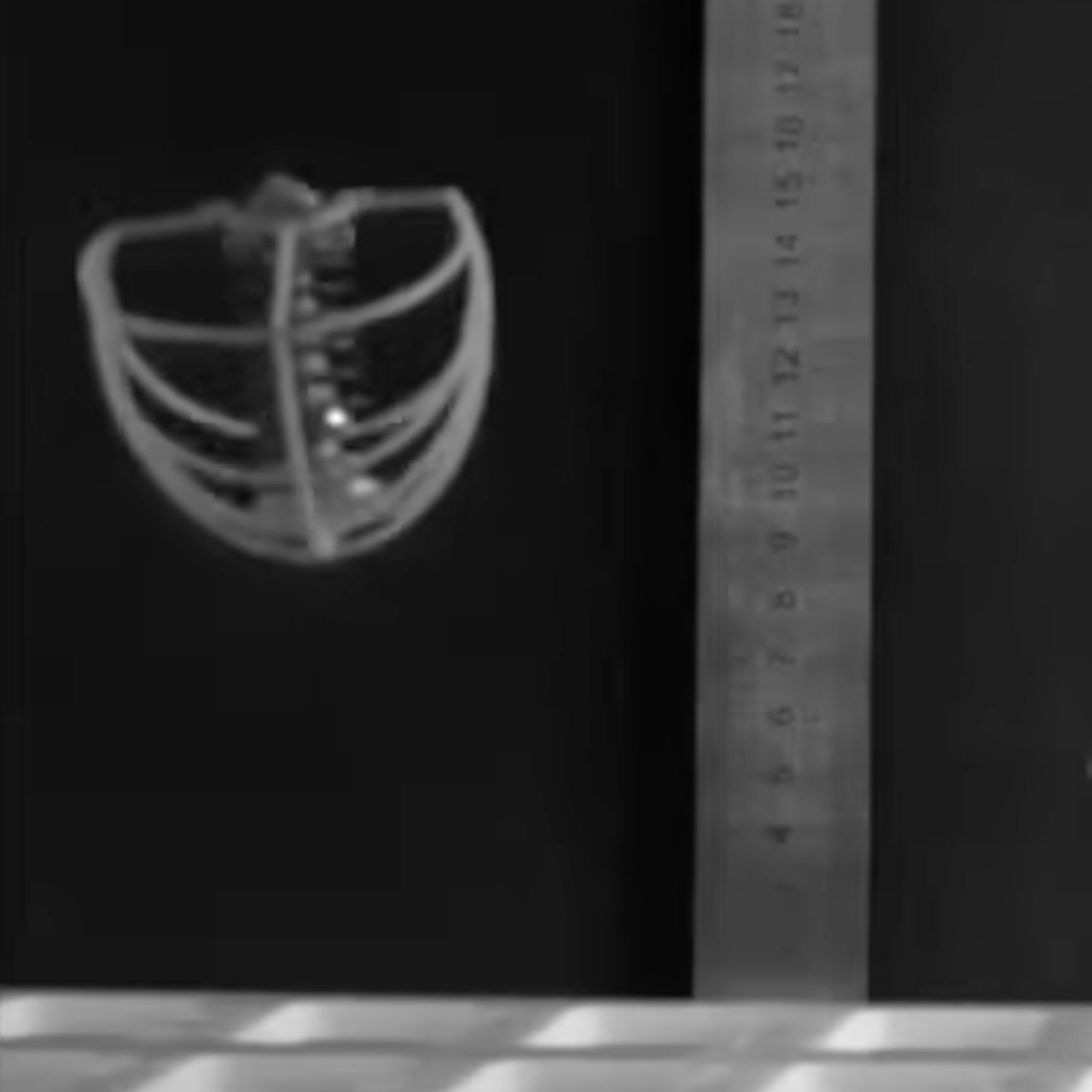
Mexican jumping beans have long intrigued people with their capacity to twitch and hop across a table when touched by a hand or exposed to sunlight. A little moth larva within a hollow seed pod is responsible for the motion. Heat drives the larva to pull on silk threads, propelling the entire pod into rolls, flips, and short hops in search of cooler shade. Researchers at the Italian Institute of Technology’s Bioinspired Soft Robotics department have developed a robot that exhibits the same restless behavior without the usage of motors, batteries, circuits, or an onboard computer.

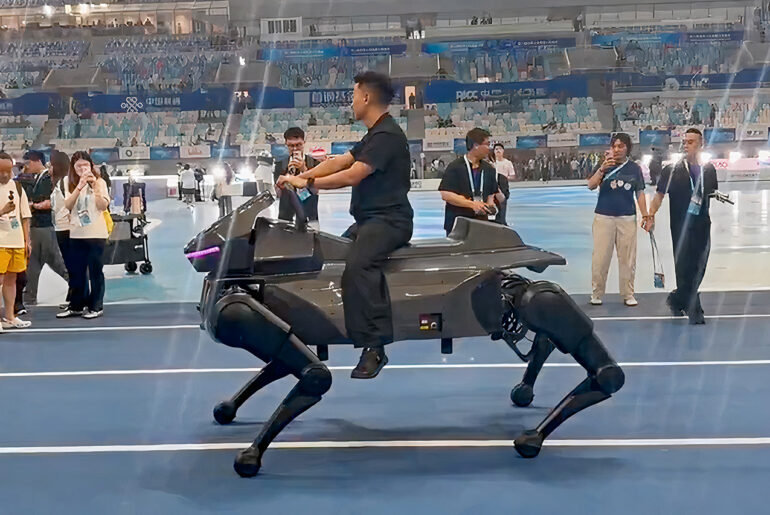
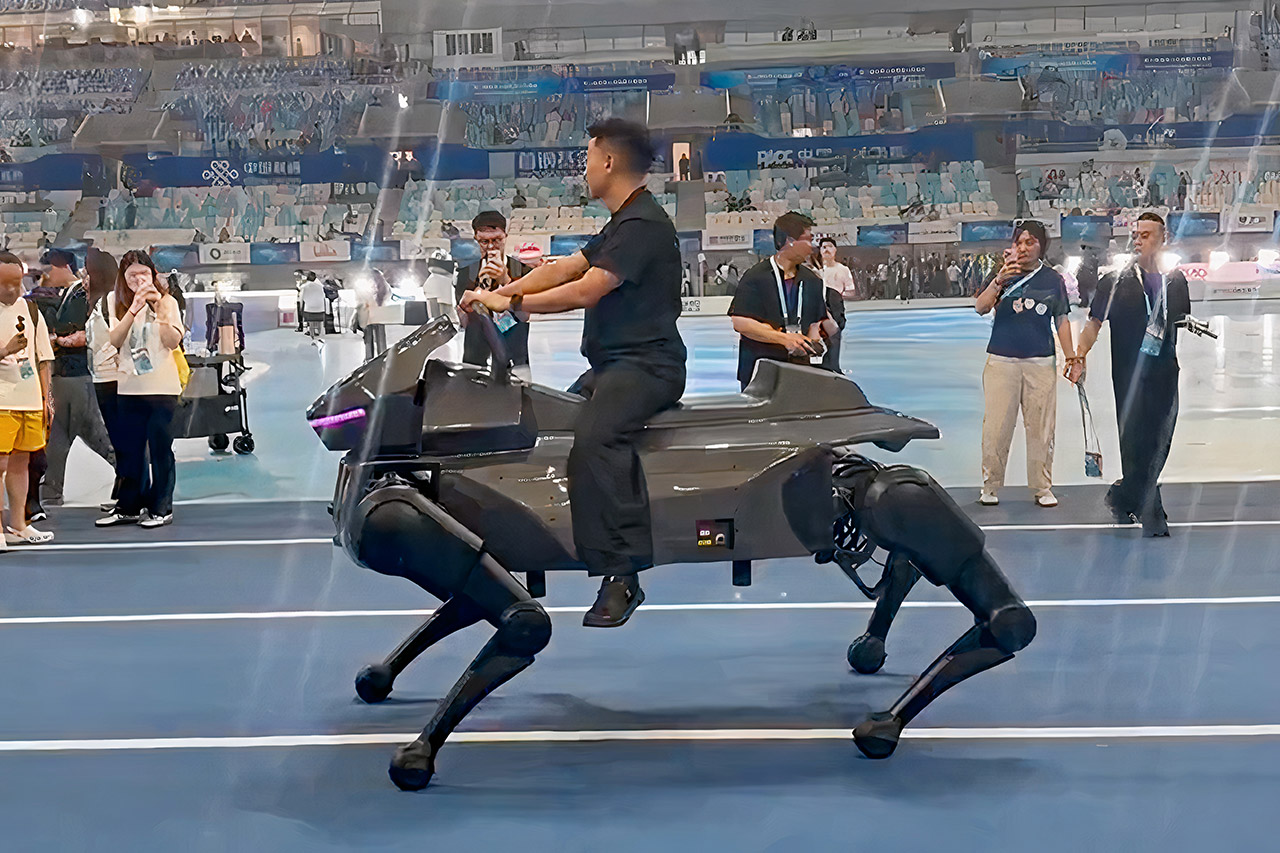
Crowds at the 2026 World Robot Conference in Beijing couldn’t help but stop and stare at the gigantic, dark gray robot, which took up as much room as a large motorcycle but was propelled by four mechanical legs instead. A rider sat on the saddle, hands firmly clutching the handlebars, and the whole thing was propelled forward, albeit with all the subtlety of a toddler beginning to walk, in purposeful but shaky steps. That beast is the Qiji X1, and people are already able to buy one (or two).

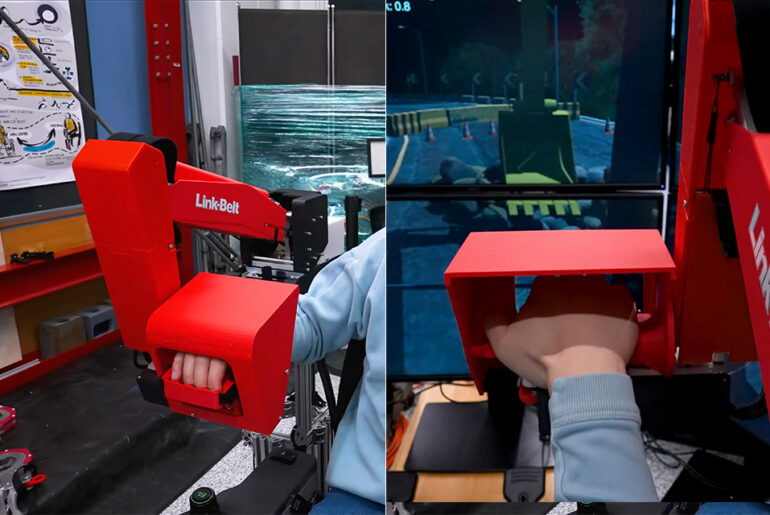
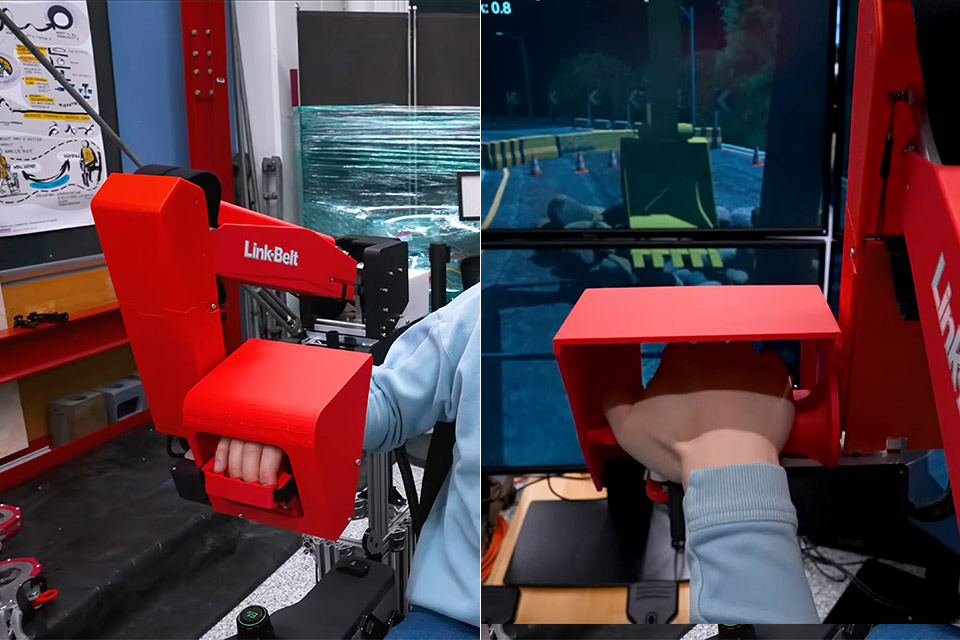
Years of practice used to separate someone who could dig a clean trench from someone who left a messy hole. Excavator operators spend months, sometimes years, learning how two joysticks map to the boom, stick, bucket, and cab. Every small wrist movement has to translate into a precise action out in the dirt, and that mental translation does not come easily. Demand for skilled operators keeps climbing, with tens of thousands of openings appearing every year, yet the training bottleneck remains stubborn.

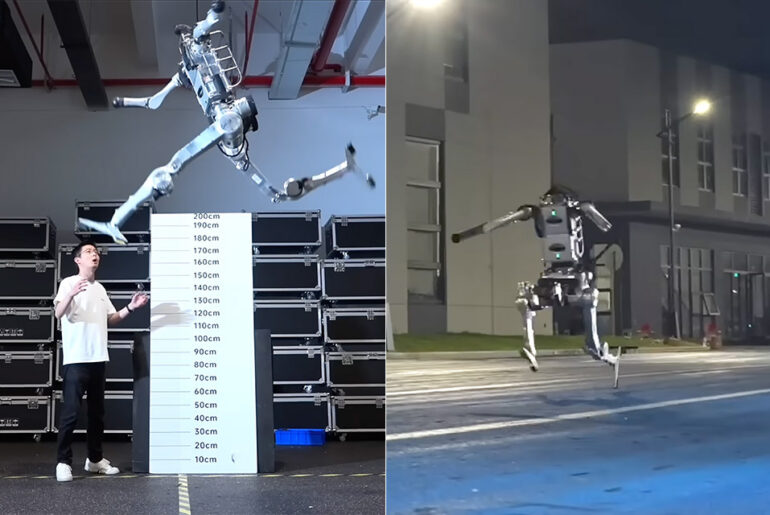
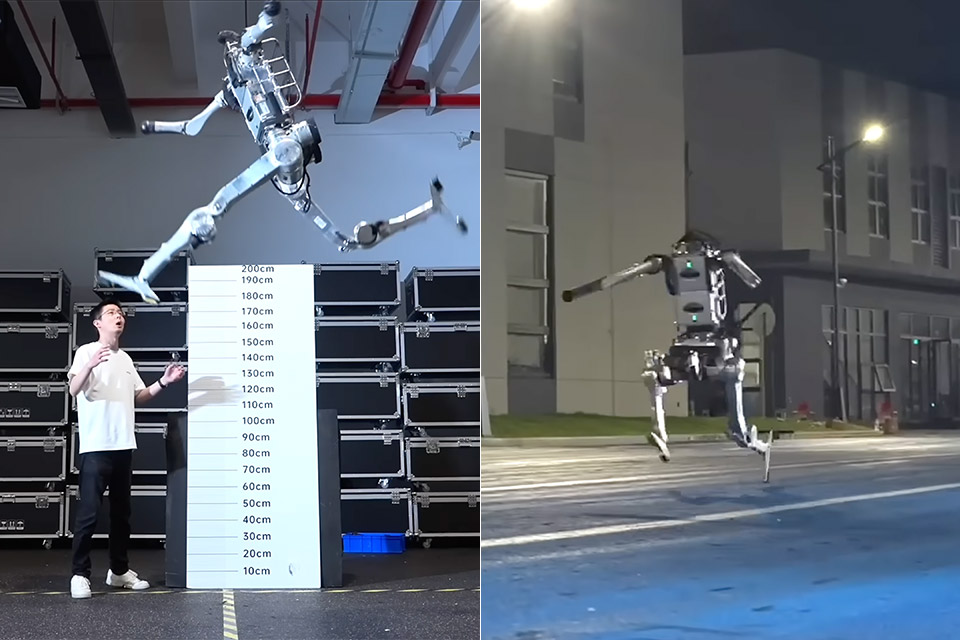
Unitree Robotics just posted a thirty-second clip of a bipedal machine labeled Superman rises from a still stance, clears a two-meter mark with both feet, lands, and accelerates into a sprint that the company measures at 12.66 meters per second. That figure converts to roughly 28.3 miles per hour, a peak that edges past the 12.42 meters per second recorded for Usain Bolt during the fastest segment of his 2009 world-record 100-meter run. The same machine stands 170 centimeters tall, weighs 45 kilograms, and carries legs only 0.85 meters long.

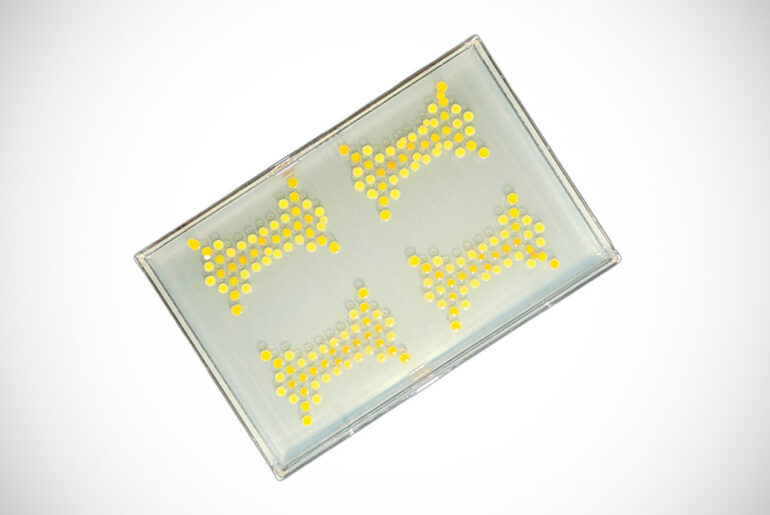
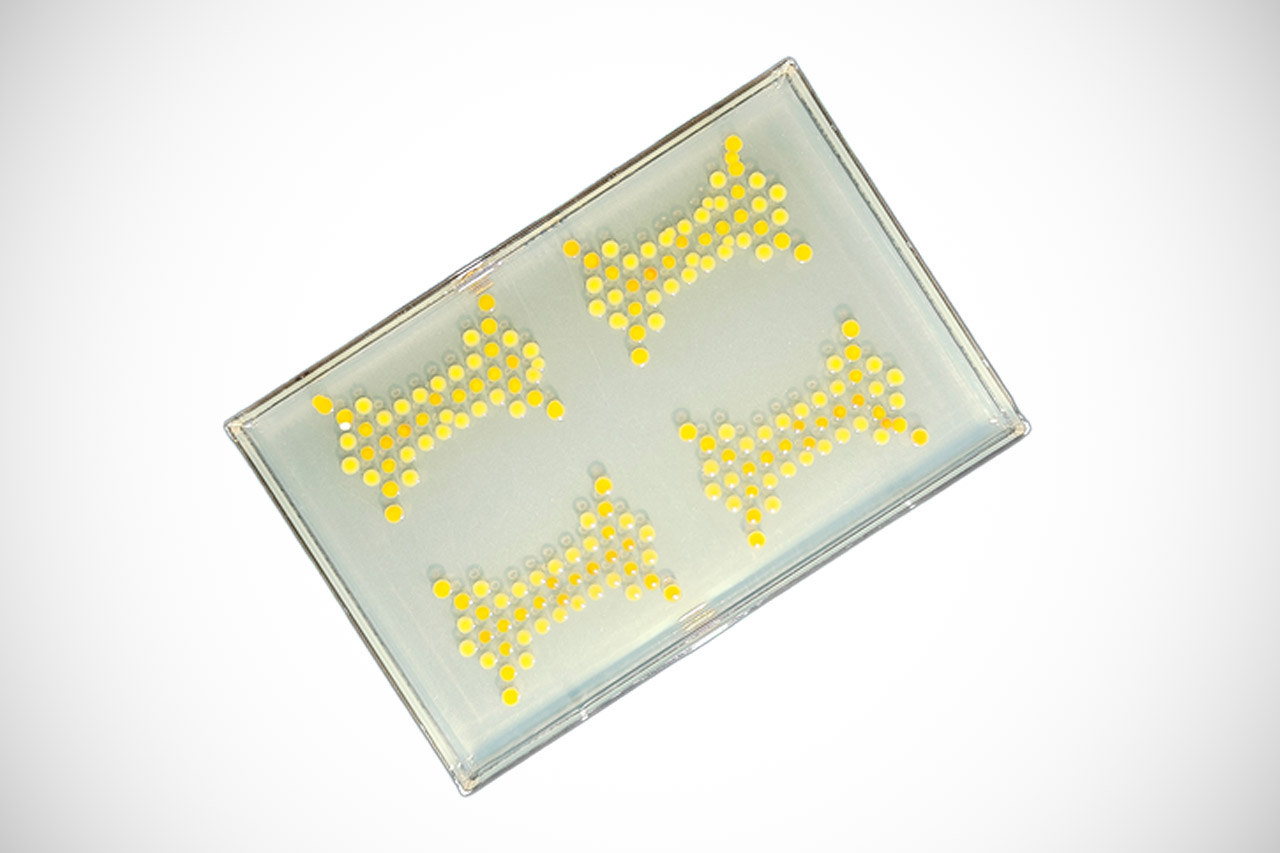
Researchers at MIT have taken a common plant surface microbe and turned colonies of it into working switches. Those switches link up through chemical messages so the whole arrangement can carry out basic math and route information the way a simple circuit does. The work, published in Nature Chemical Biology, rests on just five engineered strains of Pantoea agglomerans. Two act as the transistors. Three serve as relays that pass the signal along. Arrange the same five pieces in different patterns on a slab of agar and the circuit does something new.

Japan opened its first bullet train in 1964, timed for the Tokyo Olympics. That Shinkansen reached 210 kilometers per hour and showed the world what dedicated high-speed rail could do. Today those trains routinely clear 300 kilometers per hour, matching the takeoff speed of many commercial jets. The question the TED-Ed lesson asks is whether rail can ever outpace flight itself.