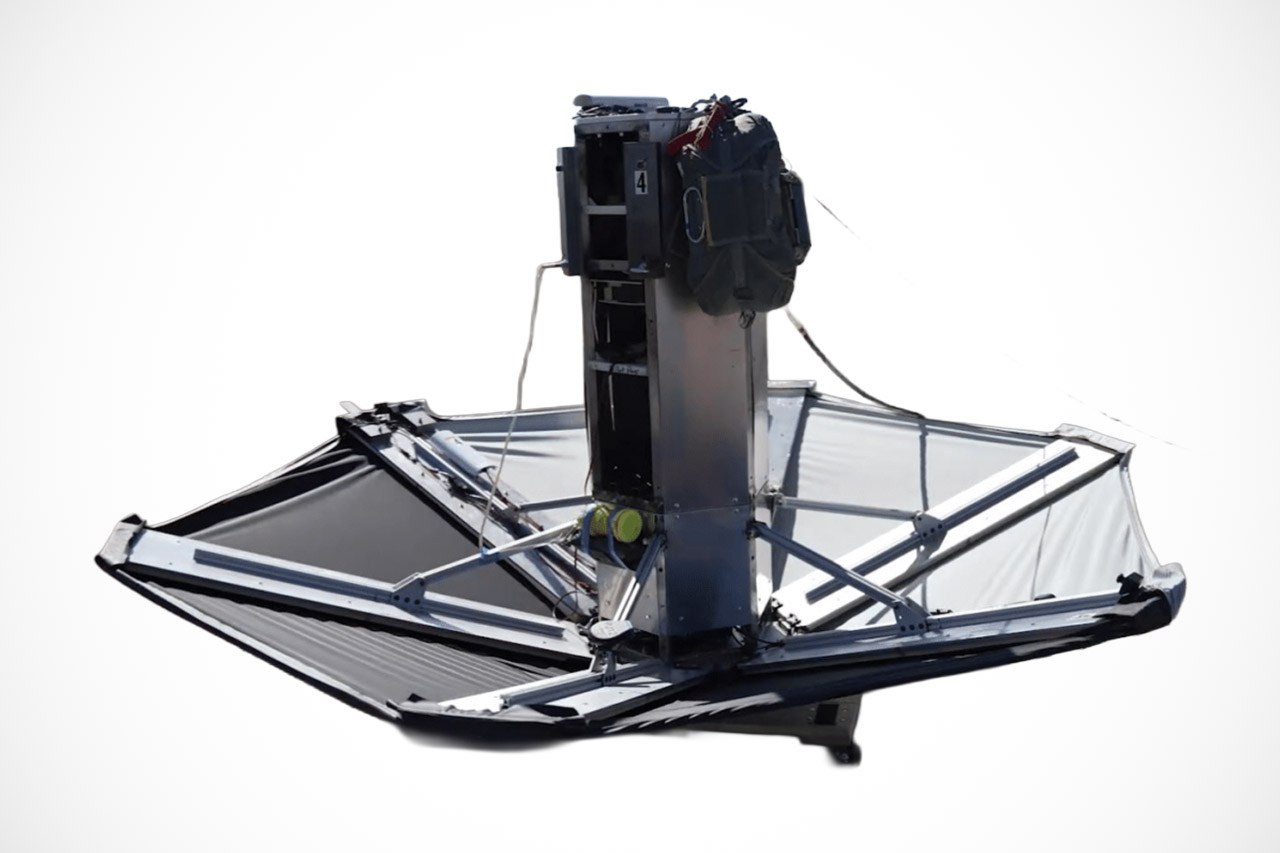
High above the Utah desert a high-altitude balloon released Sierra Space’s compact reentry vehicle carrying a bottle of whiskey and a software-defined radio. Both items reached the ground intact after falls from 35,000 feet and 68,500 feet, and recovery crews located them quickly. Those flights in May formed the first live tests in nearly two years for Sierra Space Ghost, a decelerator built to move cargo from orbit to any point on Earth in roughly ninety minutes.
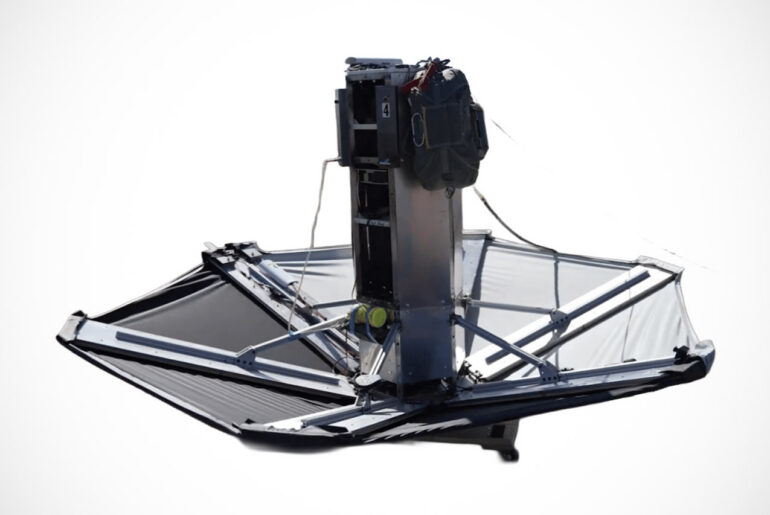
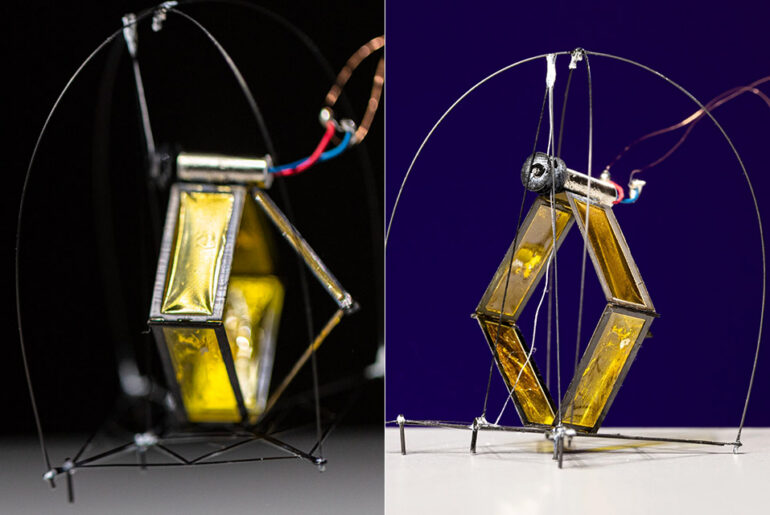
Photo credit: Mark Stone/University of Washington
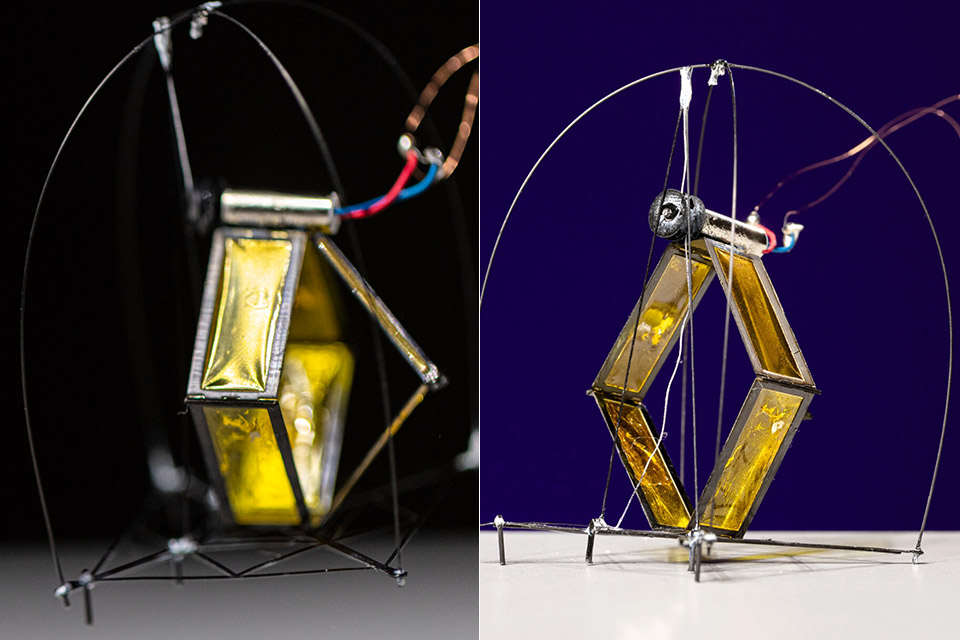
University of Washington engineers have built DirectHop, a one gram robot small enough to sit in a palm that clears a standard stair step while setting its jump height to single centimeter accuracy. The prototype performs multiple hops in sequence and rights itself after most landings, steps toward an autonomous version that could move through varied spaces.

Photo credit: 2026 EPFL LMTS CC BY SA 4.0
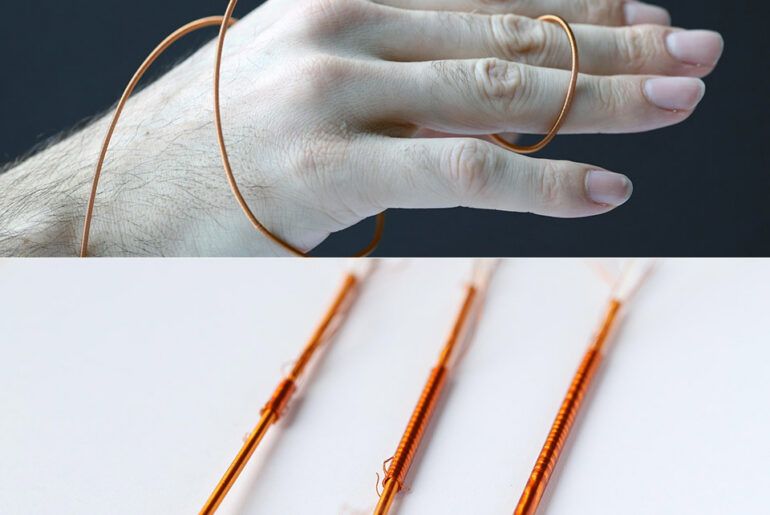
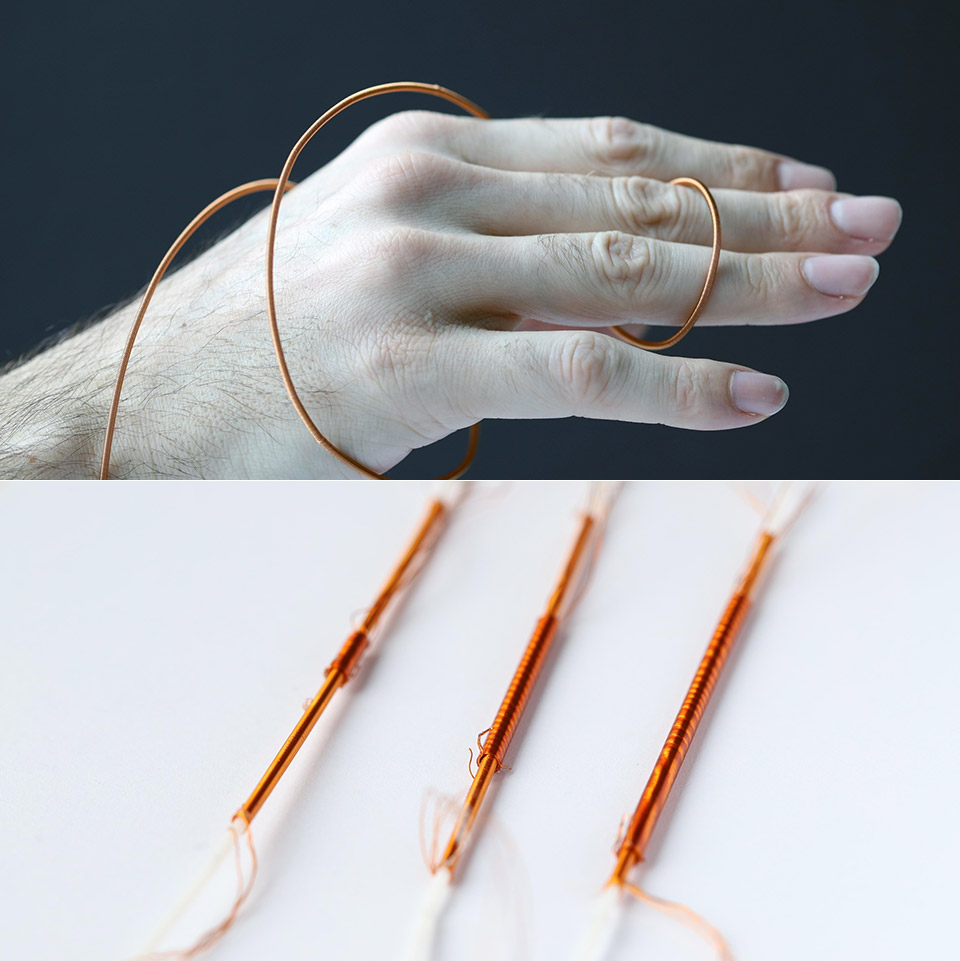
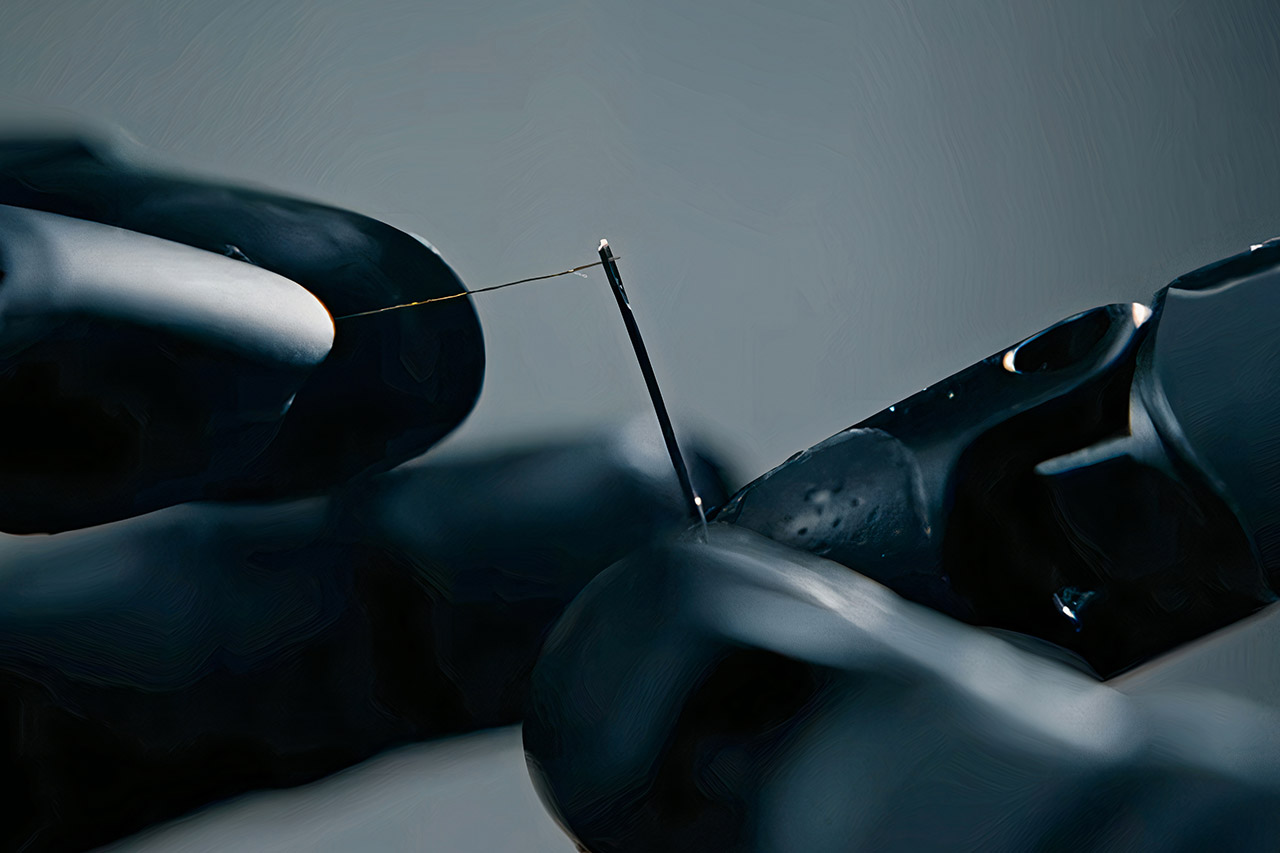
Engineers in Lausanne have built a motor easy to mistake for a length of heavy sewing thread. FiberMotor, from the Soft Transducers Laboratory at EPFL, measures only 1 to 3 millimeters across and turns electricity straight into a push or a pull. Herbert Shea, who leads the lab, calls it the first fiber-format sliding motor, and the description fits once the inner strand starts to move.

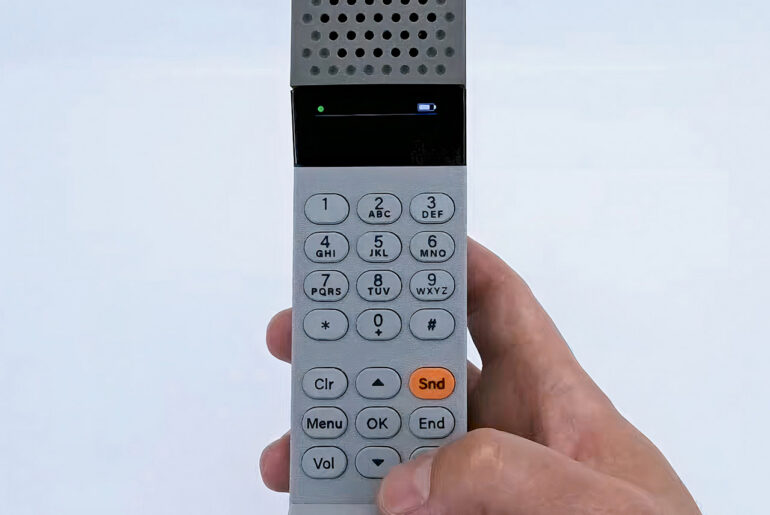
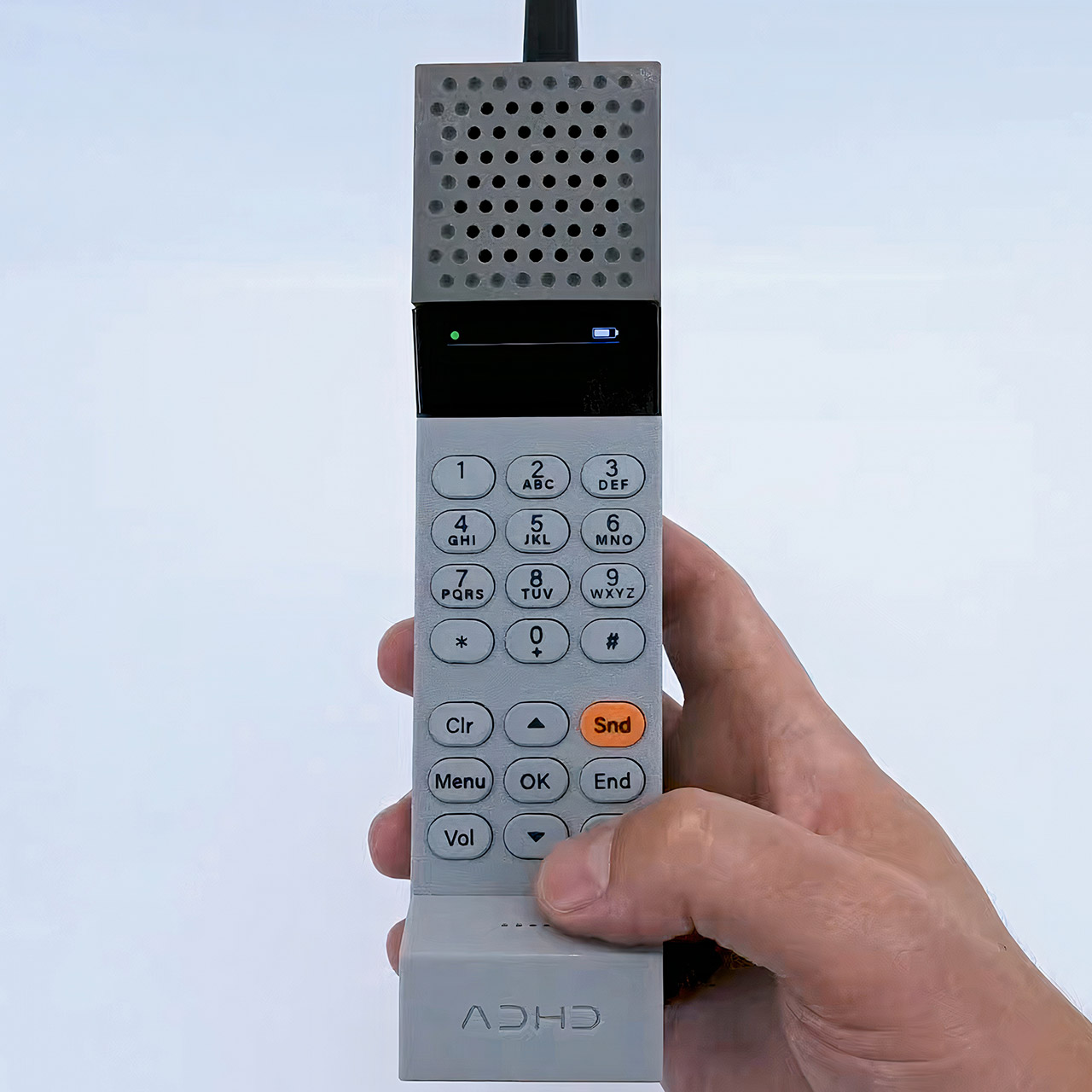
Kevin Noki got tired of the same interruption that ruins a stretch of real work. His phone would light up, his hand would move, and the next half hour would vanish into a screen he never meant to open. His answer was a handset that can take a call while the phone that owns the number stays somewhere else.

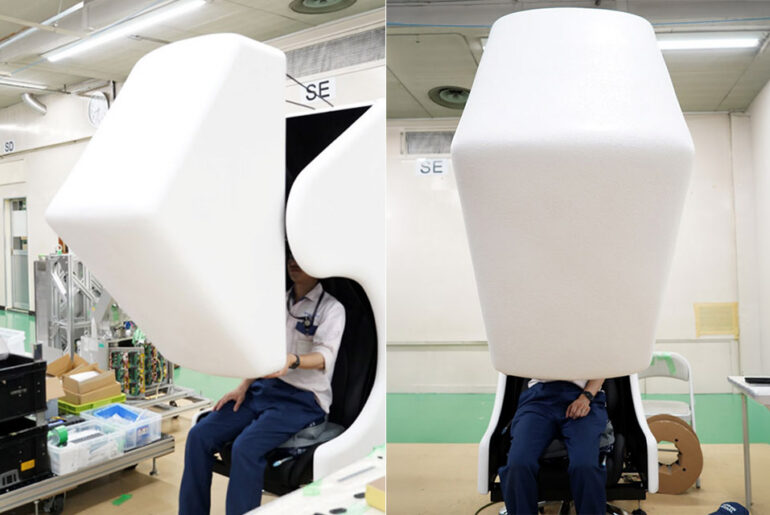
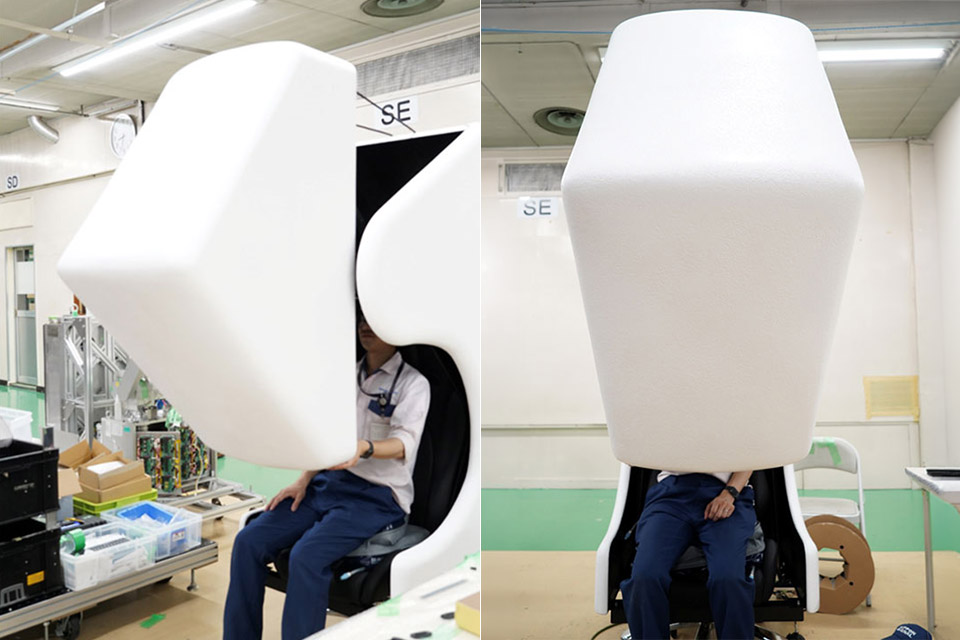
Spending a full day inside a virtual world sounds simple until the hardware starts pressing on your face. Associate Professor Shogo Fukushima at Kyushu University heard that complaint from a student who wanted longer sessions and kept running into the weight of a headset on the head and neck. Fukushima already knew the feeling. Some days he spends more time in virtual scenes than outside them, and he has tried to sleep in one, only to find the goggles made rest nearly impossible. That friction led to a paper at SIGGRAPH Emerging Technologies in 2026, titled Mountless Aerial HMDs, which moves the entire optical assembly off the face and onto a chair.

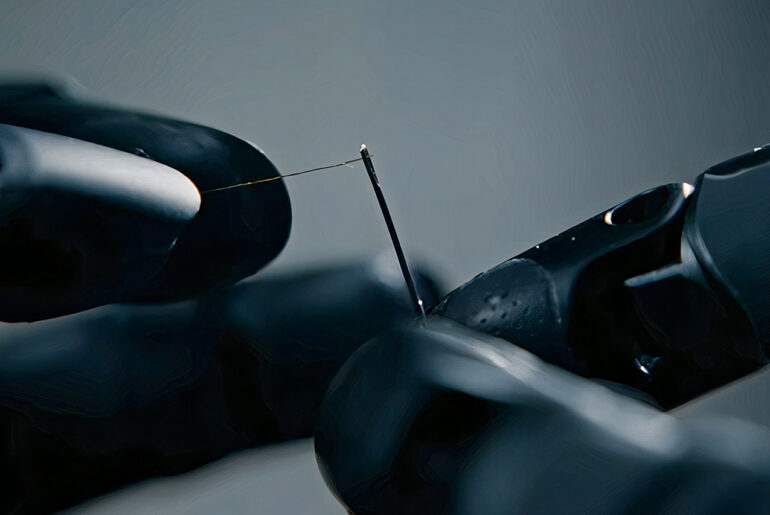
Silk bends, slips, and changes shape the moment a fingertip presses a little too hard. In Suzhou, master embroiderer Fu Xianghong spent a session teaching AGILINK’s OmniHand 3 Ultra the opening moves of a craft that runs back more than 2,500 years: separating a main silk thread into 16 finer strands, threading a needle, stretching fabric across a hoop, and putting in the first stitches. One finger teases the strands apart while the others hold tension so the thread does not collapse. For a twist, opposing fingertips stay in contact and let the silk turn without losing their grip.

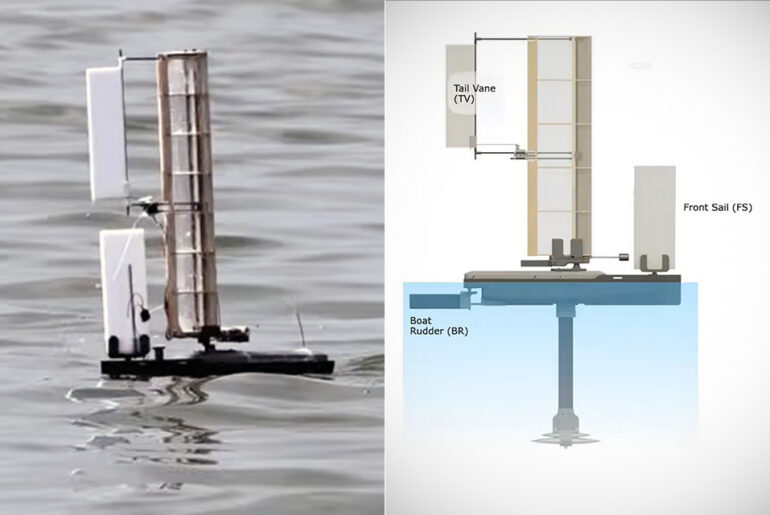
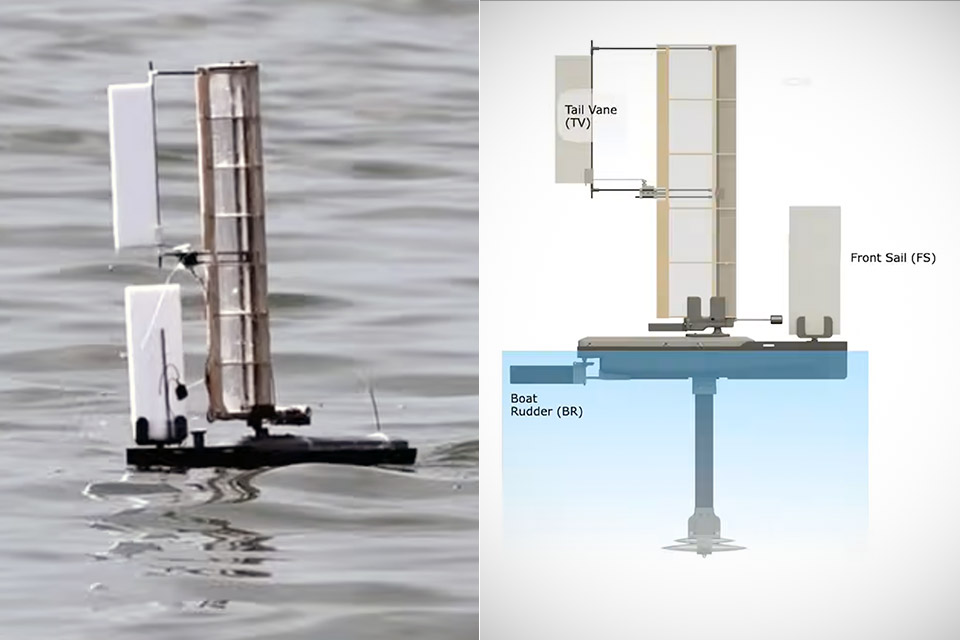
Researchers at the Singapore University of Technology and Design built a small robot that leaves a drone, spins on the way down, and keeps moving once it meets the water. They named it ALBATROSS, short for Airborne Lander with Buoyant AuToROtating Sailing Sensor. Lead author Shane Kyi Hla Win, working with professor Foong Shaohui, describes the machine in Science Robotics as a way to put sensors on a lake or a sheltered stretch of sea without sending a boat out to meet them.

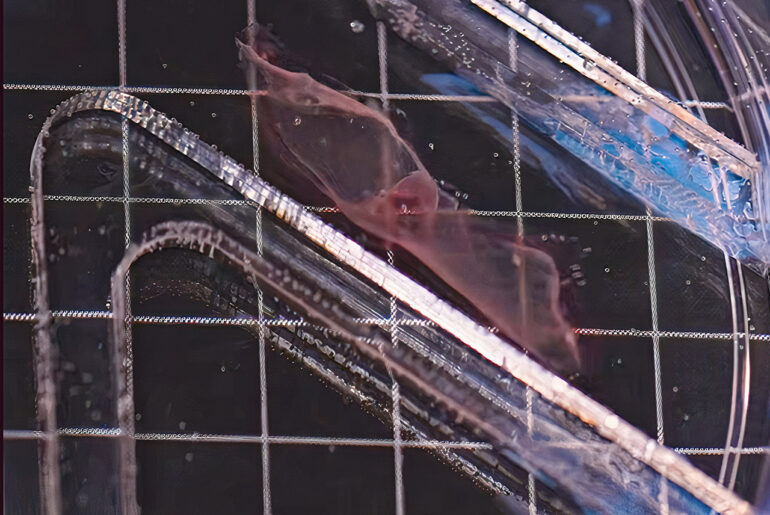
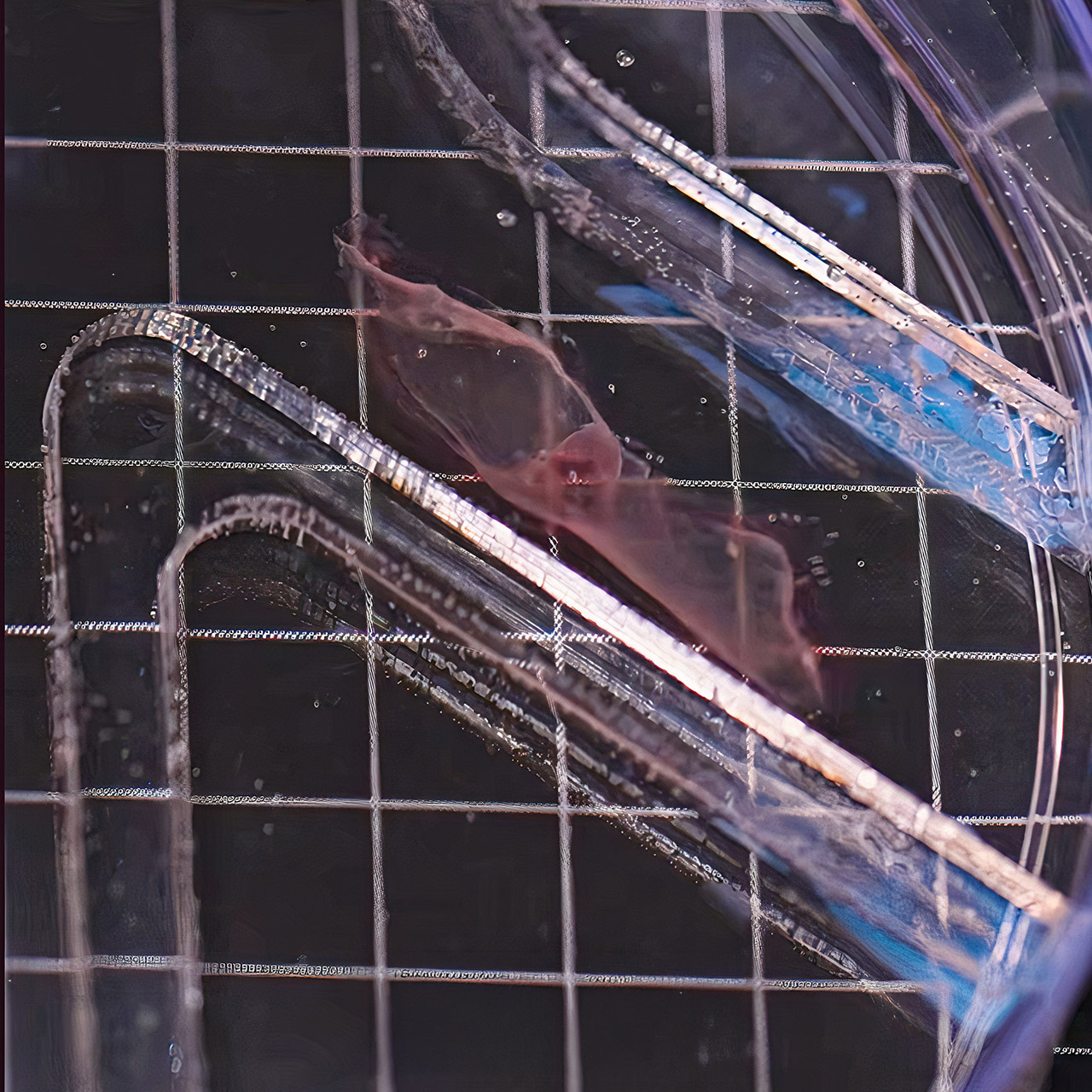
Living muscle cells, the same kind that pull on bone inside a body, now pull a paper-thin robot through water. Researchers at MIT built a gum-stick-sized aquabot whose two fins beat when light hits them, and they steered it through a simple maze in a petri dish by flashing that light from outside the dish.

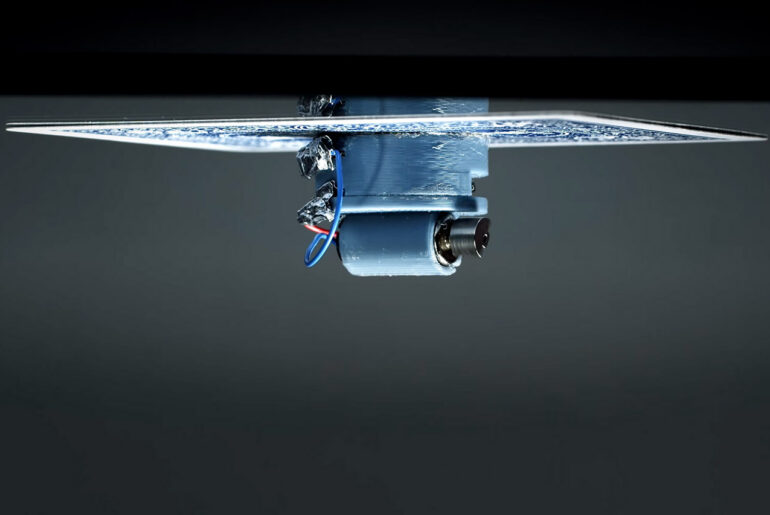
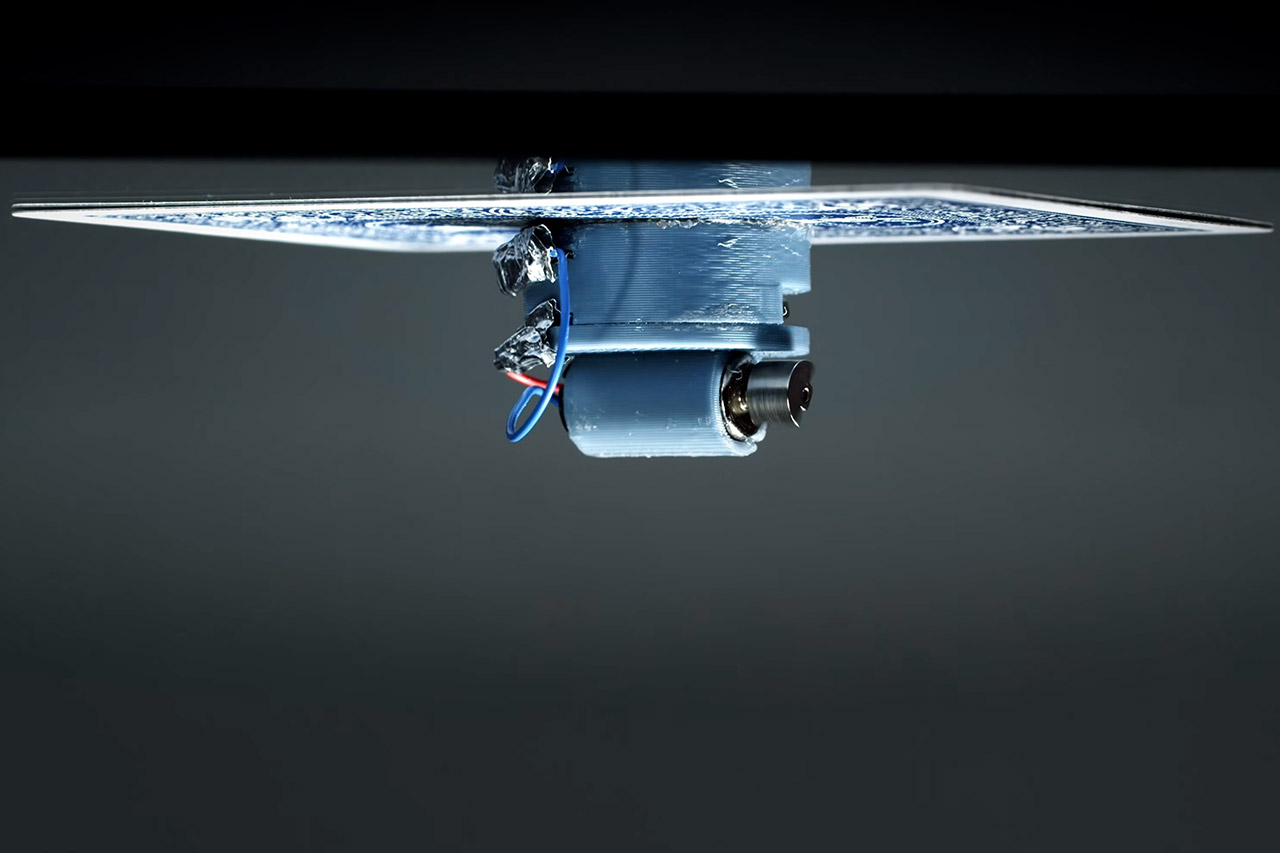
Steve Mould sticks a coin-sized vibration motor to a business card, presses the card flat against a ceiling, and lets go. The card stays. A gap remains between the paper and the paint, thin enough that light barely slips through, wide enough that the two surfaces never meet. An eggshell does the same once a motor is fixed to it. So does a half-millimeter aluminum disc, once the motor gets loud enough to matter.