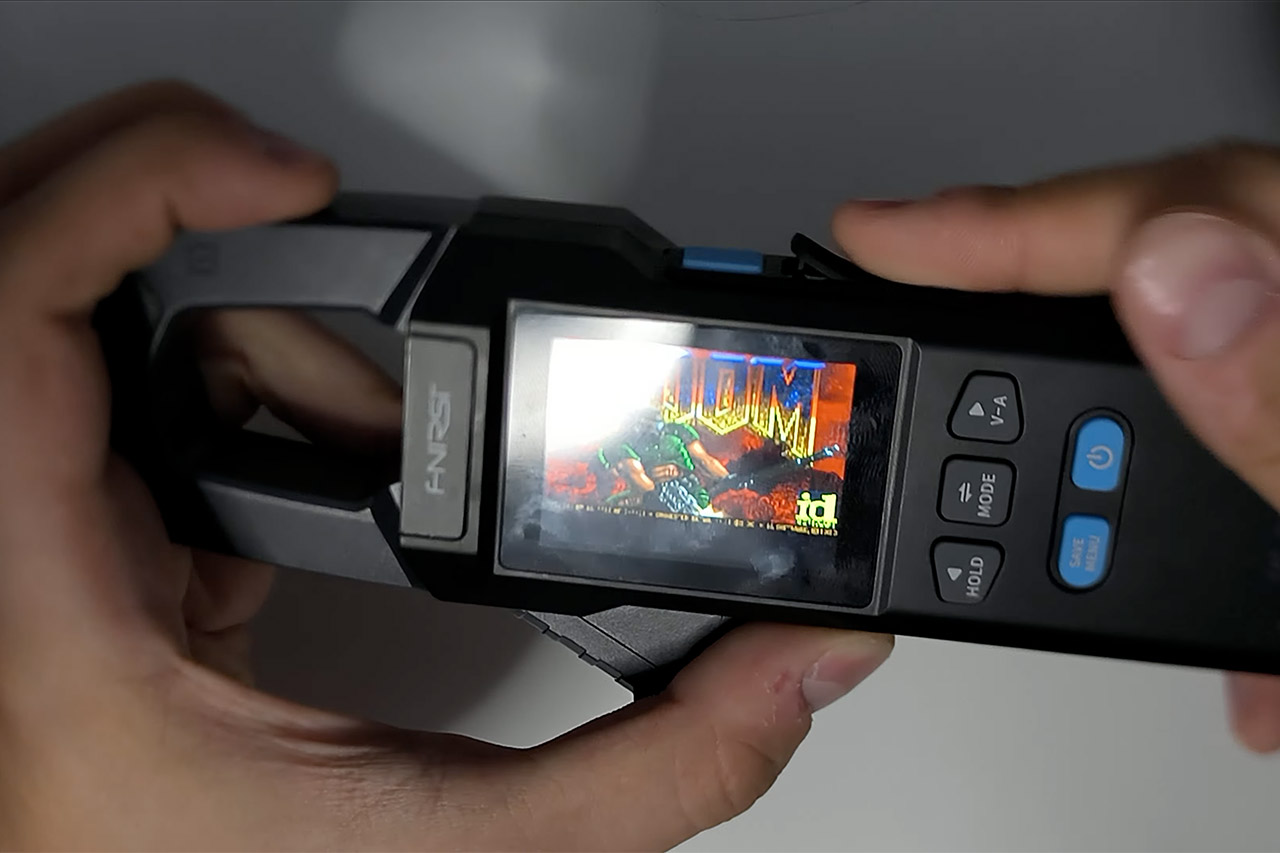
A thirty-dollar FNIRSI DMC-100 clamp meter now hosts a complete, playable episode of DOOM, complete with all nine maps, the title screen, intermissions, the finale, the menu, and four save slots. Polish developer Artur Bieniek made this possible by adapting the doomgeneric engine, drawn from id Software’s source release, to the meter’s Artery AT32F415 microcontroller. That chip runs at 150 MHz, yet it provides only 32 kilobytes of RAM, an amount smaller than the 64,000 bytes needed for a single original Doom frame. Bieniek’s port therefore ranks among the leanest versions of the game ever made, beating the previous low of 64 kilobytes recorded on a Neo Geo release.

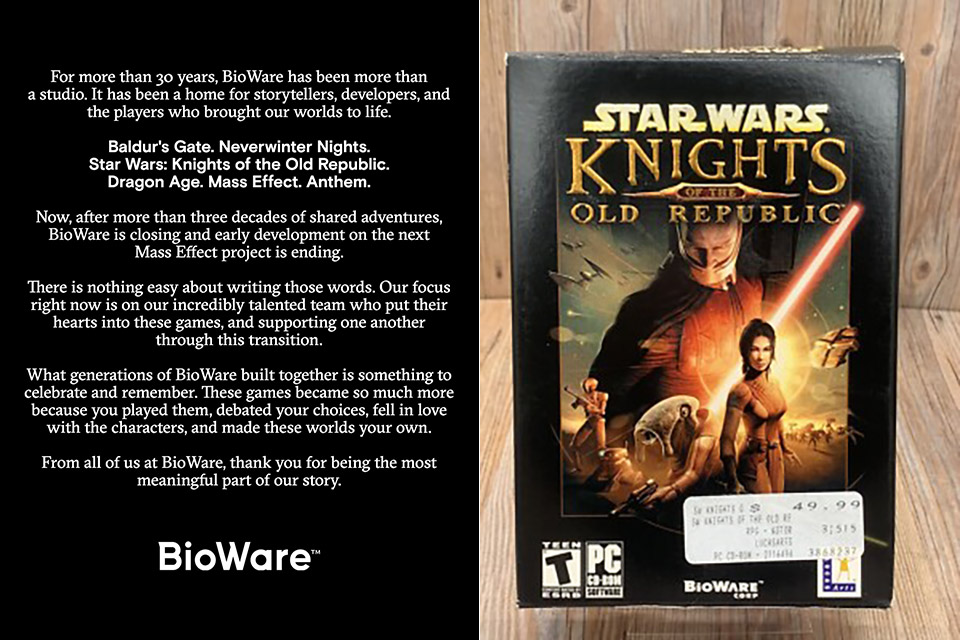
Yesterday Electronic Arts closed BioWare after more than three decades and ended work on the next Mass Effect game, which the company described as still in early development under a small team of roughly fifty people. Hours later a burner account on Reddit posted a two-minute internal trailer that Bloomberg’s Jason Schreier and IGN both confirmed as genuine footage created for the project. The clip opens with a disclaimer that it is in-engine material built from pre-production assets by that limited crew, then ends on a title card reading Mass Effect: Universe.

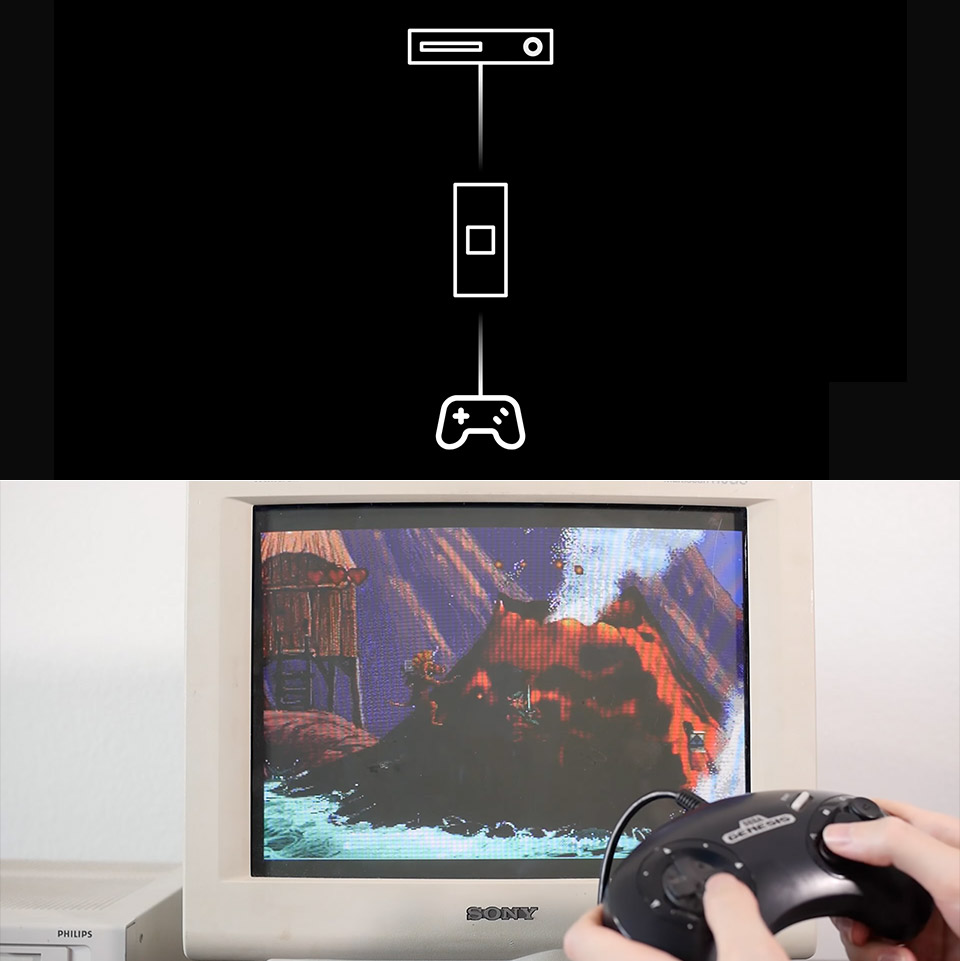
Owning a Philips CD-i often means dealing with controllers that feel more like afterthoughts than proper game pads. Released in 1991 as a multimedia player that later tried to become a game console, the machine never sold in large numbers, and its original input devices remain scarce and expensive decades later. Most units shipped with an infrared remote or the awkward pointing device known as the spoon, neither of which works well for anything requiring quick reactions or precise movement.

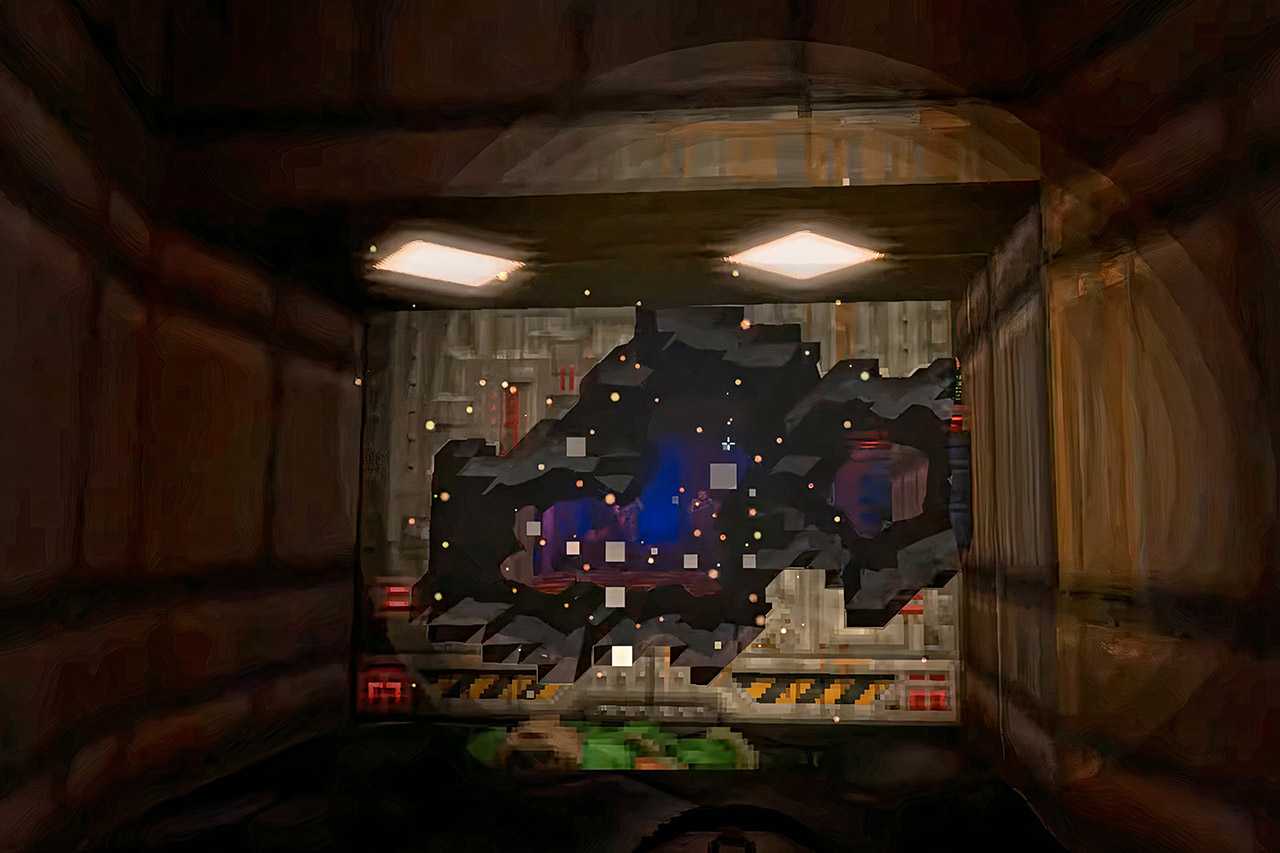
Locked doors in classic DOOM levels have always forced a specific route, usually involving a colored key card found after clearing a few rooms of demons. Tuin Doom Enhanced, the customized Windows build created by the modder known as tuin and based on Duct-Tape DOOM, removes that restriction. Rockets and exploding barrels now carve real openings through walls, doors, floors, and ceilings, and the resulting holes affect both how the level looks and how the player can move through it. A door that once blocked progress can be breached from either side, after which the player can walk or shoot straight through the gap while the damaged door continues to open and close with its holes still intact.

BioWare’s long run as one of the most influential studios in role-playing games ends today as Electronic Arts announced its closure along with the cancellation of early work on the next Mass Effect title. Founded in 1995 in Edmonton by a group of doctors who left medicine for game development, the studio built a reputation on titles that let players shape stories through dialogue choices and party companions. Baldur’s Gate, Neverwinter Nights, and Star Wars: Knights of the Old Republic established the approach before Mass Effect and Dragon Age turned it into a global franchise that players still revisit years later.

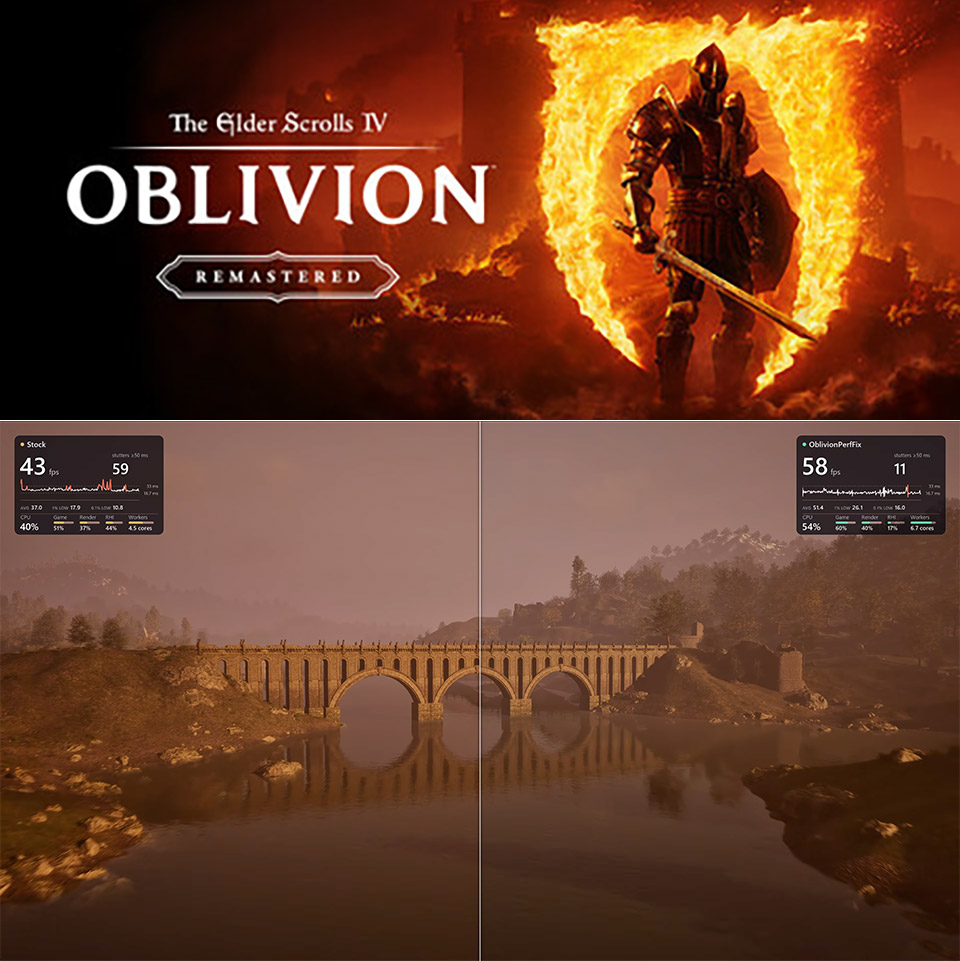
A longtime fan of The Elder Scrolls IV: Oblivion grew tired of the hitching and low frame rates that stuck around after the remaster arrived on PC. Even after moving from an older graphics card to a Radeon RX 9070 XT paired with a Ryzen 7 5800X and 32 GB of memory, towns still crawled and travel stuttered hard enough to pull him out of the world. He turned to Claude Opus 5.5 through Claude Code, linked his accounts for access to Unreal Engine source material, and spent roughly two and a half weeks directing the model through analysis, benchmarks, and changes while he kept playing and testing every result.

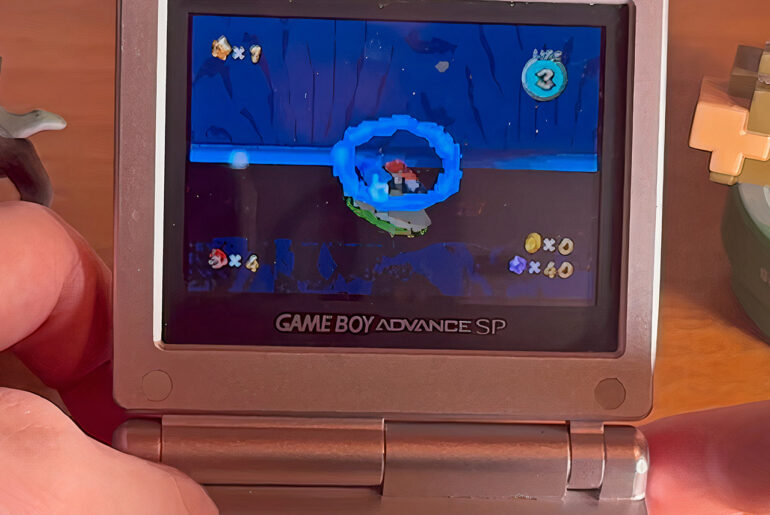
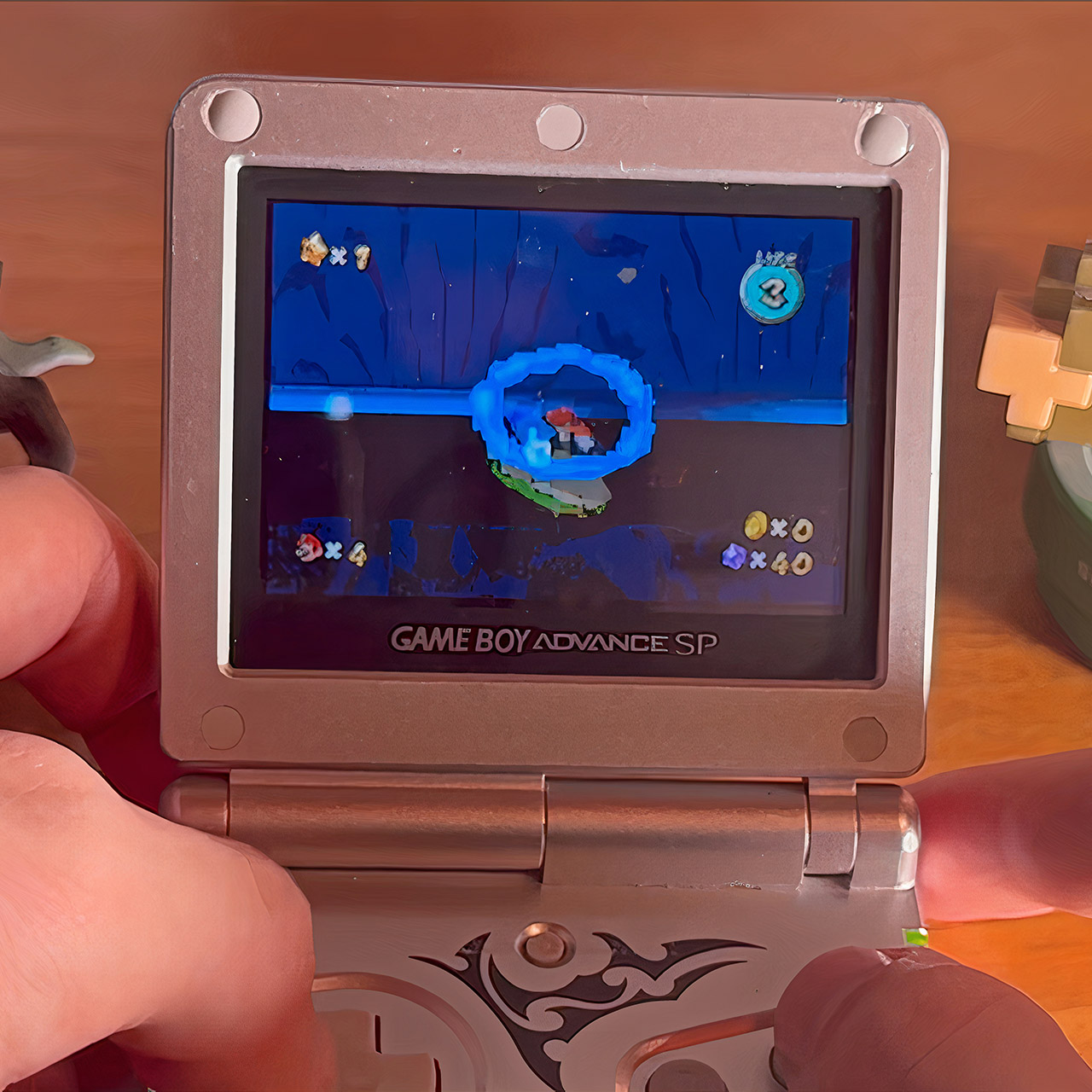
Tobias Friedly, known online as Game of Tobi, has put the source code for his Super Mario Galaxy Game Boy Advance port on GitHub after months of work that started as an ambitious side project. Players who supply their own legal USA Wii ISO can now build a ROM that runs the full movement system, planetary gravity, camera behavior, and a substantial amount of the original game on hardware that first shipped in 2001.

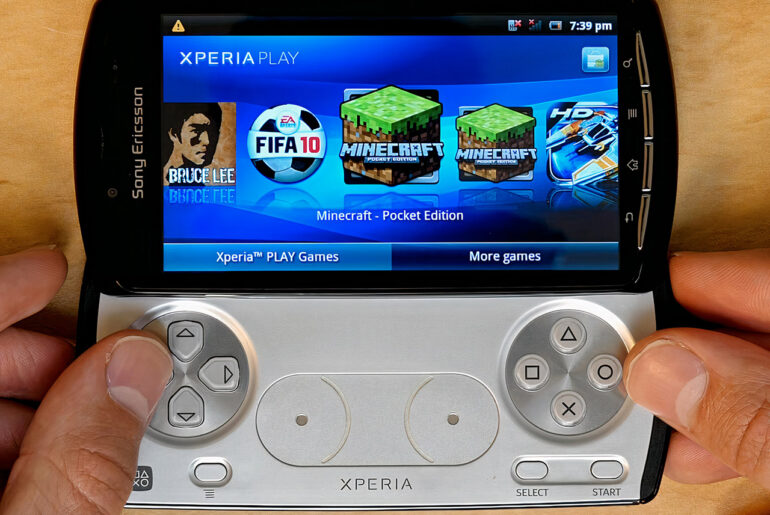
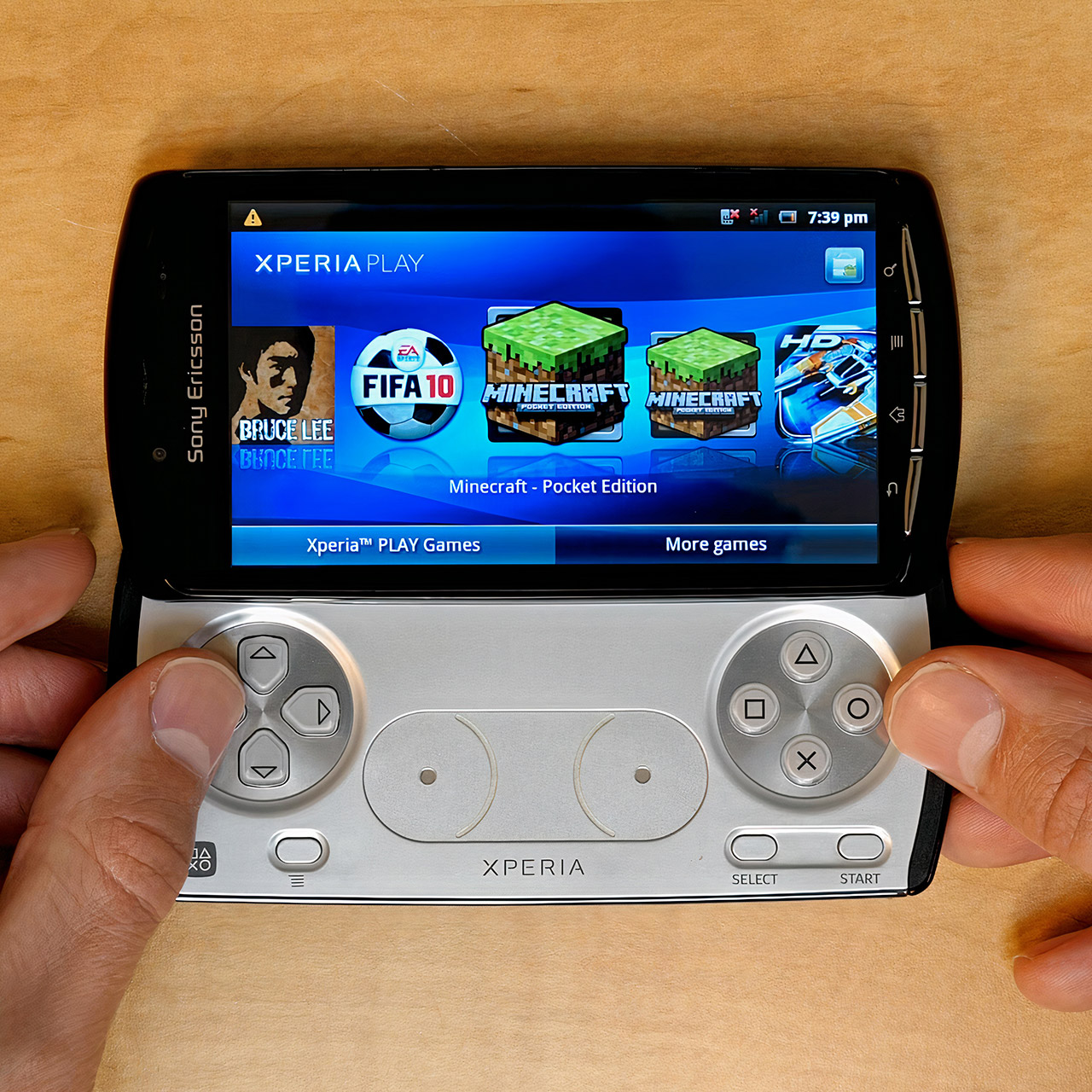
Michael MJD recently pulled a Sony Ericsson Xperia Play out of relative obscurity, the 2011 smartphone that tried to blend everyday mobile use with handheld gaming in one sliding package. Announced that February at Mobile World Congress and released in Europe the following spring, with a U.S. Verizon version arriving in May for about two hundred dollars on contract, the device carried the Xperia name rather than any PlayStation branding even though its box noted PlayStation certification.

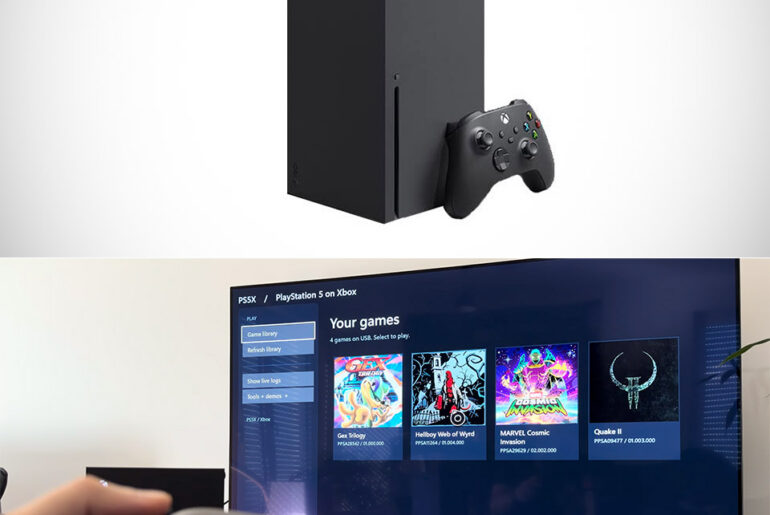
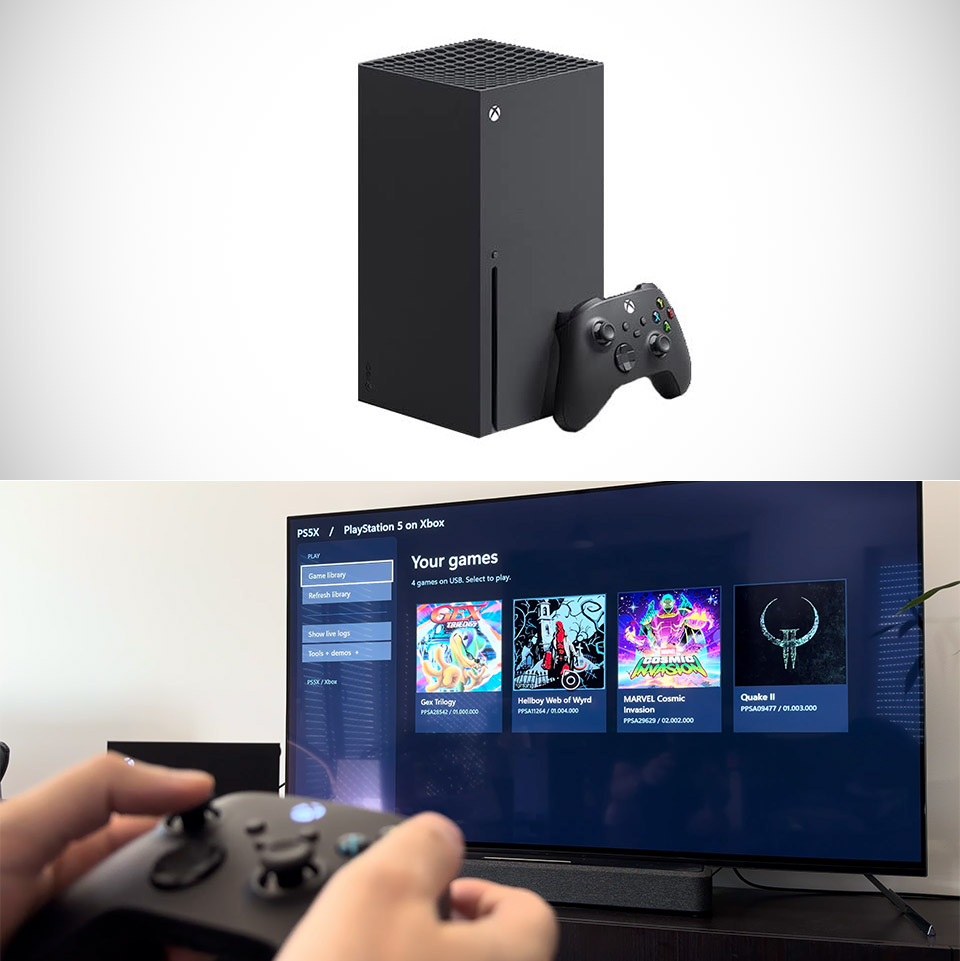
Xbox Series X owners can now boot certain PlayStation 5 titles on Microsoft’s console through an experimental port called PS5X. Developer Devran Cosmo Uenal built the project by adapting the open-source KytyPS5 emulator, which normally runs on Windows and Linux PCs, into a UWP application that operates exclusively inside Xbox Developer Mode. His September video showed the PS5 build of Quake II running with an Xbox controller, and three additional titles soon followed.

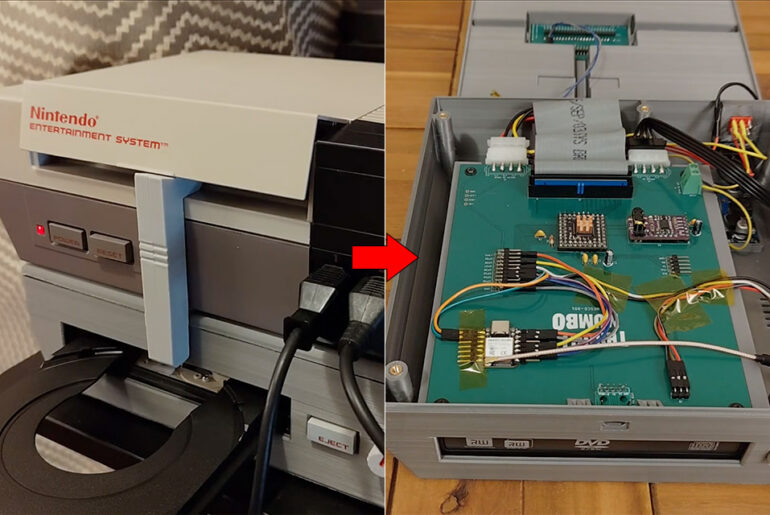
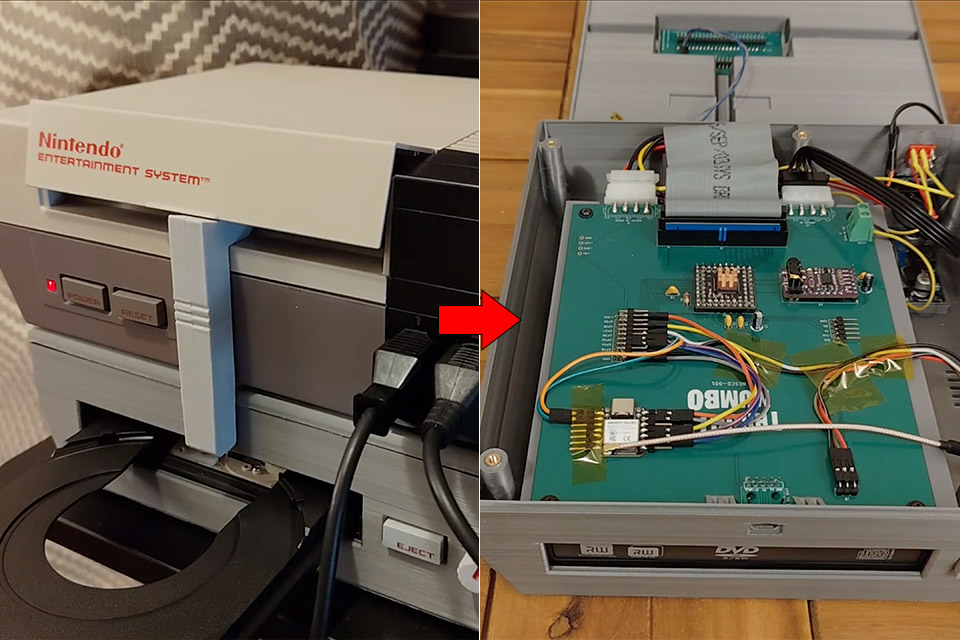
Throaty Mumbo has spent the past year chasing projects that most people would dismiss before the first soldering iron heats up. This time the target was a standard Nintendo Entertainment System (NES), the same gray box that once needed a cartridge and a CRT television. Instead of another emulator sitting on a modern computer, the goal was to keep the original console hardware in the loop and still end up with something that behaves like a desktop machine from the late 1990s.