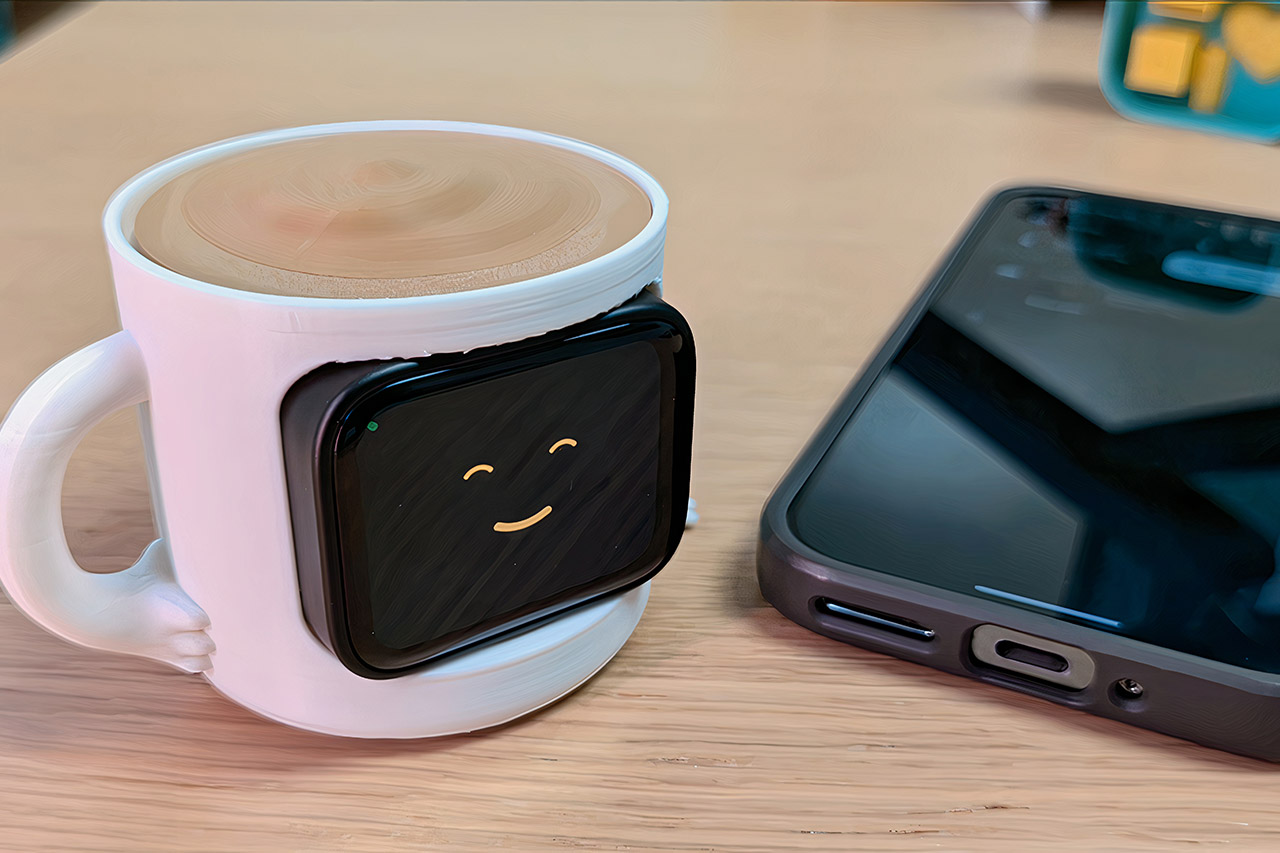
Brenpoly’s PolyMO is a palm-sized desk creature with a bright 1.8-inch AMOLED face, a microphone, a speaker, and a capacitive screen, and its health is bound to how long you stay inside the apps that eat an evening. Sit it on a table, pair it over Bluetooth to an Android phone, and the little face blinks, grows hungry, gets bored, and moves through life stages on its own clock. Spend too long on flagged feeds and it falls ill. Leave the illness untreated long enough and it dies for good. That is the whole contract.
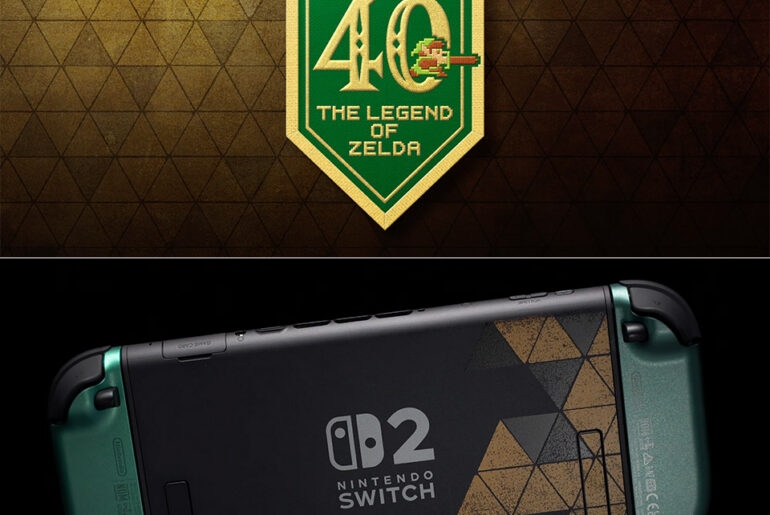
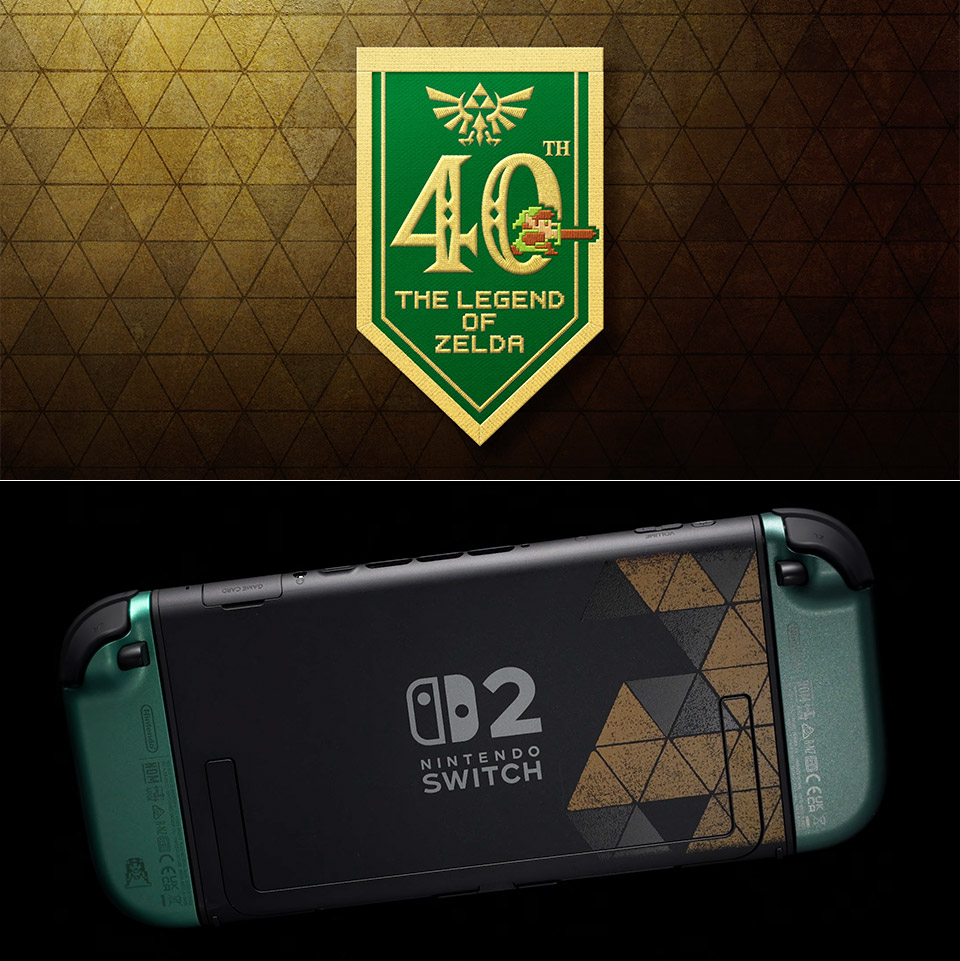
Nintendo used this morning’s Direct to give Switch 2 its first real collector finish, timed to forty years of The Legend of Zelda. Officially called Nintendo Switch 2 – The Legend of Zelda – 40th Anniversary Edition, the system arrives October 29, one week before the Ocarina of Time remake on November 5.

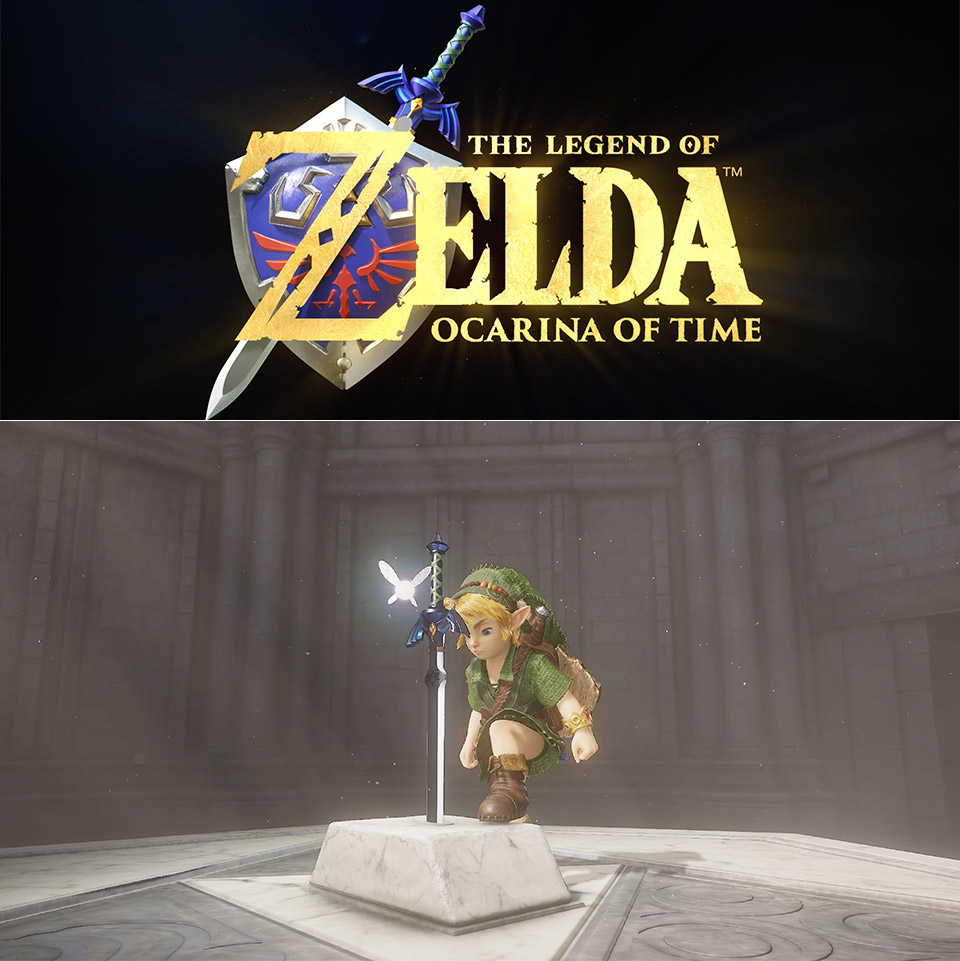
Nintendo used its Zelda 40th anniversary Direct today to show the first real gameplay of The Legend of Zelda: Ocarina of Time remake, confirming a November 5 launch exclusively on Switch 2. Eiji Aonuma walked through the opening hours in Kokiri Forest, presenting the project as a faithful interpretation built with modern tools rather than a loose retelling.

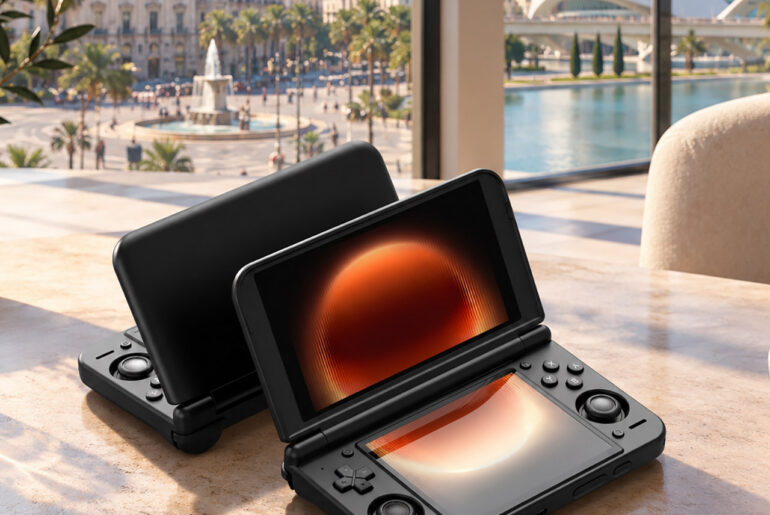
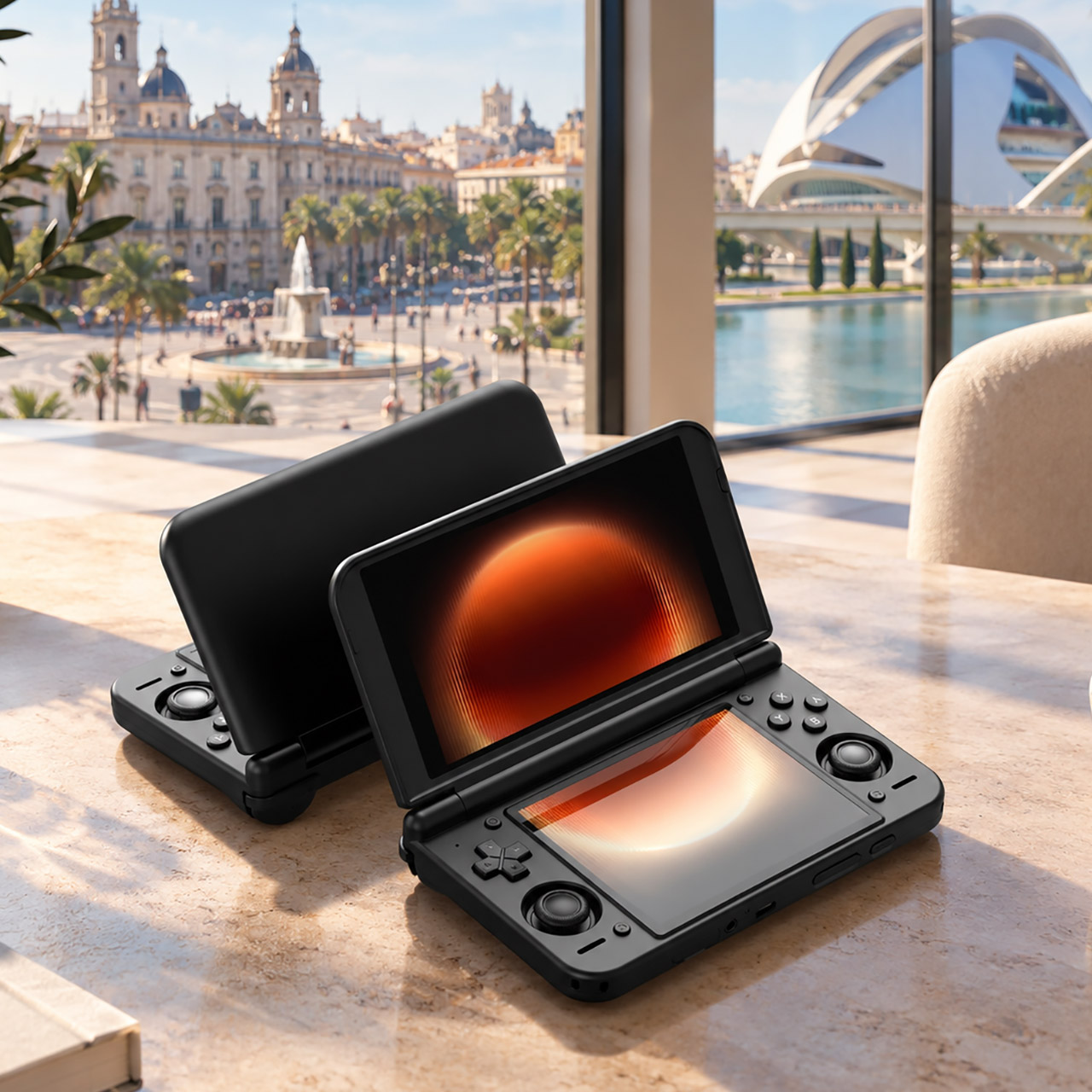
Retroid spent years circling the two-screen idea without building a complete machine around it. A $69 clip-on AMOLED panel already existed for the Pocket 5, Pocket Mini, and Pocket 4 Pro, and the Flip line already folded closed like a book. On September 7 the company stopped circling. A 20-second clip posted with the line “Two Screens.. One Pocket.” showed a dim silhouette of a clamshell handheld and almost nothing else. Hours later official renders arrived during the Retro Handhelds Podcast, and that outline became a real object with a real name: Retroid Pocket Duo.

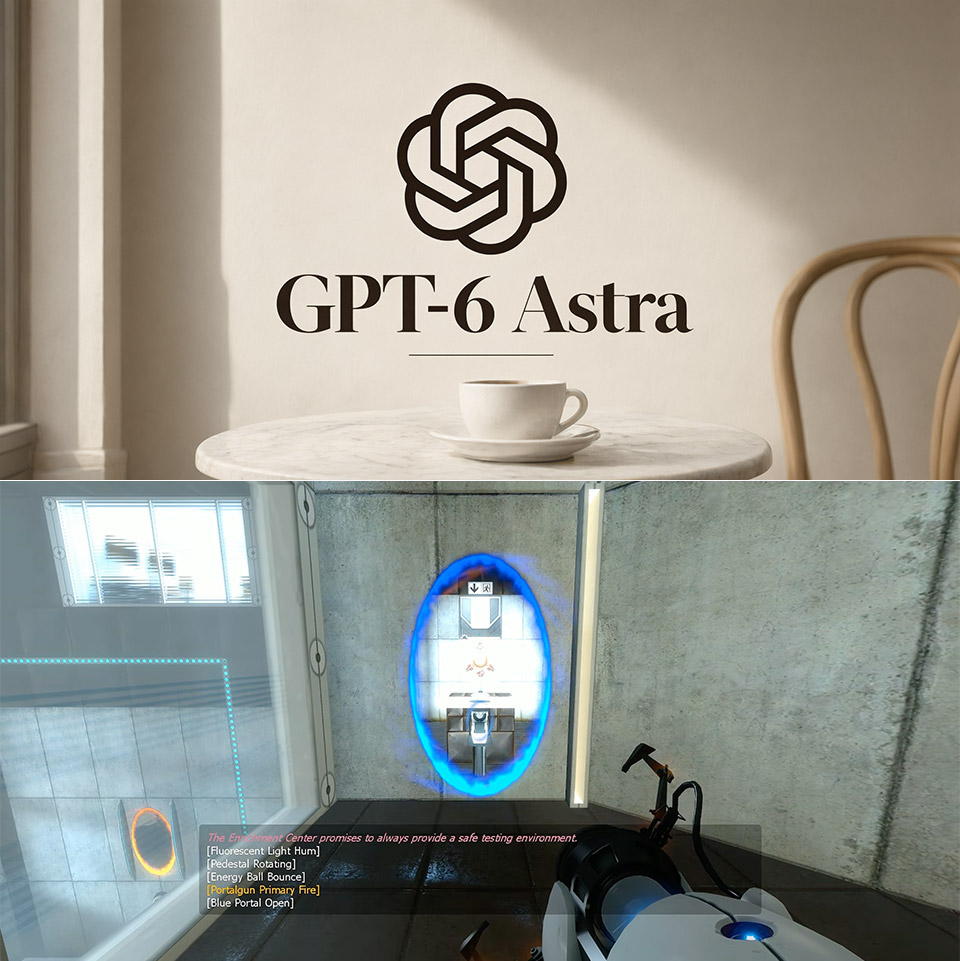
OpenAI shipped GPT-6 Astra in early September as a model meant for long computer work, and within days an independent experimenter named cozyblaze wired it to Valve’s 2007 first-person puzzle game Portal. By the evening of September 5 in San Francisco, the agent had walked Chell through every test chamber, the escape, and the last exchange with GLaDOS. Credits rolled with no human hand on the keys.

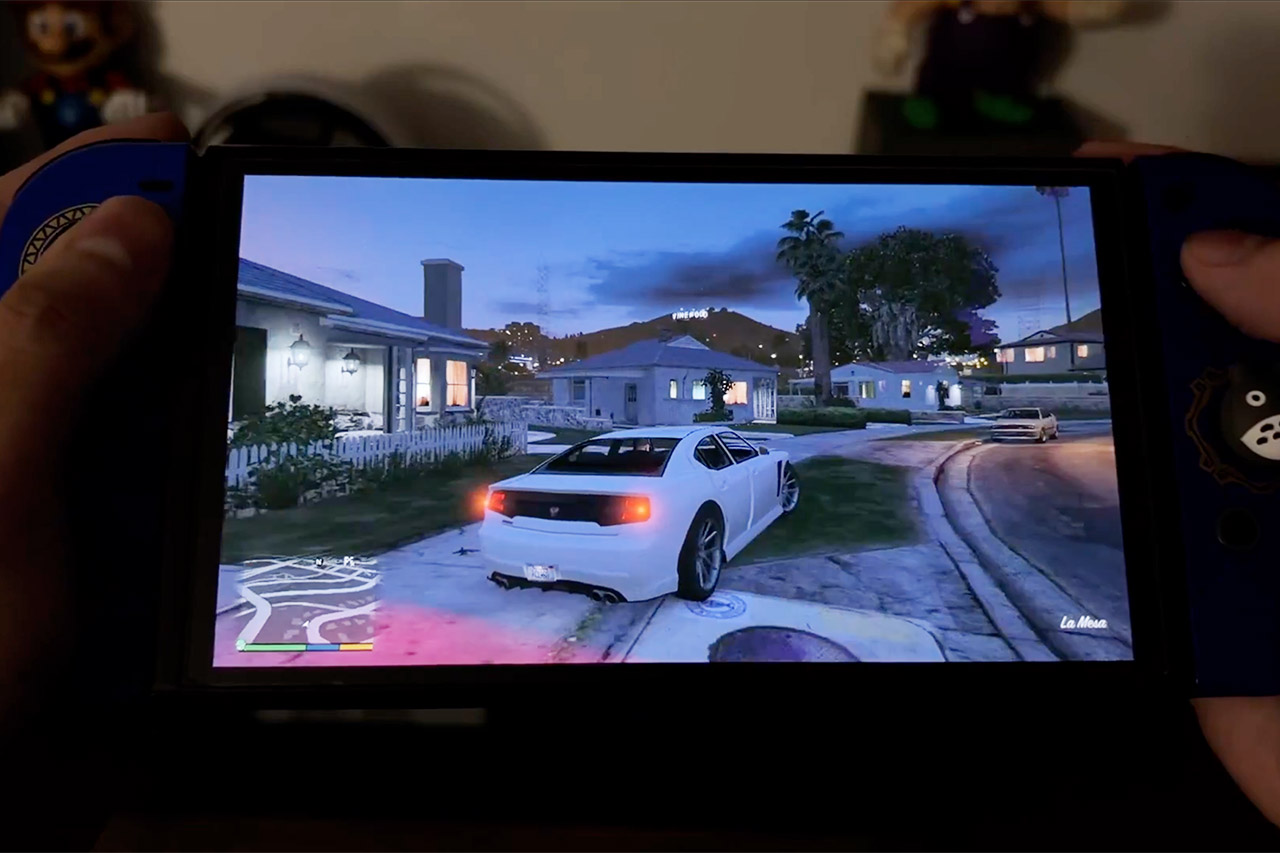
Rockstar never released Grand Theft Auto V for Nintendo hardware. M0jso and Paralympics Productions completed the project in late August 2026 with an unofficial homebrew build that runs directly on the original Switch. The code from the 2023 leak of GTA V Legacy version 1.0.2699, the same lineage used on PlayStation 4, Xbox One, and PC, has been modified and recompiled for ARM, allowing the Tegra X1 and Horizon OS to treat it as a regular title. There is no Linux layer in the middle, no Android wrapper that interprets calls, no stream from another system, and the game is read in the CPU’s native language.
![]()
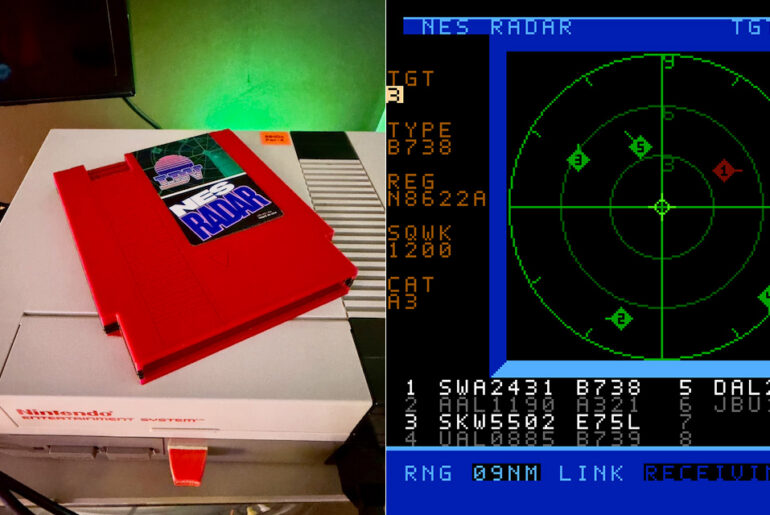
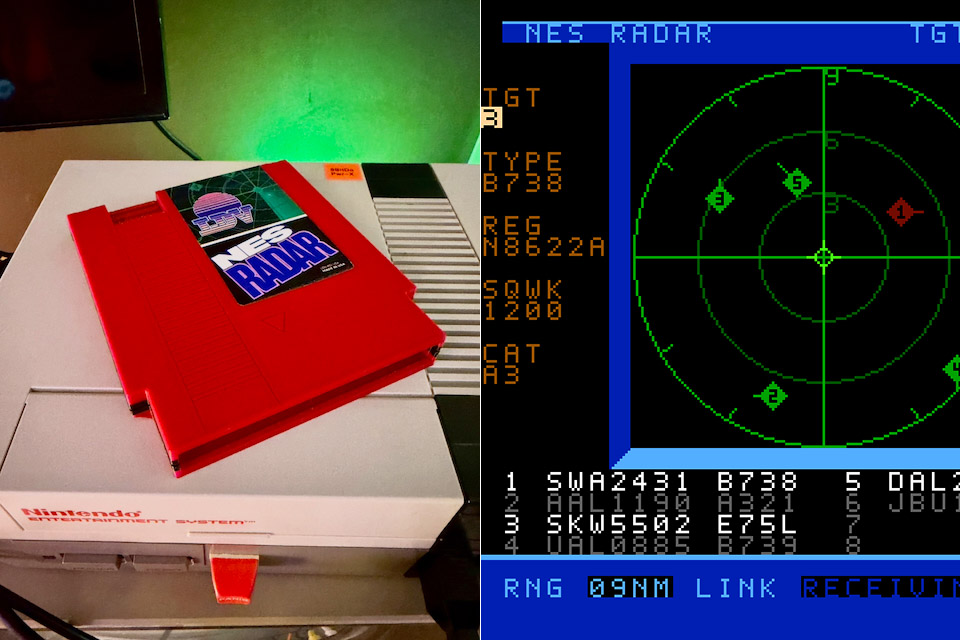
Levi Maaia’s NES Radar takes an original Nintendo Entertainment System and treats it like a small air traffic display. You load a custom ROM on a flash cartridge, type any airport’s four-letter ICAO code with a controller in port one, press Start, and real aircraft flying near that field appear as moving 8-bit targets on the television. It works for airports worldwide. A quiet local strip shows a few arrivals lining up. A code like KLAX fills the ring in a hurry.

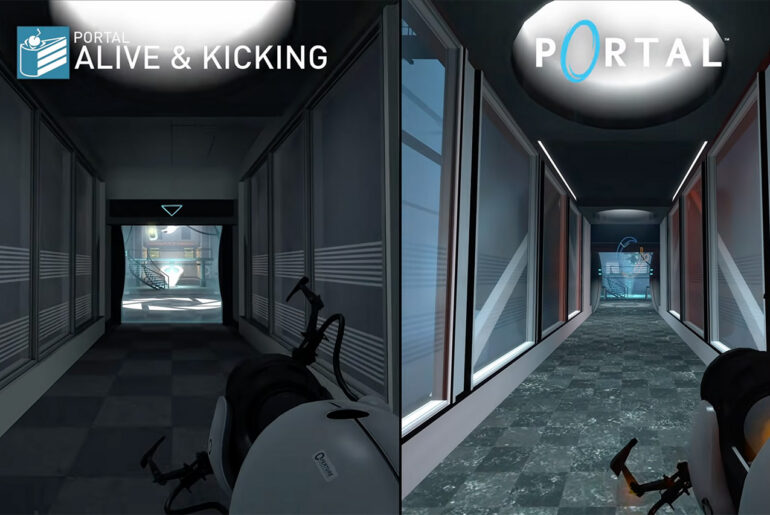
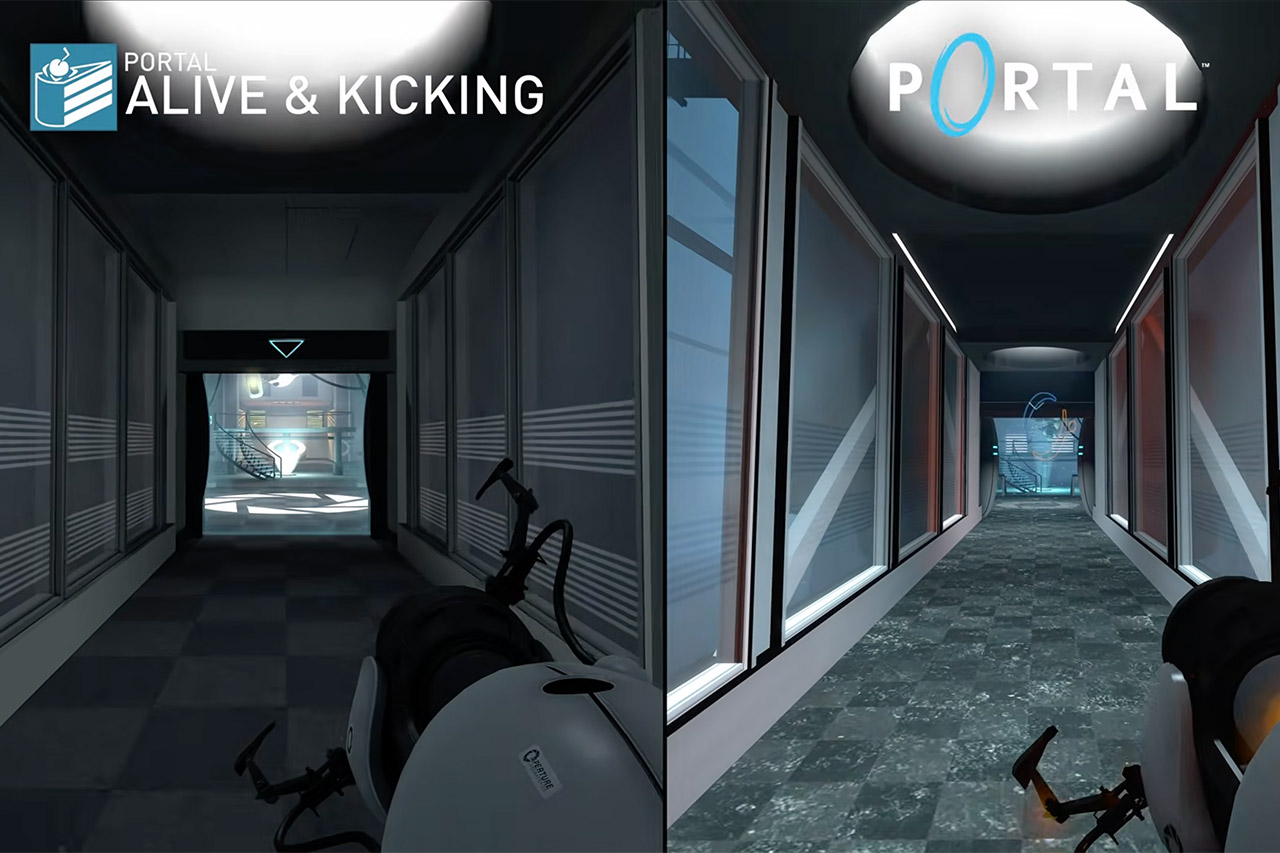
Fifteen years after a small fan team started rebuilding Valve’s 2007 puzzle game inside its sequel’s engine, Portal: Alive & Kicking is on Steam. Rhubarb & Rhubarb shipped the project on August 28, 2026 as a free download that only works if you already own Portal 2 and keep both titles in the same Steam library folder.

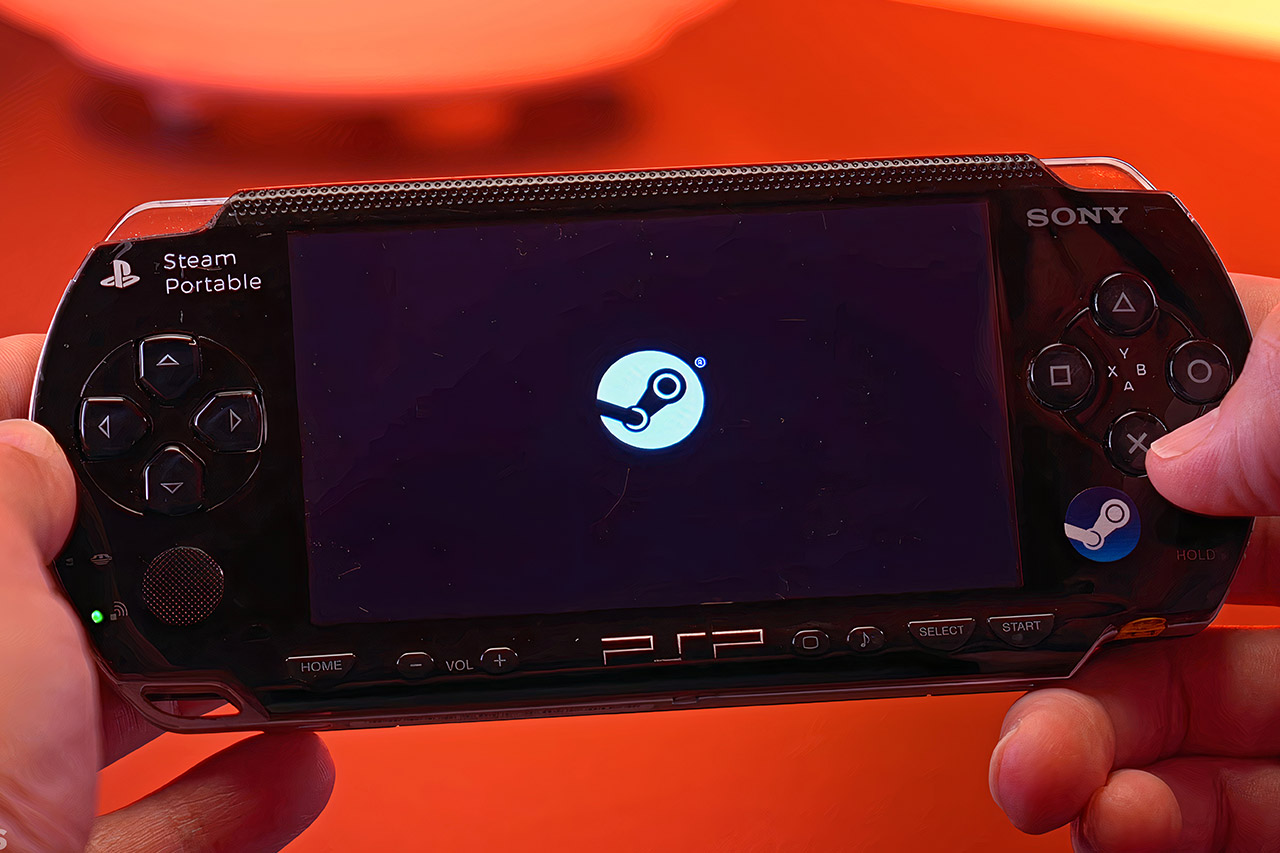
Handhelds keep getting larger, with Valve’s Steam Deck leading the charge, but one modder decided to go in the opposite direction. A PSP still slides into a jacket pocket. Tito from Macho Nacho Productions took that contrast and rebuilt an original Sony PSP-1000 as a device he calls Steam Portable, a pocket shell that can stream his Steam library and run retro emulation. Sony never sold anything like it. He used OtherMod’s latest PSPi 6 kit, a Raspberry Pi Compute Module 4, an 800×480 replacement screen, and a UV printer to stamp Steam branding onto the plastic.

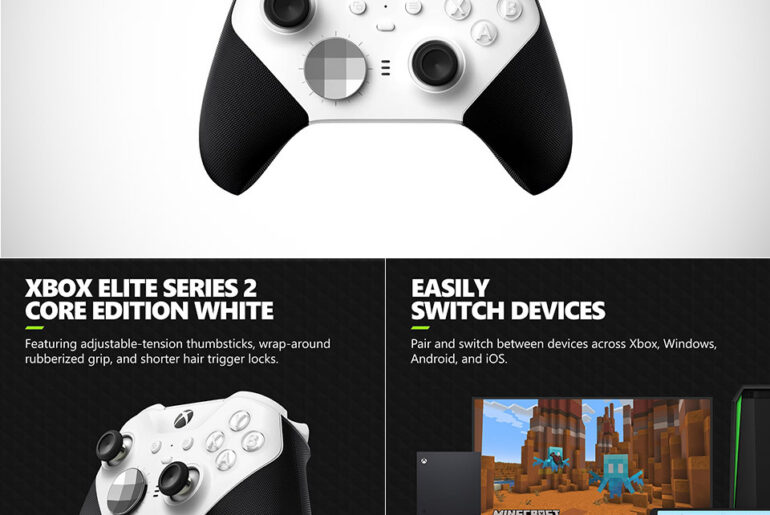
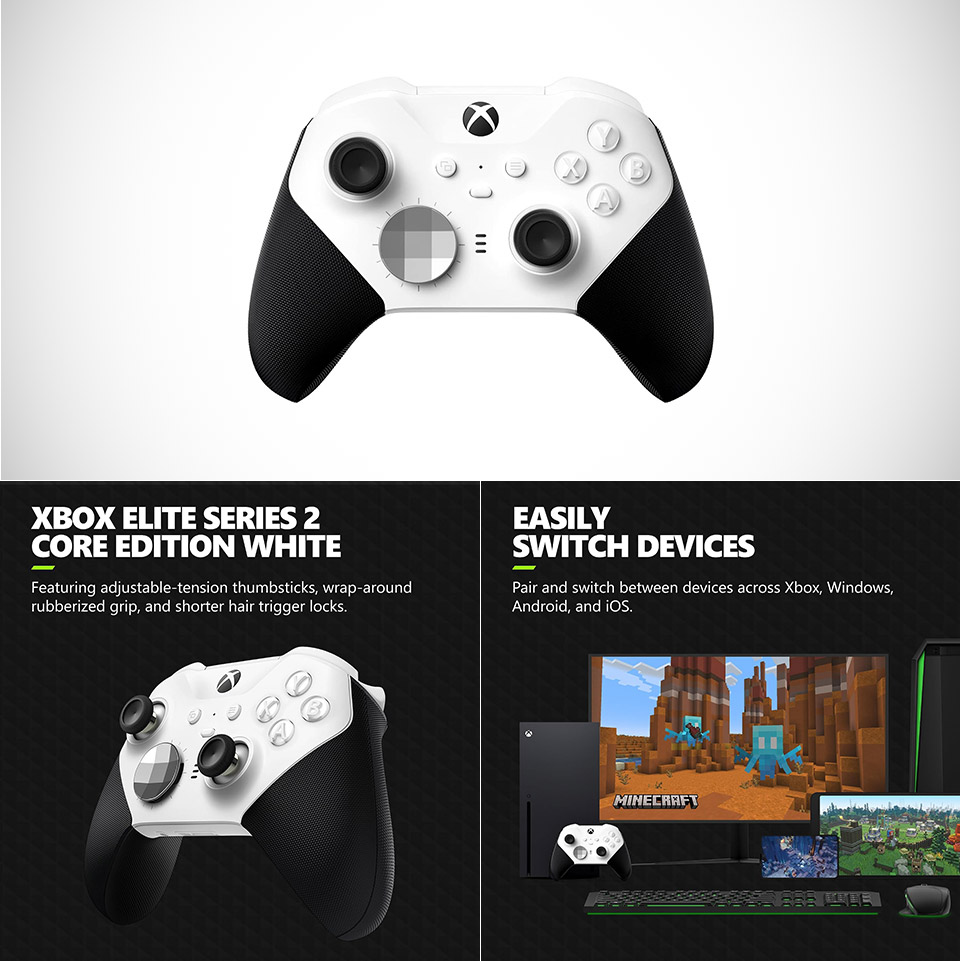
Microsoft shipped the Xbox Elite Wireless Controller Series 2, priced at $111.74 (was $150), in late 2019 as a heavier, more configurable pad built around metal parts, an internal battery, and a profile switch that lives on the face of the controller. Years later it still shows up in living rooms and on desks because the basics have held: four rear paddles, tension you can set with a small tool, trigger stops that shorten travel, and a grip that wraps far enough to keep sweaty hands from sliding during long sessions.