Modern tests have brought new life to a weapon long forgotten from one of history’s famous ships. Crews aboard the Mary Rose carried dozens of giant fire darts among their armaments back in 1545. No one knew exactly how these massive incendiary projectiles worked until a team decided to recreate them and run real world trials. The results show why sailors once dreaded weapons like these on wooden ships packed with gunpowder and canvas.

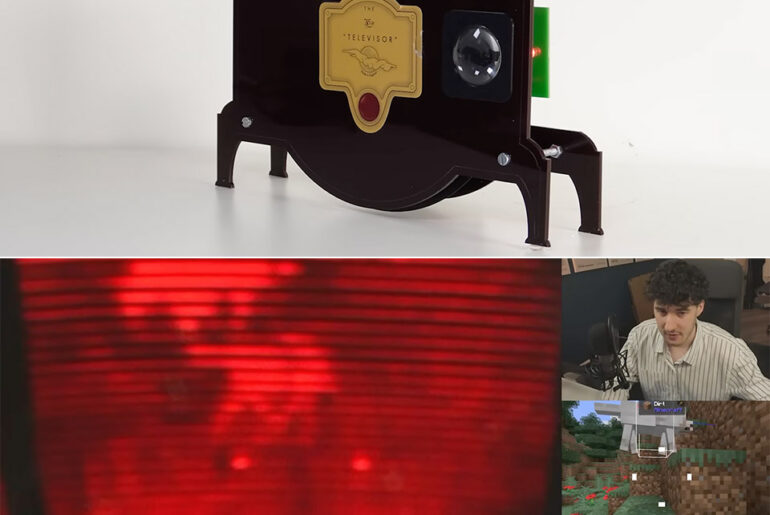
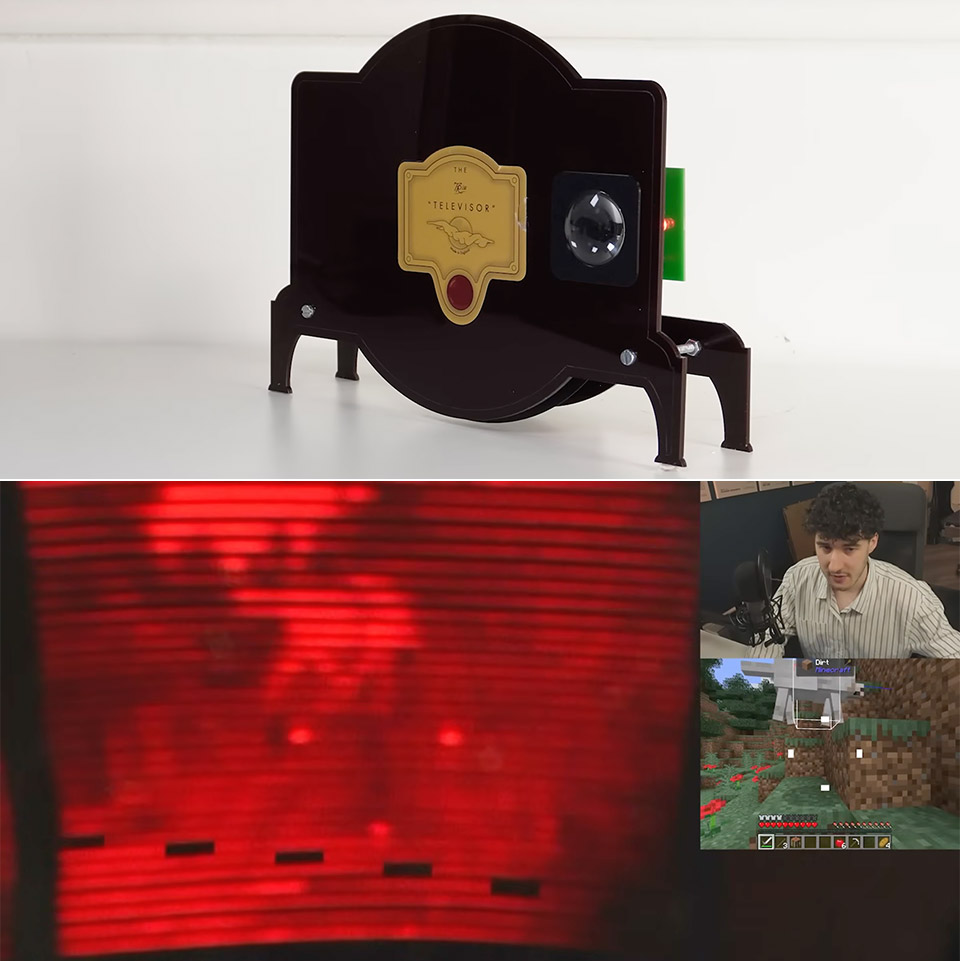
Smill sat down with a fresh idea and a kit that arrived in the mail. The British YouTuber had already beaten Minecraft on a receipt printer and on a vape, but this time he wanted something older and stranger. He picked a replica of John Logie Baird’s 1925 televisor, the kind of device that came before every modern screen. What followed turned into four attempts spread across hours of careful play, each one revealing just how far the limits could stretch before they snapped back.

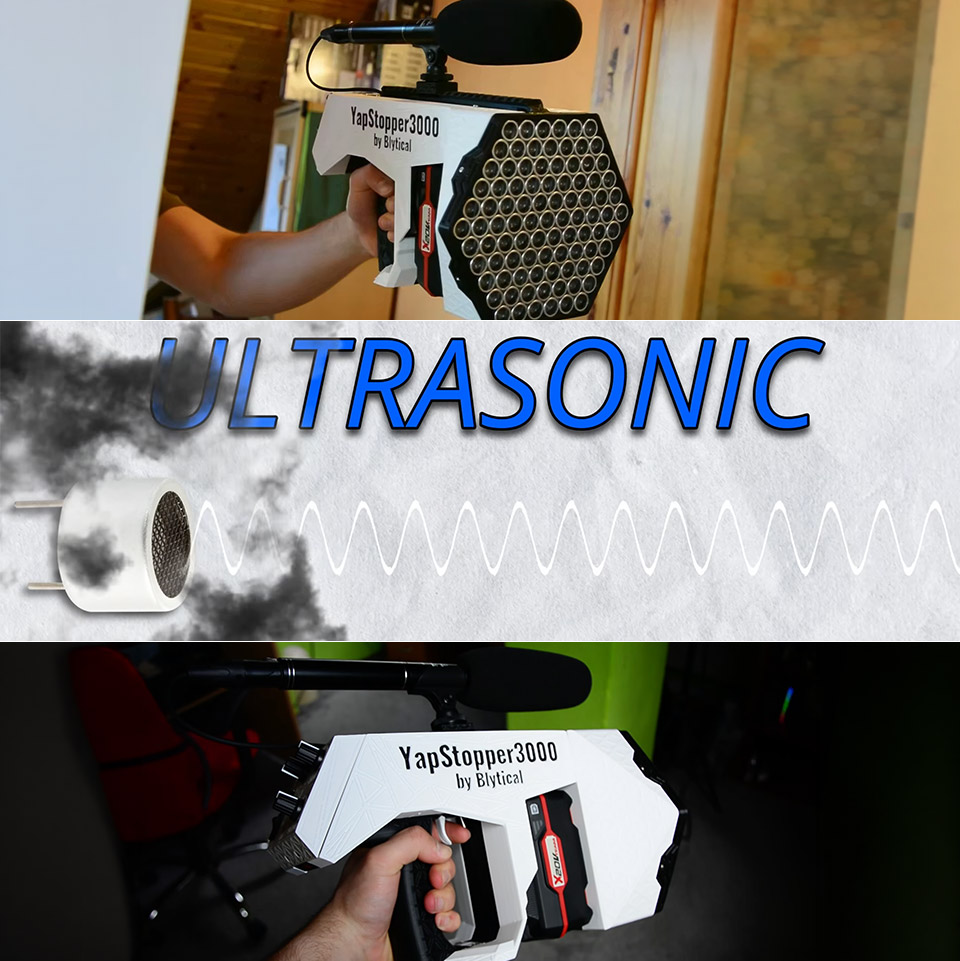
Makers will always be chasing a dream, a wild concept, and few of those ideas come close to producing results as this one. The YapStopper 3000 is a device that can detect what someone is saying from across the room, add a tiny bit of delay, then fire that precise audio back at them, to the point that their brain can’t seem to put two meaningful sentences together.

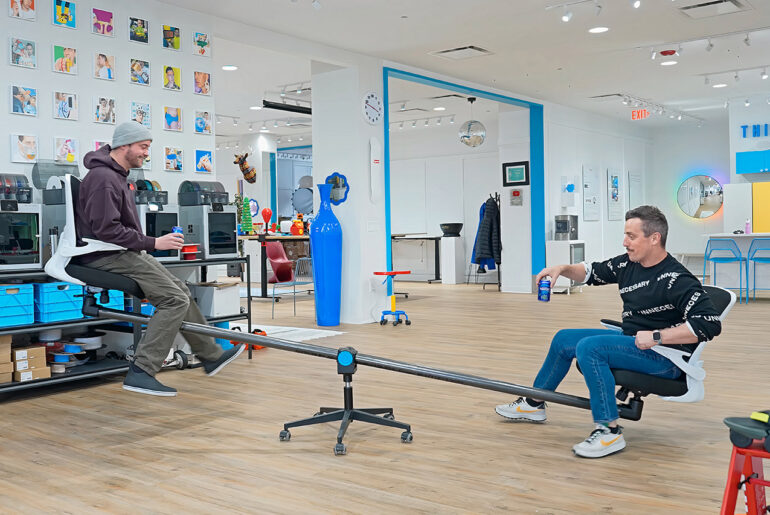
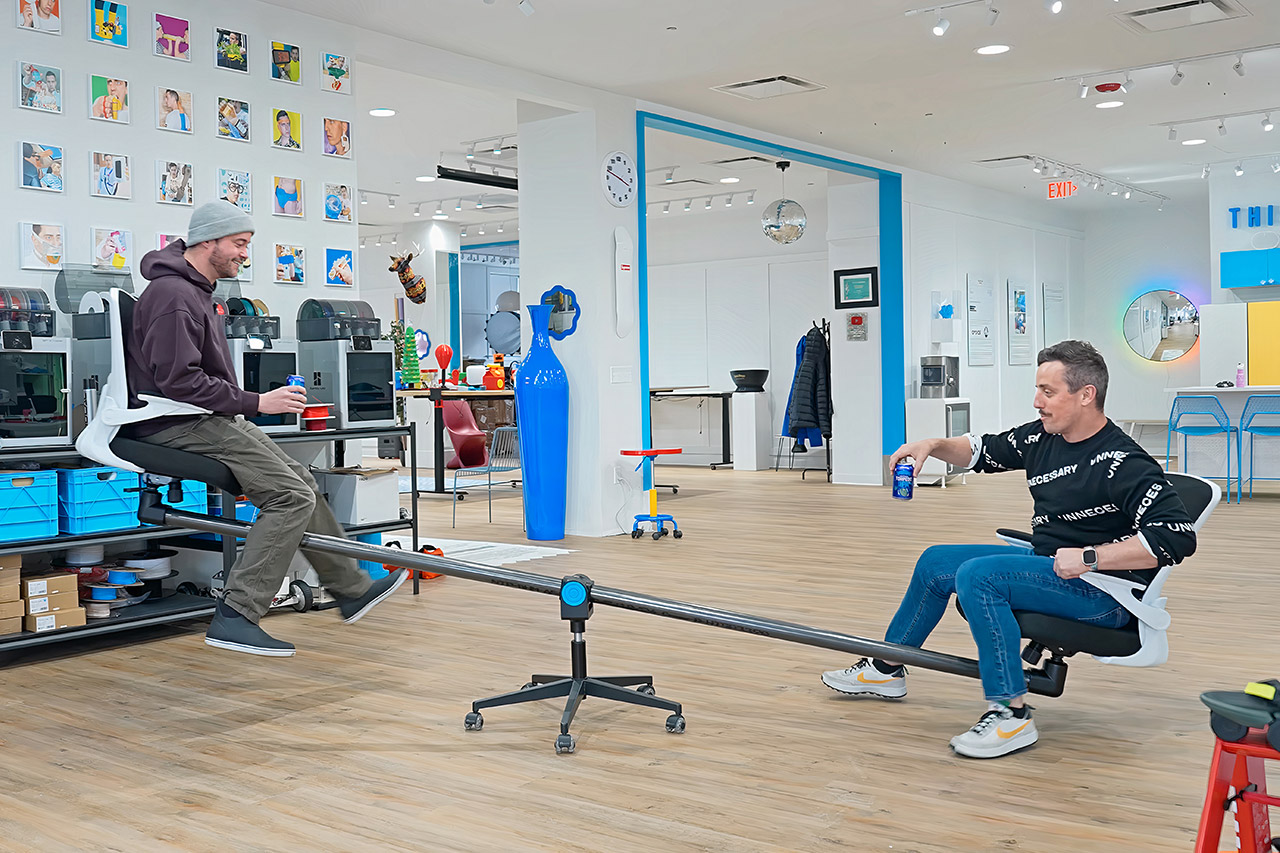
Designer Matty Benedetto of Unnecessary Inventions runs a studio in Vermont where he makes contraptions to tackle problems that no one has ever asked about. His most recent project mixes two known elements to create something new, which has the potential to change how teams handle lengthy discussions around a table. He transformed conventional office chairs into a full seesaw that rocks up and down while spinning in a complete circle.

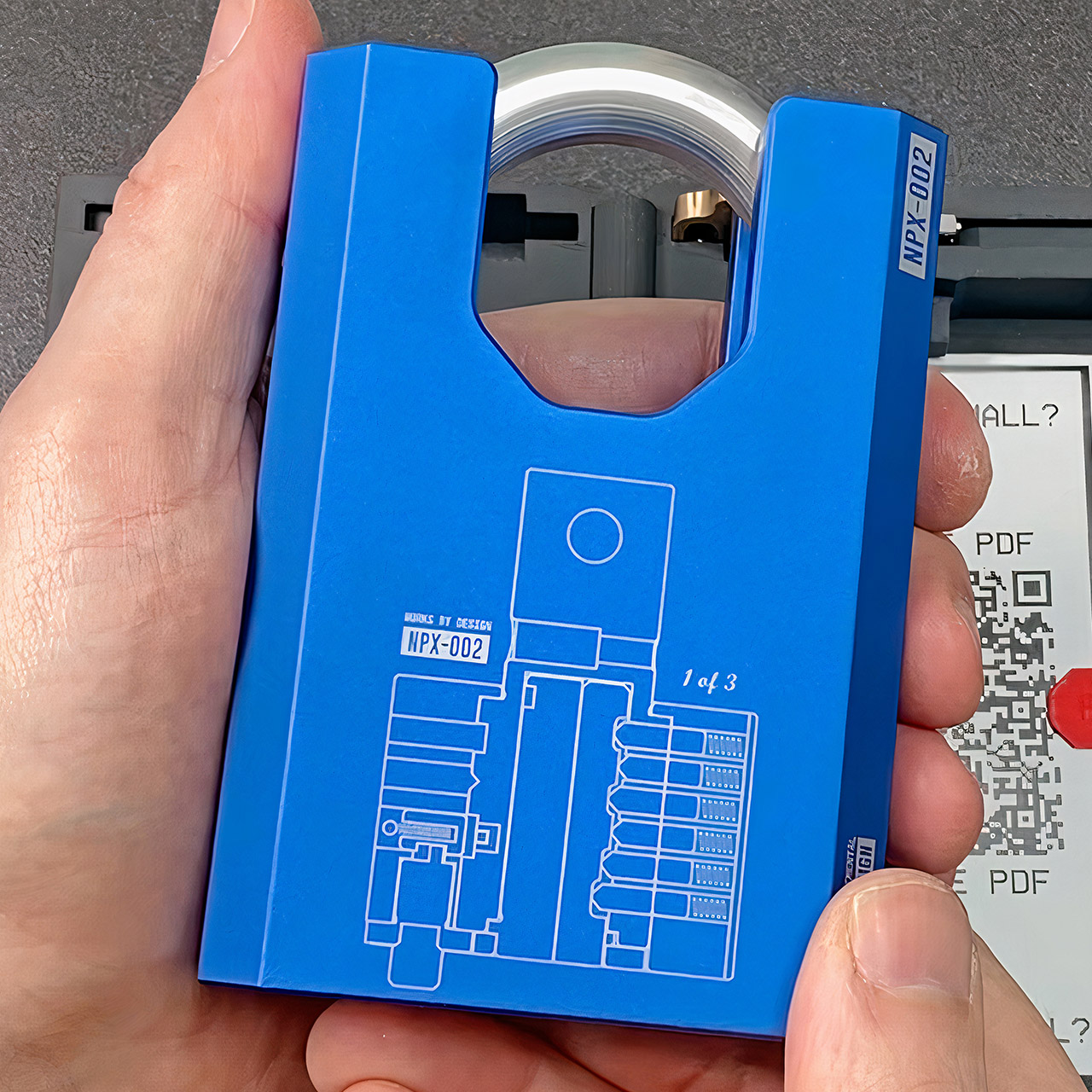
Lock Noob got his hands on the NPX-002 from Works by Design and wanted to put its security claims to the test to see how well they held up. The lock’s designers created this travelling key system, in which the key’s bow spins some internal gears and the actual key blade moves into place deep inside the cylinder. The key only fits perfectly in the exact position, at which point the keyway seals off, leaving no place for your standard picks or tension tools to reach the pins. To prevent the normal impressioning techniques, the brass ones had a plastic pin inserted.

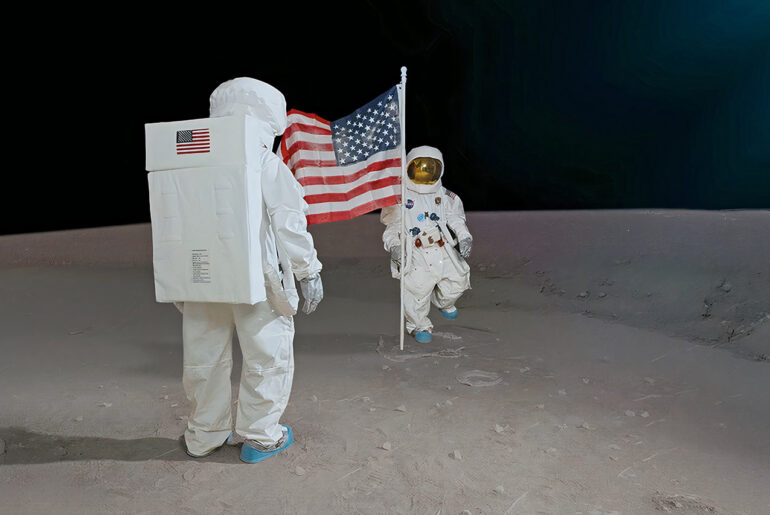
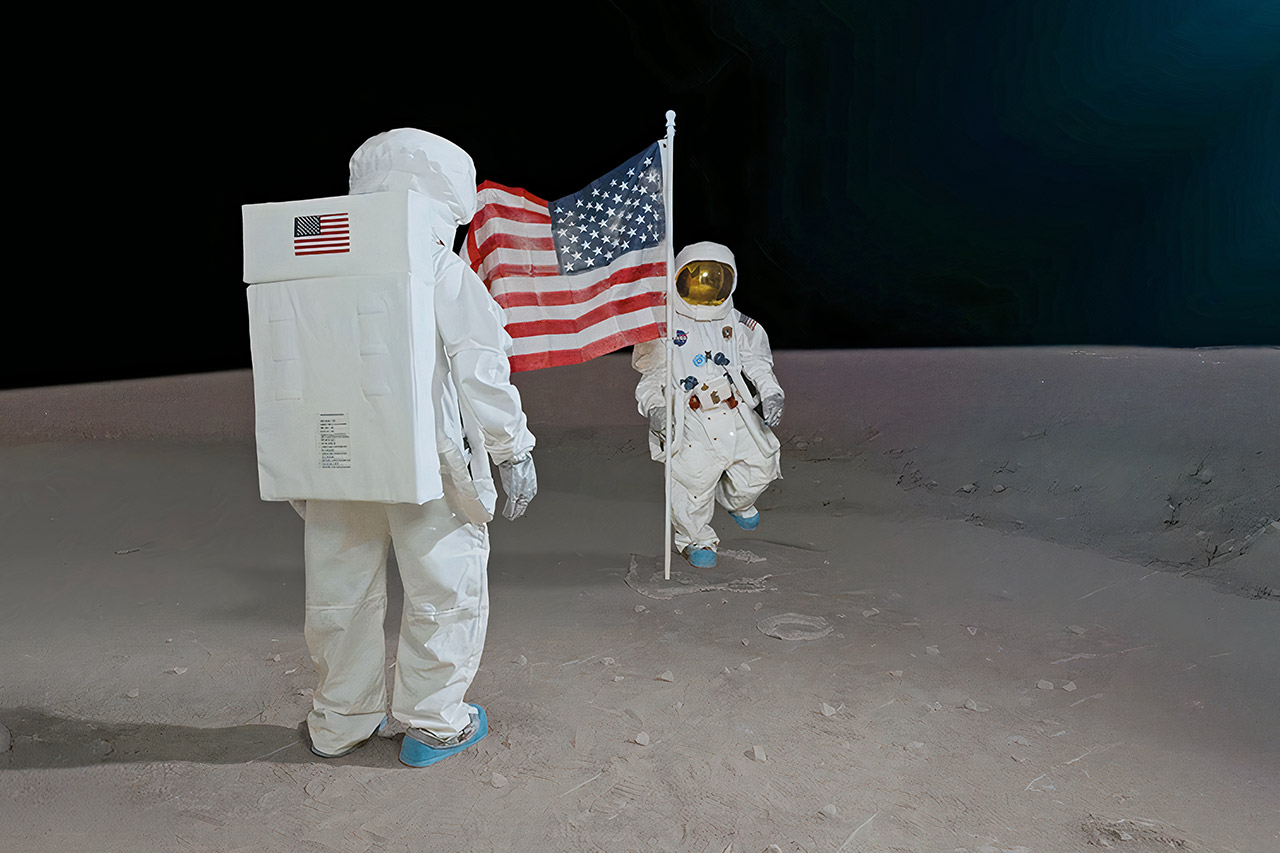
Isaac Carlton decided one afternoon to tackle a project that most people would dismiss as impossible. He wanted to film the most famous moments from the Apollo moon landings without rockets, without a massive budget, and without stepping outside his own property. The result looks so close to the original NASA footage that viewers keep pausing to check whether they are watching history or something built from scratch in a garage.

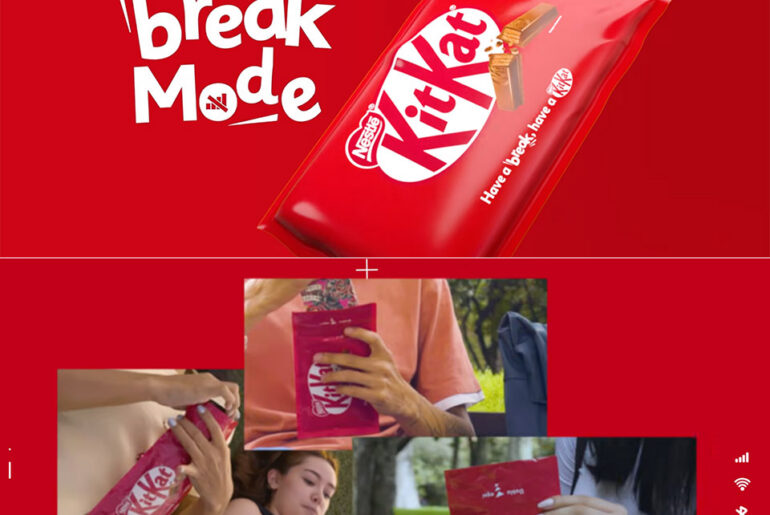
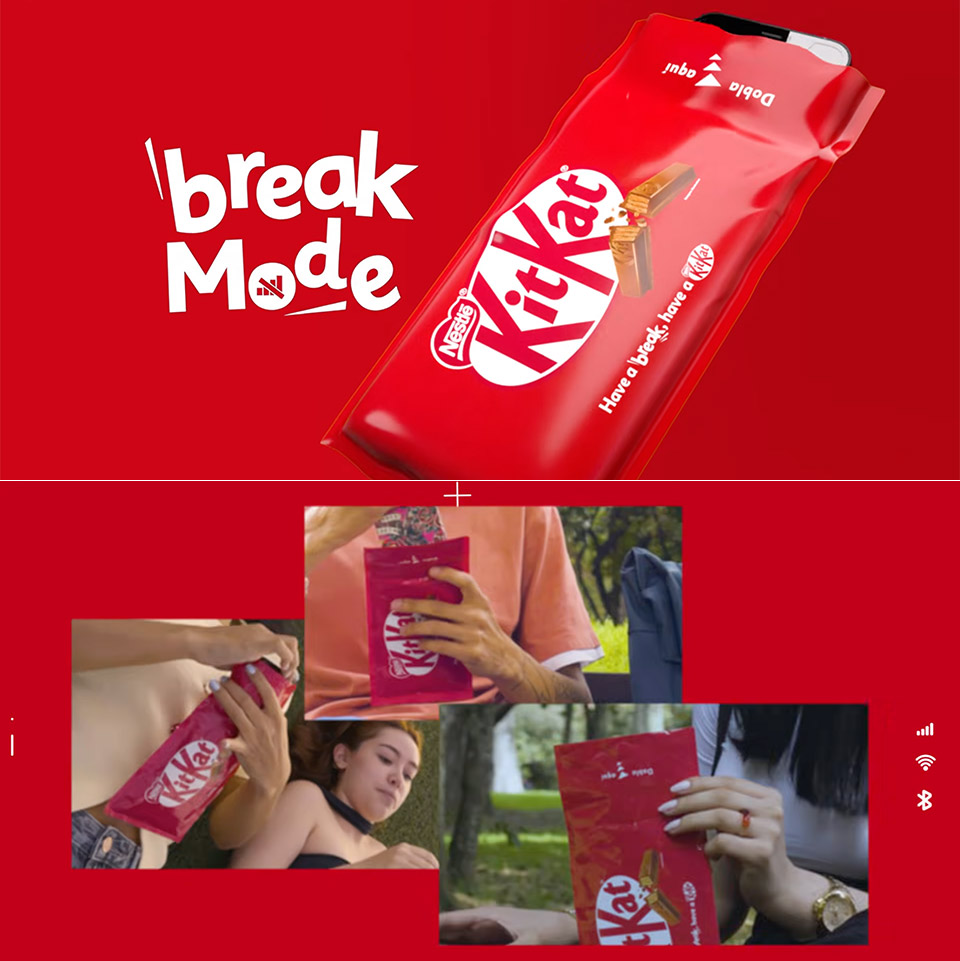
People all over the world have experienced taking their phone for a quick check and being lured into a vortex of unending feeds, only to lose half an hour doom scrolling. KitKat Panama collaborated with the Colombian firm Ogilvy to develop Break Mode, a Faraday cage wrapper that keeps the phone’s connection turned off even after you’ve finished the chocolate.

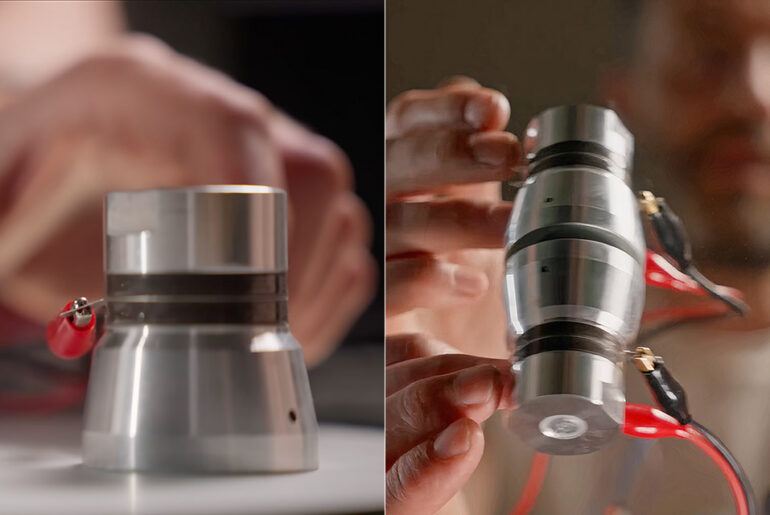
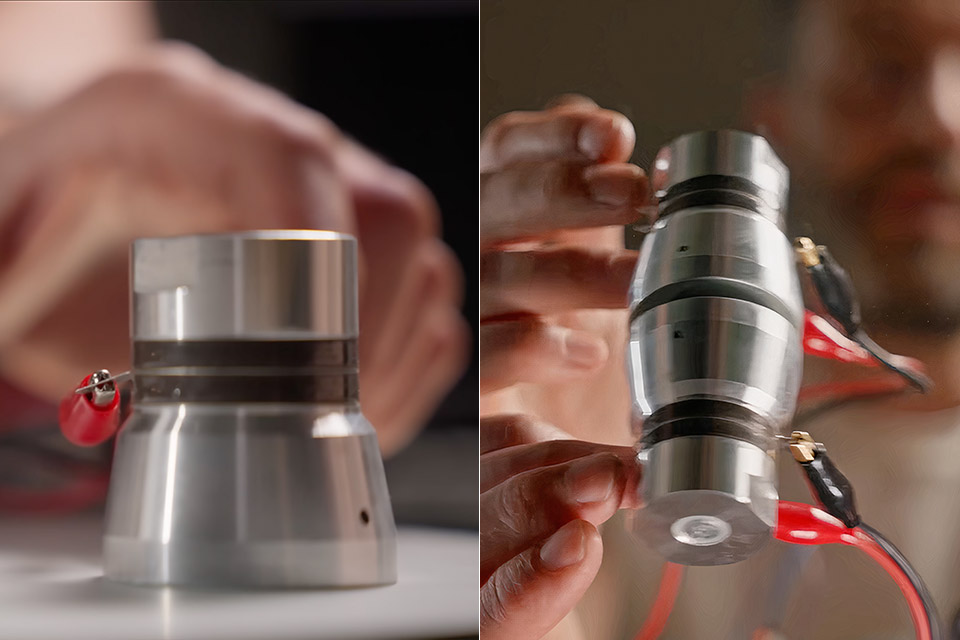
Steve Mould was the most recent person to get his hands on a miniature arena in which minuscule disks appear to float across a surface as if by magic. In his most recent levitation experiment, most can’t believe how easy it is to generate the type of motion you see, thanks to some rapid vibrations. Bob Collins just happened to come across the idea years ago while trying to figure out what was wrong with the guidance systems used on British torpedoes at the time.

Photo credit: Justin White
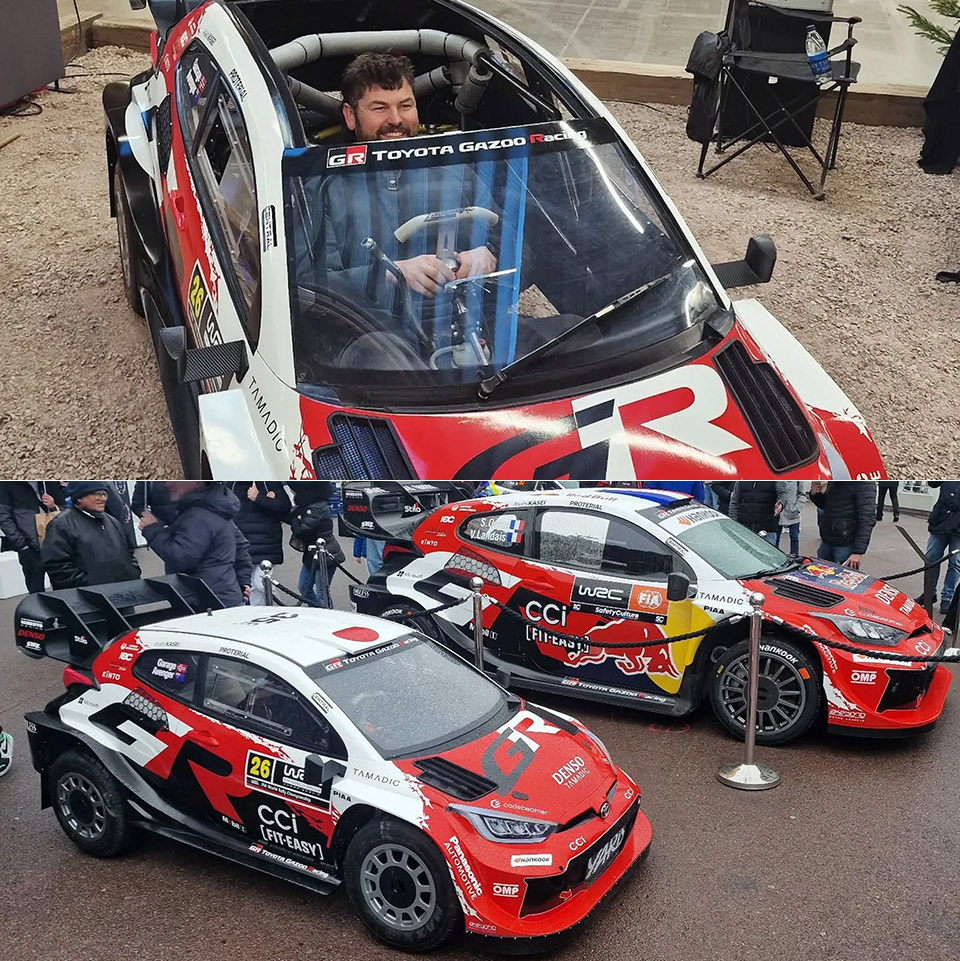
Justin White spent 13 months working in his Australian garage on a project that evolved from humble beginnings to something far greater than anyone had anticipated. He had set out to build a half-scale duplicate of the Toyota GR Yaris Rally1. This was not a model, however; it was a single-seater built to travel down real roads rather than rest on a shelf. The finished design piqued Toyota Gazoo Racing’s interest, and they quickly flew both White and his innovation to the Rallye Monte Carlo, the season opener for 2026.

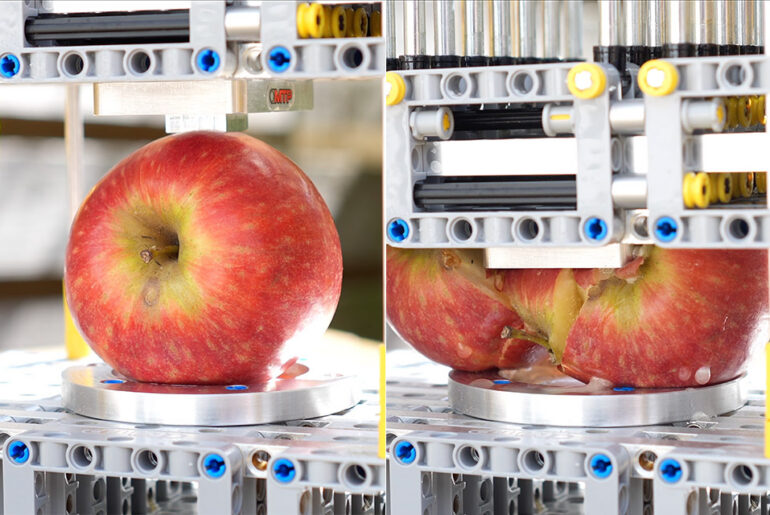
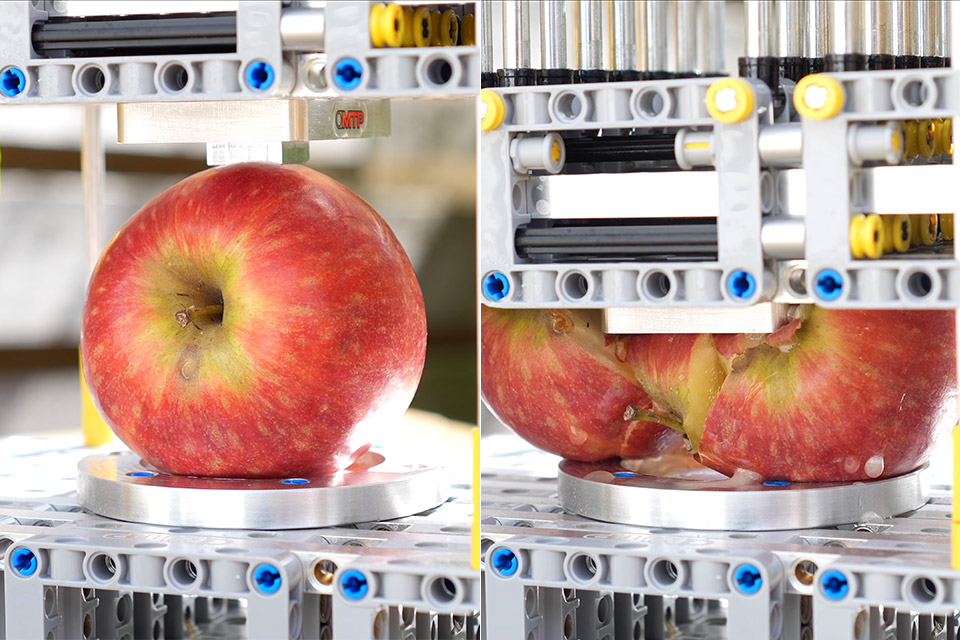
Jamie at Brick Jams became interested in pneumatic cylinders and ended up developing a machine capable of squashing everyday objects with ease under over 300 pounds of pressure. He put together 42 LEGO pneumatic cylinders and built a unique air compressor system.The resulting machine is rock solid on a reinforced frame and produces a steady, controlled pressure every time you open the valve.