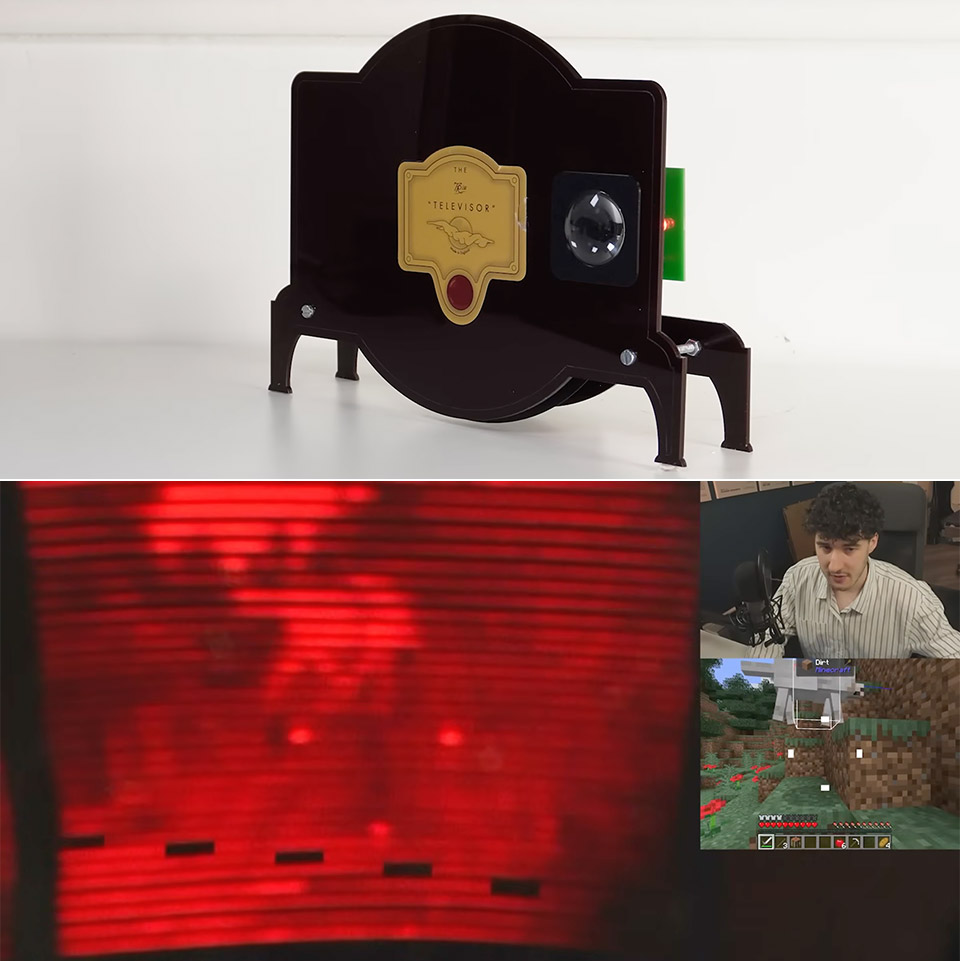
Smill sat down with a fresh idea and a kit that arrived in the mail. The British YouTuber had already beaten Minecraft on a receipt printer and on a vape, but this time he wanted something older and stranger. He picked a replica of John Logie Baird’s 1925 televisor, the kind of device that came before every modern screen. What followed turned into four attempts spread across hours of careful play, each one revealing just how far the limits could stretch before they snapped back.
As it turned out, what he believed would be a fast job developed into four attempts over several hours, and it was a tremendous effort to get everything working together. The televisor kit arrived as a collection of dissimilar parts waiting to be slotted together, which is what Smill performed in the first segment of his movie. He carefully positioned the motor and balanced the circular bit that is meant to do all of the work. The Nipkow disk is a flat disk with 32 small holes arranged in a tight spiral design. When the motor spins it at the appropriate speed, those holes swoop across a single bright LED at the back of the disk, and as the brightness of that LED changes, so do the scan lines that comprise the image. Only one row at a time. The entire image is exhibited in magnificent black and white, with no color or extra features, and it all fits inside a tiny circular window about the size of a coaster.

- BUILD THE DREADED CREEPER – Young explorers, ages 10 and up, build a large poseable version of the iconic Minecraft mob
- MINECRAFT ACTION FIGURE – Kids construct every detail of the Creeper, from its 4 poseable legs to its detachable head
- HIDDEN SURPRISE INSIDE – Builders can remove the Creeper's head to reveal a compartment that hides a first-version Creeper minifigure and TNT...
Getting a modern game like Minecraft to function on that hardware, however, was a completely different challenge. It worked flawlessly on Smill’s computer, but the televisor lacks standard connectors such as HDMI, so it had to be done differently. He created a small program that takes the game’s images and chops them up into the exact pattern of brightness that the television expects. Then he sent that pattern, which I know seems strange, but just go with it, out as an ordinary audio signal via cable. The televisor simply treated it as if it were receiving a signal from an old radio. The LED lit up, the disk began spinning, and before you knew it, blocks and mobs were flying by on the whirling disk.
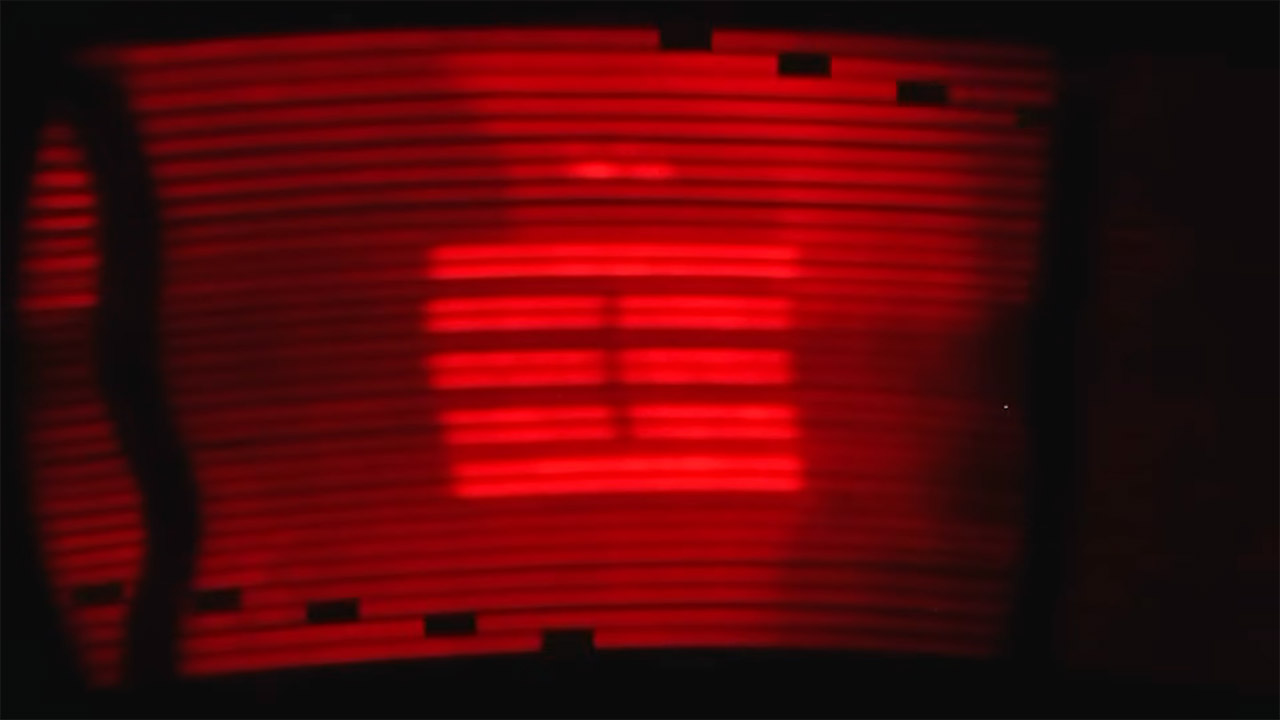
Even after he fixed the signal, the picture was still small and dark. You only have 32 lines, so everything becomes blurry and weird. The lag was also rather significant, with more than a second between when the action occurred and when it appeared on the screen. Quick reflexes were out of the question, and trying to comprehend any writing was nearly impossible. To make survival even remotely conceivable, he had to experiment with Minecraft itself, such as increasing the size of the cursor to make it stand out and creating a preview window that appears anytime you hover over something in your inventory. That allowed him to read labels and plan his next action without guessing.
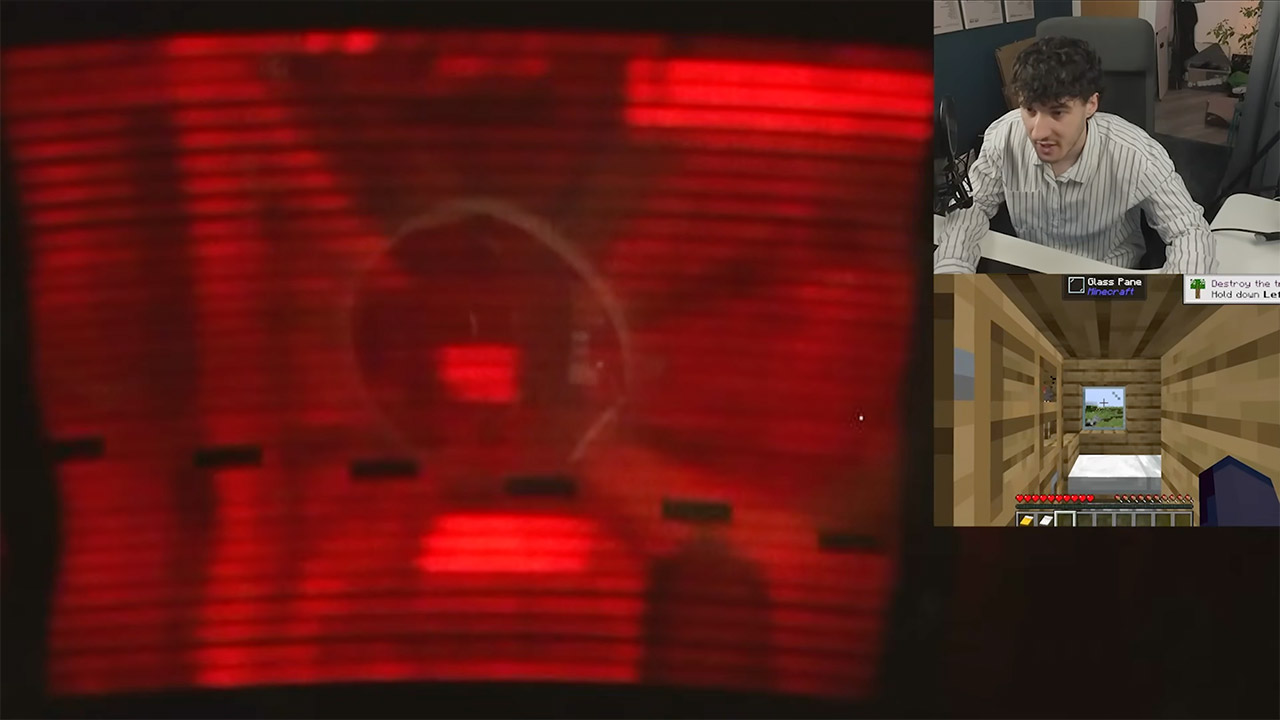
The first run went quickly as Smill gathered wood, created tools, and began mining, but the delayed perspective caused him to walk directly into a creeper. The second attempt went well after Smill built a modest shelter and started knitting wool for some beds. He’d need them later, in case he needed a few extra hours of sleep after that exhausting conflict. The second attempt lasted longer after he built a small shelter and began farming wool for beds. He needed those beds later for the final fight. Each death forced a restart from the beginning because the world generated fresh each time. By the third try he had iron, flint, and enough arrows to feel ready for the Nether. He stepped through the portal, fought his way to the fortress, and collected the eyes of ender. The lag turned every blaze battle into a slow dance of careful clicks and patient waiting.
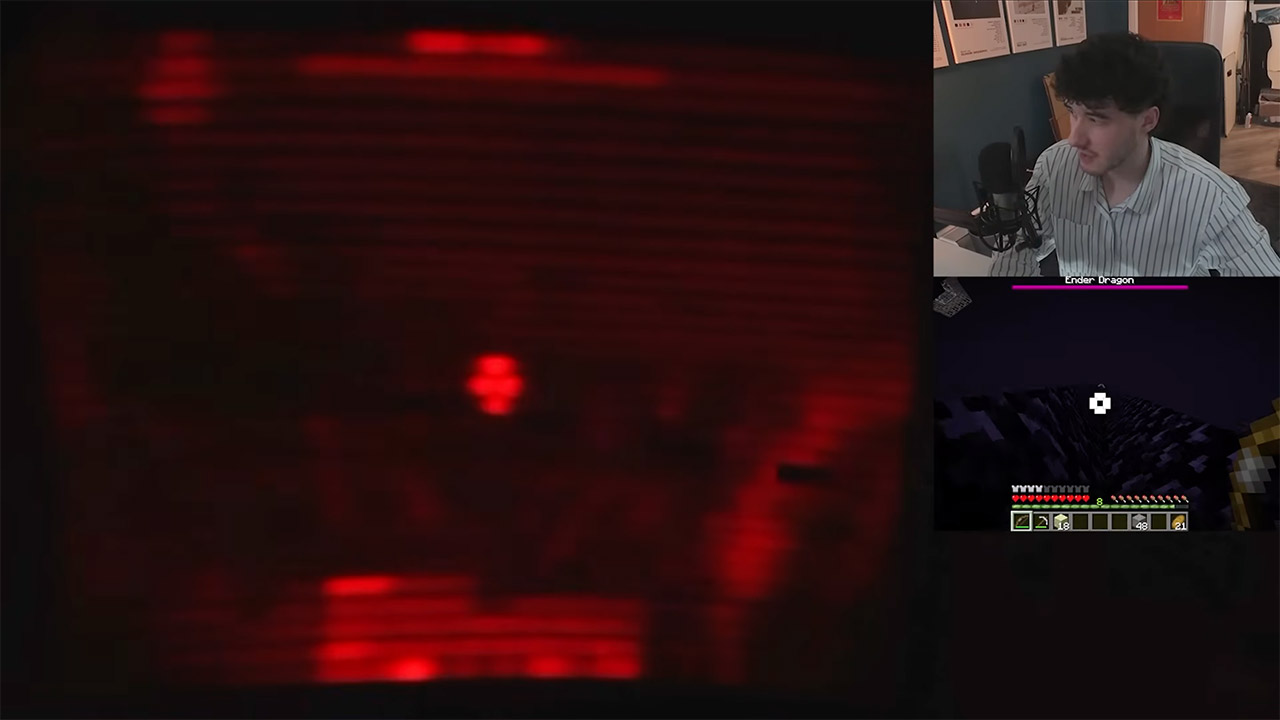
On the fourth run everything lined up. Smill farmed extra wool early, stocked arrows, and carried spare iron. He built the portal, entered the Nether, and reached the End without a single wasted step. In the dim circle of the televisor he located the dragon, destroyed the crystals one by one using the beds he had saved, and finally cornered the boss. When the dragon fell, the victory screen appeared in the same low-resolution glow.
[Source]