Photo credit: GnarDead
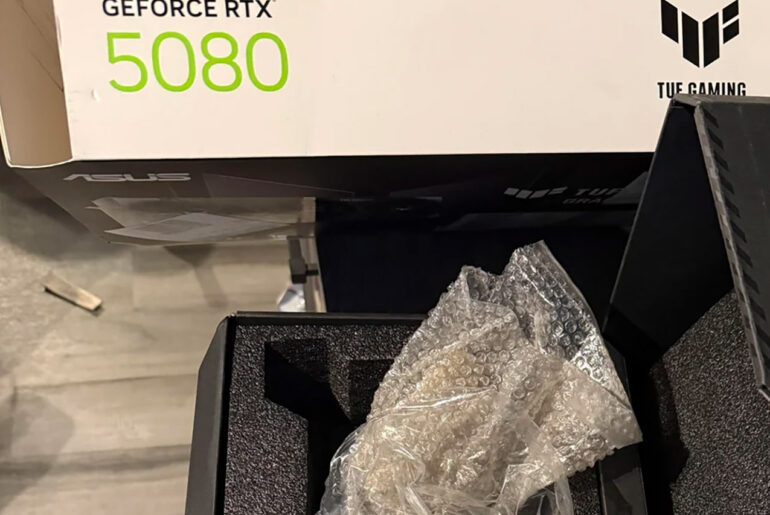
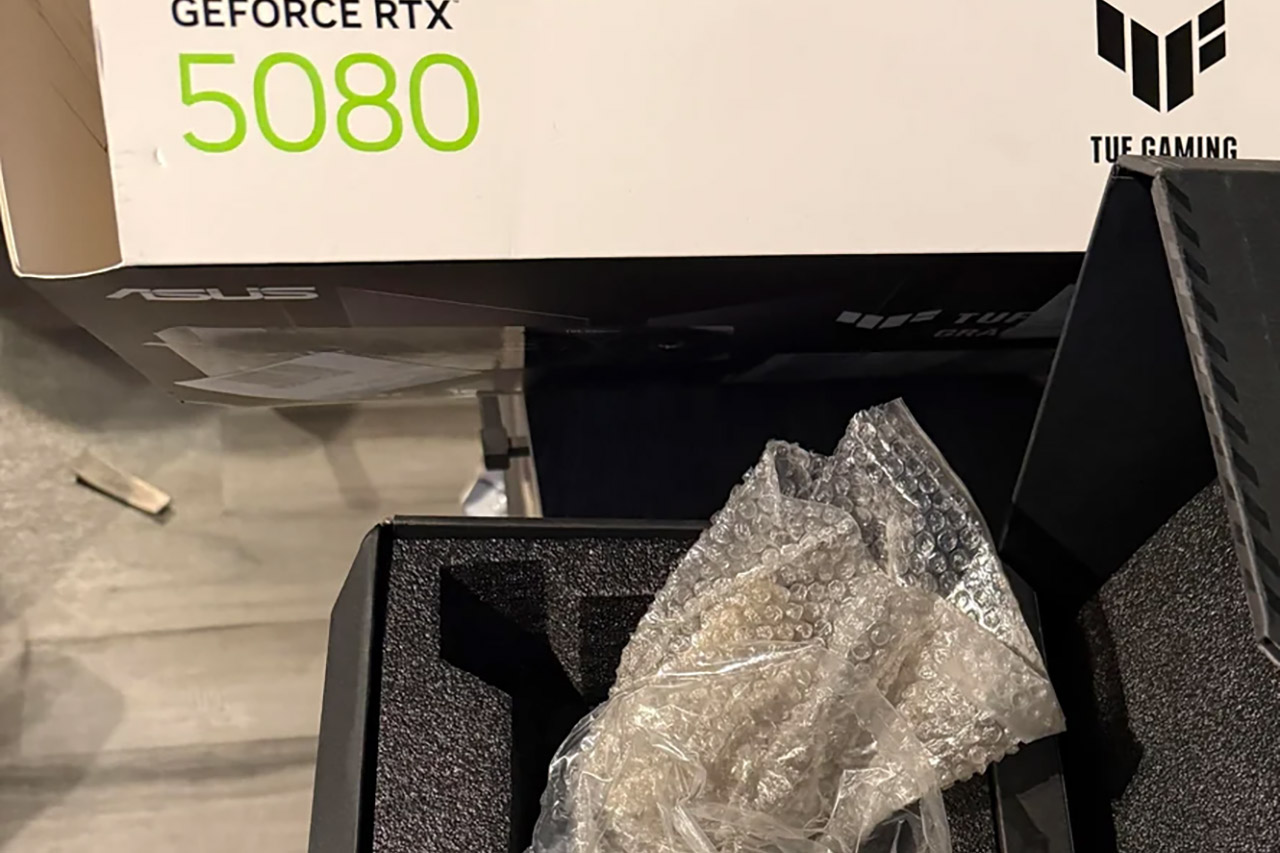
A few days before Thanksgiving, GnarDead took a big risk by placing an order that was expected to significantly improve their gaming setup. The ASUS TUF Gaming RTX 5080 was lying in their Best Buy shopping basket for a reasonable $1,200; its specifications were impressive, capable of handling even the most demanding games. It arrived on November 28, but things quickly took a turn for the worse.

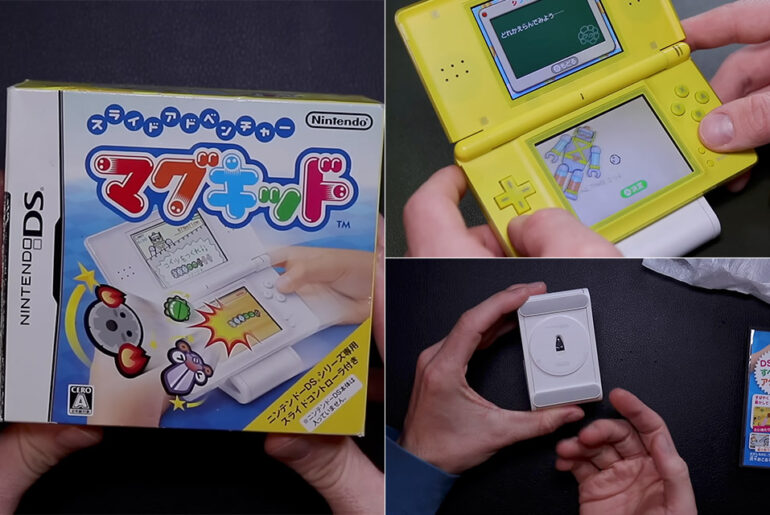
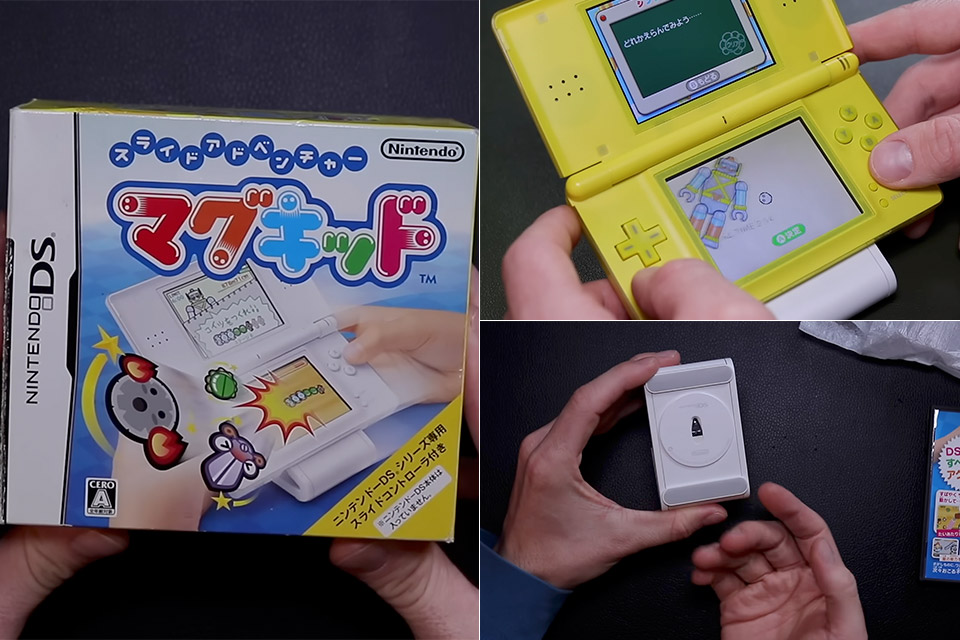
Japan has always been the place where Nintendo’s wildest ideas come to life. In 2007, one developer took it to the next level by creating a device that transformed your entire DS into a desktop mouse. The “Slide Controller” was an official product, albeit a quite wacky one, that came exclusively with “Slide Adventure: MagKid.” This device plugs into the DS’s bottom GBA slot and features a bright red LED sensor.

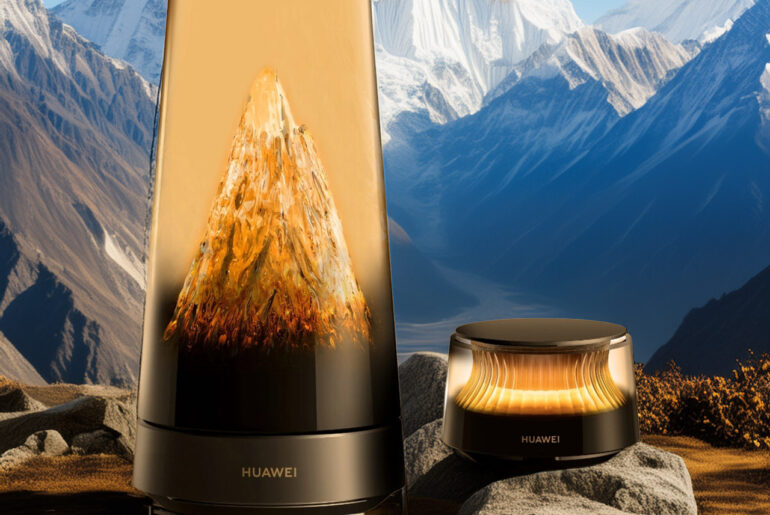
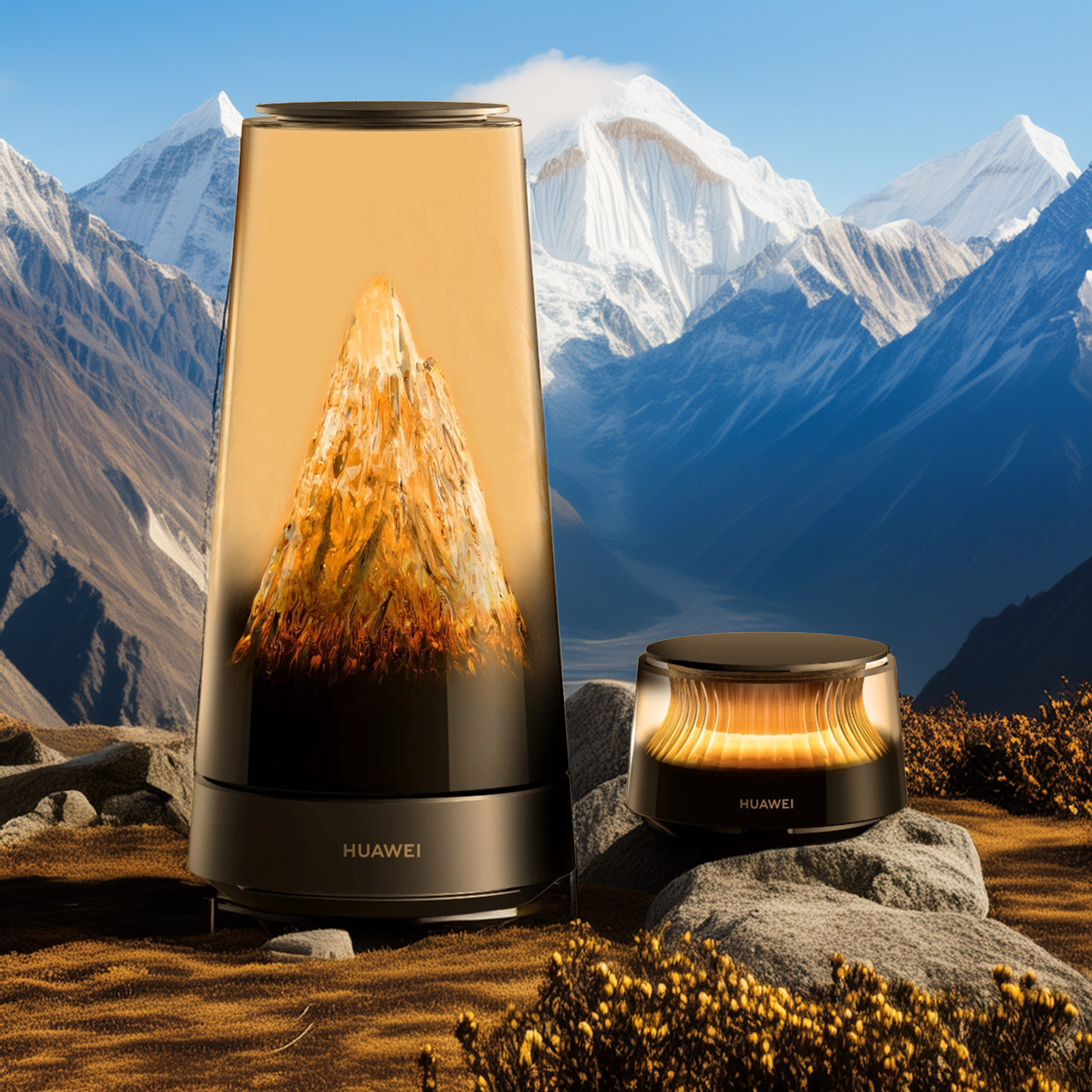
Huawei has unveiled a Wi-Fi router that shatters all preconceptions about what these devices are supposed to look like. The X3 Pro is a sleek, mountain-inspired objet d’art that boasts a clear cone and a textured peak inside. The main unit is long and thin at the top, flares out at the bottom, and has a translucent top piece that let some light in. A metal band wraps around the center, with a gold-etched mountain design and the Huawei emblem beneath it. Off the back of the main unit is a compact satellite router, perfect for expanding your network without making a big impact.

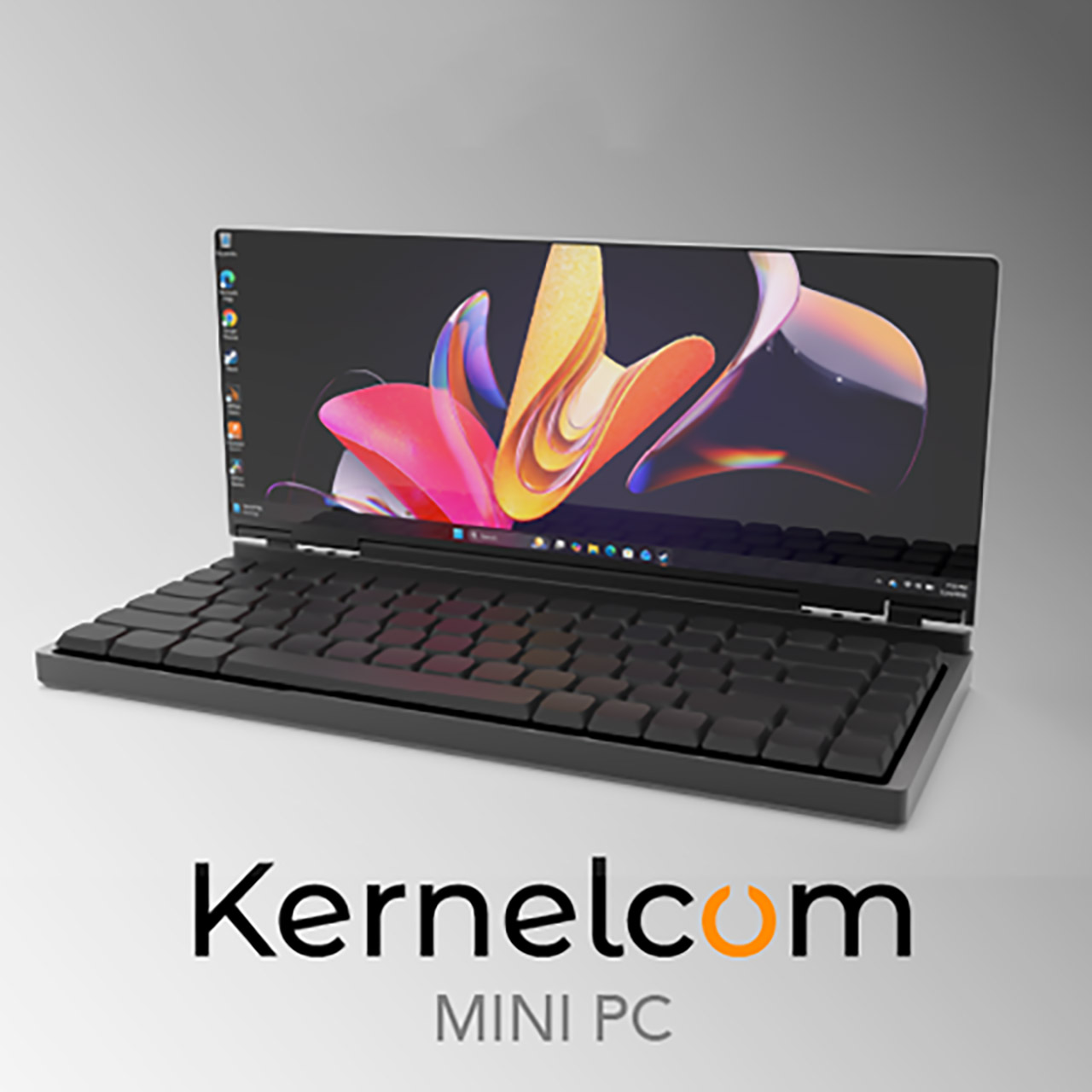
When closed, the Kernelcom measures 321 x 140 x 36mm, allowing it to comfortably fit within a backpack. It’s not heavy at all, weighing in at just 1.24kg, about the same as a hardcover book; the startup behind it was able to squeeze out two versions, one with an Intel processor for casual use and one with an AMD chip for heavier stuff.

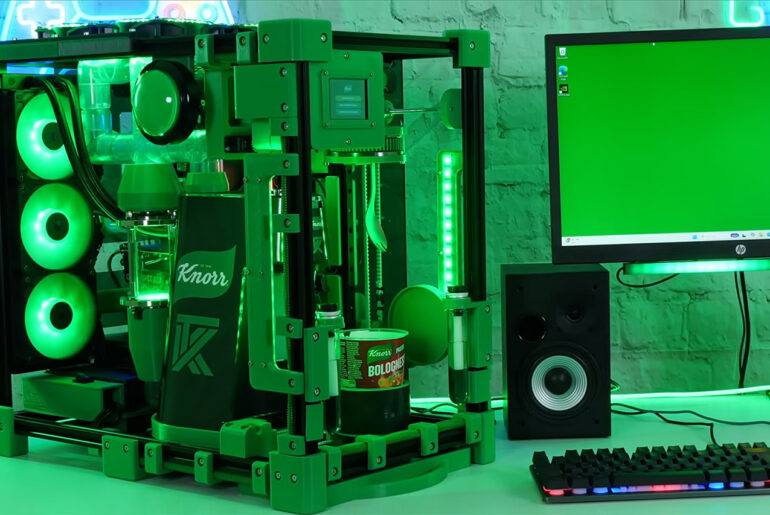
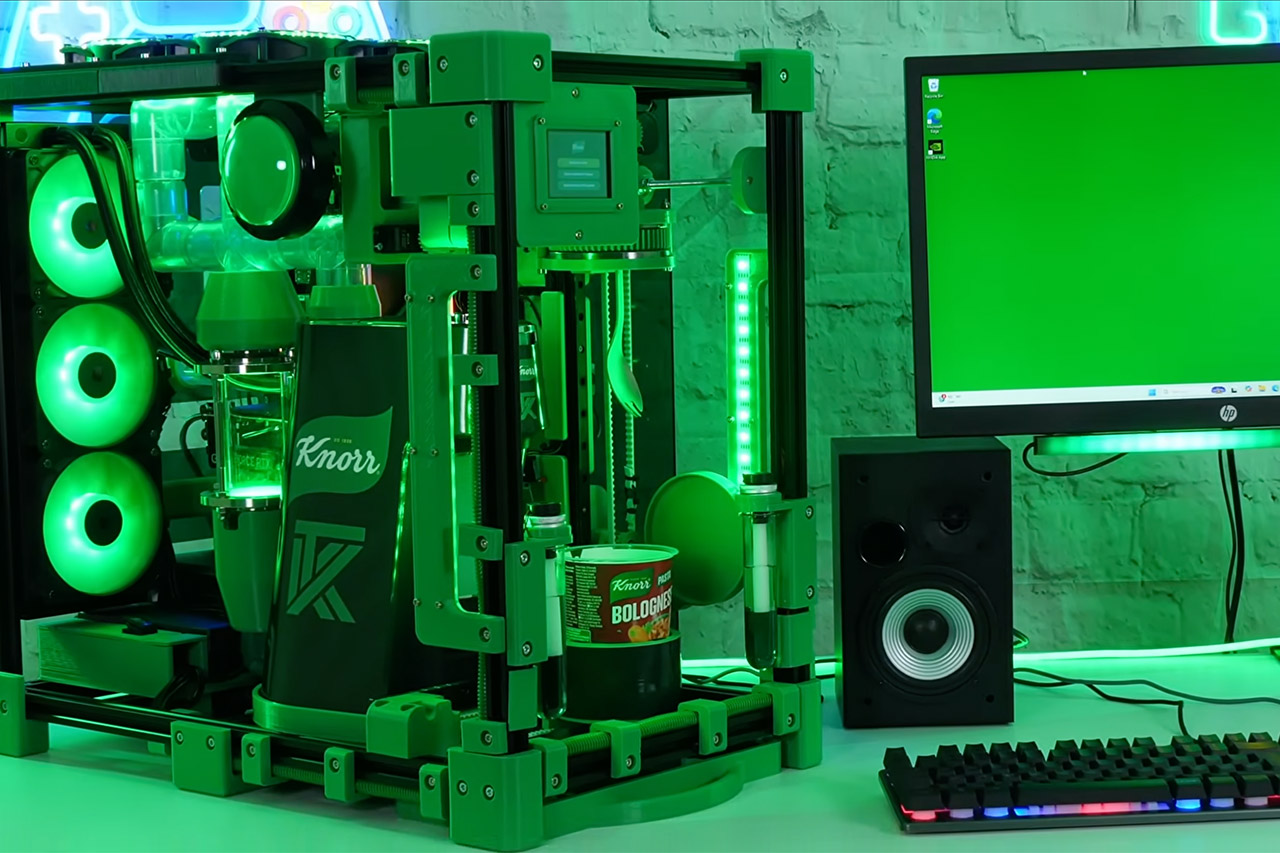
Engineer James Bruton likes to create everyday machines that would only exist in an alternate reality. His latest creation, the SnackSync PC, takes a standard gaming computer and turns it into a pasta cooker. It watches your game for those inevitable pauses, like when a level loads or a match ends, and gets dinner started in the background. By the time you catch your breath, a pot of steaming carbonara is ready, complete with a spork to dig in.

Photo credit: Veritasum
There is a quiet little corner of precision engineering where the roar of factories and the rumble of particle accelerators is miles away, a place where a tiny, gleaming silicon sphere sits at the center of all attention – the Avogadro Sphere. Made from a single isotope, silicon-28, it measures just under 4 inches across and weighs a precise 1 kilogram.

Humanoid robot researchers say we’ll be living alongside machines as if it were second nature, but a recent presentation in Moswcow reminded us that, more often than not, these promises are built on shaky ground. That was the case last week when AIdol – billed as Russia’s attempt at cracking the market for upright, thinking robots – made its long-awaited debut. For a fleeting moment, it looked as though this was going to be some kind of smooth first impression.

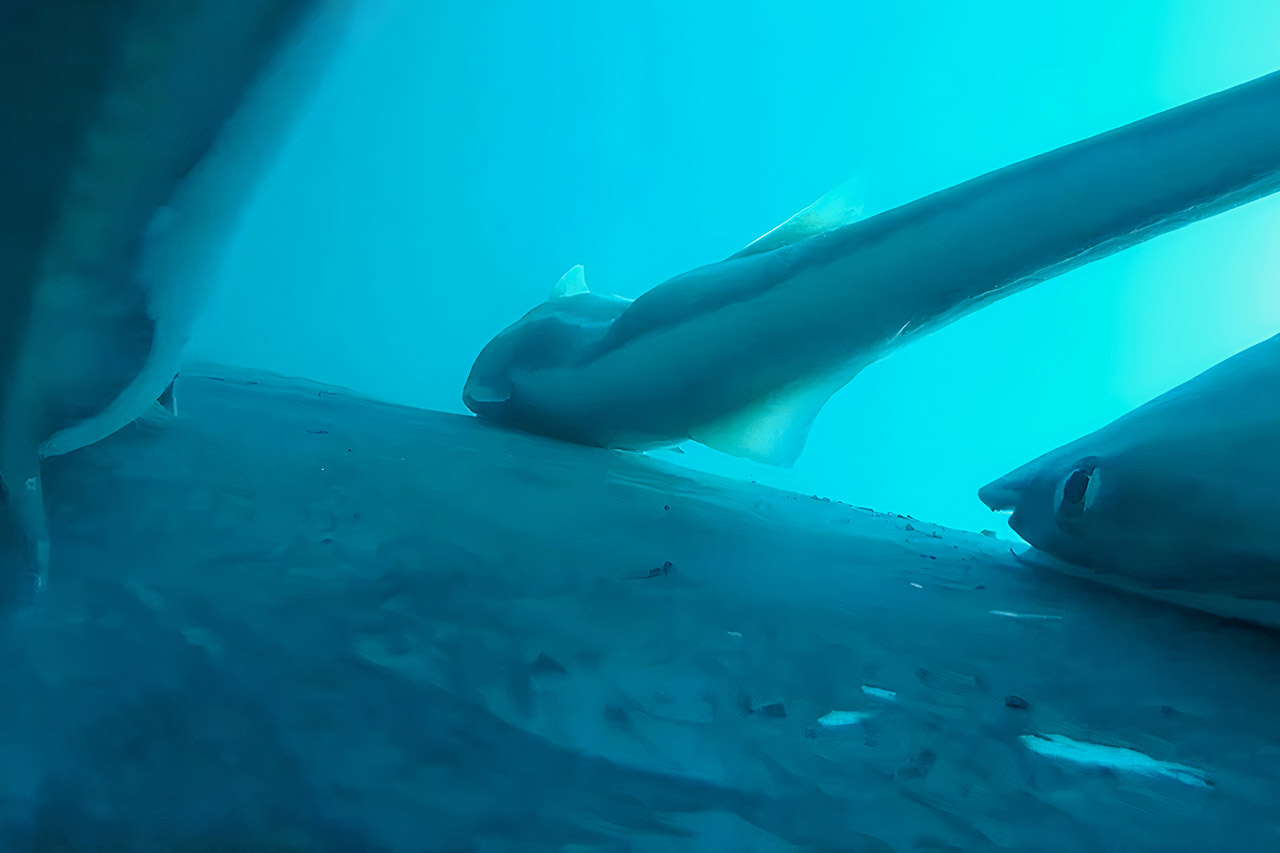
Dr. Olaf Meynecke just wanted to see humpback whales migrate. So, he attached small suction-cup cameras to their backs along Australia’s eastern coast to record feeding patterns and social calls on the long journey from Antarctica to Queensland. Instead, the lenses filled with fish.

Photo credit: BricksAndCanvas
On October 31, a Category 4 typhoon known as Kalmaegi devastated Cebu. By sunrise, the entire neighborhood was submerged in a murky brown slurry that smelled like a mix of diesel fumes and raw sewage. That neighborhood was home to a person who posts on Reddit under the username “bricksandcanvas”; he’d lost his house, his furniture, and, most importantly, almost his life. But three days later, he was able to dig out his iPhone 17 Pro Max from the dirt, and it was still functional.