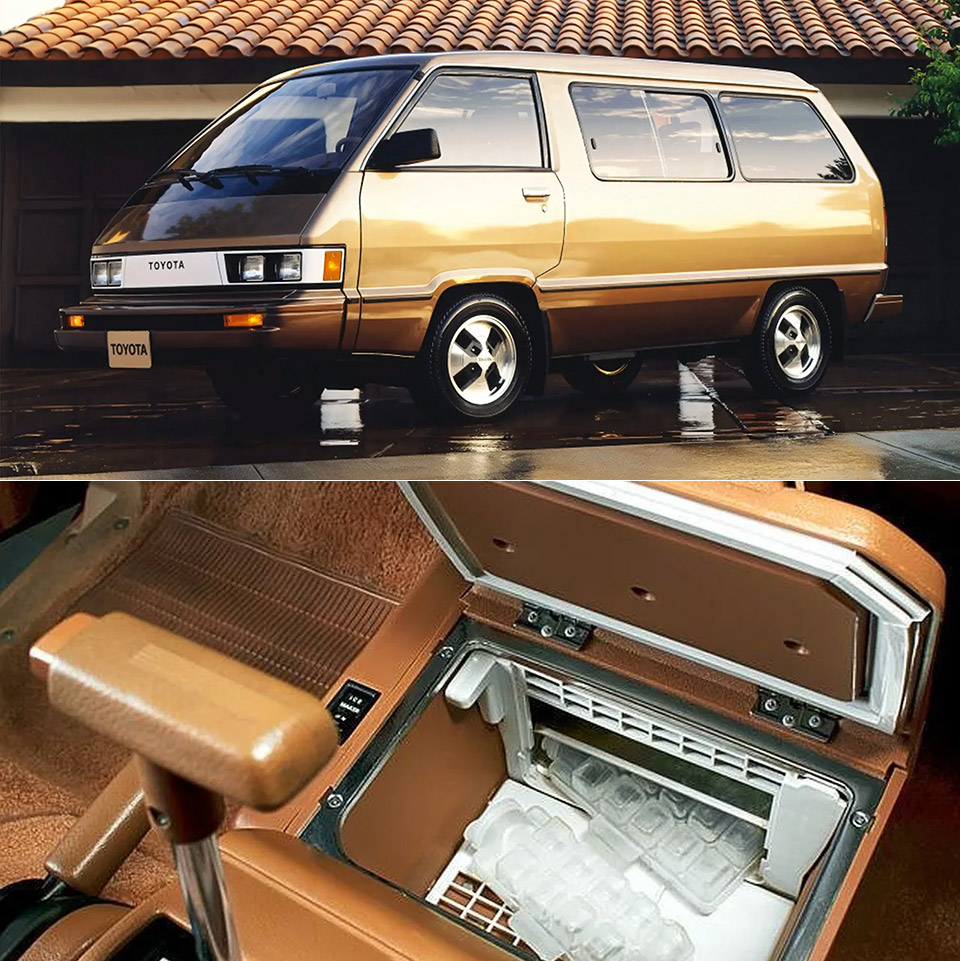
Back in 1991, Toyota offered something in select LiteAce minivans that still catches people off guard decades later. Between the front seats sat a console box that could chill drinks and freeze real ice cubes while the vehicle moved down the road. Most minivans from that era focused on basic space and reliability. This one added a practical touch few competitors matched.
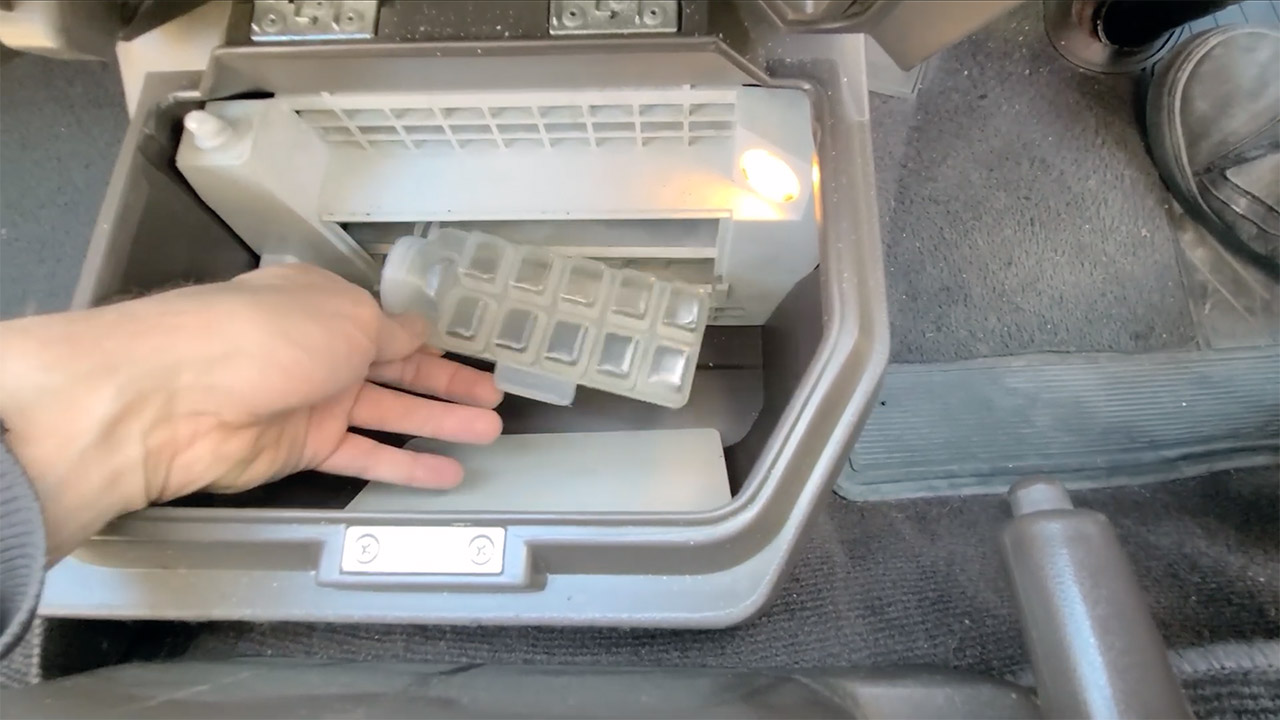
The LiteAce was part of Toyota’s long-standing line of practical compact vans and wagons built for everyday use. In regions such as Japan and Canada, as well as earlier North American vehicles offered as the Toyota Van, purchasers wanting for a little more may choose higher grades with some extremely nice amenities. The Cool & Hot Box was a highlight in this category. It carried around 6 cans in the main compartment and had a small designated space for freezing. The package included two ice trays. Owners would fill them with water, place them in, and the rest was taken care of.

- TOY CAR MODEL KIT– Boys and girls ages 9 and up create thrilling movie action by building one of the most iconic cars in movie history with the LEGO...
- FAST AND FURIOUS CAR – Fans will be delighted by the LEGO Toyota Supra sports car toy, which is packed with realistic details and authentic movie...
- ACTION-PACKED FEATURES– Builders assemble the 6-cylinder engine, steering, opening hood and removable Targa top roof, then recreate favorite Fast...
Cooling comes directly from the dual air-conditioning system that many of these vans were equipped with. The refrigerant just had to run across to the console to keep the trays cold, resulting in actual, solid ice cubes on long rides. There was no separate compressor, and it didn’t draw much electricity because it used the existing A/C system in an efficient manner. Simply turn on the climate control, as the ice maker works silently in the background. To top it off, it created frozen cubes rather than chilled air or ice from home.
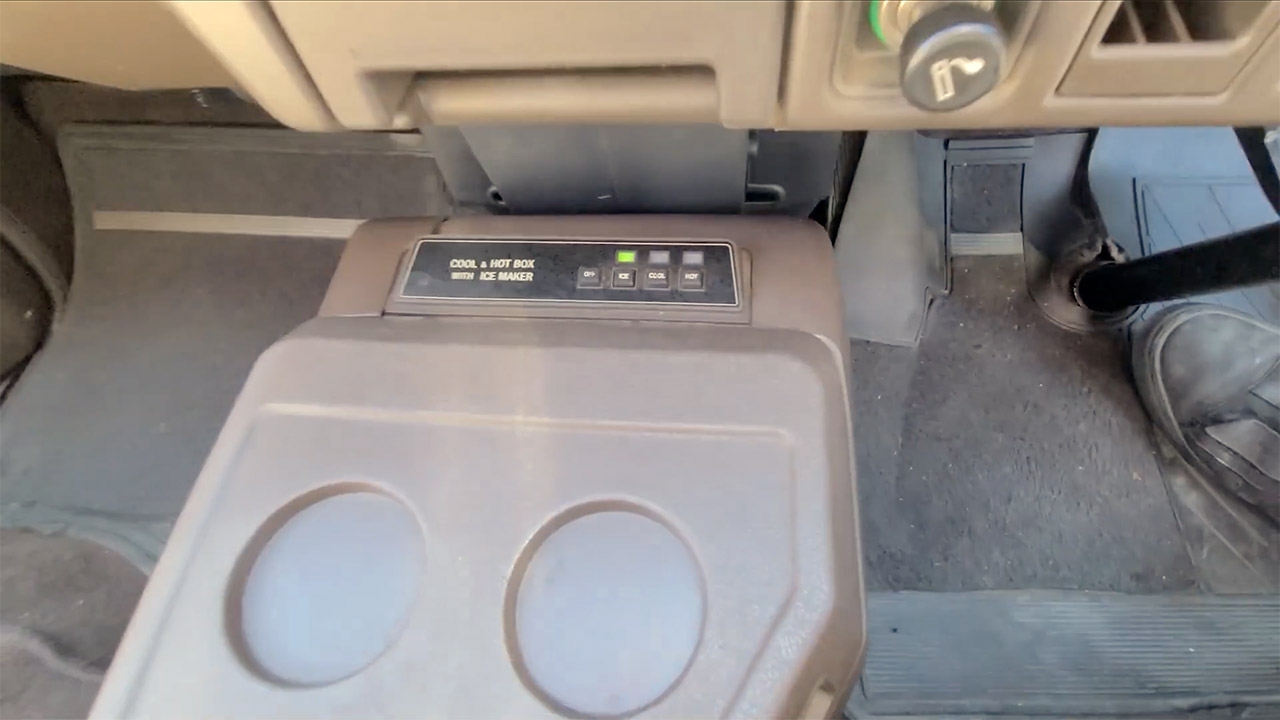
An OttoEx video on the feature’s daily use shows a cleaner 1991 example. The van is equipped with a 2.0-liter 3Y gasoline engine with fuel injection, an automated transmission, and part-time four-wheel drive. It also included locking hubs and a two-speed transfer case, allowing it to navigate off-road with ease. Inside, the seating arrangement was rather simple, with eight people spread across three rows. The van had a Toyota CD player and cassette deck for audio, and rear heating was available for added comfort. The console fridge was right between the front seats, and once the air conditioner turned on, you could sense how chilly it was.
The van was rather compact, measuring approximately 4070mm in length, 1650mm in width, and 2100mm in wheelbase, making it easy to park. Height varied based on the roof design, but was typically between 1765 and 1965 millimeters. It weighed between 1270 and 1440 kg, depending on how you specified it. Toyota provided smaller 1.5- and 1.8-liter gasoline engines, as well as a 2.0-liter diesel, some of which were turbocharged. At the end of the day, the goal was to make things basic and strong so they would be easy to service for years to come.
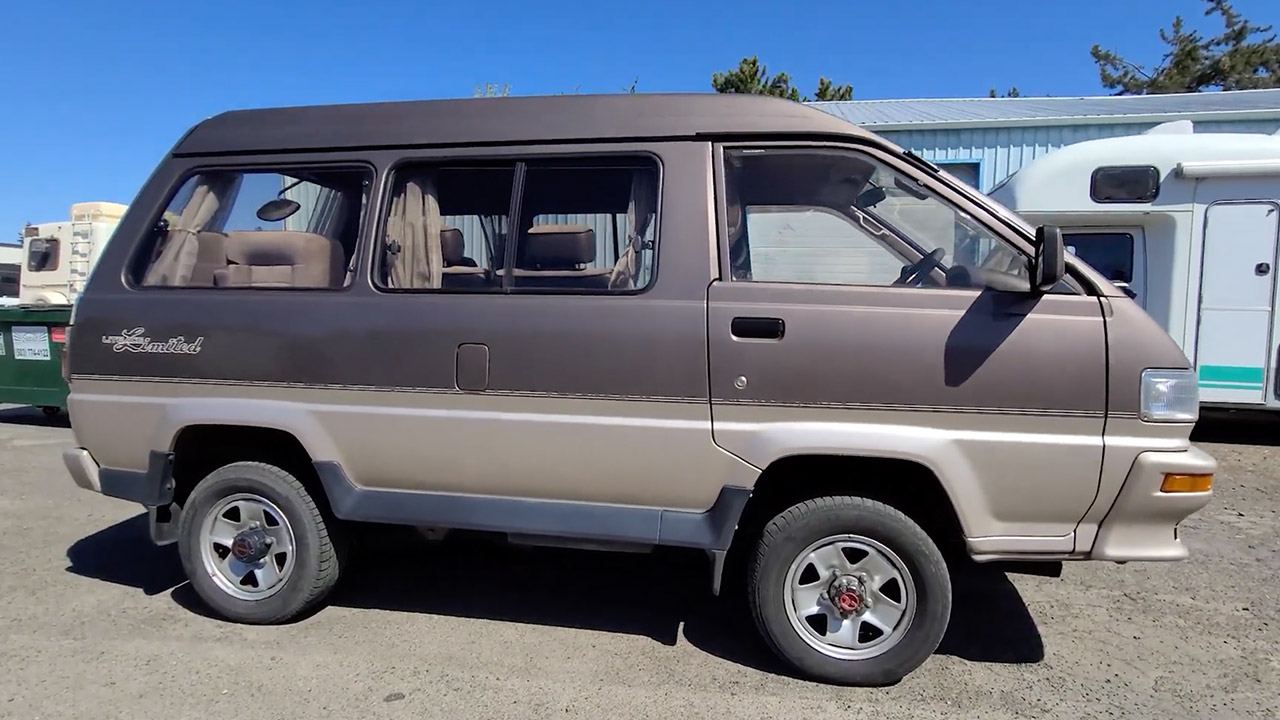
Before the Previa, the Cool & Hot Box was mostly an option on higher-end trims, specifically Japanese market wagons and certain North American Toyota Van models. It wasn’t on every LiteAce, mind you; many purchasers chose not to have it, and it was removed from US versions when the lineup changed. However, in other places, the option remained on higher-end Previa models for a little longer. If you’re lucky enough to come across one of these vehicles with the original console intact, it’s now a true collector’s item. Some people have even managed to extract entire units from Japanese models, which now retail for a few hundred dollars when they crop up.
[Source]