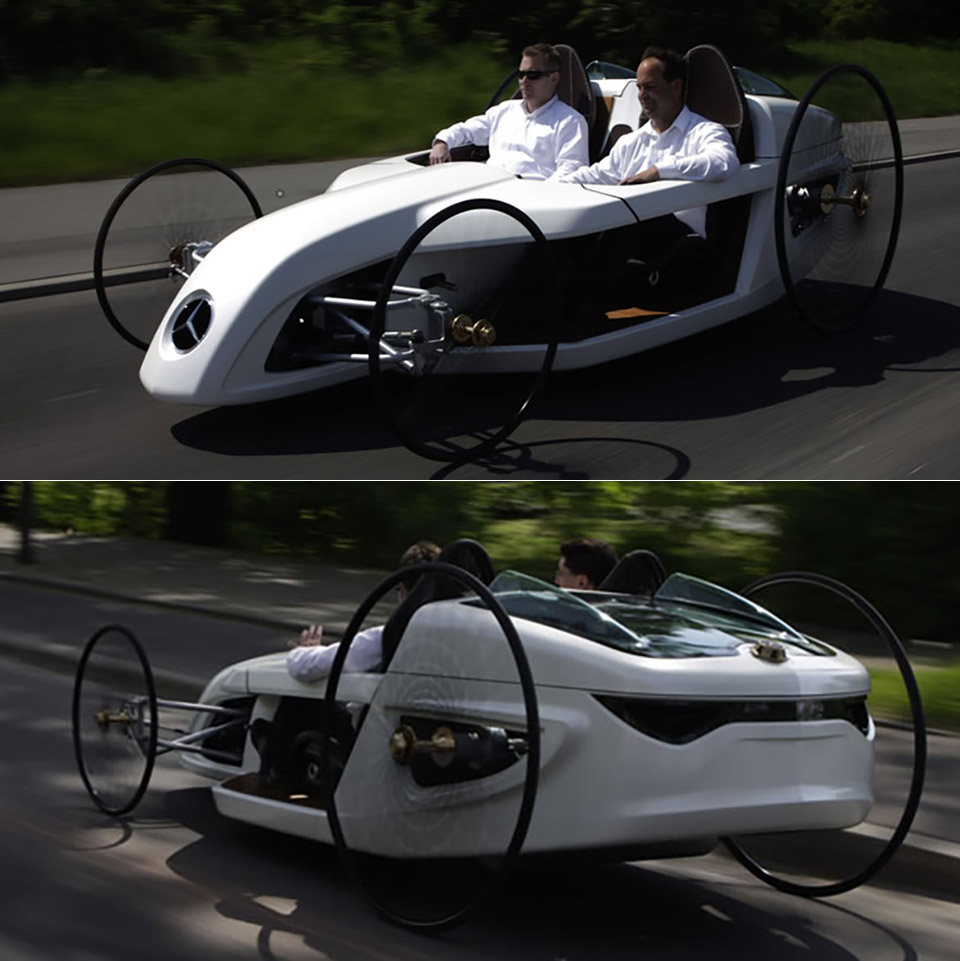
Mercedes-Benz has built empires on speed and elegance, but in 2009 they tried something completely different: the F-Cell Roadster Concept. Over 150 trainees at the Sindelfingen plant worked together to develop this one-of-a-kind vehicle, which highlighted the car’s rough origins. It was a bridge between ages; it hit the German roads not to establish records, but to follow in the footsteps of Bertha Benz, the lady who demonstrated that cars could go long distances.
Bertha Benz’s story is all over town; in 1888, she took her husband Karl’s Patent-Motorwagen, a clumsy three-wheeler with a single-cylinder engine producing less than one horsepower, and rode 66 miles from Mannheim to Pforzheim. She negotiated dirt lanes and cobblestone streets with her two teenage sons, stopping at pharmacies for gasoline and enlisting the help of a blacksmith to repair a broken chain. That voyage, the first long-distance automobile drive, transformed skeptics into believers and spawned an industry.

- 2 Mercedes toy cars for kids – LEGO Speed Champions Mercedes-AMG G 63 & Mercedes-AMG SL 63 vehicle playset for boys and girls ages 10 and up and...
- 2 driver minifigures – Each buildable vehicle toy comes with a driver minifigure wearing a Mercedes outfit so kids can role-play fast-paced races
- Authentic Mercedes design – Each collectible car model features design details from the real life versions, including front grilles, hoods, wheels,...
A century later, Mercedes engineers retraced a portion of her path, from Mannheim via Ladenburg and Heidelberg to a symbolic stop in Wiesloch, where Bertha once purchased ligroin from a chemist. The F-Cell Roadster drove those same miles in April 2009, its soothing hum mirroring her desire. Dr. Thomas Weber, Daimler’s then-head of research, described the drive as a display of pushing boundaries, much like Bertha’s hatpin and garter elastic fixes.
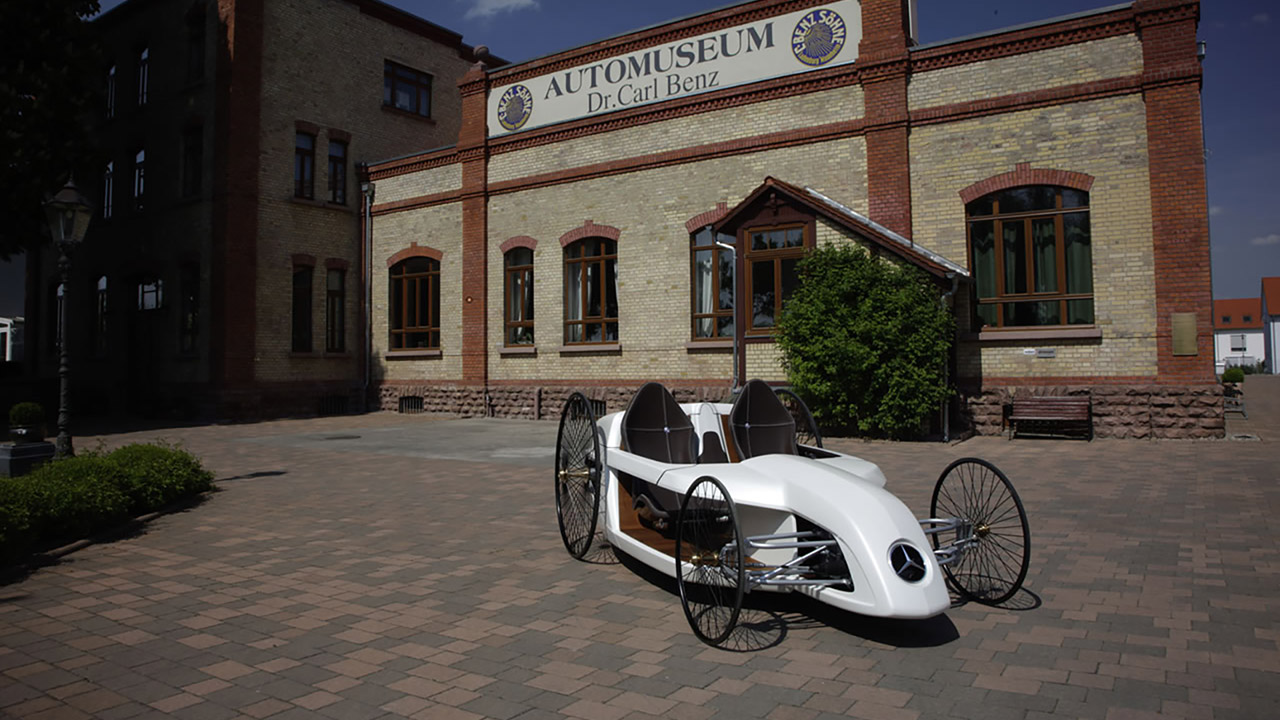
This is one of the few concepts that combines yesterday’s simplicity with tomorrow’s clean dreams. The Roadster’s body is composed of fiberglass and designed after Formula One pieces; it’s low and open, exposed to the wind like an old-school beach buggy. Large spoked wheels from the Mercedes vintage playbook grip the ground with deliberateness, while the frame pays homage to the original Motorwagen’s three-wheeler attitude. Inside, two carbon-fiber bucket seats wrapped in hand-stitched leather provide just enough comfort for two, but the main surprise is on the dash: no wheel, just a joystick to maneuver. This drive-by-wire setup turns every turn into a game of subtle pulls and nudges, a far cry from the tiller Bertha fought. Weighing in at less than 800 pounds, the entire thing feels frail yet purposeful, like a rolling sculpture created by apprentices who learnt as they went.
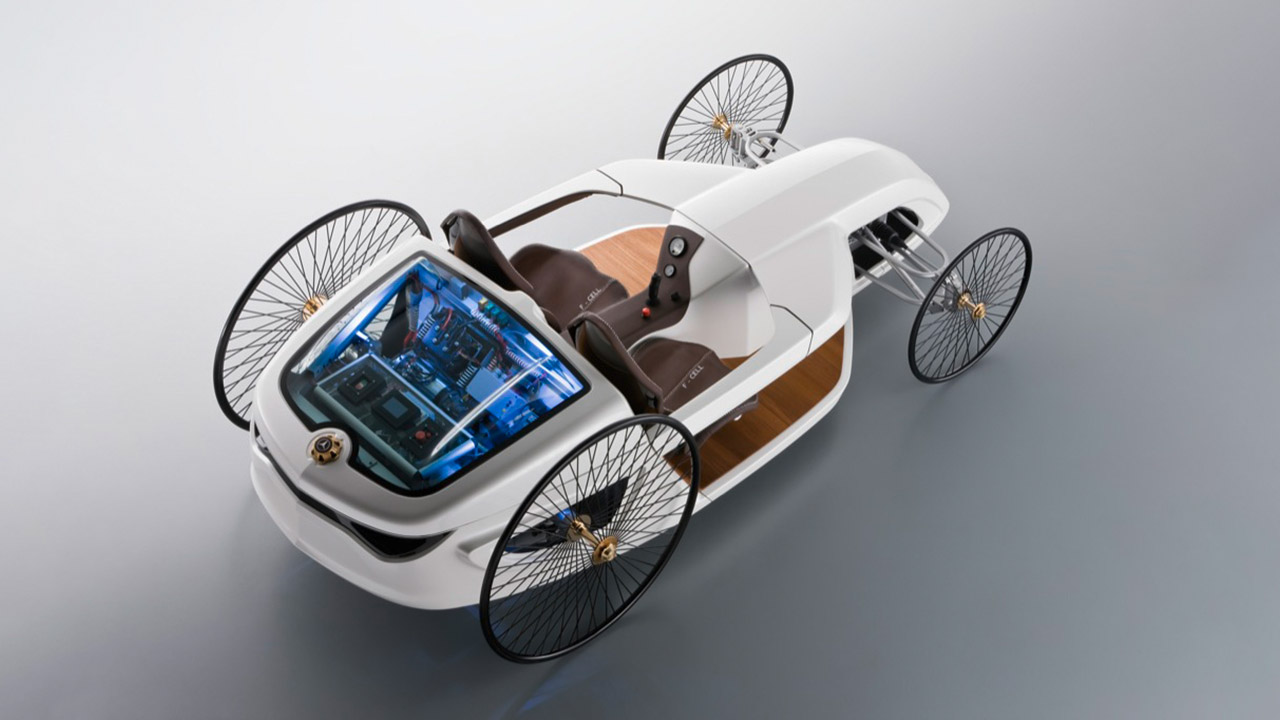
A hydrogen fuel cell buried away in the back generates 1.6 horsepower, enough to get the Roadster “moving” at speeds of up to 15 mph. The acceleration is slow, but it’s appropriate for the plodding feel of the vehicle. But the true highlight is its range: up to 217 miles on a full tank of compressed hydrogen. Since there are no emissions coming from the tailpipe, all you receive is a nice breath of water vapor in the midst of that grimy tailpipe-strewn streetscape. Mercedes had previously experimented with fuel cells, but this specific setup was a hands-on experience, with a group of mechatronics and electronics trainees working on it. The integrated hydrogen tanks are incredibly small and enable for faster refills than a battery charge, but filling stations were still few even then. Given the world’s rush to electric dominance, the Roadster discreetly suggests that hydrogen may still have a place in the game, particularly for the long hauls Bertha pioneered.
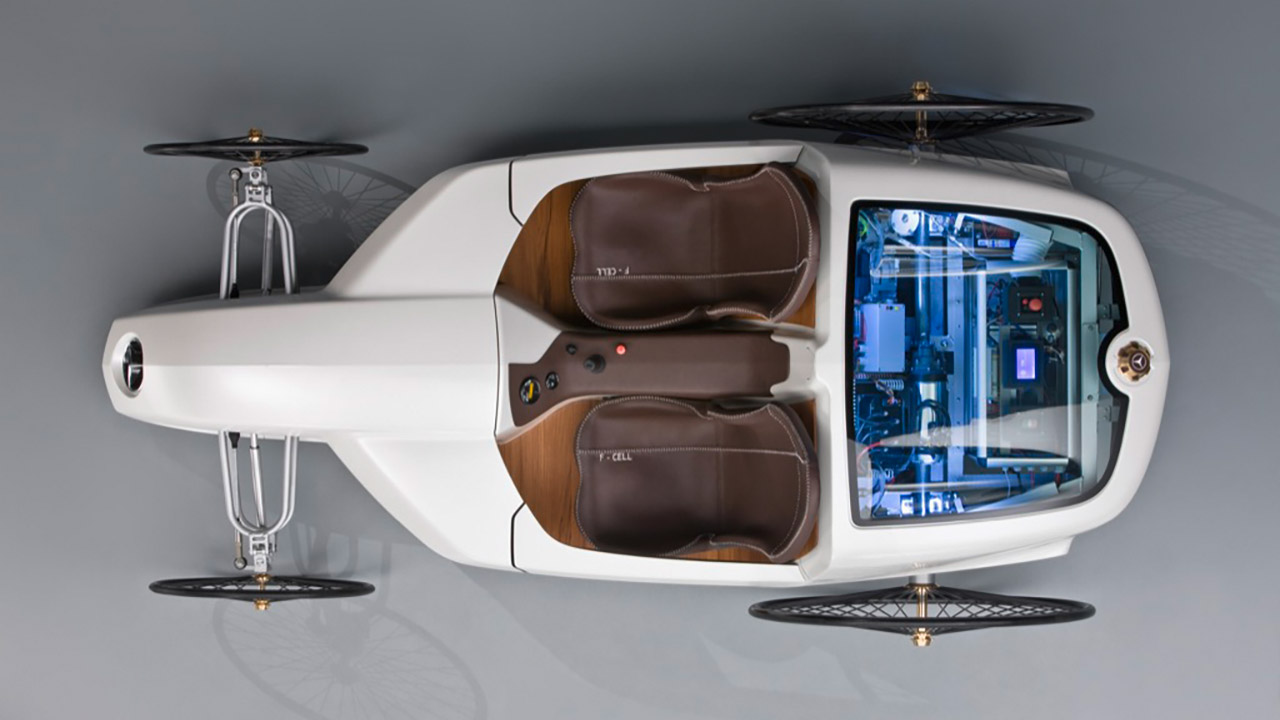
The massive wheels, which appear to be right at home on an early Benz racer, just roll over current asphalt. Meanwhile, the open cockpit allows the wind to rush in and the aroma of the fields to flow over you, making the experience highly immersive. The joystick requires your attention…but if you give it precise inputs, you get the sensation that you’re in on a secret that the car is telling you. Because it lacks doors and a roof, everything feels more raw; the road is there in front of you, and you can feel it. People at the time thought it was too slow for the showroom, but in an era of wild prototypes, the Roadster has a distinct vibe going on; it’s content to let history unfold at its own pace.
[Source]