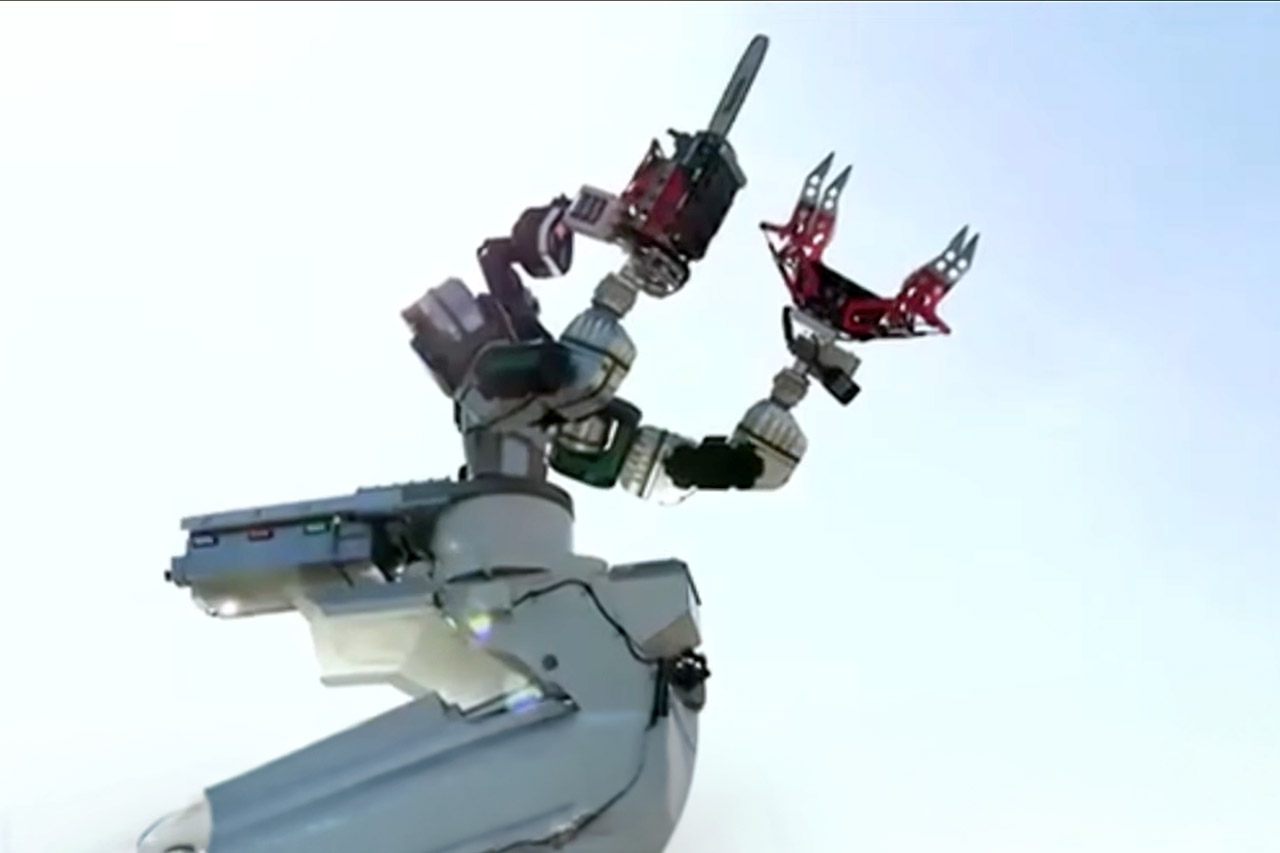
Near Nobeyama Station on the Koumi line in Nagano Prefecture, a humanoid robot mounted on a special vehicle extends its arms toward tree branches hanging over the tracks. One arm ends in a multi-pronged claw that grips the wood. The other carries a chainsaw that cuts through the growth, sending pieces falling clear of the rails below.
In March 2026, JR East added these awesome heavy railway machines to its maintenance fleet. To start with, they can cruise into a job on the road like any other vehicle, or swivel over onto the rails, all without requiring someone to climb into a dangerous basket near live electrical wiring. The operators stay safe on the ground or burrow down in an air-conditioned cab while guiding the machine through all of the live feeds it gives back from its camera; there is no need to get up high and risk a serious fall.

- ACTION-PACKED FUN TIME: Bring out your inner super hero with this exciting mechanical machine. Our step-by-step instructional manual ensures a deeply...
- DEVELOPS KEY SKILLS: Reduce screen time and boost confidence and creativity with 100% screen-free engagement. As kids build their own toys, they learn...
- FREE PARTS LIFETIME: Enjoy hassle free fun with all parts included, plus a lifetime supply of replacement parts. Easy-to-follow instructions make...
It all started with some work that JR West had been performing, and they began rolling out similar robots in 2024 under the moniker ZIZAI, which basically translates to “free to roam.” The series was created by Nippon Signal and some additional collaborators, including Jinki-Ittai. The new ZX-3 model with two arms is just amazing. It has a 15-meter mast, is significantly lighter and more compact than previous generations, yet packs just as much punch to get the job done. One arm is dedicated to clearing vegetation, the other to cutting through whatever needs to be removed. Meanwhile, a single arm type can easily switch out hefty overhead line components weighing up to 120 kg.
We’ve all seen what happens when trees or branches go too close to the tracks, causing trains to get battered or snagged, or, in the worst-case scenario, creating some hazardous conditions during a heavy wind. The old method of getting rid of problem plants was to send somebody up to deal with them on a high platform near live wires, which was not exactly the safest job in the world. With robots taking over, people can stay safe while still getting their jobs done. JR West believes that by automating some of the more difficult elevated activities, they will be able to reduce the number of humans required by up to 30%.
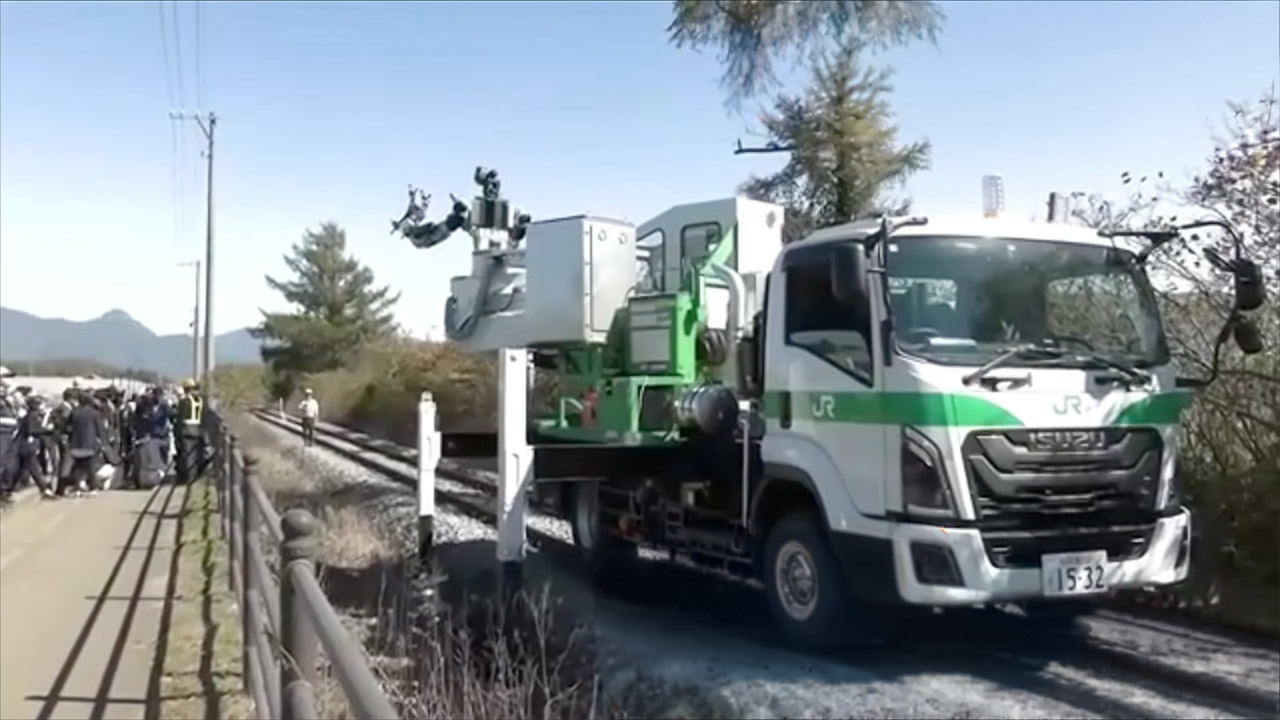
Traditionally, the guys would leave after the last train of the nite to perform some maintenance, leaving the rails open for the day. But, with fewer new bloods entering the trade and the lads who are already there all preferring to work daylight hours, things are getting a little complicated. They have to do more work during the day now. On the Koumi line, they even removed a few trains from the schedule for a few days so that the machines could work during the day. Passengers are getting a better look of the devices, which JR East hopes will help people understand why the line sometimes shuts down for a short period of time.
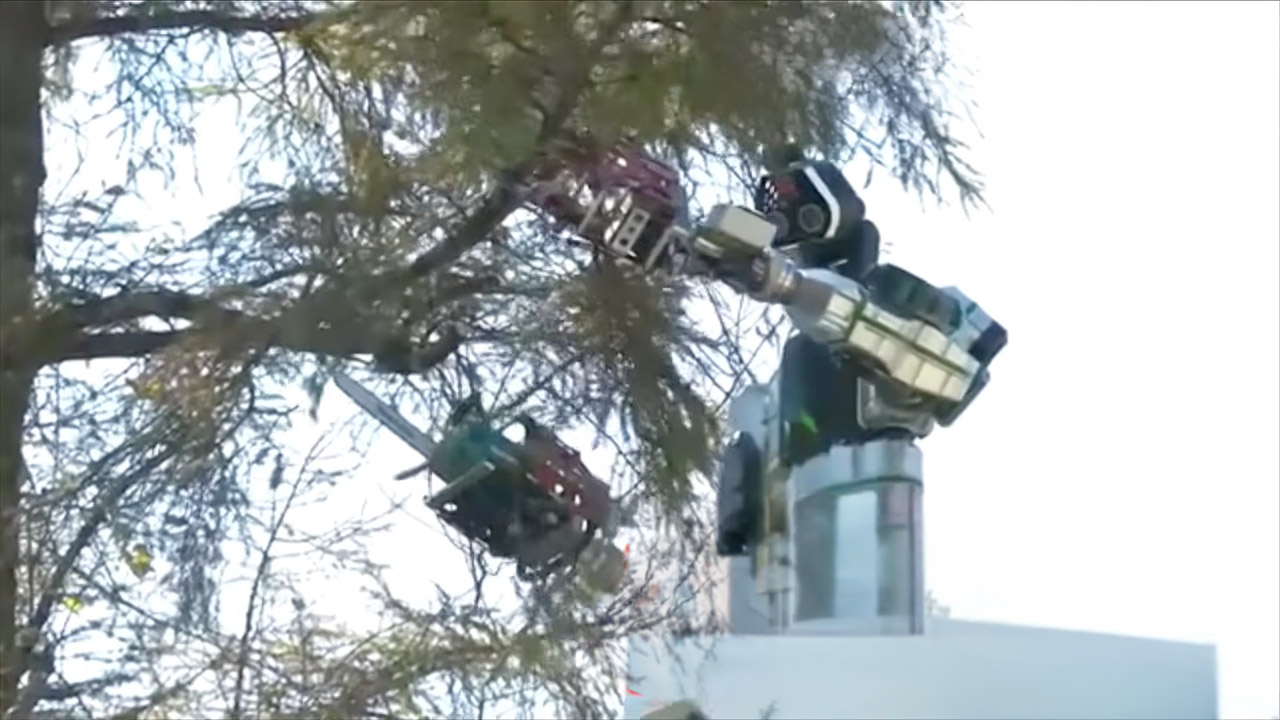
Future tool swaps on the same arms could handle painting, cleaning, or inspections. For now the chainsaw and claw combination focuses on keeping vegetation from interfering with the steady flow of trains that Japan’s network is known for delivering day after day.
[Source]