Amazon, the company that changed retail, is now dipping its toes into the vast expanse outside of Richland, Washington. Here, among the sagebrush and Columbia River, the company is getting into nuclear with a project that will power its data centers. The Cascade Advanced Energy Facility is the centerpiece, a collection of small modular reactors (SMR) that will produce power without fossil fuels.
Energy Northwest, a group of public utilities based in the Pacific Northwest, is on the ground. They partnered with Amazon to build up to a dozen of these next-gen units by the early 2030s. Amazon gets first crack at the output from the first 320-megawatt slice, enough to power a small city. The rest goes to the grid or back to Amazon’s operations to fuel the servers that process all those queries. X-energy, the company building the reactor cores, is the one that brought the design: the Xe-100, a pebble-bed design that replaces massive cooling towers with something much more compact.

- 40% Smaller & Lighter Portable Charger: Powered by the industry’s first TinyCell high-density battery technology, this ultra-compact 10,000mAh...
- 45W Pro Speed Portable Phone Charger: This 45W fast charger boosts an iPhone 17 Pro Max to 76%, a Galaxy S25 Ultra to 84%, or an iPad Pro to 60% in...
- Detachable Cable for Multiple Devices: Unlike a standard portable charger with built in cable that becomes useless if the cord breaks, INIU's 0.4ft...
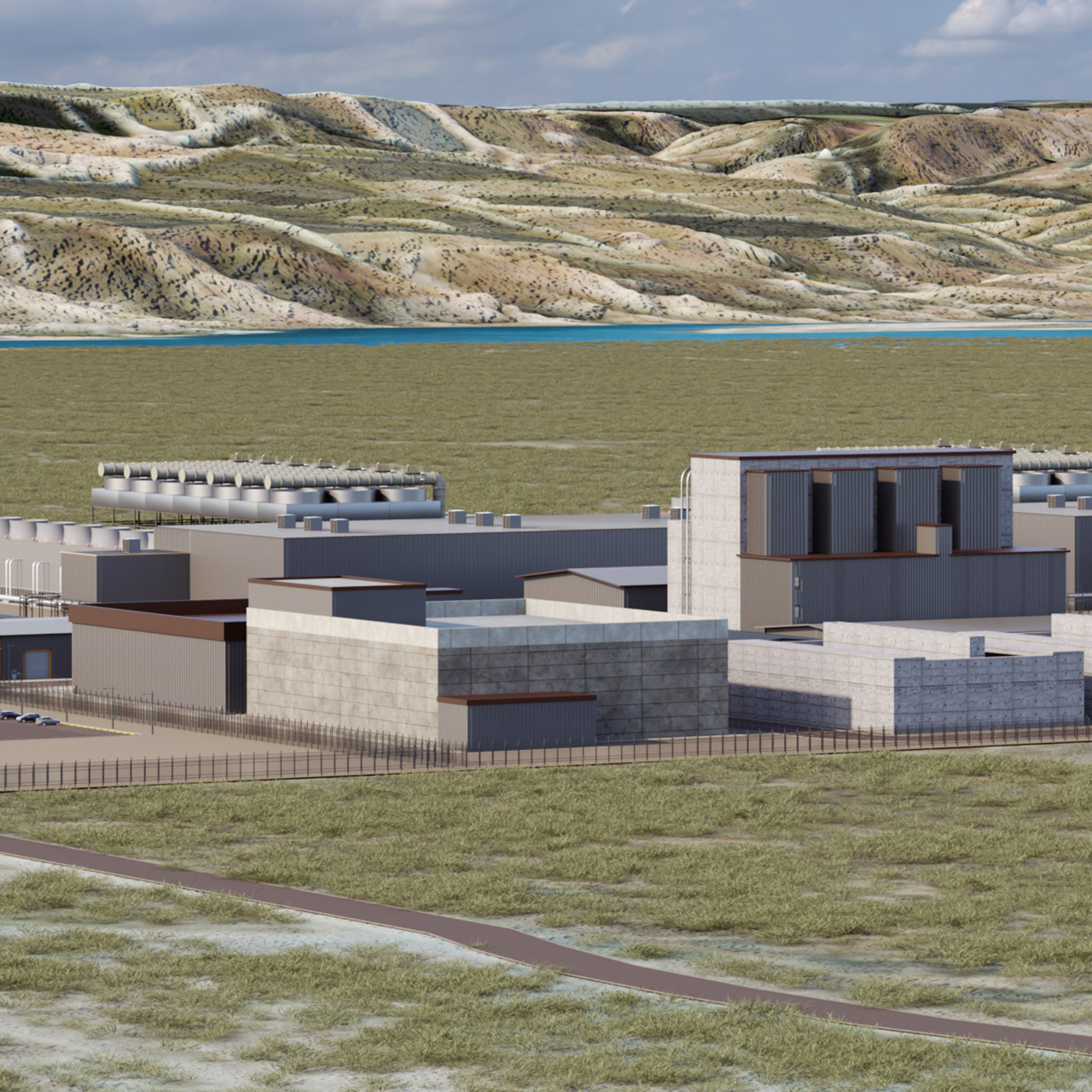
Cascade is located on a plot of land near the Columbia Generating Station, near the Shrub-Steppe Desert, an existing nuclear facility operated by Energy Northwest. Renderings show a clean arrangement of low-slung buildings with flat roofs against the hazy horizon. Steel frames rise in rows, surrounding the center of the operation—a reactor module no bigger than a warehouse.
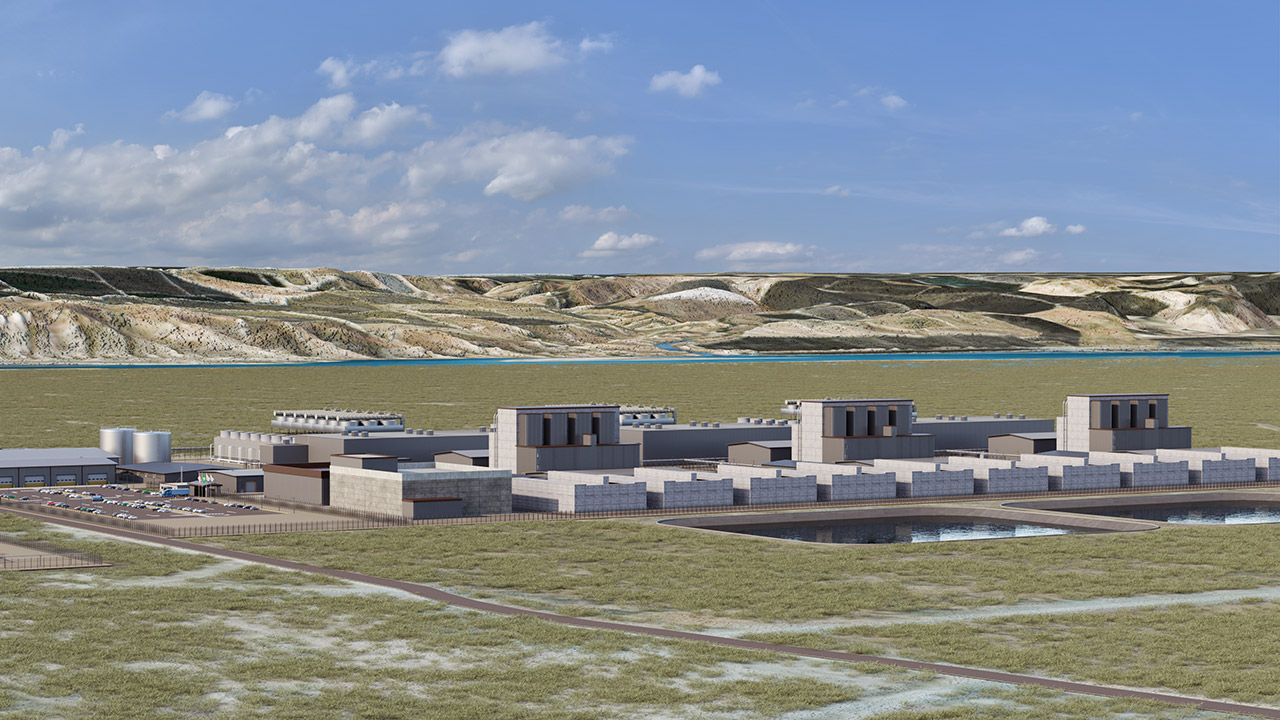
Turbine halls stretch alongside, their shapes like industrial parks rather than the massive monsters of old nuclear facilities. Security gates and access roads form the perimeter, with parking lots strewn like afterthoughts. Sunlight glints off what will soon be a self-contained power island crammed within a couple city blocks.
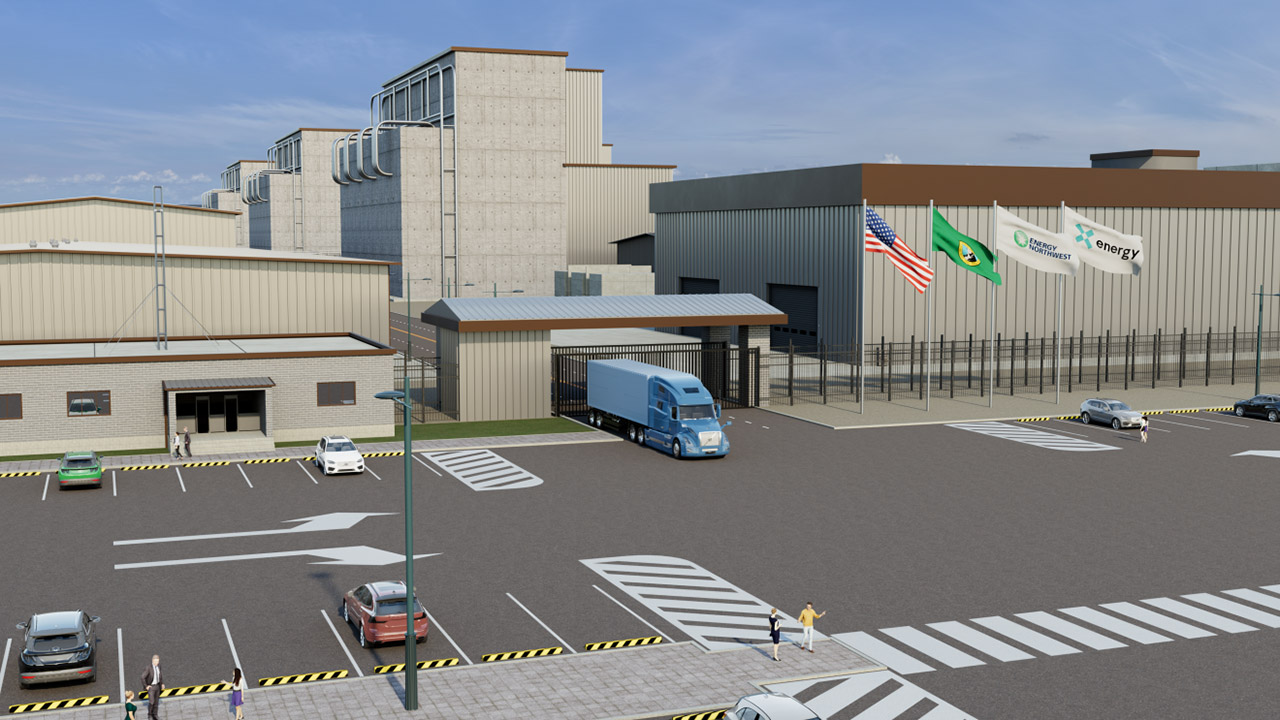
Traditional nuclear facilities require more than a square mile to generate a gigawatt of power. Cascade has 960 megawatts in a quarter of that—three modules, each 320 megawatts, that work together to power 770,000 homes. The setup, according to X-energy engineers, consists of reactors constructed in factories, carried out like large cargo, and slotted into place like puzzle pieces. Lower upfront expenses and shorter timescales mean no decade-long issues with custom builds. Amazon’s investment here is a gamble on that promise, with funds flowing through its Climate Pledge subsidiary to move the technology from the design board to the ground.
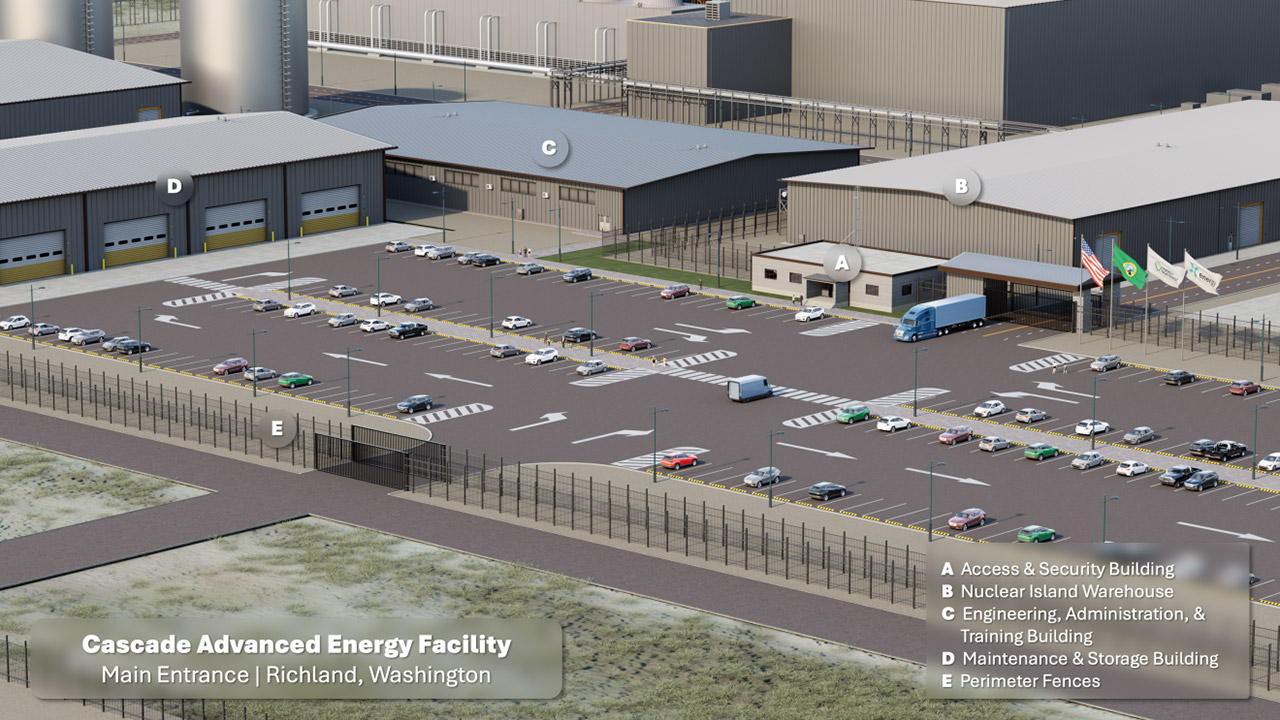
Groundbreaking occurs late this decade after officials examine safety filings and environmental studies. Full operations will begin in the 2030s, coinciding with Amazon’s push for energy to fuel AI’s voracious need. Amazon’s sustainability leader, Kara Hurst, describes it as a win-win situation: emissions are reduced, and grids gain a reliable supply base. J. Clay Sell, CEO of X-energy, says Amazon’s investment has brought in expertise and refined the Xe-100. Deals with South Korean corporations such as Doosan Enerbility and Korea Hydro & Nuclear Power will bring more than 5 gigawatts to the United States by 2039, enough to power 4 million households.