Vigier Ciment has been producing cement in the Jura foothills, just south of Biel, Switzerland, for about 150 years. Their activity continues without interruption, producing around one-fifth of the country’s cement. Over 1000 humming machines deep within the aging buildings require constant maintenance because they can wear out, overheat, leak, or have structural issues, among other things.
The majority of these checks used to be performed by maintenance workers, who would trudge about the plant filling up paper logs as they went. The pricey sensors they were utilizing only covered roughly 200 assets, the majority of which were on the clinker side. The machines are spread throughout three mills on various floors, with some only accessible via 16 flights of rickety steel stairs where you’d continuously bang your shoulders against the handrail. Then there are portions that are a little too dusty, temperatures that often reach 50 degrees Celsius, crowded quarters, and the occasional odor of ammonia near the unloading bays. Over time, such high levels of exposure begin to dull your senses, and plant workers refer to this as “operational blindness.”

- 【Next-Generation Robotic Companion: Meet the Unitree Go2 Robotic Dog】 The Unitree Go2 X is a powerful and intelligent quadruped robot designed for...
- 【Intelligent Navigation with 3D LiDAR & Obstacle Avoidance】 Featuring ultra-wide 3D LiDAR with 360°x96° perception, the Go2 X detects obstacles...
- 【High-Definition Vision & Seamless App Integration】 A front HD camera streams 1280x720 video to the app. Control the robot, view real-time data...
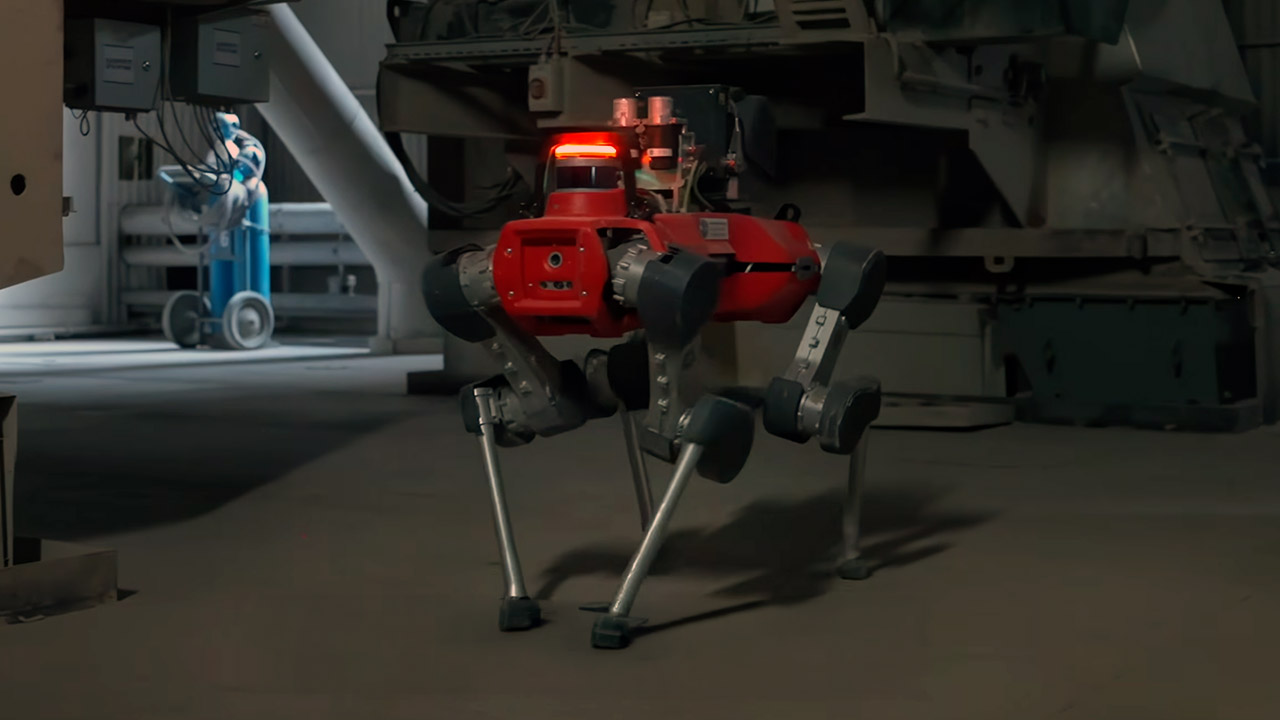
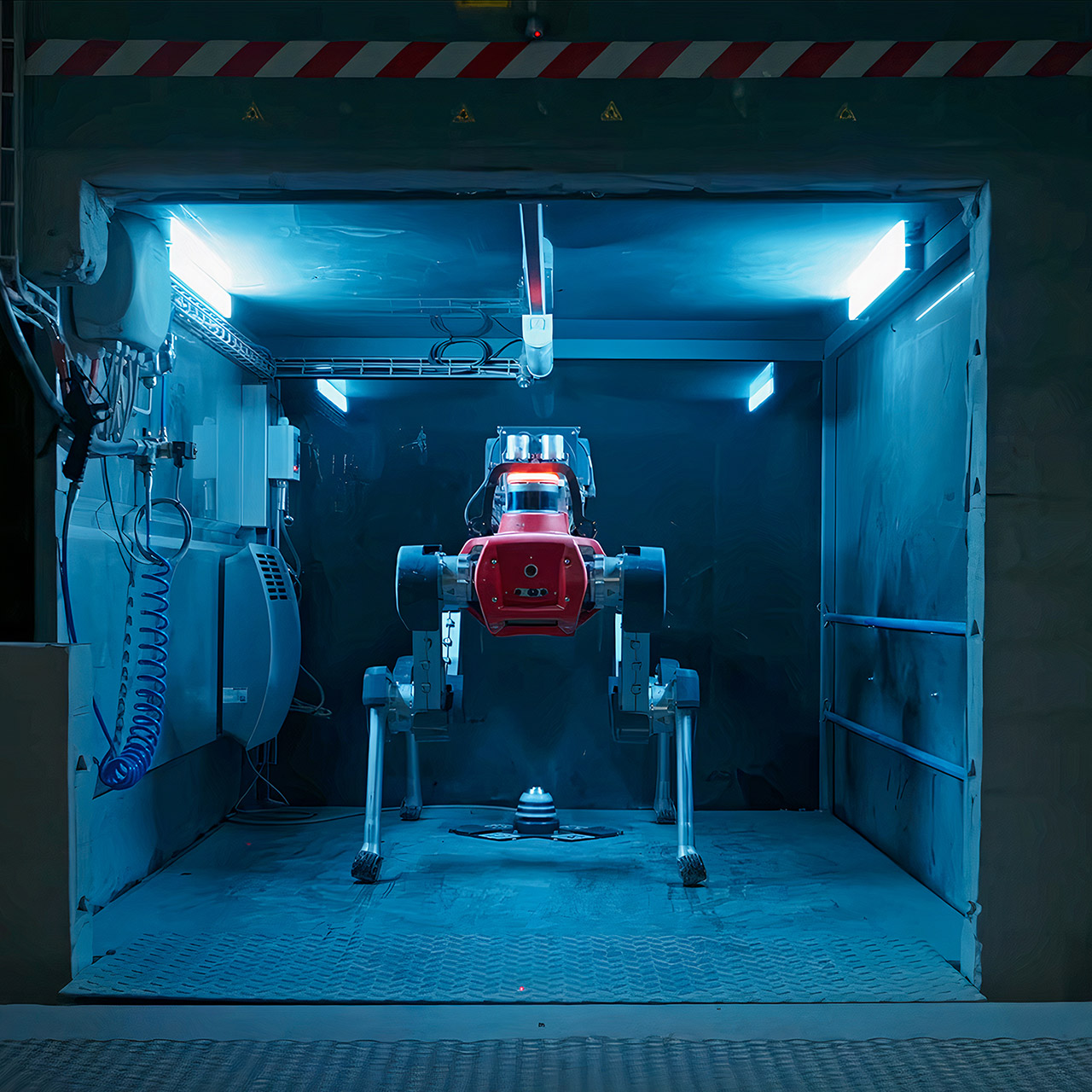
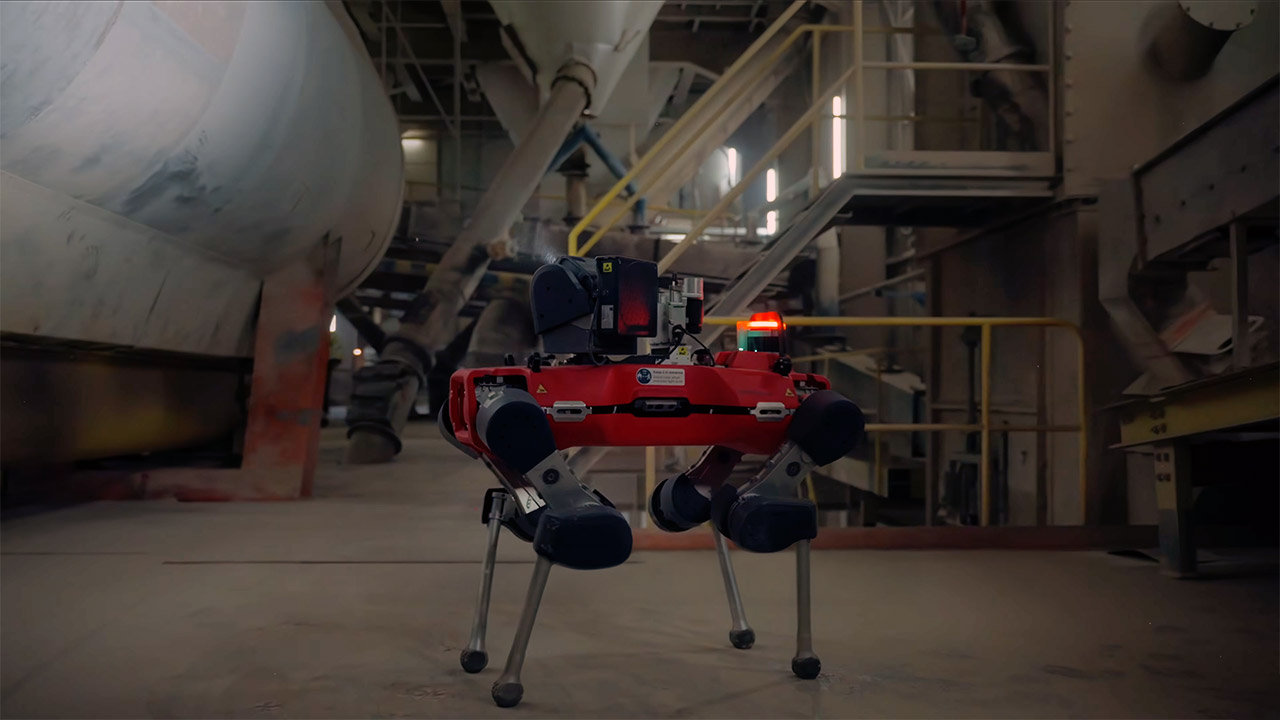
ANYbotics started talks with the plant in November 2024, and the four-legged robot came on January 6th of the next year. By the end of the first month, it could conduct fully independent night patrols. ANYmal is around the size of a large dog, weighs more than 50kg, and has just its own sensors, eliminating the need for constant human supervision. It has been confronting the same stairwells, filthy floors, and sweltering environments that used to scare human workers. Every night, including weekends, the robot inspects over 450 predefined inspection points over three mills and six levels, conducting over 33,000 inspections in sixteen months without missing a beat.
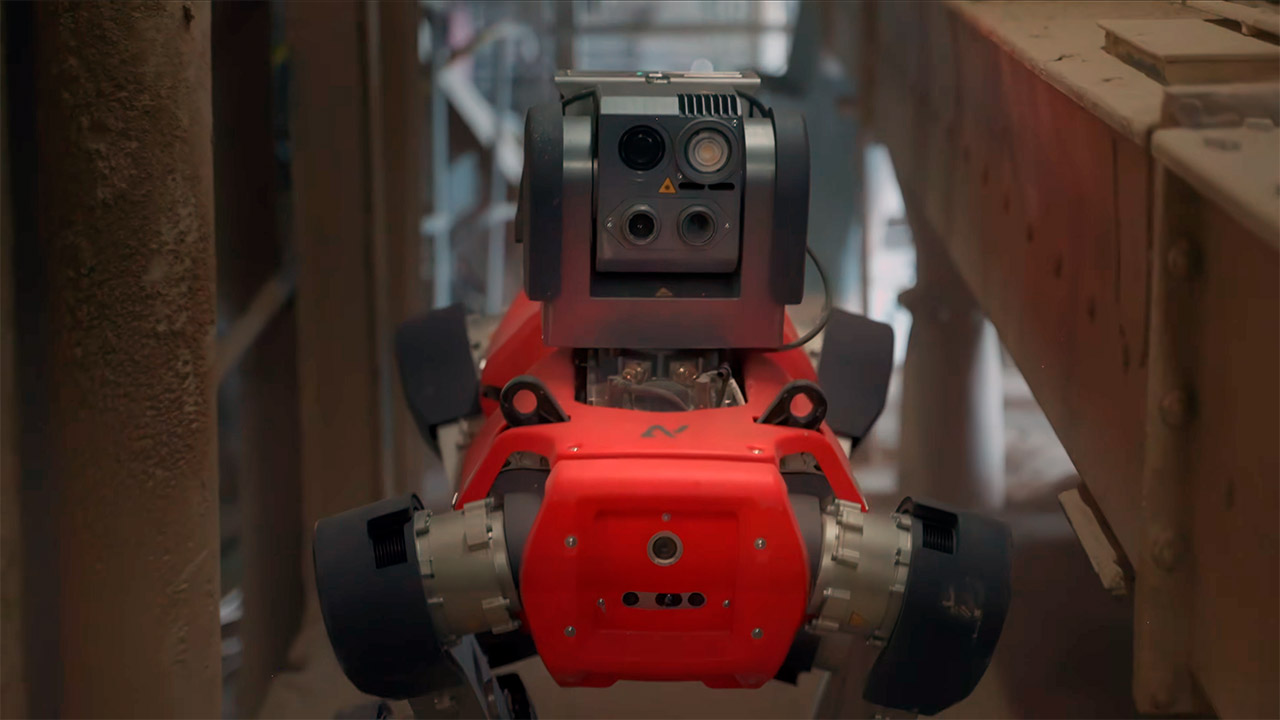
ANYmal carries a few instruments on each patrol, including a visual camera that takes a picture of whatever it’s looking at and highlights any fractures or leaks, as well as a thermal camera that measures the temperature of critical components like bearings, which can get extremely hot. It also includes a gas sensor that monitors ammonia levels and an acoustic camera that can detect air leaks in seals and filters up to 50 meters away. All of that data is sent into a Data Navigator program, which sorts out the routes it takes, examines the measurements overnight, identifies any significant anomalies, and generates a daily report for the maintenance team to review the next morning. That report distills all of the random findings into obvious trends and warnings that capture their attention.
One of the first true wake-up calls was a crack in the crusher foundation the size of a large kitchen table. The oil had been quietly leaking out of there for who knows how long, and no one had noticed it when they walked by every day. The robot detected the fault, and after reporting it to the ground team, repairs began immediately, with the task completed the next day. If everything had crumbled at that point, it would have been an absolute disaster. They would have lost a week or more of work and experienced a decline in production that would have cost them more than $500k, and that’s just the beginning. The robot was also presenting early warning indicators, such as bearings that were running far hotter than they should have been, at 140 degrees Celsius in one example. That provided the workers just enough time to schedule an 8-hour repair job that cost them $30k and would actually increase production in the long term.