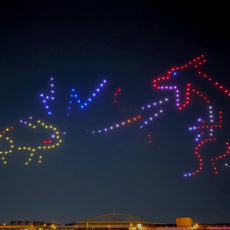

These autonomous vision-based drones by the UZH Robotics and Perception Group think for themselves thanks to clever AI—likely a mix of one kind that spots things around them and another that learns the best ways to race. They have to react in a split second to stay on track and not crash. This test is a big deal because it’s one of the first times two drones like this have raced against each other indoors, in a place like a theater with dim lights and tight rules for safety.
Unlike drones that lean on GPS or external sensors, these use cameras to “see” and process their surroundings. Think of it like a self-driving car, but faster and in 3D airspace. They’re running real-time computer vision algorithms to map the environment and plan their paths. Racing in a theater is hard—the lights are low, so it’s tough for cameras to see clearly, and there’s no GPS inside to help. The drones probably use a technology called SLAM (Simultaneous Localization and Mapping) to make a map of the room as they fly, all while speeding along.

- Due to platform compatibility issue, the DJI Fly app has been removed from Google Play. DJI Neo must be activated in the DJI Fly App, to ensure a...
- Lightweight and Regulation Friendly - At just 135g, this drone with camera for adults 4K may be even lighter than your phone and does not require FAA...
- Palm Takeoff & Landing, Go Controller-Free [1] - Neo takes off from your hand with just a push of a button. The safe and easy operation of this drone...