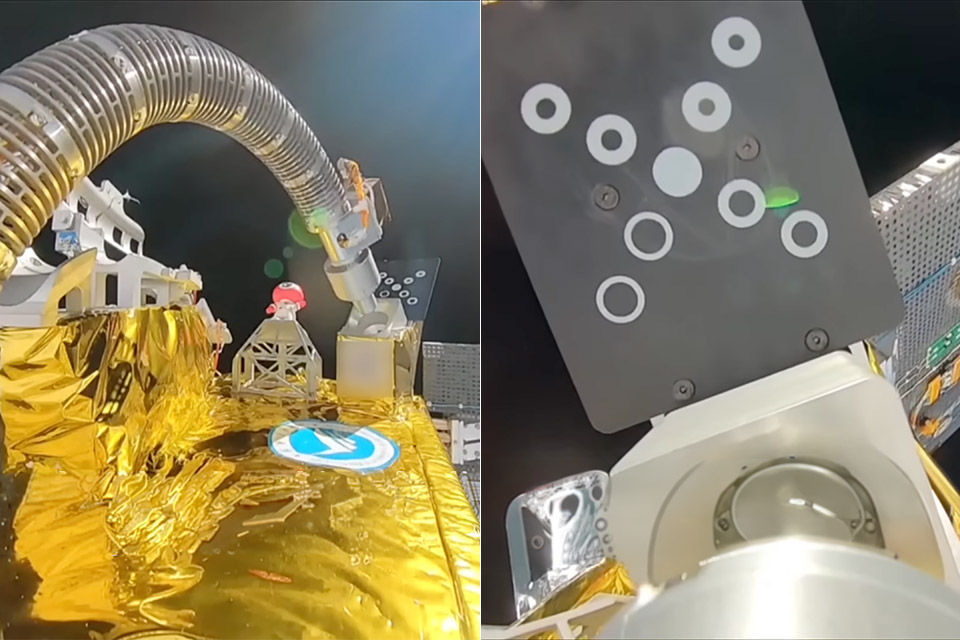
Last month, engineers at a Chinese startup successfully launched a gigantic 57-foot robotic arm into space, and its performance has really impressed thus far. The arm is capable of handling the precision work required to maintain satellites operational for an extended period of time, and it has already demonstrated this without any major issues.
It is attached to the xiyuan-0 satellite, which was launched into low Earth orbit on March 16th using a Kuaizhou-11 rocket. Following that, it performed a full range of activities on the satellite, culminating in a successful docking simulation and demonstrating that the entire system works as designed.

Unitree G1 Humanoid Robot(No Secondary Development)
- Sleek & Durable Design: Standing at 132cm tall and weighing only approx. 35kg, the G1 is constructed with aerospace-grade aluminum alloy and carbon...
- High Flexibility & Safe Movement: Boasting 23 joint degrees of freedom (6 per leg, 5 per arm), it offers an extensive range of motion. For safety, it...
- Smart Interaction & Connectivity: Powered by an 8-core high-performance CPU and equipped with a depth camera and 3D LiDAR. It supports Wi-Fi 6 and...
This robotic arm is not designed like the stiff, jointed equipment found on the International Space Station. Instead of hinges and elbows, it employs a chain of tubular segments resembling springs, threaded with cables to provide the necessary flexibility. The motors are located inside the satellite body, tugging on the wires to cause the arm to curl, twist, or bend in an almost infinitely flexible manner. All of this means that the arm is as light as a feather and can pinpoint its tip with astonishing accuracy even as the satellite and its target speed through space at almost 16,000 miles per hour.
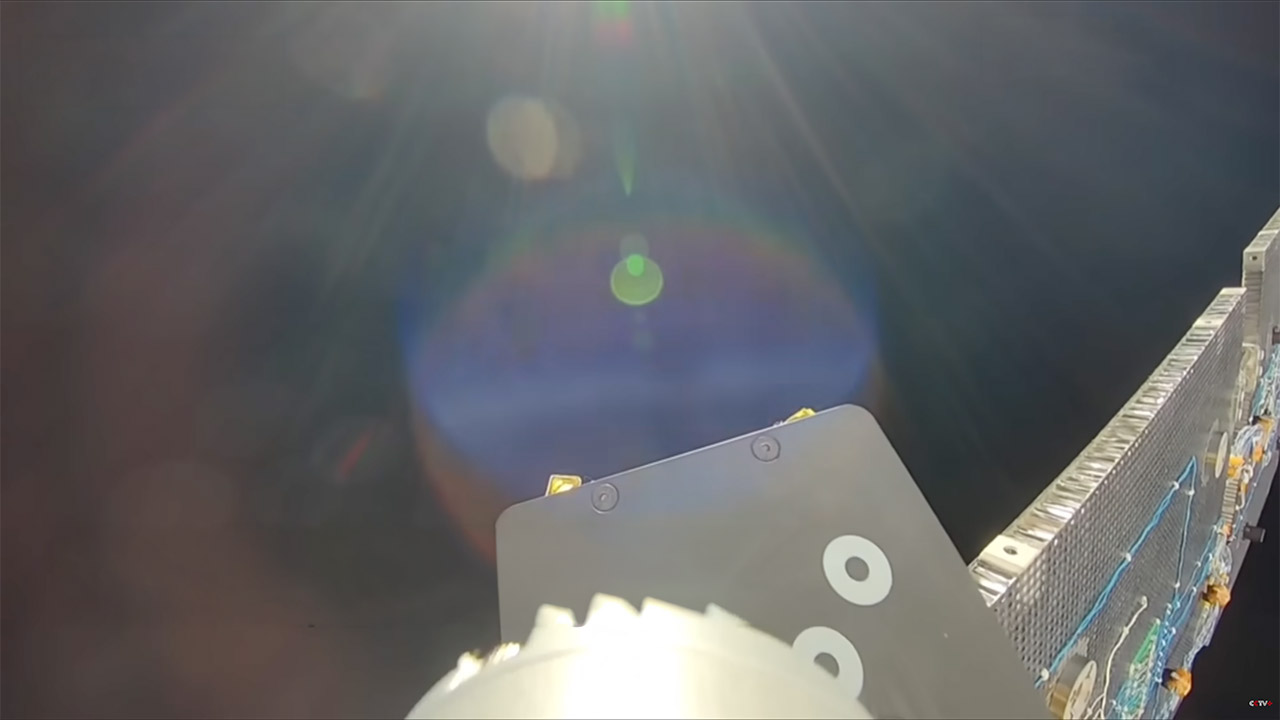
The developers were inspired by the anatomy of an octopus, which can wrap itself around objects, squeeze into tight areas, and alter its hold without using stiff joints. They effectively duplicated the same smooth, continuous motion in the space arm, and the hollow core even accommodates fuel lines and equipment. The rear drive system also shields the motors from the harsh radiation and temperature variations that would occur in orbit.
Over the next few weeks, the ground crew put the arm through four different tests, and it passed them all with flying colors. First, the arm planned its own trajectory and moved into position for docking without requiring any user intervention. Then they used a hand controller to steer it while watching live feeds from cameras, and then they let it use its inbuilt cameras to find the target port and line everything up on its own. Finally, they conducted a test using force sensors on the tip to determine how gently it could make touch without delivering too much or too little pressure.
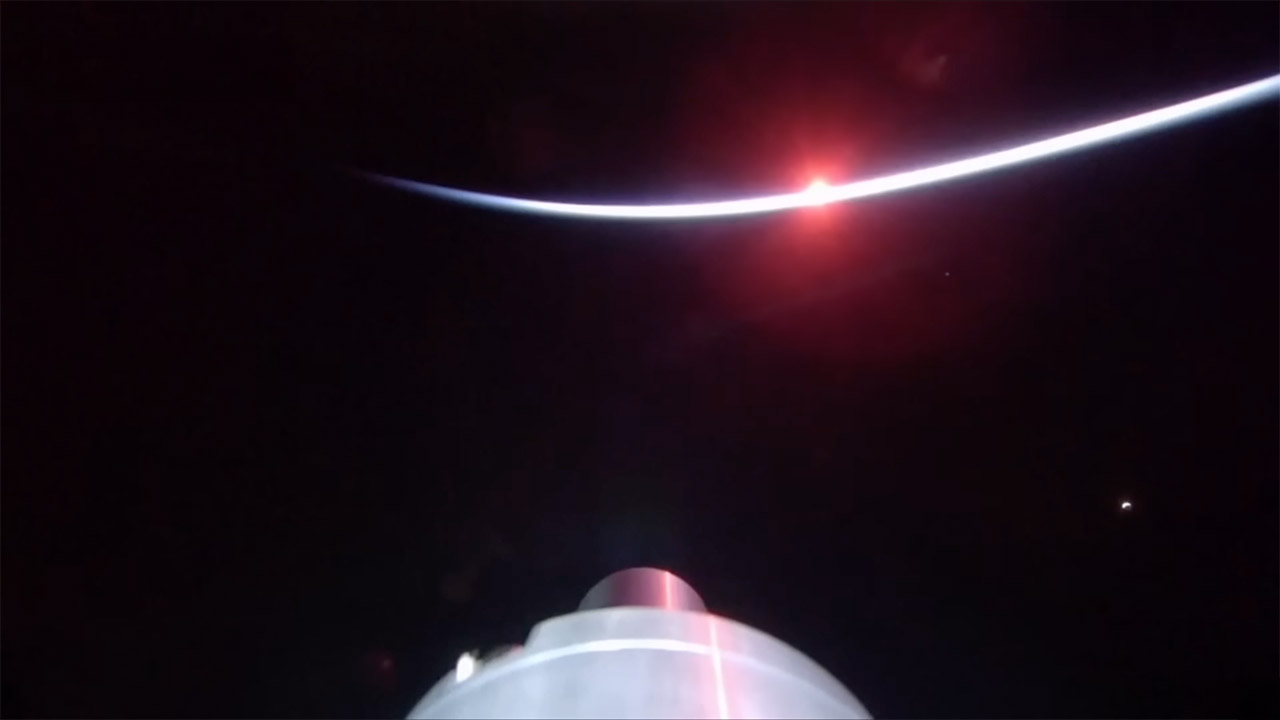
Every test was successful, and the arm even managed to imitate fuel transfer in orbit by connecting its nozzle-like tip to the satellite’s refueling port. The satellite footage shows the arm stretching and curling in a fluid manner before coming to a stop with no unpleasant jerks or misalignments.
Satellites typically run out of fuel after a few years and either drift around or burn up when they re-enter the atmosphere, but this arm provides a viable way to top up the fuel tanks, swap out faulty components, and clear small pieces of debris while keeping the entire thing in orbit. That has to be a good thing: less clutter on Earth and reduced expenses for those who operate our communications, weather tracking, and navigation systems.
[Source]