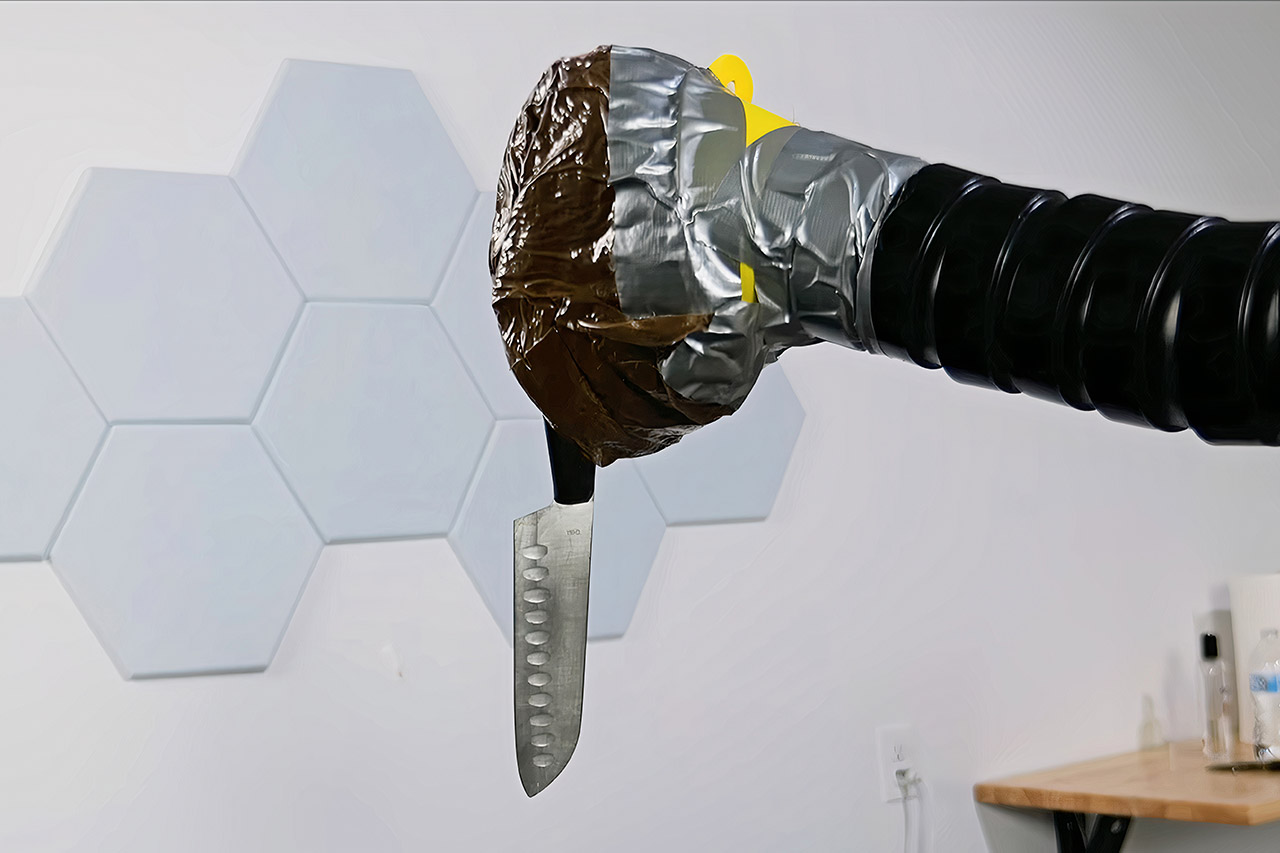
A soft bag filled with ordinary ground coffee can pick up scissors, a light bulb, a raw egg, a roll of tape, or a wooden block without cameras, force sensors, or complicated software. Press the bag against the item, suck the air out, and the whole thing locks into a solid grip that holds firm until the vacuum is released.
Researchers at Cornell University, the University of Chicago, and iRobot first drew attention in 2010 with their concept for a universal gripper, which was named after its capacity to handle objects of vastly various shapes and sizes. The Action Lab demonstrates the same approach operating very effectively more than a decade later. A latex balloon or similar membrane is filled with coffee grounds, attached to a robot arm, and connected to a simple vacuum pump.

- BREW BY THE CUP OR CARAFE: Brews both K-Cup pods and coffee grounds.
- MULTISTREAM TECHNOLOGY: Saturates the grounds evenly to extract full flavor and aroma in every cup, hot or cold.
- BREW OVER ICE: Adjusts temperature for maximum flavor and less ice melt for single-cup iced coffees and teas.
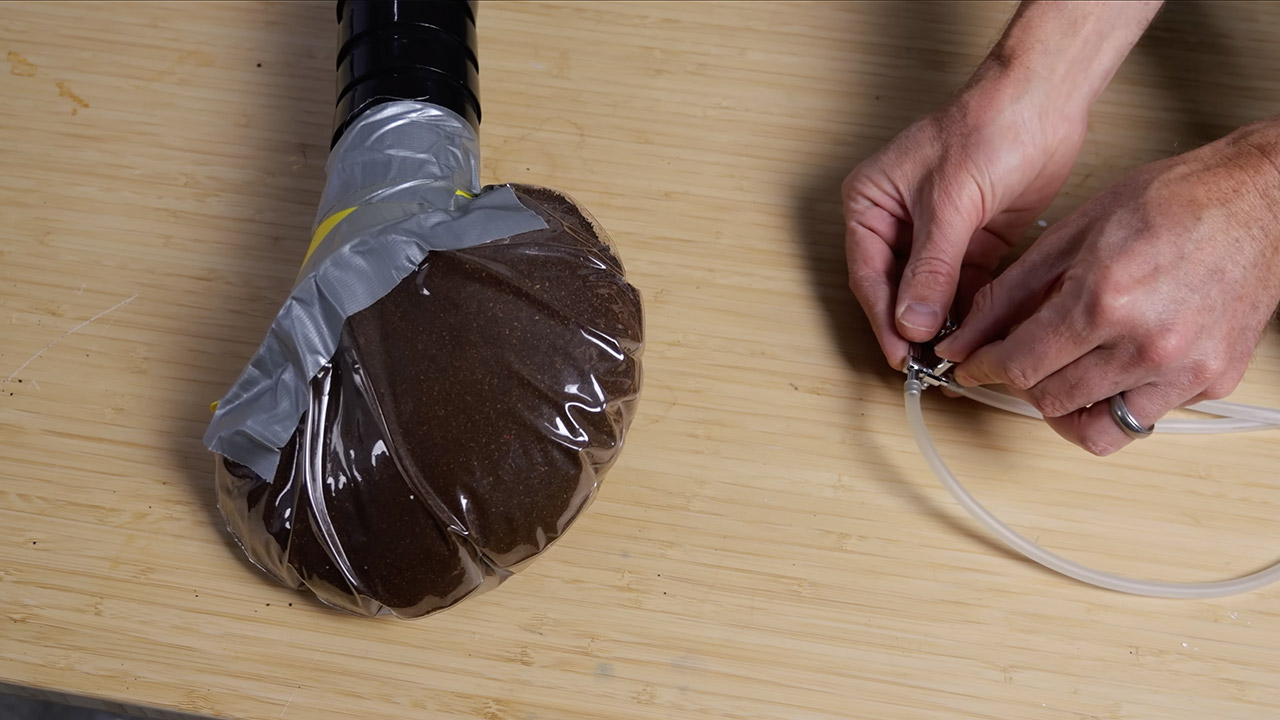
Loose coffee grinds behave similarly to liquids in that they flow and spill around everything they come into contact with; however, removing the air causes the grains to become more tightly packed. They no longer spread past one another and instead create contact chains that transfer force throughout the entire mass. The membrane shrinks only slightly, yet even this minor alteration is enough to transform the bag from a soft, loose entity to a solid that matches the shape of whatever object it’s resting against. The remaining work is done by friction, the geometry of the object, and surface contact.
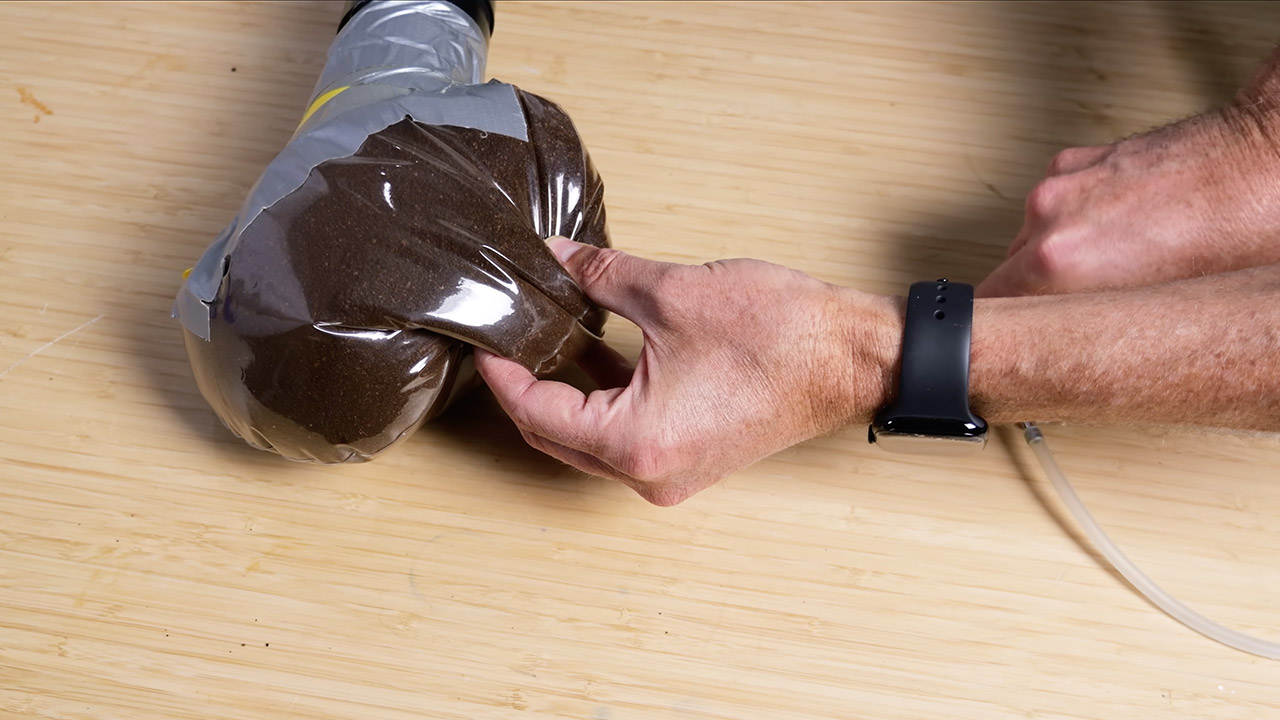
Coffee grounds rise above other particles because of their random, irregular shapes and sizes, which create a stronger grip. Rounder materials, such as glass beads, jam less efficiently, whereas sand works but adds significant weight. Early tests showed that lowering the volume of the grounds by less than 0.5 percent was enough to achieve a consistent grip. The gripper can lift considerably heavier objects than itself and quickly release them as the air returns and the grains relax.
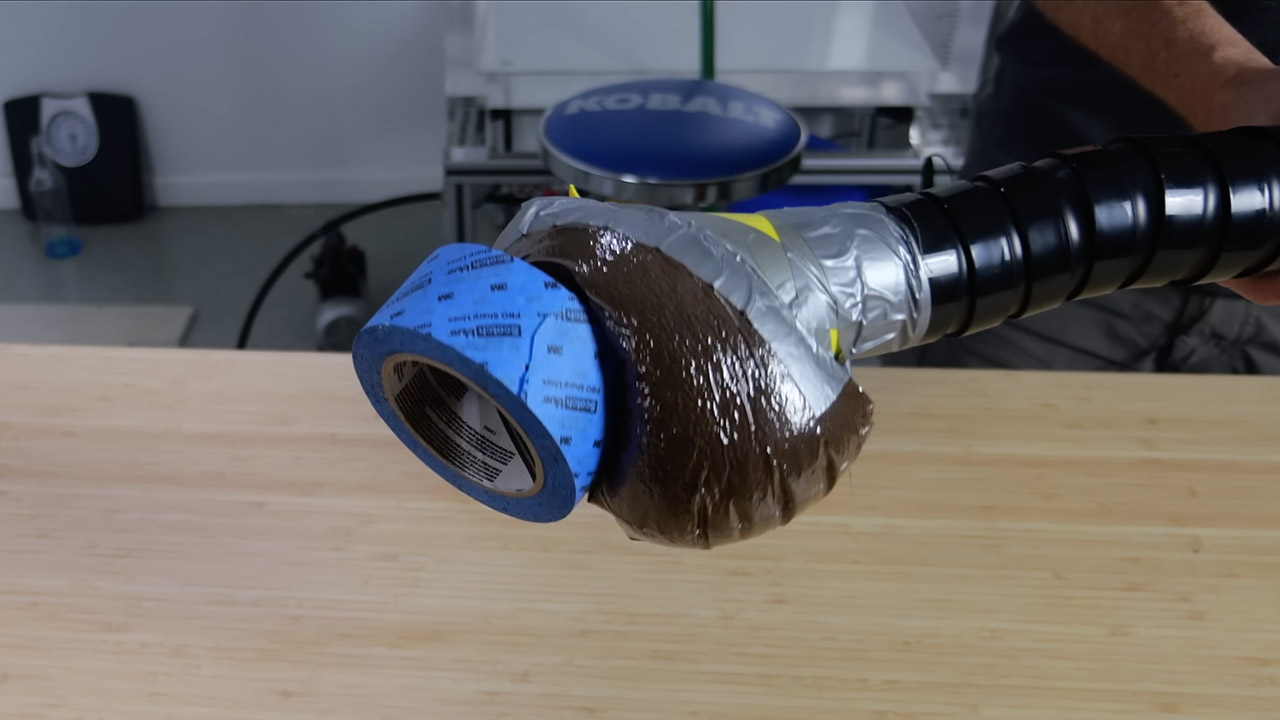
Objects that stump conventional robotic hands are rarely a problem here. A spring, a foam earplug, a jack, a tetrahedron, or a shock absorber can all be raised without requiring custom programming. When the bag is soft, it simply flows around the shape before freezing in place when the suction is switched on. Delicate goods tend to survive because the force is distributed over a large contact area rather than concentrated at a few firm fingertips. Smooth surfaces and very flat items are still difficult to hold, although the range of successful grips is far greater than that of any other mechanical design.
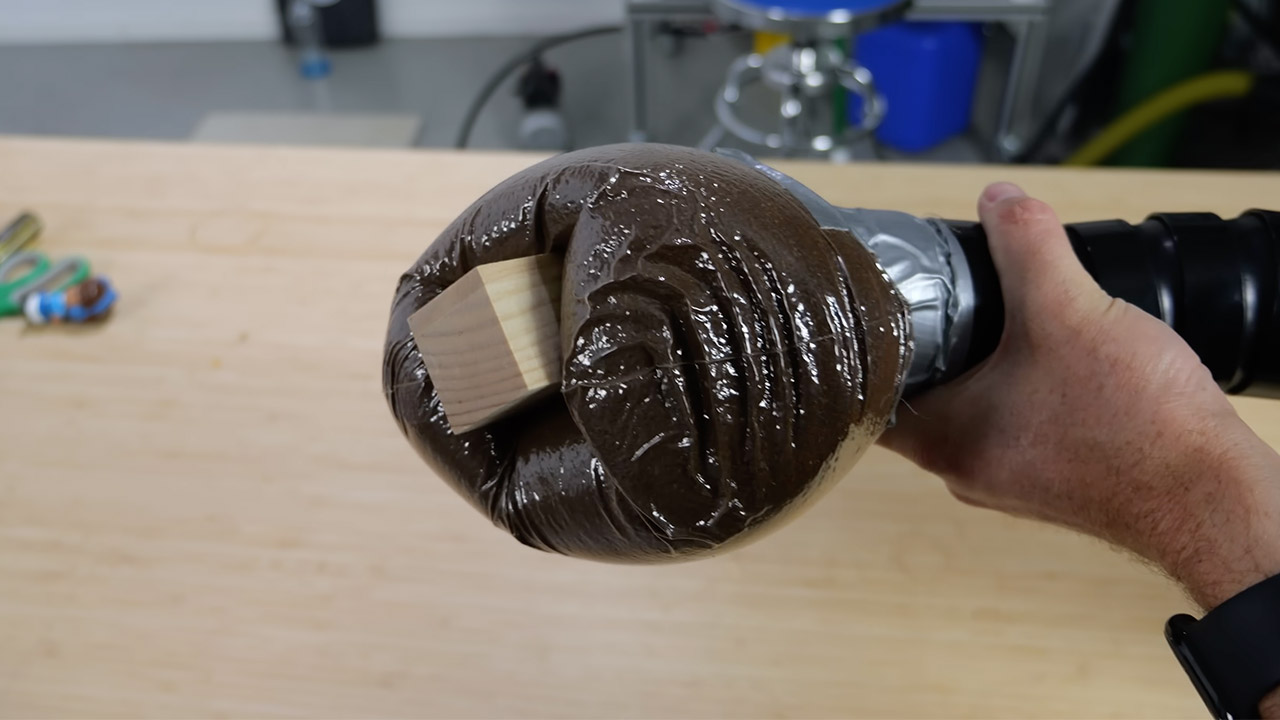
There is no need for a complex control system because the robot only needs to press the bag against the target and turn a valve. The presence of feedback sensors is, at best, discretionary. This simplicity helps keep expenses down and decreases the likelihood of failure. Industrial versions have appeared on conveyor belts in companies where products come in a variety of shapes and sizes. Researchers are still looking on how to combine this with different soft materials or utilize numerous small bags to make larger, more versatile manipulators in the lab.