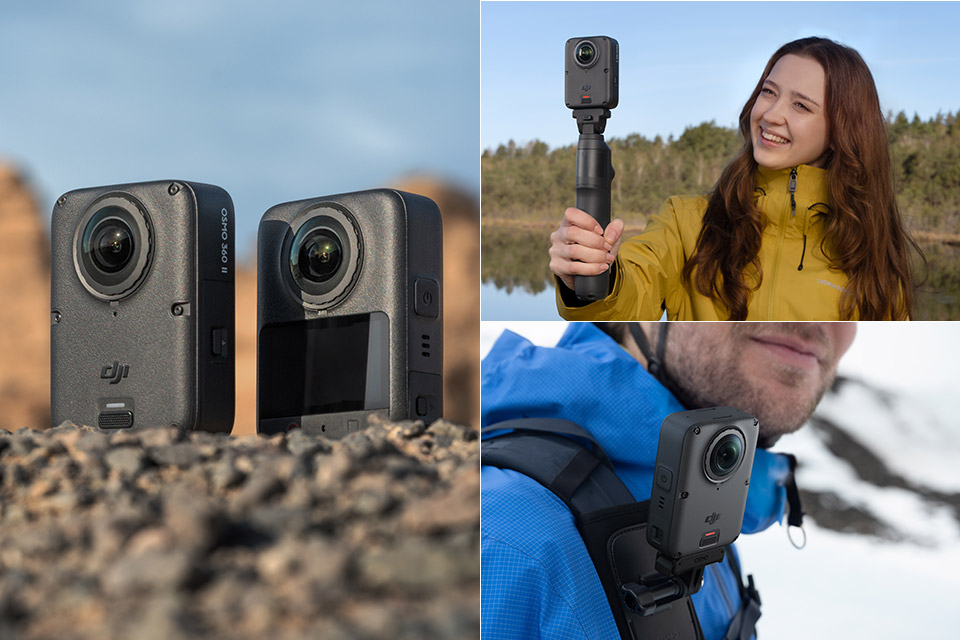
DJI used IFA 2026 in Berlin to put Osmo 360 II on a public stage, a second-generation 360 camera that shoots 8K panoramic video at 60 frames per second and lets you replace a cracked lens instead of retiring the whole body. Global shipping for most markets outside Asia starts September 15. Official U.S. store pages still list only the first Osmo 360.
The Osmo 360 II achieves the highest 8K (7680×3840) resolution at 60 frames per second, surpassing the original model’s limit of 50 frames per second. The Vortex option doubles that speed to 120fps in 8K, while Slow motion has finally reached 4K at 240fps, which is a significant improvement over the previous 4K/100. The resolution for stills remains at 120 megapixels, but it now includes HDR, which is a definite plus. 16K 360 timelapse is now a menu option, and DJI Studio allows you to stretch chosen clips into spectacular panoramic slow motion using AI and sophisticated frame interpolation, stretching up to 64x. If you prefer a more conventional frame than a sphere, you can use Single-lens Boost Video, which runs at 4K or 2.7K and up to 120fps. The color range is a 10-bit D-Log M profile, and the highest bitrate is 170 megabits per second. The stabilization system includes RockSteady 3.0 and HorizonSteady.

- 8K30fps 360° Video with Dual 1/1.28" Sensors: Capture stunning detail with dual 1/1.28" sensors shooting up to 8K30fps. Film epic adventures...
- Triple AI Chip Design, Better Low Light: Shoot confidently even in challenging lighting. X5’s triple AI chip design powers advanced noise reduction...
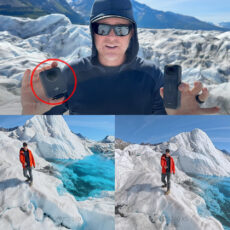
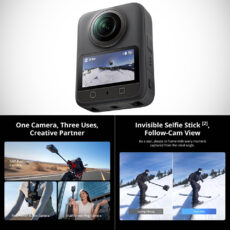
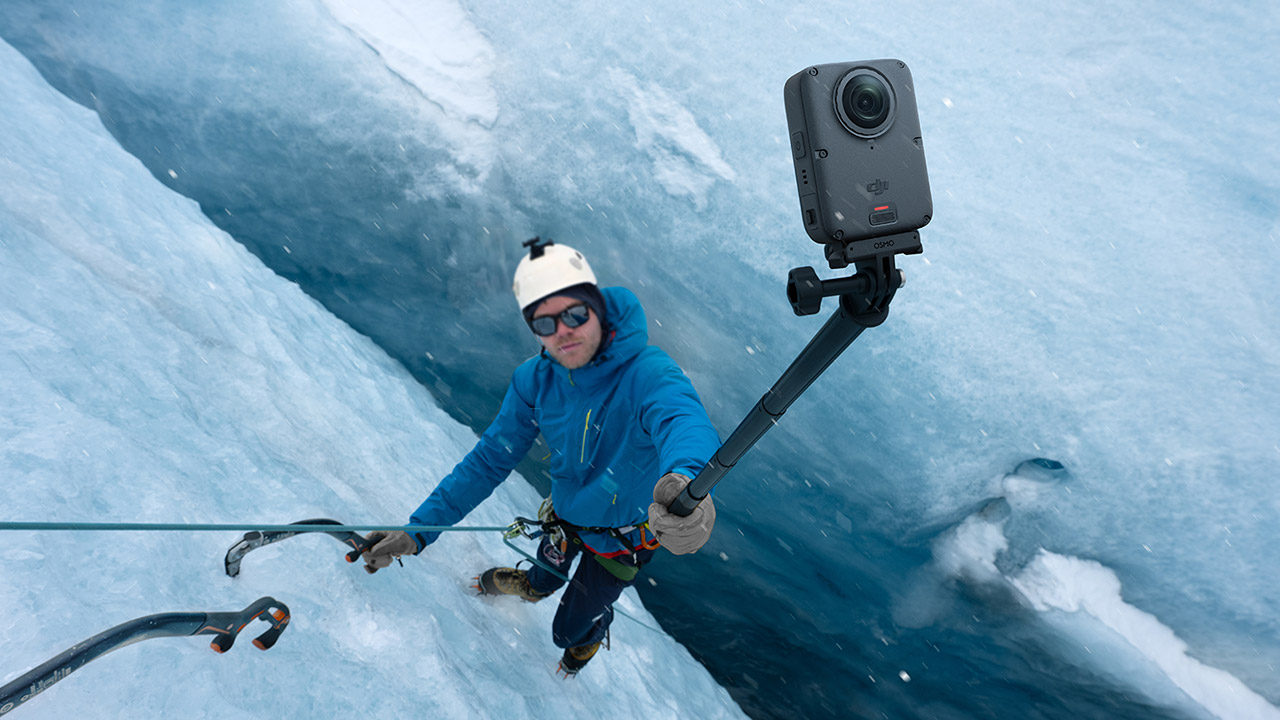
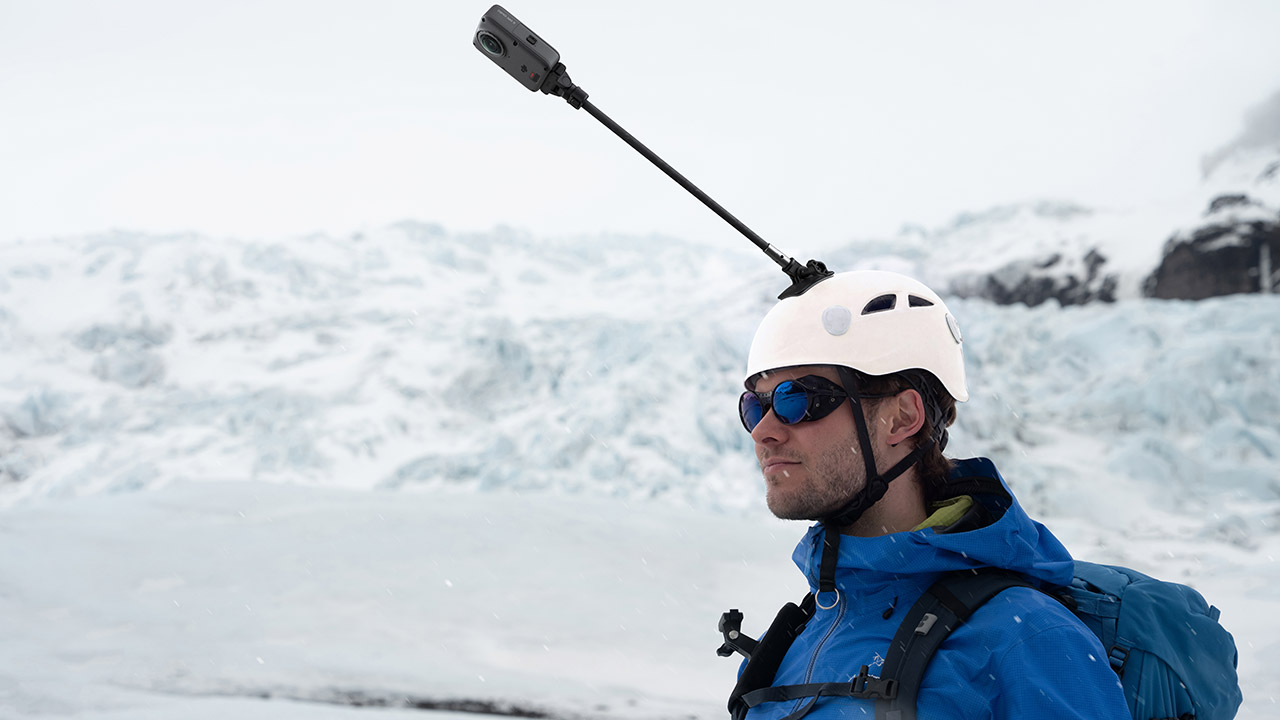
- Invisible Selfie Stick: Create impossible third-person views with no selfie stick in sight! Capture everything in 360°, then choose your angles later...
The dual Type 1/1.1 square sensors (hidden behind two fisheyes) are a major feature, with 2.4 μm pixels and an imaging area comparable to a 1-inch 4:3 CMOS sensor. Some claim this is the world’s first 1-inch square HDR sensor, and the square layout increases sensor utilization by 25% while decreasing power drain. Don’t get too excited about the dynamic range, though, because ‘14.5 stops’ for 360 footage is a business claim that only tells us it’s marginally better than the previous model (one stop up). To be honest, we’ll have to wait for lab tests from independent testers to obtain a clear picture of this. That’s because 360 dynamic range is difficult to accurately measure.
The lens modifications in the new model have been significantly updated, since they are no longer a fixed part; instead, both sides of the lens are now encased with some ultra-hard optical film to prevent scratches. If one breaks, you can buy a replacement for €39 or $30, which is a significant issue if you’ve previously had problems with a fisheye lens. We can also include DJI Care Refresh, which can cover several lens replacements over the course of one or two years depending on the package. The aperture is f/1.9 on both sides, which is a respectable specification given the price of this camera.
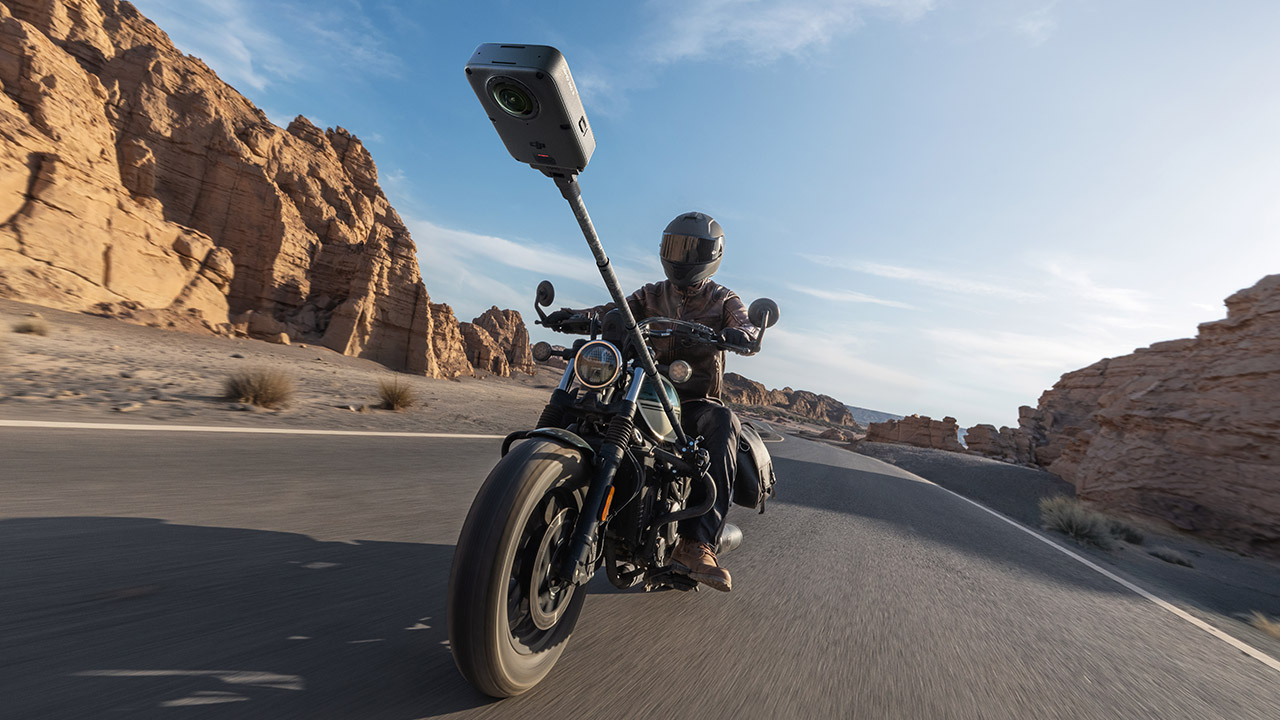
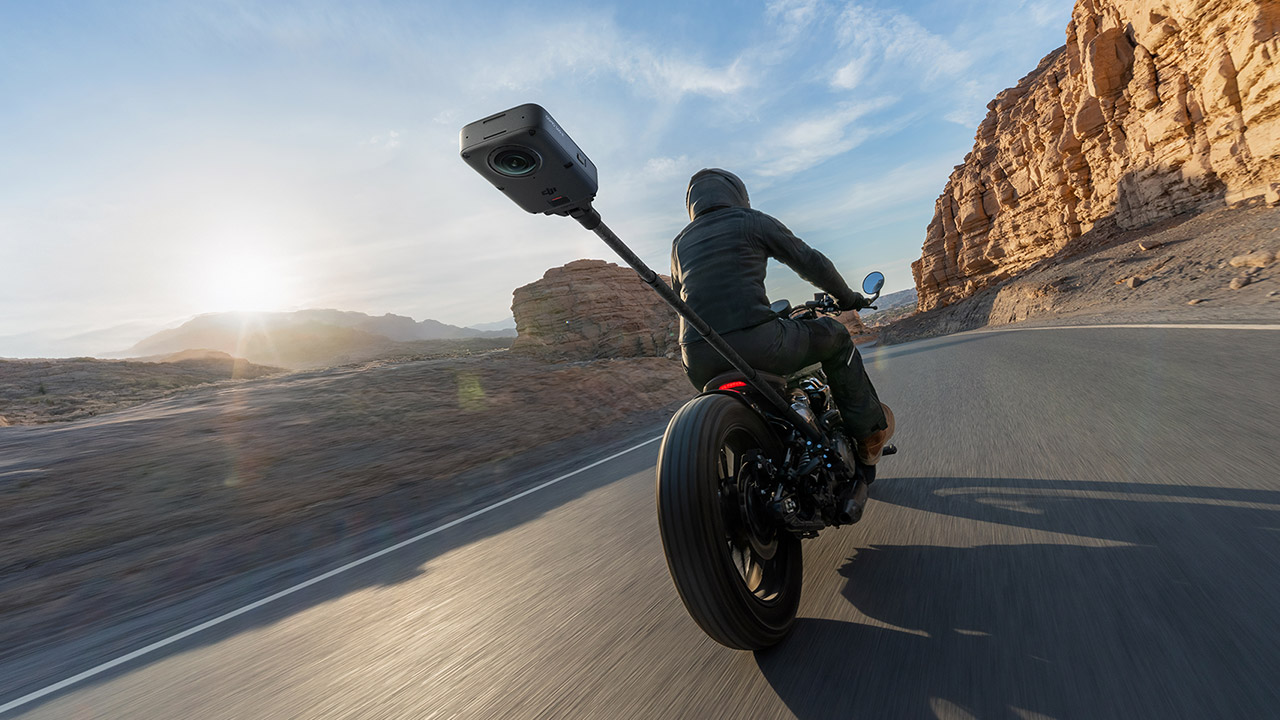
Night work is based on the AI-powered SuperNight 2.0 noise reduction pass, which DJI claims will maintain 360 footage appearing cleaner and brighter even in the darkest situations. The improvements obtained here are primarily due to sophisticated processing rather than a fancy new lens. A new tool called Spotlight Follow is now available, which keeps your chosen topic in the center of the frame even when the camera spins about. The good news is that this capability can export video in 4K/30 without requiring you to spend hours re-framing the scene in the editor.
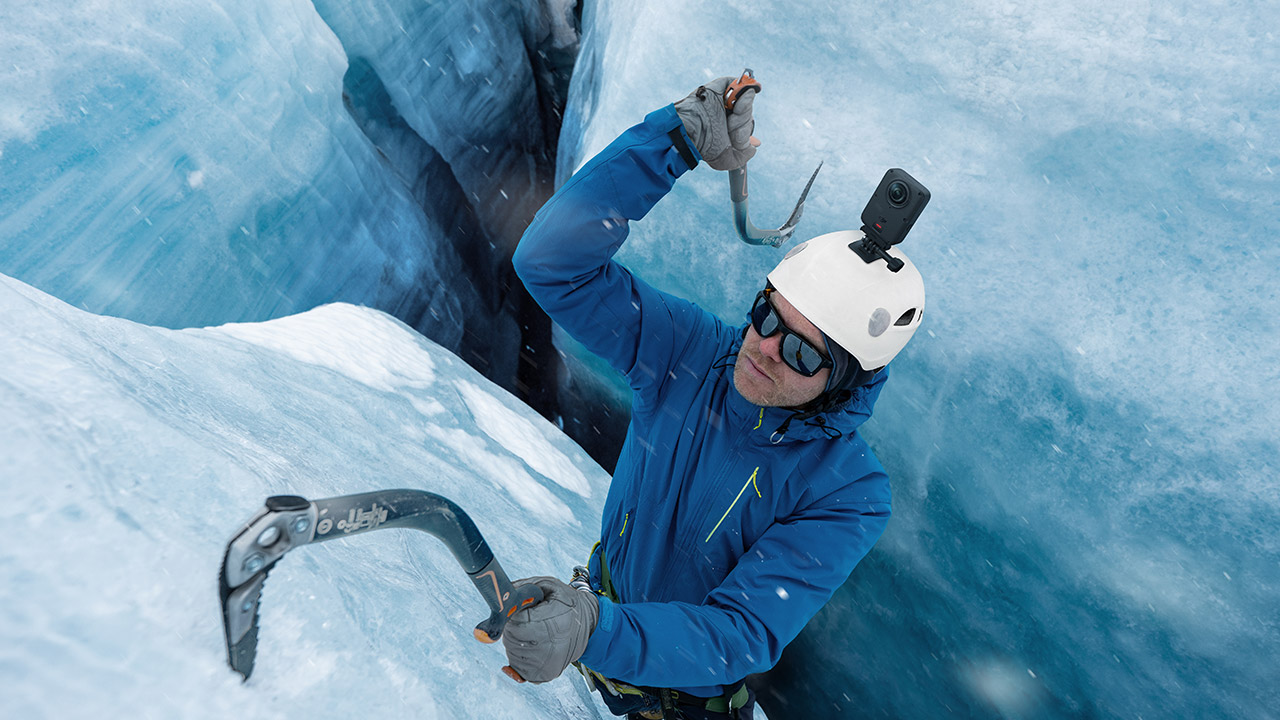
Controls, whether by hand or voice, will allow you to easily start and stop recording. Dual Recording even allows you to capture a front view and a selfie view at the same time, which might be extremely beneficial for some sorts of footage. You also have access to a variety of other post-processing features, such as a Sports Dashboard overlay and a Motion Blur effect, all from the same software suite. There’s also the convenience of being able to tap the S.Noob against the Mimo app to instantly transmit and edit your film.
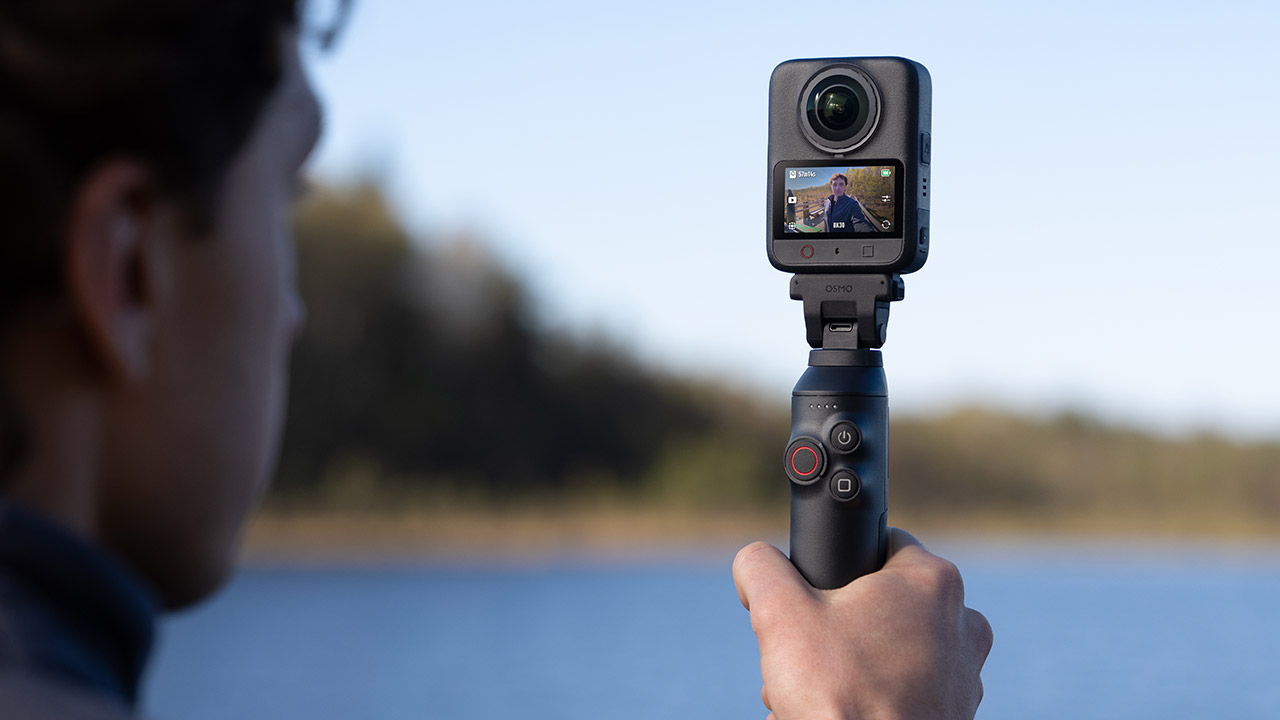
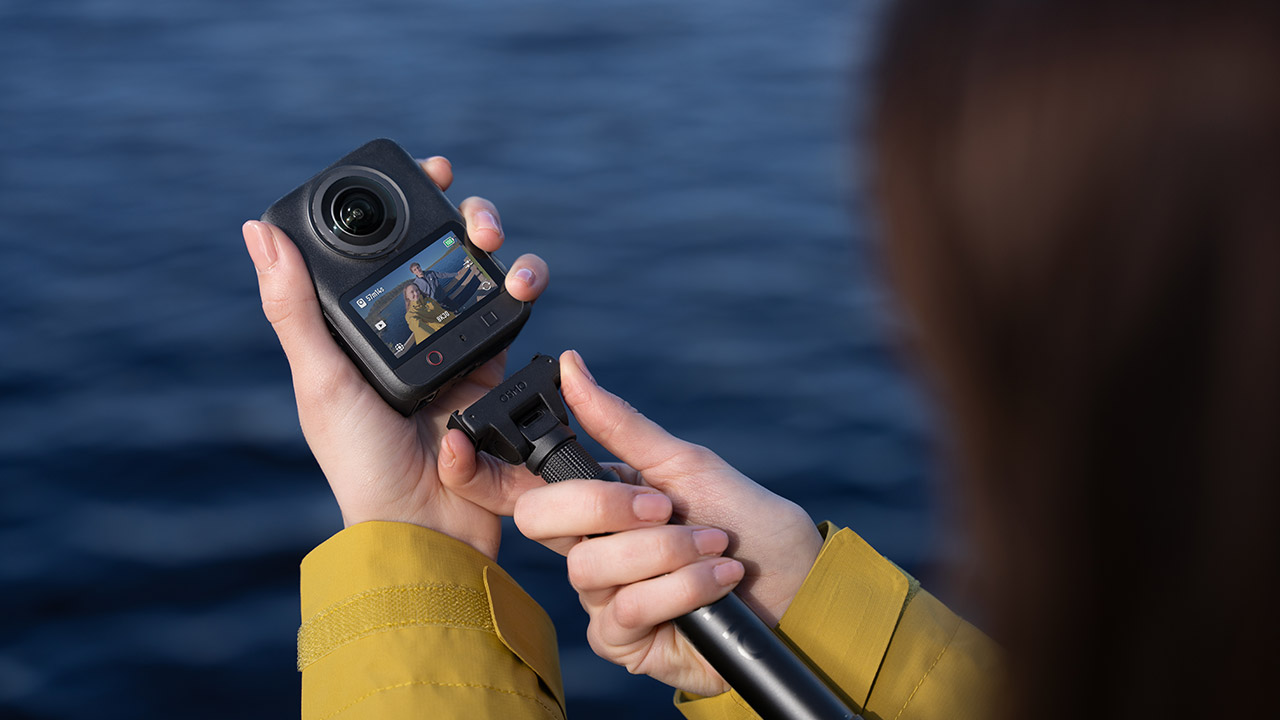
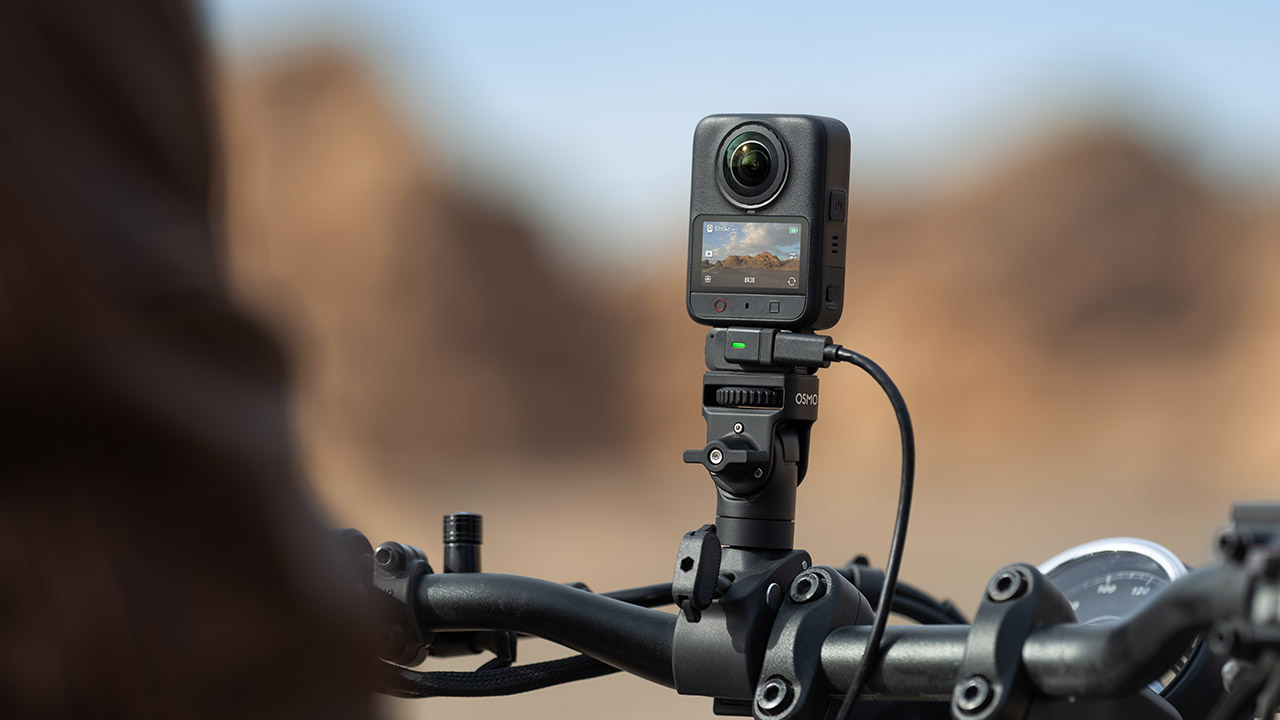
The Osmo Action 3 Body weighs 183 grams and has dimensions of 61 × 36.3 × 81mm. Internally, the camera contains 128 GB of storage, of which approximately 105 GB is usable, and there is a slot for a micro SD card that can hold up to 1 TB. The camera’s onboard sound is handled by a smart four-microphone array that does a decent job of suppressing wind noise. If you desire even higher-quality sound, you may plug in one of the DJI mics. The camera may then be mounted on almost any current Osmo accessory utilizing a quarter-inch thread or a dual-direction magnetic fast release.
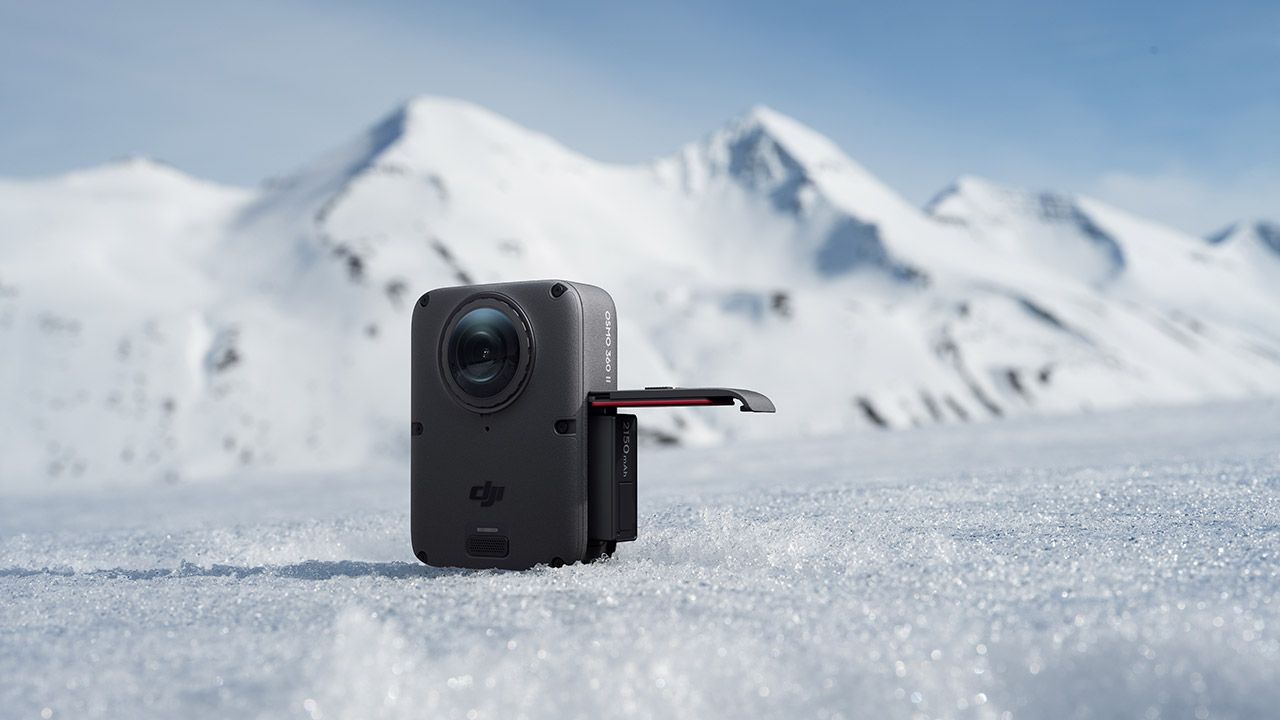
Then there’s the water resistance: this camera can go down to 10 meters without a special case and up to 50 meters with the Invisible Waterproof Case. The battery life on this device is also impressive; with a 2150 mAh Extreme Battery Plus, you can get 100 minutes of 8K/30 footage or an 80% charge in 22 minutes with the quick charger. If you run out of power, there’s a Battery Extension Rod that lasts another 180 minutes and doubles as a grip, as well as a 2.5-meter carbon fiber selfie stick or an ultra-hidden invisible selfie stick.
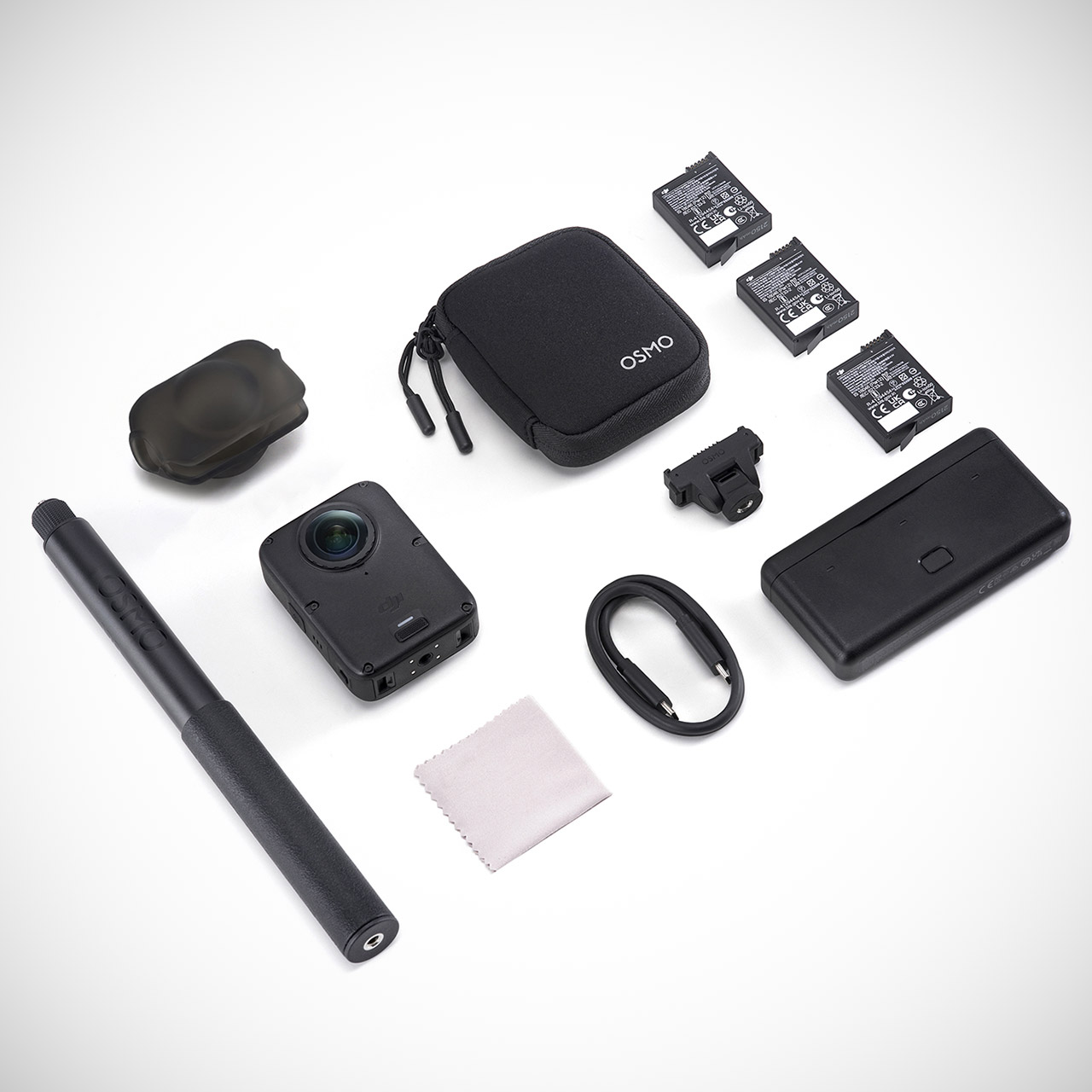
As for how much this little gem will cost, pricing vary depending on where you are in the world, but the Eurozone basic combo appears to be €589, or €739 for the Adventure combo. In the UK, the ordinary combo costs £509 or £639, while in China, it has been available for 3,299 yuan since August 13. If you’re in Hong Kong, the usual combo costs around HK$3,899. Unfortunately, the US pricing and delivery information have yet to be decided. It appears that the camera has the requisite FCC equipment authorization, so it is not a case of waiting for bureaucratic permission, but rather a conscious decision not to distribute it in the United States just yet. If you chance to be in the United States and truly want one, you’ll have to delve into the gray market or simply wait and see if the manufacturer changes its mind.