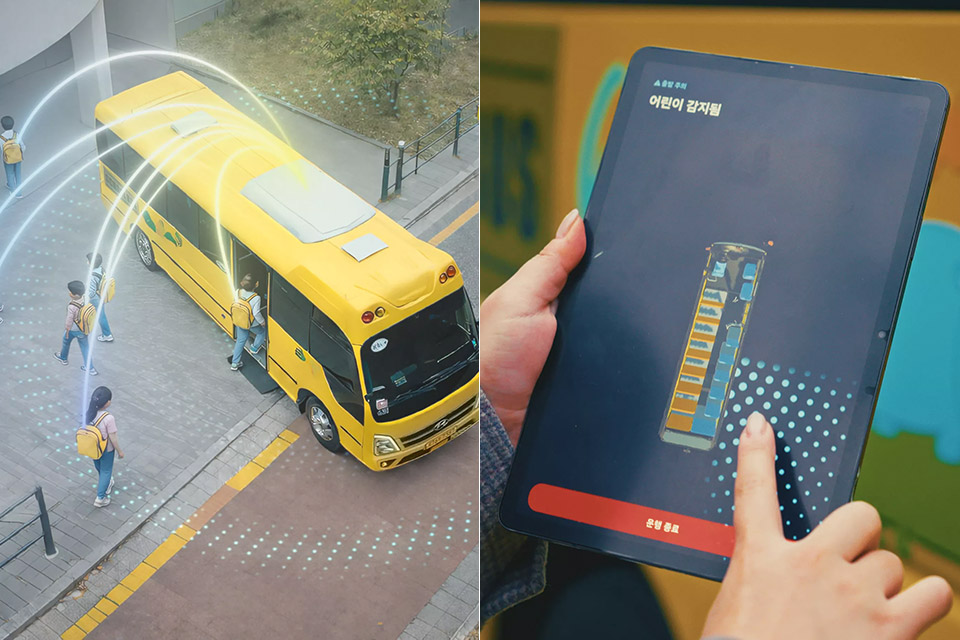
Hyundai and Kia have introduced Vision Pulse, a new driver safety system that is shaking up the road with a new method of detecting risks. This technology uses ultra-wideband (UWB) radio waves to pinpoint individuals and other vehicles with incredible accuracy, even when buildings, other automobiles, or barriers are in the way.
Vision Pulse is essentially an upgrade of the Digital Key 2 technology, allowing owners to unlock and start their automobile using a smartphone. You see, the units that are already installed in many Hyundai and Kia automobiles begin giving out these radio pulses. Any adjacent devices with similar ultra-wideband hardware (such as some smartphones, smartwatches, or the small keyfob tags) reply immediately, and the automobile determines their exact location to within approximately 4 inches, all within a 100-meter radius.

- 4K FRONT + 1080P REAR RECORDING – ROVE R2-4K DUAL dash cam offers dual-channel recording capabilities, capturing footage simultaneously from both...
- SONY STARVIS 2 SENSOR/SUPER NIGHT VISION – Equipped with a Sony IMX675 STARVIS 2 Image Sensor for the front camera, this dash cam delivers...
- ULTRA FAST 5G WIFI/ UP TO 20MB/s DOWNLOAD SPEED – With its built-in dual-band 5GHz and 2.4GHz WiFi, you can use the ROVE dash cam app to view and...
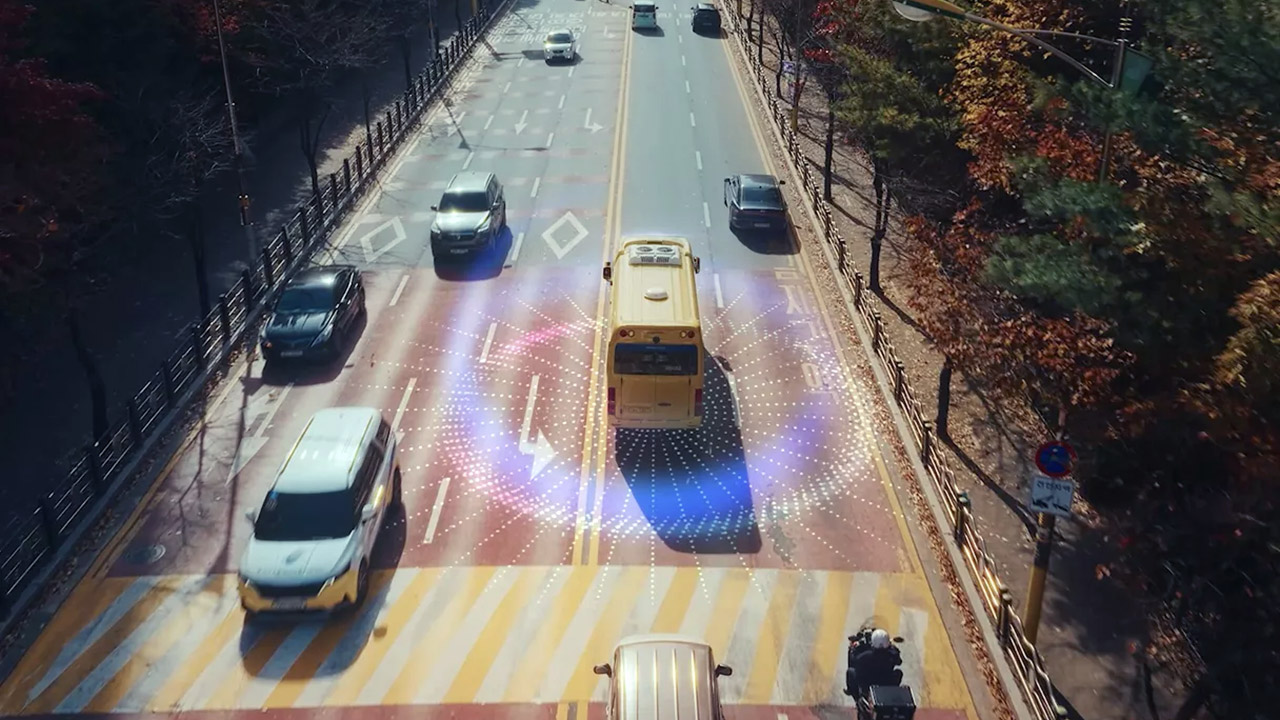
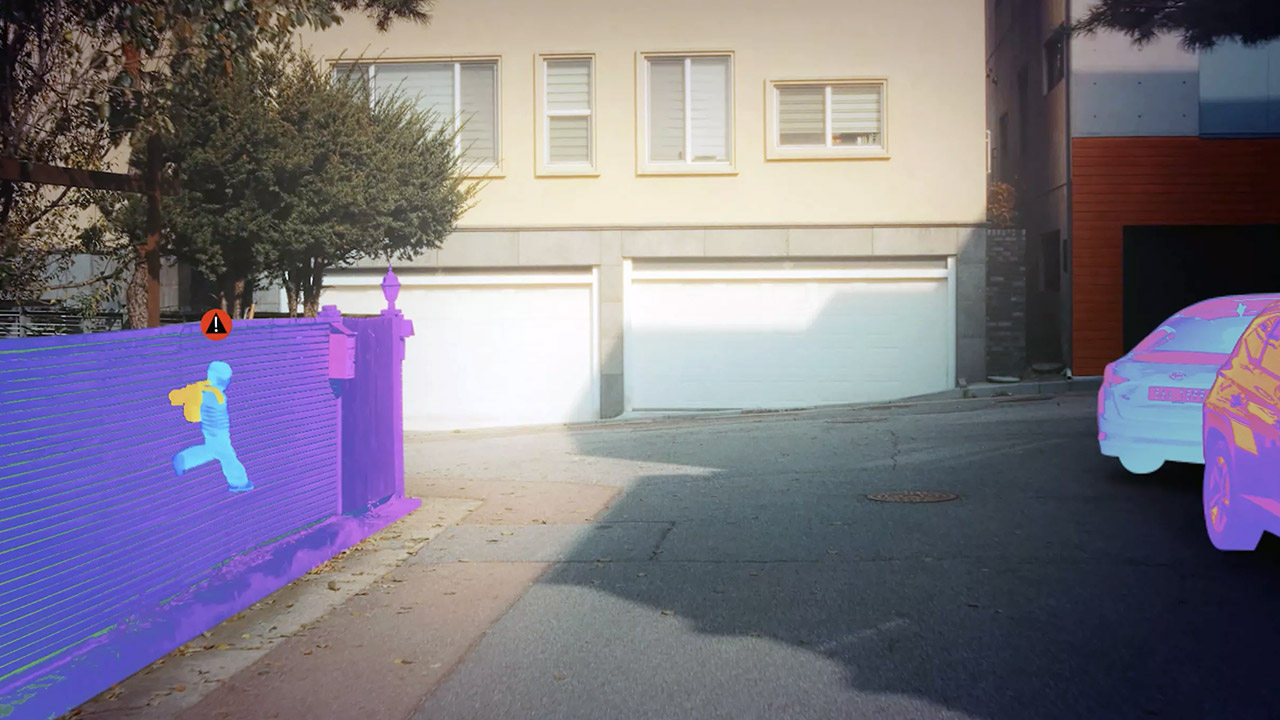
This type of communication enables the system to detect threats that might otherwise go unnoticed by cameras, radar, or lidar. A child stepping out from behind a parked van at school drop-off is immediately visible to the car. Or if a bike comes into view at a blind crossroads, no worries. These radio pulses can even pass through obstacles and function properly in rain, fog, complete darkness, or strong sunlight, with an accuracy rate of more than 99%. The system can even communicate in 1-5 milliseconds, which is fast enough to track multiple rapid-moving objects simultaneously.
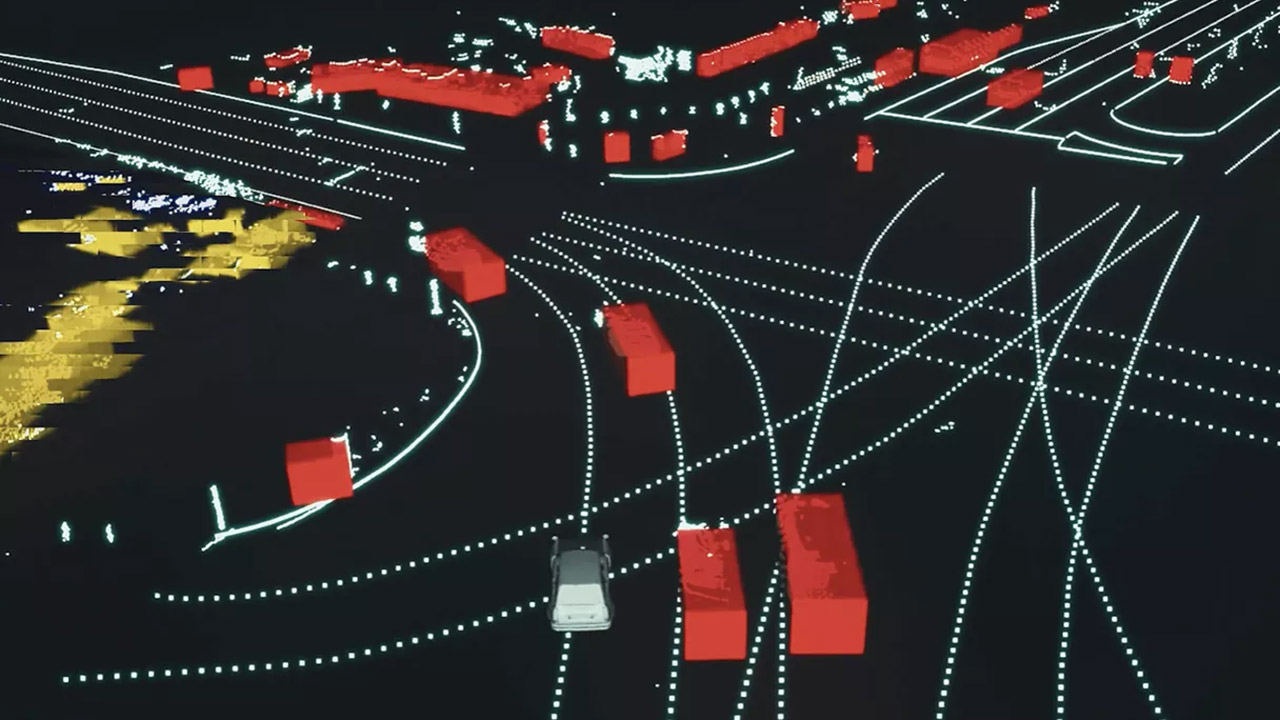
Hyundai and Kia basically developed their own proprietary algorithms to predict where these things would travel next, converting raw data into actual warning signs for the driver. These warnings appear as beeps, dashboard indicators, or even automatic braking if the situation becomes too dangerous. The entire system is intended to be significantly less expensive than employing pricey lidar or additional radar units, which is ideal for congested urban settings.
One real-world test case took place on school buses, where students wore miniature nightlight-shaped keyrings that also held UWB modules. These small tags enabled the bus to detect any children roaming too close to the back of parked automobiles during pickup and drop-off, particularly in blind spots. They also tested it on a large industrial site, where collisions between forklifts and workers were avoided using Vision Pulse. For everyday driving, Vision Pulse provides much-needed protection for pedestrians, cyclists, and children when line-of-sight sensors fail.
[Source]