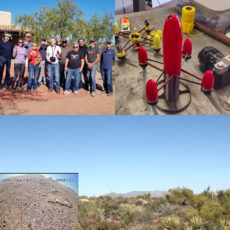

DroneCase is designed for smartphones, while this inflatable SoBAR drone can withstand collisions without any major damage, thanks to an innovative inflatable frame. Developed by researchers at Arizona State University, the frame can be stiffened on command to recover from bumps and perching allows the drone to land on tree branches using a hybrid fabric-based, bottom-mounted grasper.
When the grasper encounters a branch, its steel leaf springs pop down and clasp around it, holding SoBAR in place securely. This drone would be most practical in search and rescue operations, but also for various other jobs including monitoring forest fires, aiding military reconnaissance as well as even exploring the surface of other planets. The latter would most certainly require a few modifications for it to operate properly like Ingenuity.

- 𝗟𝗶𝗴𝗵𝘁𝘄𝗲𝗶𝗴𝗵𝘁 𝗮𝗻𝗱 𝗣𝗼𝗿𝘁𝗮𝗯𝗹𝗲 - The drone is lightweight and compact, weighing...
- 𝗡𝗼 𝗥𝗲𝗴𝗶𝘀𝘁𝗿𝗮𝘁𝗶𝗼𝗻 𝗡𝗲𝗲𝗱𝗲𝗱 - Under 249 g, FAA Registration and Remote ID are not required if...
- 𝗘𝘅𝘁𝗲𝗻𝗱𝗲𝗱 𝗙𝗹𝗶𝗴𝗵𝘁 𝗧𝗶𝗺𝗲 - Enjoy longer flights with DJI Mini 2 SE, which offers a 31-min max flight...
We see drones used to assess damage from high in the sky, but they can’t really navigate through collapsed buildings. Their rigid frames compromise resilience to collision, so bumping into posts, beams, pipes or cables in a wrecked structure is often catastrophic. They don’t recover; they crash. We need to change our focus on avoiding environmental contact. Drones need to physically interact with their surroundings to accomplish a range of tasks,” said Wenlong Zhang, an associate professor and robotics expert in the Ira A. Fulton Schools of Engineering at Arizona State University.