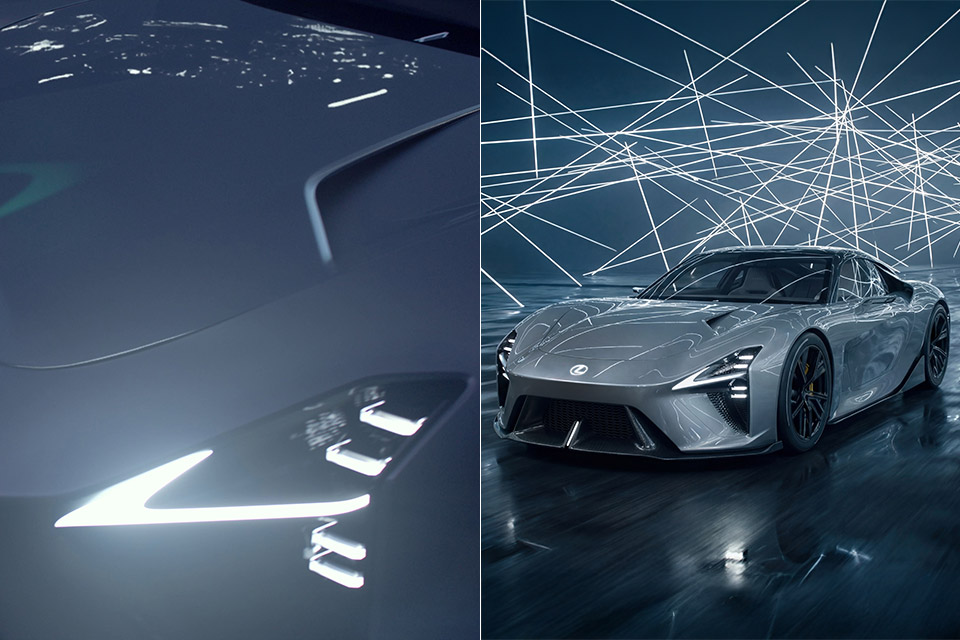
Lexus revealed the LFA Concept BEV Sports Car tonight in a way that felt like a wink to the fans who refused to let go of the original. This elegant, two-seater coupe runs entirely on batteries, a far cry from the roaring V10 that powered the 2010 model, but it has the same obsessive concentration on balance and the driver’s relationship to the vehicle.
Built in tandem with Toyota Gazoo Racing’s GR GT and GR GT3 teams, the car serves as a link between generations of technical brains, passing on all of the hard-earned insights learned in tuning their chassis and balancing the weights just right. At 4,690 mm long, 2,040 mm wide, and a tiny 1,195 mm tall, with a wheelbase of 2,725 mm, it is low to the ground and cuts a sleek line forward, all bolted together in an aluminum frame that is as light as a feather but unyielding.

- Lamborghini car toy for kids – LEGO Speed Champions Lamborghini Lambo V12 Vision GT Super Car vehicle toy for boys and girls ages 10 and up, gaming...
- 1 minifigure – Car playset includes a driver minifigure wearing a Gran Turismo outfit and a helmet, which kids can place inside the cockpit to play...
- Authentic Lamborghini details – LEGO F1 toy car features a cockpit, a split rear wing, hexagon details on the wheels’ rims, dual tailpipes, Gran...
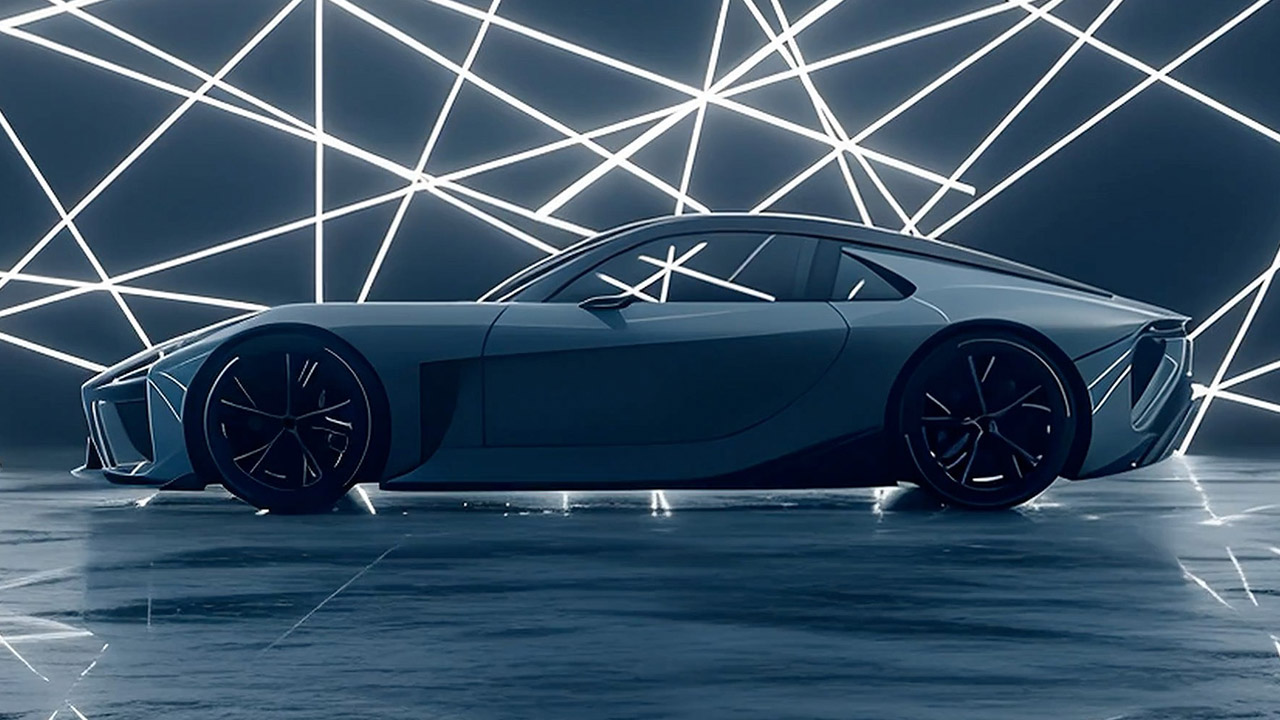
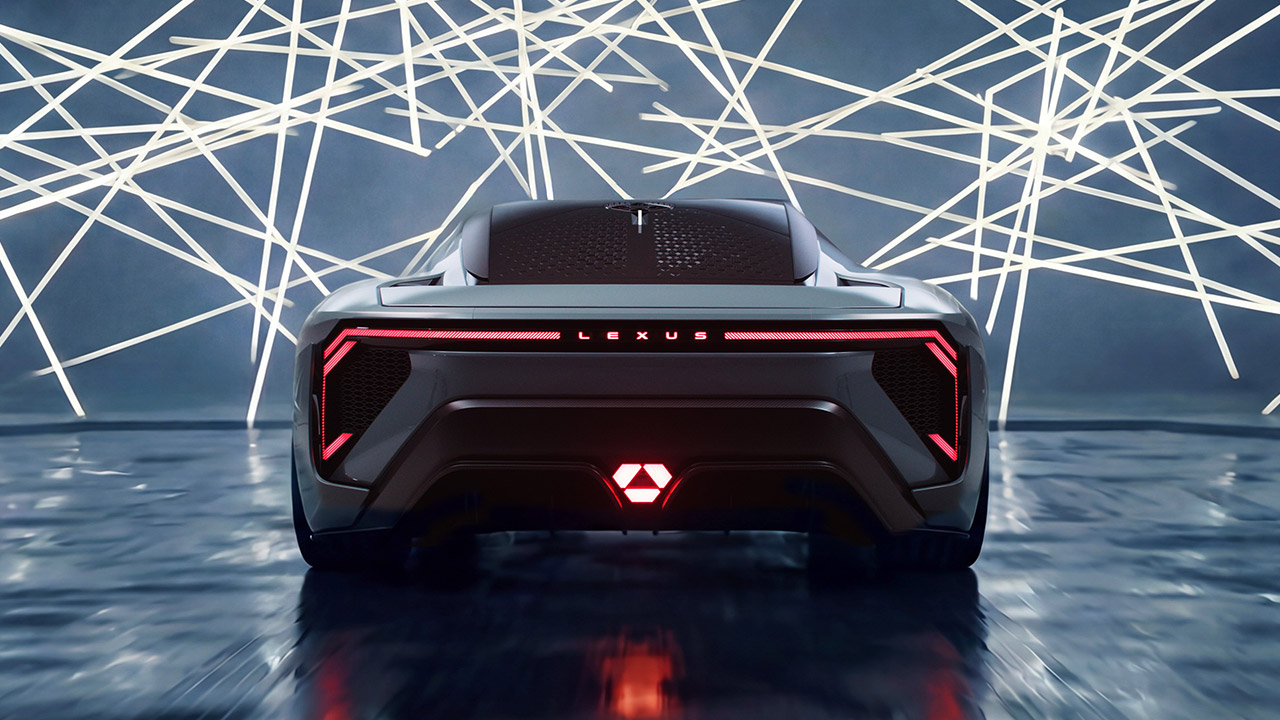
The bodywork simply flows out of a super-low nose and continues straight back to a chopped up tail, reflecting the original LFA’s proportions without imitating them directly. The engineers designed the body to cut through the air with as little drag as possible, guiding air over the wheels and over the roof in such a way that the ride is as stable as a rock at high speeds. You’ll notice the familiar vents along the back windows, but this time they’re directing heat from electric motors rather of a gasoline engine. Every curve is all about aerodynamics, but it nevertheless appears to be timeless, a classic coupe shape that could fit into any era of grand touring without raising an eyebrow. Of course, the entire thing is made of aluminum, which has a high strength-to-weight ratio and allows the battery pack to be placed low and in the middle for better handling.
The LFA Concept is powered by solid-state batteries, which are significantly more dense than the lithium-ion packs seen in most electric vehicles today. These cells have three times the punch per pound of anything else on the market, offering hundreds of horsepower, though Lexus is keeping the statistics under wraps for the time being. You can definitely count on multiple or triple motors driving the wheels and delivering quick torque for launches that will keep you glued to your seat with no hint of that dreadful turbo lag. The setup is based on racing prototypes, and it’s all about achieving the perfect balance of grip and slide when pushing into turns. Given the platform’s background, expect a top speed of over 200 mph and a 0-60 time of less than three seconds.
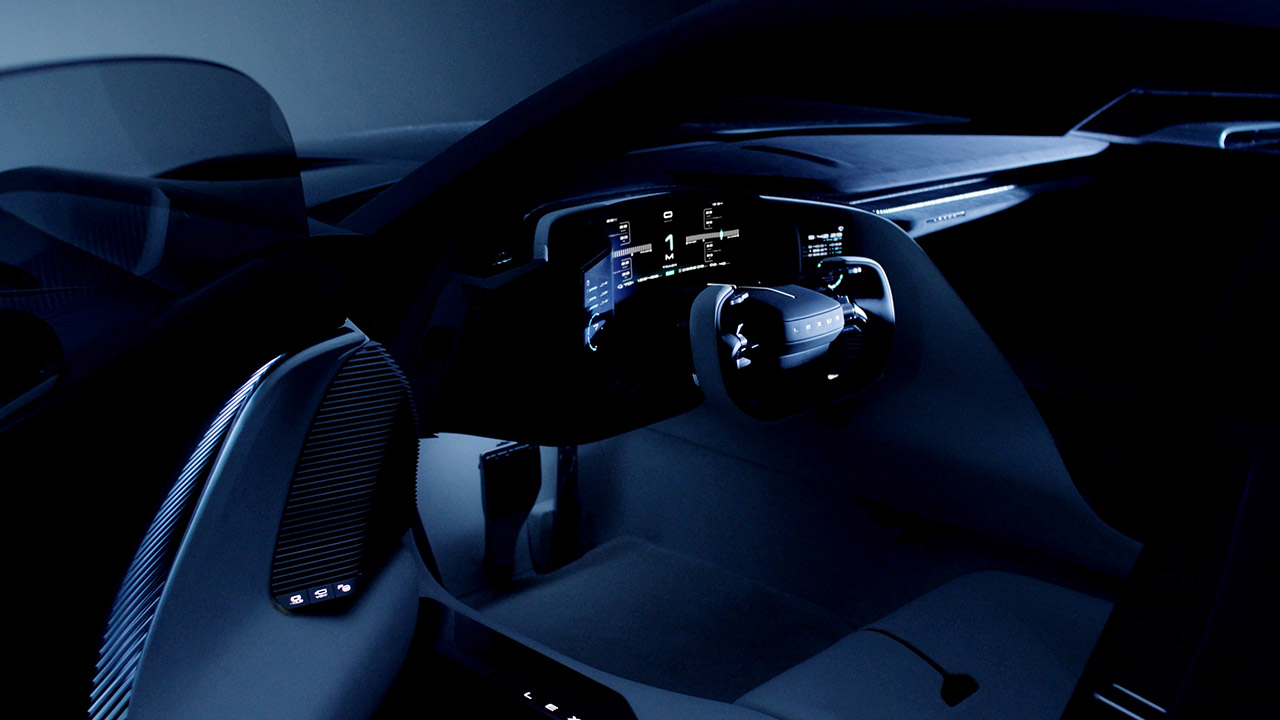
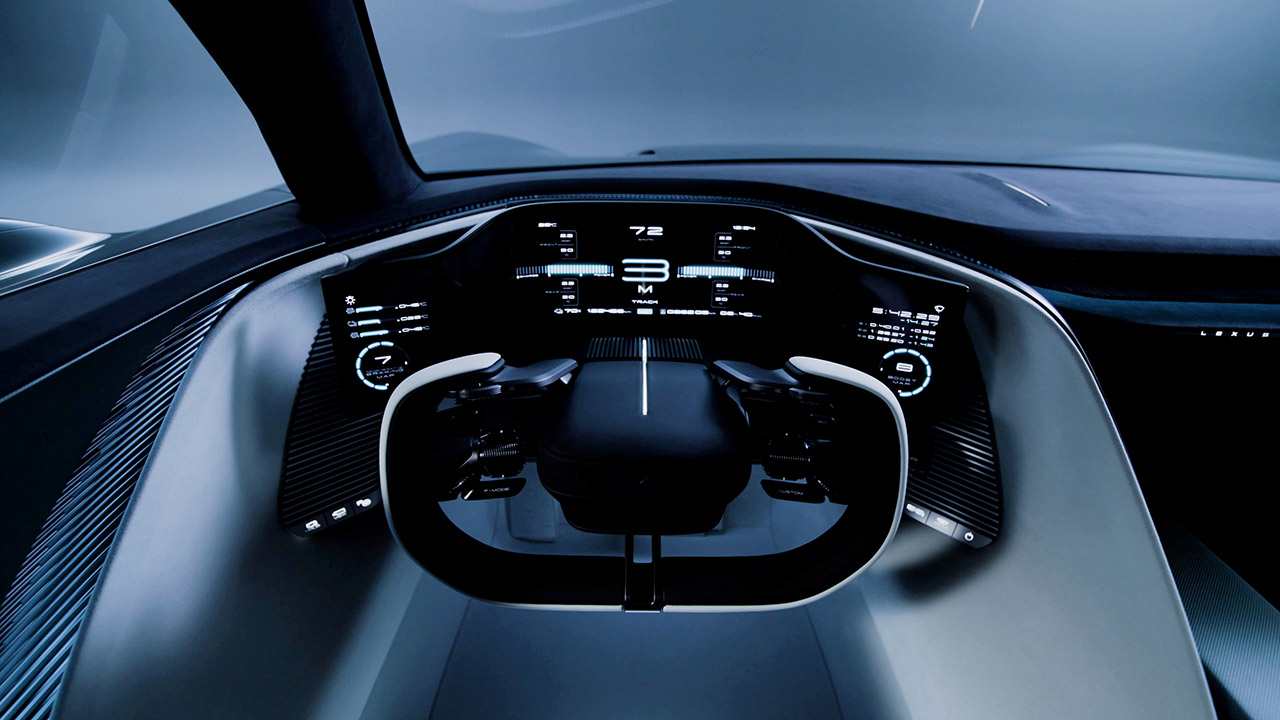
Inside the cabin, they’ve removed all of the unnecessary clutter to put you firmly in control. The yoke-style steering setup connects directly to the front axle, eliminating the need to alter your grip through tight curves; everything is simple and natural this way. The switches are right in your palm, so you can operate them blind, and the high-resolution screens on the dashboard will show you all the vital information, such as lap times, brake pressures, and a little something called a “faux gear indication,” if that’s your thing. There are no large touchscreens dominating the center console here, just traditional physical controls to immerse you in the driving experience. The seats are low to the ground, allowing you a clean vision below the bonnet and right out to the road ahead, and the rear view mirror has been replaced with a digital one, providing you with unimpeded views of what’s behind.
You’re quite well covered in terms of range, with roughly 300 miles on a charge, which is rather impressive for a car this fast. Charging durations are also rather quick, with an 80% charge taking less than 20 minutes at a high-speed station. They’ve also included the ability to do over-the-air upgrades to fine-tune things like power delivery and even suspension settings over time, so the car will only improve as you drive it. In terms of safety, everything is relatively unobtrusive, as the cameras just pass through to the mirrors and screens, and the chassis sensors immediately adjust the traction.