Swapping a camera battery is a fairly routine task for any photographer, but up on the International Space Station, it’s about the most low-key physics lesson you could ever hope for. NASA astronaut Don Pettit, the man behind some of the most incredible orbital photography, took a few minutes to demonstrate how it’s done from above.
How to change your camera battery in weightlessness. pic.twitter.com/7LpUvDNblJ
— Don Pettit (@astro_Pettit) January 10, 2026
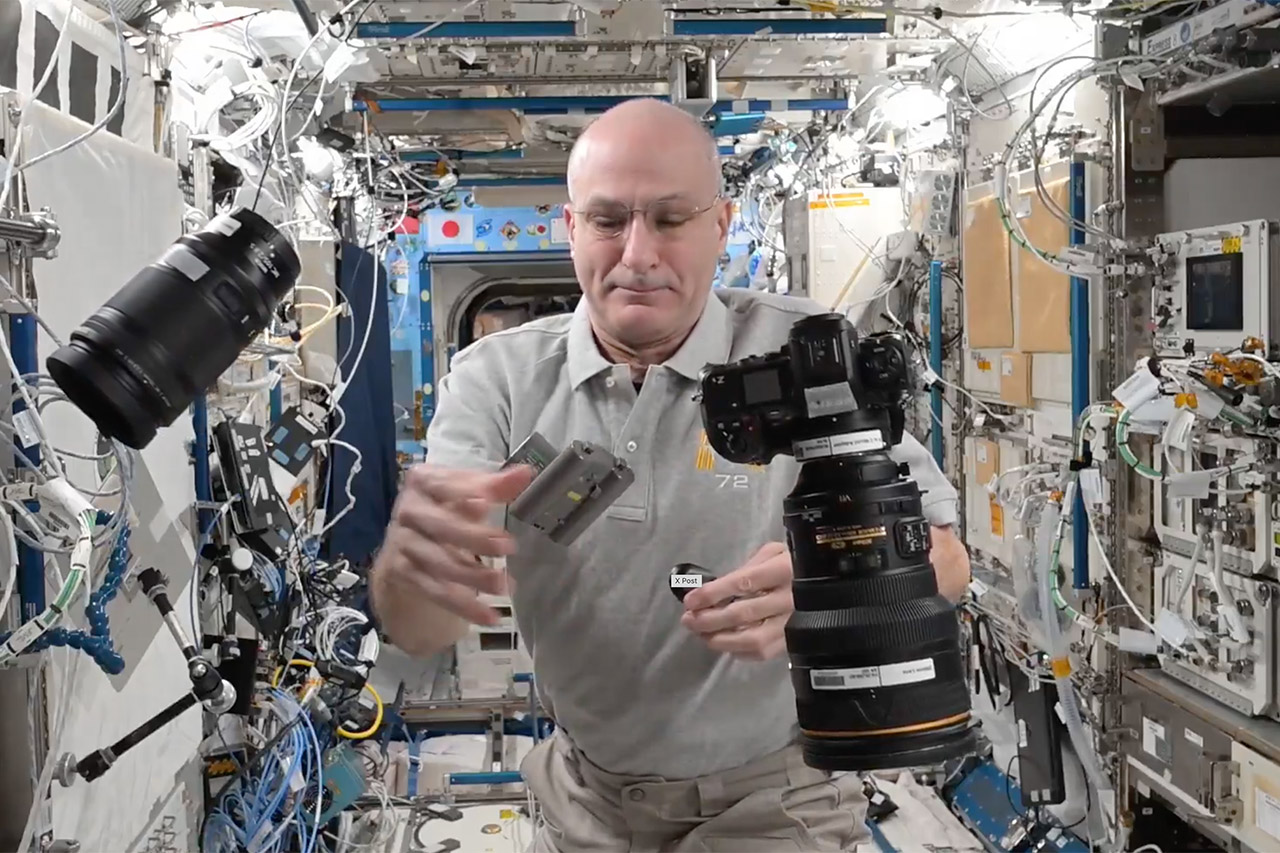
In a cramped module, surrounded by all the typical camera gear, as well as a lot of gear that appears to be trying to break free from its moorings, rests a Nikon Z9 camera body with a 200mm f/2 lens hanging to one side. A spare battery and the new one that is about to be installed simply hang out, floating wherever they like, because a table is unnecessary in space.

- BUILD AN OFFICIAL NASA ROCKET – Kids prepare to explore outer space with the LEGO Technic NASA Artemis Space Launch System Rocket (42221) building...
- 3-STAGE ROCKET SEPARATION – Young builders can turn the hand crank to watch the rocket separate in 3 distinct stages: solid rocket boosters, core...
- STEM BUILDING TOY FOR KIDS – This educational rocket kit was created in collaboration with NASA and ESA to showcase the authentic system that will...
Pettit grabs the Nikon, opens the battery compartment, and it’s basically a done thing. The old battery dangles in midair until you accidentally nudge it or touch it, but don’t worry, it’s just hanging there. He sets it down, but not really because there is no surface to put it on, so it continues to float but is no longer in the way.
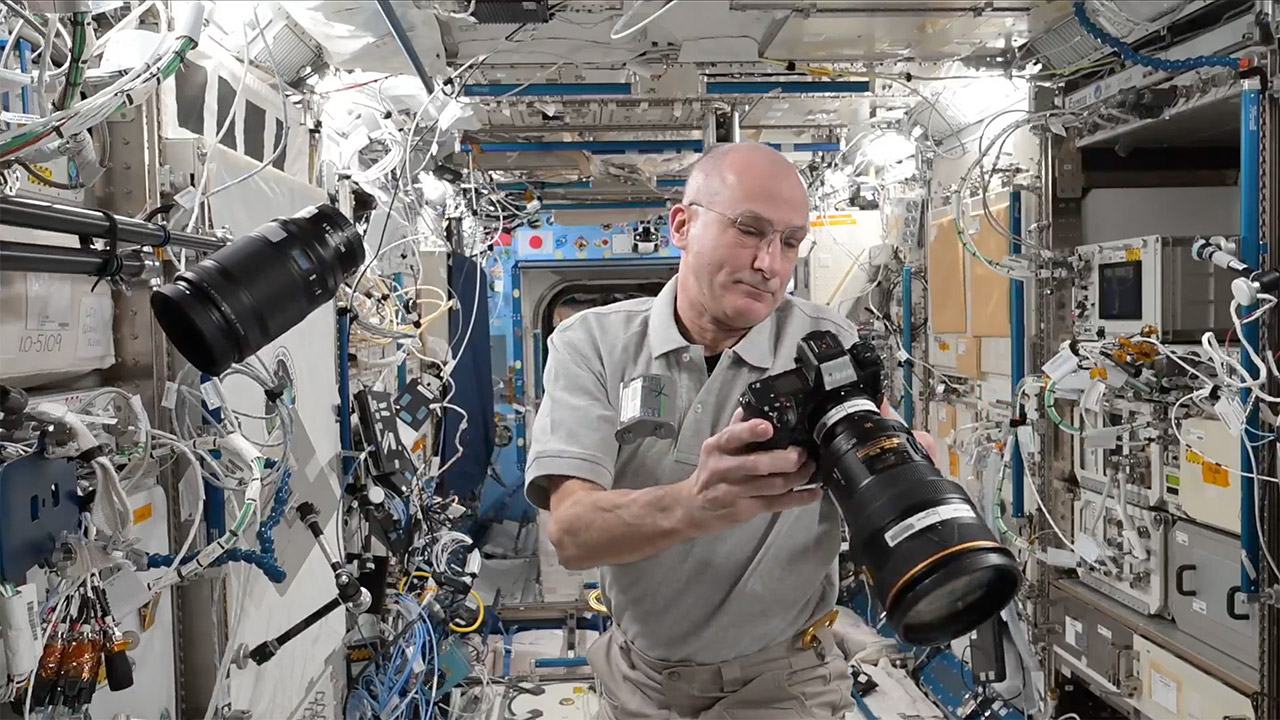
Now it’s time for the new battery, which Pettit carefully lines up the contacts and inserts until it clicks. The entire process takes about as long as it takes to say it aloud, with about 5 seconds spent trying to catch a wide angle Nikkor lens that decided to fly away while he was fiddling with the batteries. Pettit grabs it and returns it to its previous location, and there you have it. It’s astonishing how much difference a small amount of movement makes while everything else remains stationary.
Dust is another continuous companion on the space station; dust that would normally fall to the ground on Earth floats around, creating a rather permanent haze over all of the sensitive equipment. However, because the battery is floating, it cannot be knocked around on a table or dropped to the floor and slammed.