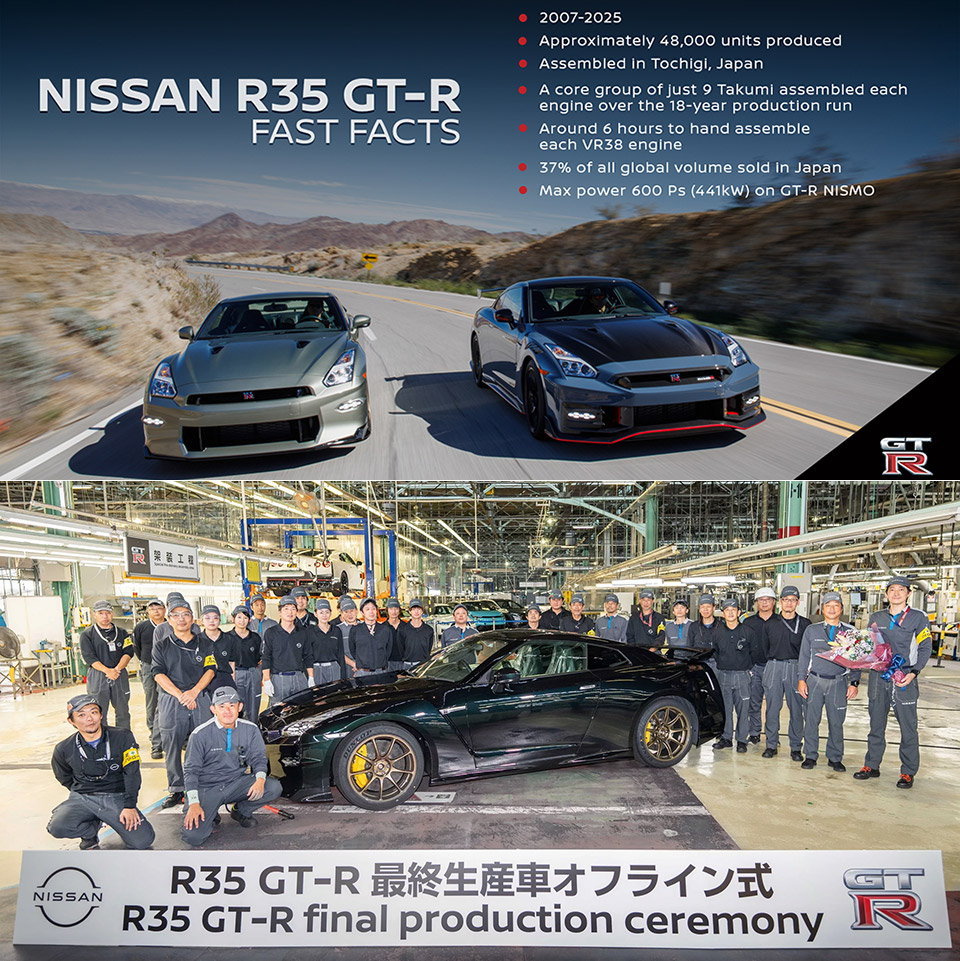
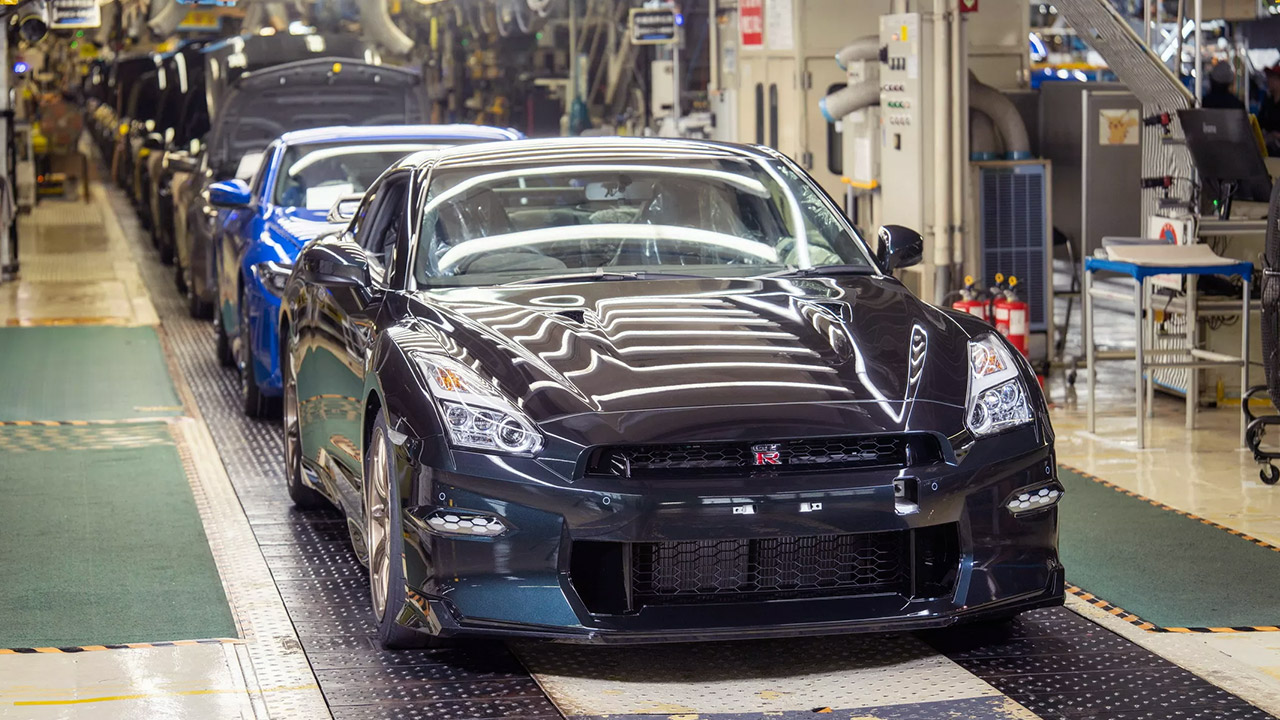
Nissan’s Tochigi plant, a quiet facility about 100 kilometers north of Tokyo, was buzzing with a mix of emotions this week. After 18 years and around 48,000 cars, the last R35 GT-R rolled off the production line—a Premium Edition T-Spec in Midnight Purple, headed for a lucky buyer in Japan.
Since its debut at the 2007 Tokyo Motor Show, the R35 GT-R was known as a “supercar killer”. It wasn’t just about speed, although it had plenty of that. Nissan wanted something more—a car that could be a thrill on a track yet comfortable on a long highway cruise. The result was a car that balanced a comfortable ride with a twin-turbo V6 engine, the VR38DETT, and all-wheel-drive that seemed to defy physics. Over its life, the GT-R was constantly updated in 2010, 2016 and 2023, each time sharpening its edge without losing its soul.

- BUILD AN ICONIC CAR – Adults can relive their favorite movie moments with the LEGO Technic 2 Fast 2 Furious Nissan Skyline GT-R (R34), a detailed...
- CAR MODEL KIT FOR ADULTS – Fans of model car kits and building blocks will enjoy discovering details as they build, like functioning steering, a...
- GROUNDBREAKING DRIFT FUNCTION – The first-ever LEGO Technic drift mechanism raises the car so builders can recreate the movie's most impressive...
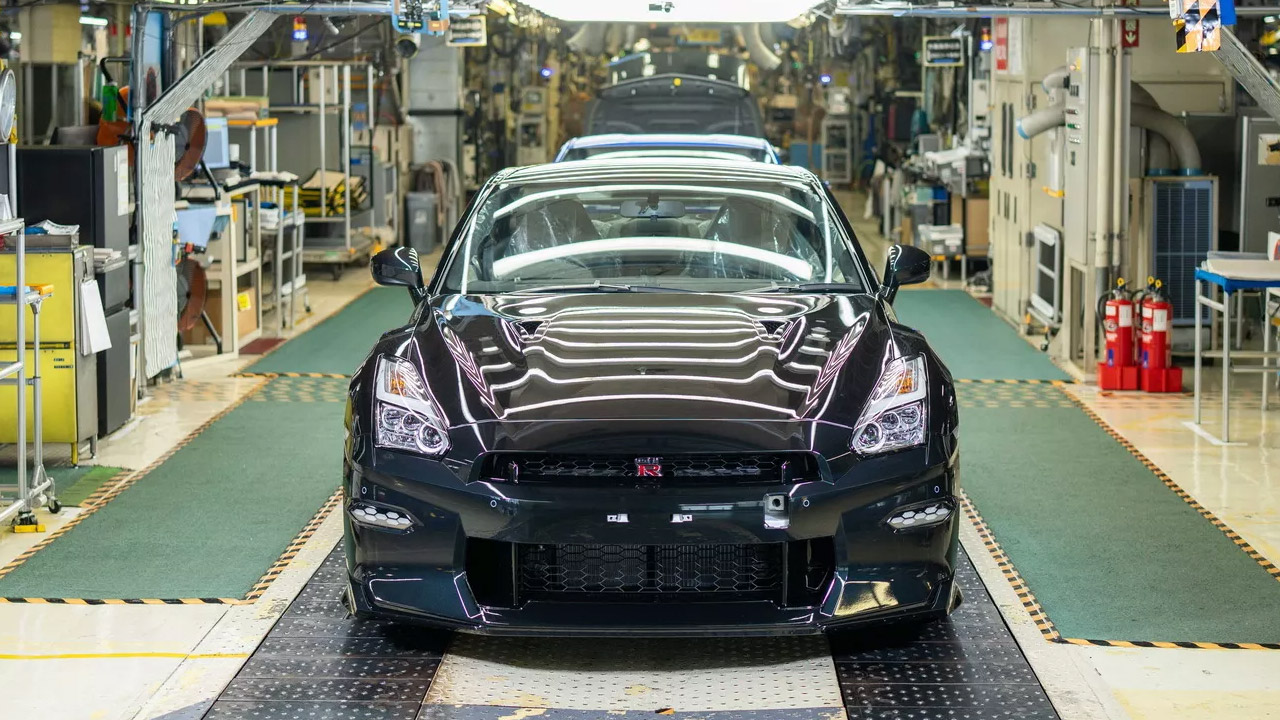
What made the GT-R special wasn’t just the engineering but the hands that built it. At Nissan’s Yokohama plant, a team of nine master craftsmen, known as Takumi, hand-assembled every one of the 48,000 engines. Each engine has a plaque with their names, a quiet acknowledgement of the human touch behind the machine. From 473 horsepower in 2007 to 562 horsepower in 2017, the engine grew in power, with the track-focused NISMO variant pushing 600 horsepower, thanks to race-bred components like GT3-spec turbochargers and precision-balanced parts.
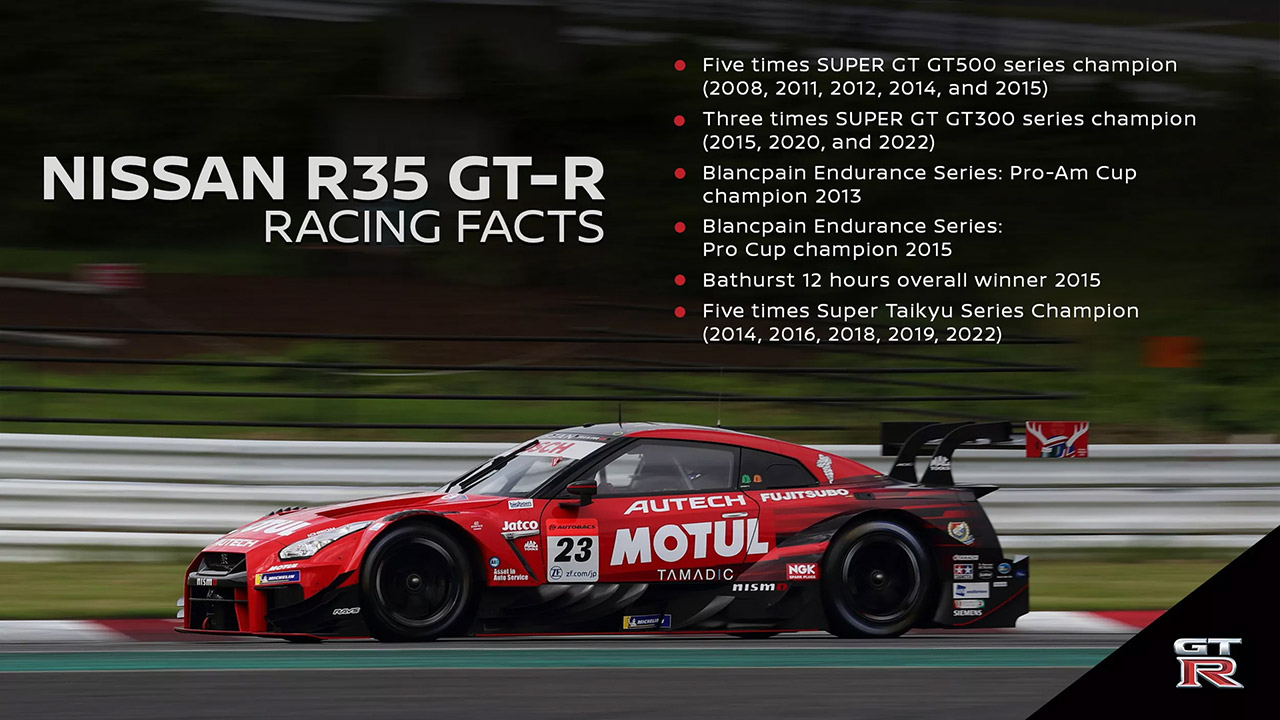
On the track, the GT-R proved itself. It won five GT500 and three GT300 class titles in Japan’s SUPER GT Championship, the 2015 Bathurst 12-hour race and five Super Taikyu endurance series titles. Its dominance wasn’t limited to organized racing. In 2007, the R35 tackled the Nürburgring Nordschleife and posted a 7:38 lap time, impressive for a production car even with slightly damp corners. By 2008, test driver Toshio Suzuki had shaved that to 7:29. A year later, it was 7:26. In 2013, the GT-R NISMO, with aerodynamic tweaks and a track-ready suspension, clocked 7:08.679 with Michael Krumm at the wheel.
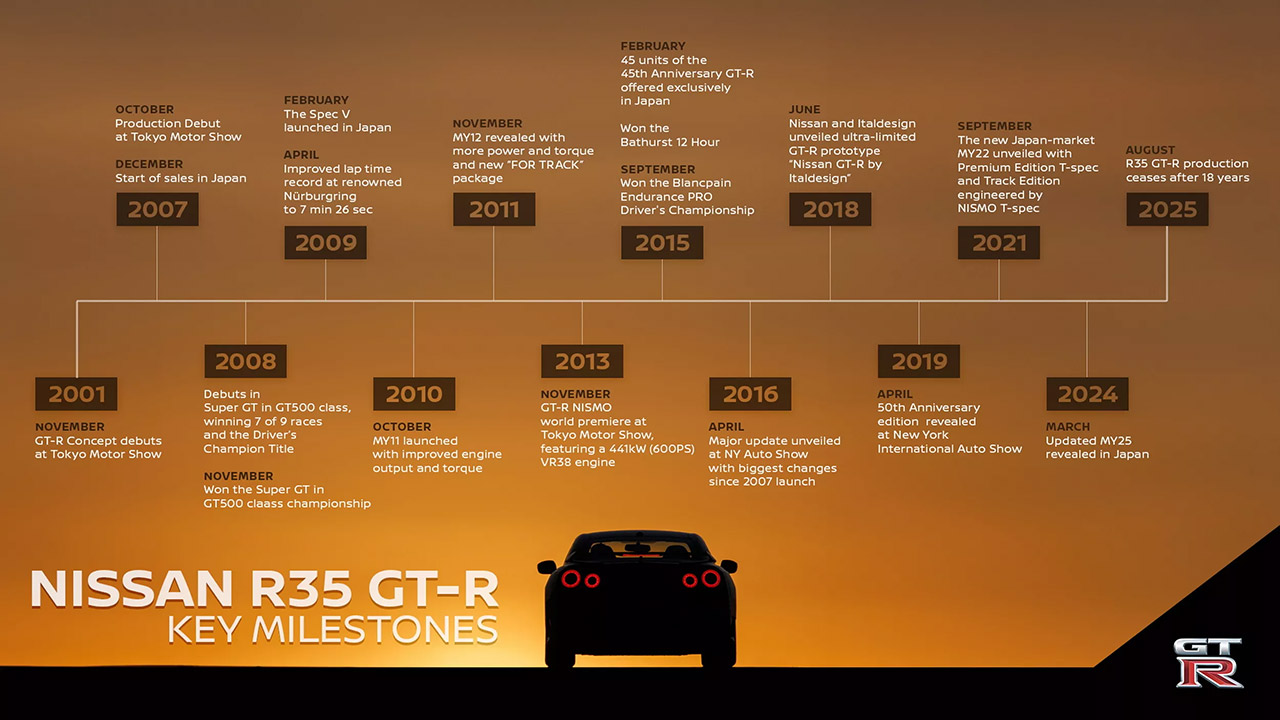
Closer to home, the GT-R NISMO set records at Japan’s Tsukuba circuit. In 2019, Tsugio Matsuda drove a 2020 model to a production car record of 59.361 seconds, beating the previous mark by a big margin. Not content to rest, the team returned in 2024 with an updated GT-R NISMO and Matsuda again at the wheel, and sliced the record to 59.078 seconds—a difference of 283 thousandths of a second or two car lengths.
As production ends, Nissan’s President and CEO, Ivan Espinosa, looked back. “After 18 amazing years, the R35 GT-R has left its mark on history,” he said. “Its legacy is a testament to our team and our customers.” But Espinosa didn’t stop at nostalgia. “This isn’t a goodbye to the GT-R forever. It’s our goal for the GT-R nameplate to come back one day.” He acknowledged the high bar set by the R35 and asked fans to be patient.