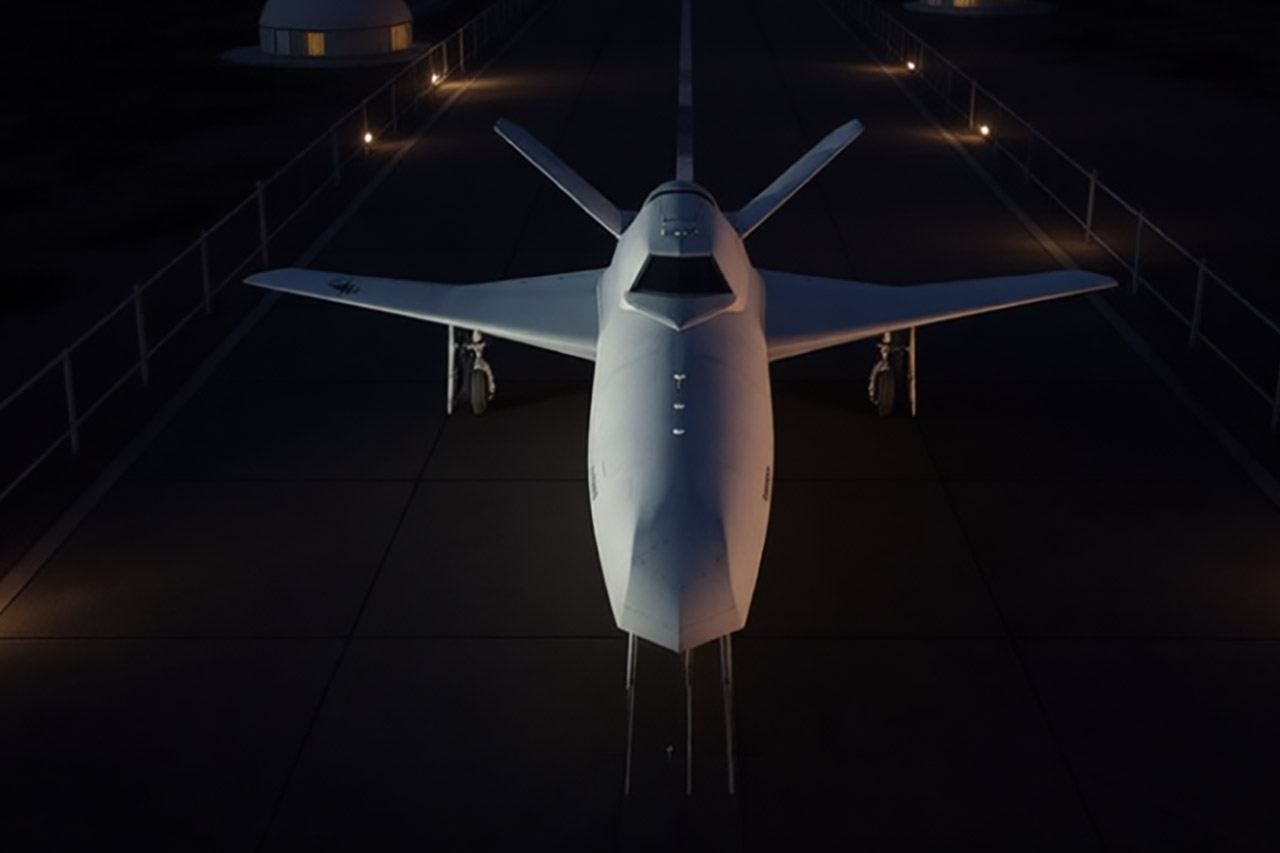
Northrop Grumman unveiled Project Talon in the vast hangars of the Mojave Air and Space Port in the California desert. This unmanned aircraft is ready to team up with fighter jets, transforming solo missions into coordinated raids that protect pilots and provide them a competitive advantage. Northrop’s engineers and the magicians at Scaled Composites have been pounding this prototype into shape over the past 15 months, and in just nine months, it will make its first flight.
Project Talon is here. This next-gen autonomous aircraft is made to adapt fast.
➡️ Modular by design
➡️ Mission-ready
➡️ Built for the challenges ahead pic.twitter.com/6UOhLSBHKn— Northrop Grumman (@northropgrumman) December 4, 2025
Northrop’s engineers took a good hard look at what went wrong with their latest bid on the U.S. Air Force’s Collaborative Combat Aircraft program. While their entry exceeded expectations in terms of performance, it fell short in terms of price. But with Talon, they’re flipping the script: they’ve prioritized cost-cutting measures. A whole composite framework has saved around 1,000 pounds of weight over previous designs, and the number of parts required has been reduced by two-thirds. Plus, with the fancy digital tools they’re using, they can now undertake design revisions in days rather than weeks, reducing construction time by around 30%. Even better, modular sections allow them to swap out different payload, such as sensors or weaponry, without having to start from zero. With all of these changes, Talon looks fairly slick and reasonably priced – roughly $15 million per unit for the Navy and $23-25 million for the Air Force.

- No Registration Needed - Under 249 g, this drone with camera for adults 4K does not require FAA registration or Remote ID for recreational use. Visit...
- 4K Ultra HD & 3-Axis Gimbal for Cinematic Quality Shooting - Capture stunning moments in any light—sunrises, sunsets, and night scenes with...
- 38kph (Level 5) Wind Resistant - This drone for adults has a stable flight even in Level 5 winds. Brushless motors enhance power and allow takeoff at...
Collaboration is key to Talon’s purpose; its entire function is to interact alongside manned combat planes like as the F-35 and F-22, taking commands from pilots via shared data links while still working independently to complete tasks. A highly complex software tool manages things, processing dangers as they occur and recommending moves that a human can then accept or adjust. They’ve already tested this software on Northrop’s Beacon platform, which was released earlier this year, and it worked well in real-world flight situations. Northrop has been accumulating autonomous flight hours for almost 70 years, and this has all contributed to Talon’s capabilities, which include the ability to survey the battlefield, jam signals, and take the heat off the lead plane. They have a scenario in which Talon could just stay high above a contested zone for a while, feeding pilots real-time intelligence and dropping in a few missiles that would be difficult for manned aircraft to reach.
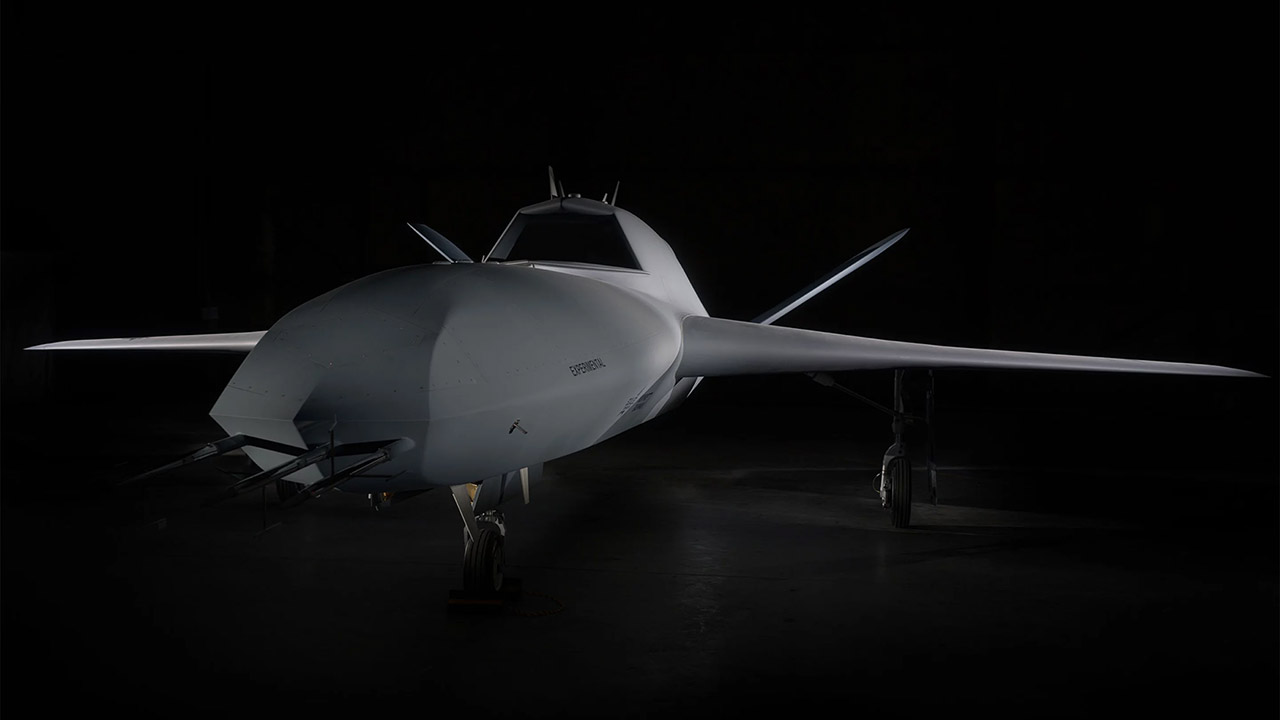
Talon’s multi-role adaptability offers him an advantage in a world where everyone appears to be an expert who excels at one thing. Unlike other unmanned systems that specialize on air-to-air warfare, Talon does something unique. It can collect electronic intelligence on adversary radars during peacetime missions. Alternatively, it can be used as a decoy in hot zones, taking the heat from surface-to-air missile launches and allowing bombers to enter and exit safely. It can also carry extra ammunition for pinpoint strikes, allowing a carrier group to stay out of harm’s path while maintaining the necessary firepower. And, to keep things balanced and safe, human oversight always has the final say on crucial decisions, so Talon only amplifies what has already been determined, rather than making the judgments itself. However, the interest of international partners and US services alike is evident as they determine how this setup can grow to meet everything from border control to full-fledged combat.
However, speed has been crucial throughout Talon’s development, from the initial concept sketches to the maiden flight. It took less than two years in all, which is a fraction of the 13 years it took the F-35 to get off the ground. And that’s with Northrop footing the bill internally, combining Scaled Composites’ can-do attitude with the company’s extensive library of flight-tested technology. There is still no official contract tying Talon to any specific program, but the timing is ideal given the Navy’s need for affordable wingmen and the Air Force’s second CCA round. Executives are already discussing changing things as they go, using feedback from the failed bid and upgrading things like range, endurance, and payload as needs evolve.
[Source]