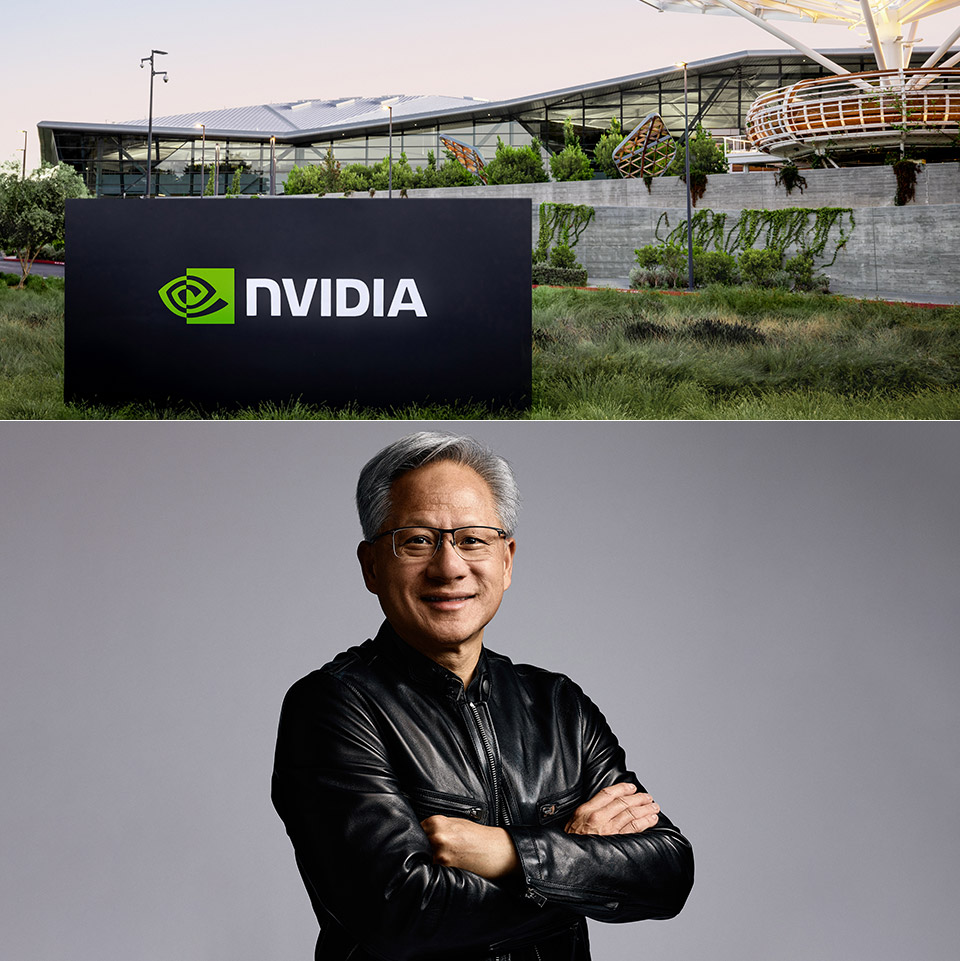
Jensen Huang stepped away from NVIDIA on Thursday after 33 years as its co-founder, president, and chief executive, with the board accepting his resignation effective immediately and removing him from the board as well. Colette Kress, the company’s executive vice president and chief financial officer since 2013, agreed to serve as interim chief executive while continuing her finance role until the board names a permanent successor through a search that will consider both internal and external candidates. Harvey C. Jones, a longtime board member and former chief executive of Synopsys, became the company’s first-ever chair of the board. NVIDIA said operations, customer commitments, and its product roadmap would continue without interruption, and the company still plans to report its quarterly results next Tuesday as scheduled.
Reports in the days before the announcement described growing pressure on Huang from personal matters that raised questions about judgment and potential national security issues In a memo to employees, Huang admitted to having an affair with Alice Huang, a former executive at Megaspeed International, a well-known industry name and a major NVIDIA customer in Southeast Asia who happened to be the subject of US investigations into possible chip export violations. U.S. intelligence officials had concluded Alice Huang acted as a Chinese intelligence asset, according to reporting, and the board had opened its own inquiry into whether Jensen Huang was targeted by a foreign intelligence effort. This week, we also learned about a second affair, this time with Kimberly Powell, NVIDIA’s VP of Healthcare. Stock prices fell more than 10% on the news, adding to massive losses that had already depleted the market’s value by hundreds of billions of dollars in recent days.

- Your Personal Productivity Partner: Transform your daily workflow with brilliant AI assistance that feels natural and intuitive. This Copilot+ PC...
- That’s the power of Acer with Intel Inside: Equipped with an Intel Core Ultra 5 processor (Series 2), the Aspire 16 Al brings new AI experiences in...
- Indulge Your Eyes: Immerse yourself in a world of vibrant visuals. Enjoy stunning clarity, rich 100% sRGB colors, and sharp detail on the 16" 120Hz...
Jensen Huang was born in Taiwan in 1963, relocated to the United States as a child, and eventually went on to earn two electrical engineering degrees from Oregon State and Stanford. He met Chris Malachowsky and Curtis Priem, and the three of them founded NVIDIA in 1993 after sitting down at a Denny’s in San Jose and brainstorming the idea for a graphics chip. Early on, it was difficult, and the company came perilously close to bankruptcy on several occasions, but a breakthrough came in 1997 with the RIVA 128 chip, which finally began bringing in enough cash to keep the lights on and cleared the door for a stock offering in 1999. That same year, NVIDIA debuted the GeForce 256, which was marketed as the world’s first graphics processing unit, a processor specifically intended to handle the heavy work of 3D graphics on personal computers.
In 2006, NVIDIA released CUDA, a toolset that allowed developers to harness the power of their graphics hardware for calculations that went far beyond simply drawing nice visuals. Though it began with little popularity, it eventually found fresh life when researchers demonstrated that graphics chips could reduce the time required to crunch the numbers from years to hours and days, and so on. This changed the game, and NVIDIA went on to sell supercomputers to OpenAI as well as create increasingly powerful datacenter processors, with the Hopper and Blackwell series serving as prime examples. These eventually became the industry standard for training and managing AI and generative systems. By the end of 2025, the company’s market capitalization had surpassed $5 trillion, making it one of the most valuable publicly traded firms in the world after years of record revenue growth.
Huang remained the company’s public face for the majority of the time, attending annual events in a black leather jacket and leading developers and customers through the crazy new chips, systems, and software roadmaps. His fellow board members were effusive in their praise of his accomplishments, calling them nothing short of profound, and thanking him for transforming NVIDIA into the go-to supplier for all things accelerated computing. Kress joined in, stating she and the rest of the leadership team would continue to build on the foundation they’ve laid over the last 33 years, while also keeping an eye on where their customers, partners, developers, and shareholders are. With earnings coming up next week and the hunt for a new CEO still ongoing, everyone’s attention has moved to how successfully the firm will execute on the plans that are already in place, now that the guy who essentially stopped it from tanking is no longer there to guide the ship.
[Source]